
Blog
Industry insights, product guides, and company news from WeIDMed - your trusted wristband manufacturer.
Latest Articles
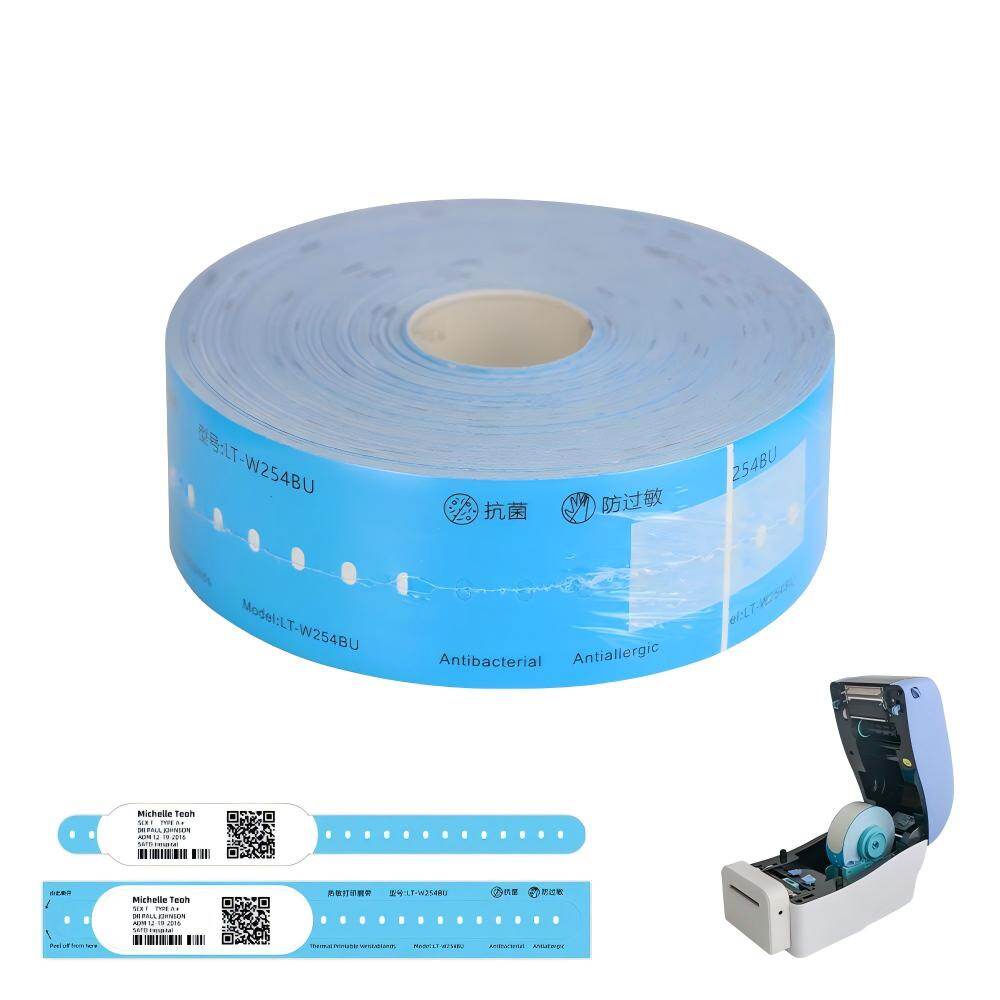
The Joint Commission Patient Identification Standards: What Wristbands Must Comply With
What does The Joint Commission actually require of patient identification wristbands? This guide explains the two-identifier rule, why an armband is a source rather than an identifier, continuous-wear and verification-before-application expectations, newborn and non-communicative patient protocols, temporary John Doe identifiers, specimen labeling in the patient presence, and the survey pitfalls behind citations—plus how correct sizing stock from bariatric patient wristbands to extended-length wristbands and ankle bands supports patient identification accuracy and CAP Q-Probes readiness.
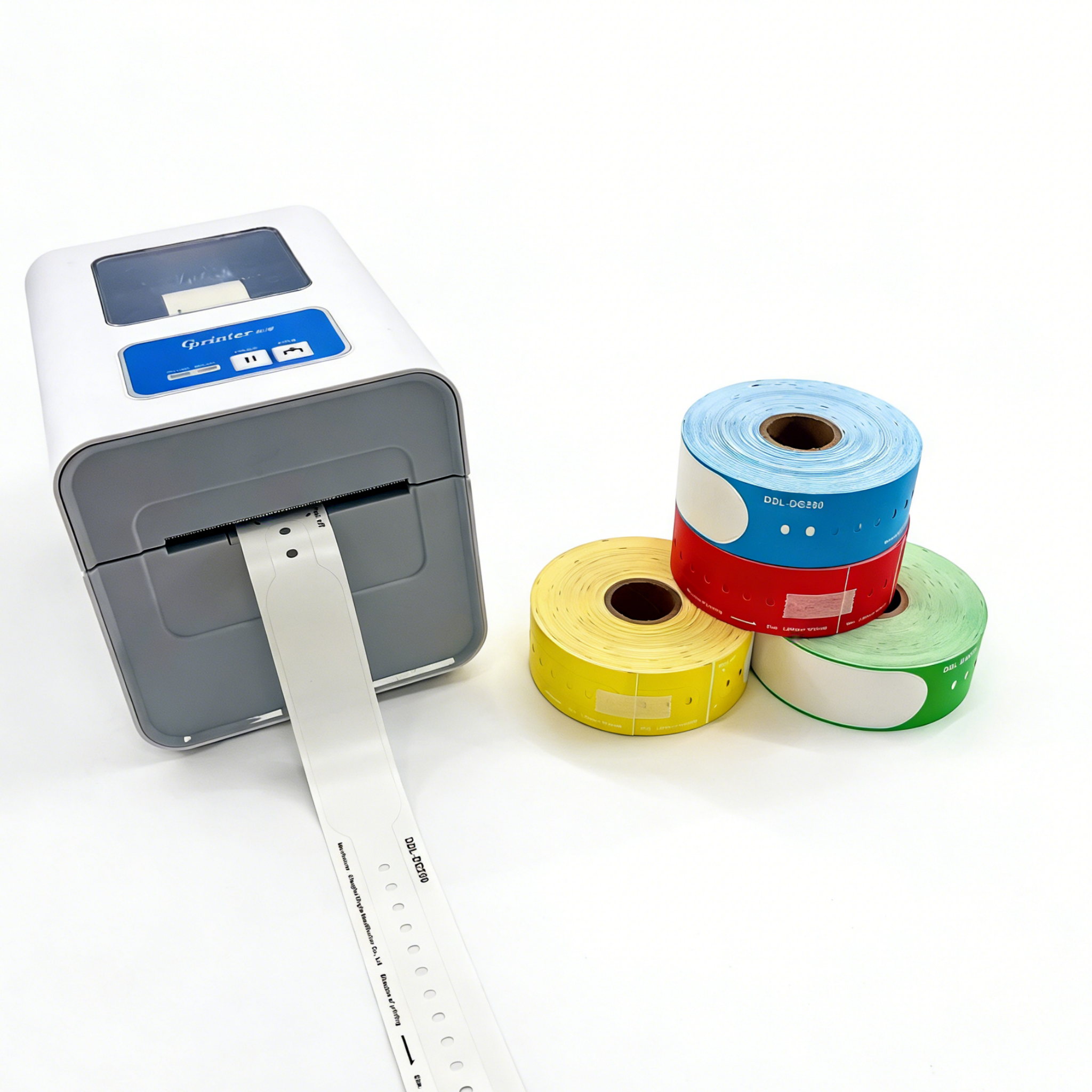
Reducing Wristband Errors at Admission: Workflow Design and Staff Training
Admission is where patient identification accuracy is won or lost. This evidence-based guide analyzes why wristband errors happen—batch printing, interruptions, normalized workarounds, special-population ambiguity, limb placement mistakes—and prescribes workflow redesign plus scenario-based staff training: embedded two-identifier verification, point-of-care printing, clear ownership, audit and feedback, and protocols for newborns, non-communicative patients, bariatric patient wristbands, extended-length wristbands and ankle bands aligned with CAP Q-Probes expectations.
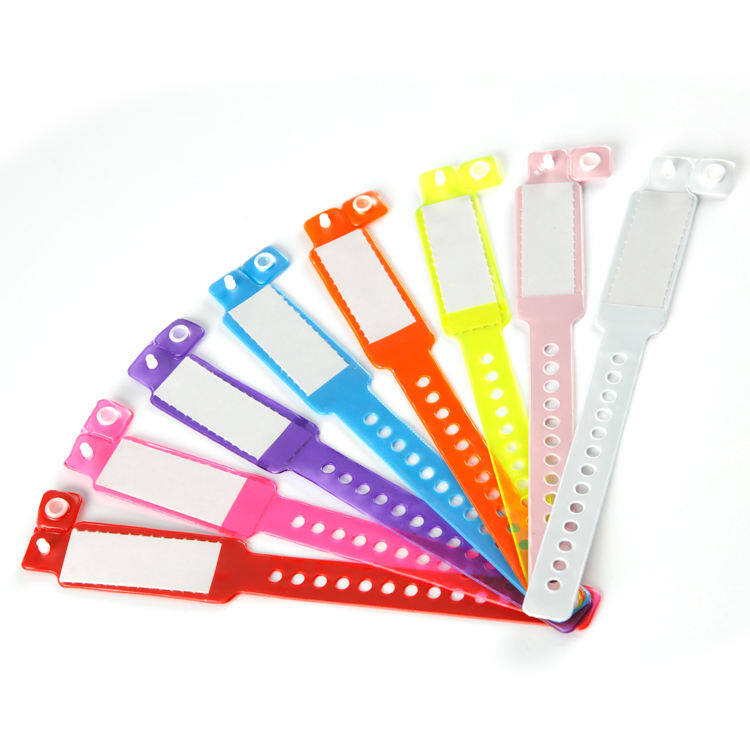
Downtime Procedures for Wristband Printing: What to Do When the System Fails
When wristband printing fails—network outage, printer fault, middleware crash, or stock depletion—patient identification cannot wait. This guide covers failure modes, Joint Commission and NHS GS1 DataMatrix standards, pre-printed emergency inventory strategy, the manual two-identifier verification workflow, handwritten band rules, hybrid printing fallbacks, role assignment, and post-downtime reconciliation.
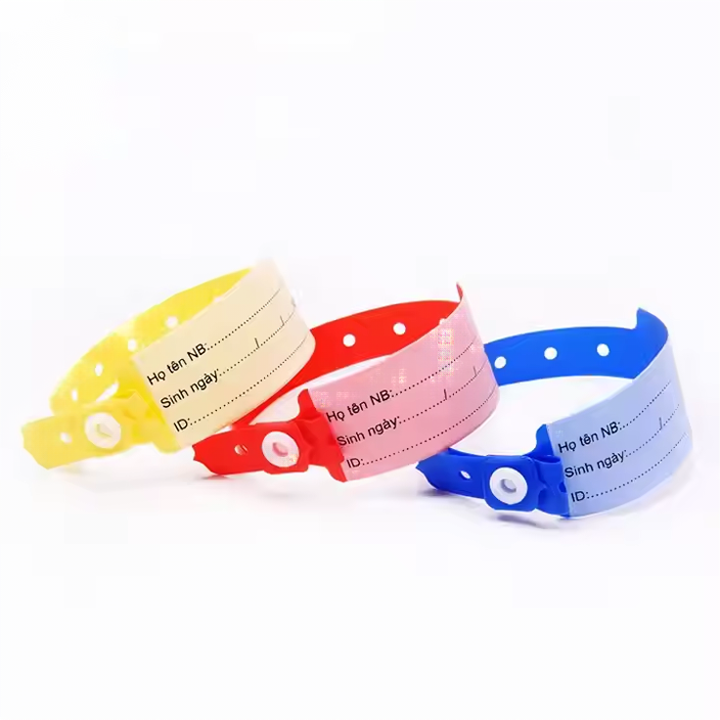
Wristband Scanning at the Bedside: Barcode vs RFID vs NFC Compared
Barcode, RFID, and NFC each change how reliably a bedside wristband verifies the right patient. This practical guide compares scanning speed, patient identification accuracy, total cost, and interference risk across medication administration, blood transfusion, and specimen collection, and offers a decision framework—including hybrid wristband designs—for choosing the right identification technology.
Wristband Printing Integration with EHR: HL7, FHIR, and Workflow Automation
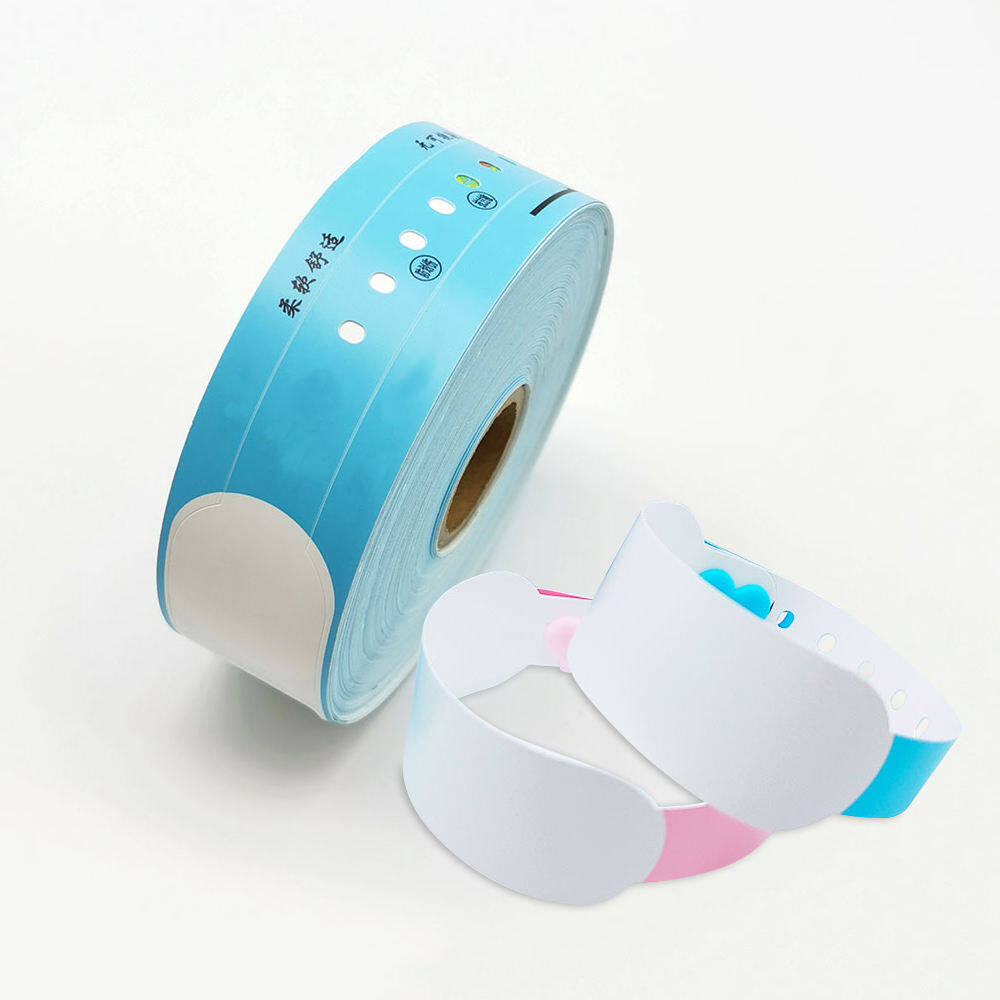
Automated wristband printing integrated with the EHR is a patient safety intervention. This guide explains HL7 v2 ADT triggers and FHIR Patient resources, middleware architecture, GS1 DataMatrix and DCB1077 barcode standards, print trigger patterns from admission to demographic updates, and practical implementation steps that protect patient identification accuracy across inpatient, pediatric, and laboratory workflows.
Wristbands in Behavioral Health Units: Balancing Safety, Privacy, and Identification
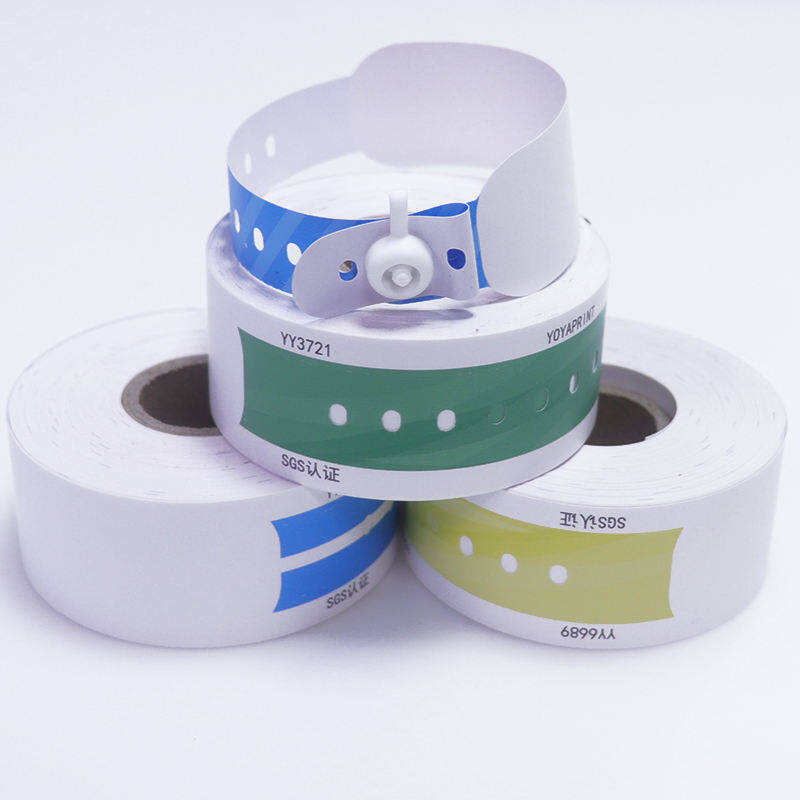
Behavioral health units demand a different wristband approach: ligature risk, non-metallic construction, tamper resistance, and patient privacy all constrain design. This guide compares adhesive, clip and snap, and locking closures for psychiatric and pediatric behavioral health settings, and offers practical selection and workflow recommendations for safety, privacy, and reliable patient identification.
All Articles
Medical Wristband MOQ and Custom Printing: What Importers Need to Know
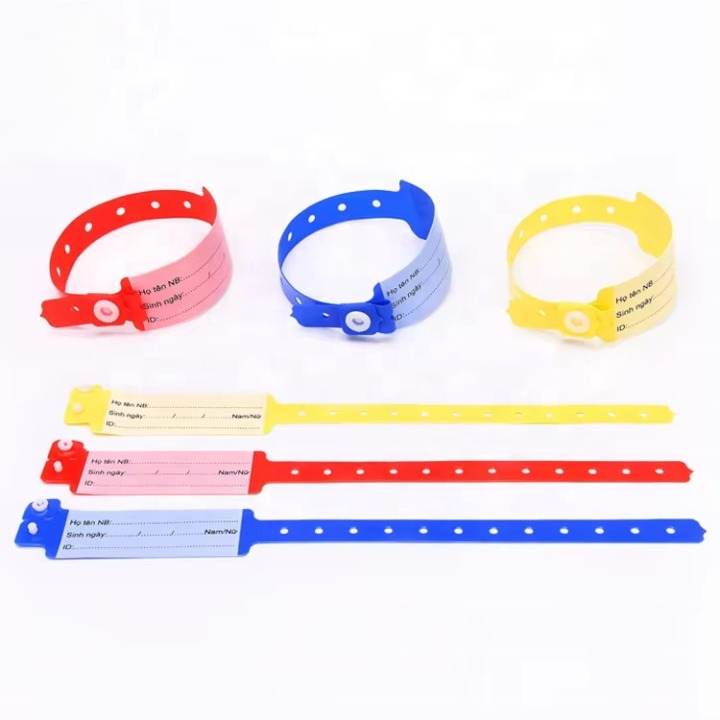
A practical importer guide to medical wristband MOQ and custom printing: typical MOQ ranges by product type, printing methods, artwork requirements, quality control, compliance and sourcing strategies.
How Much Do Patient Wristbands Cost? A 2026 Price Breakdown by Type
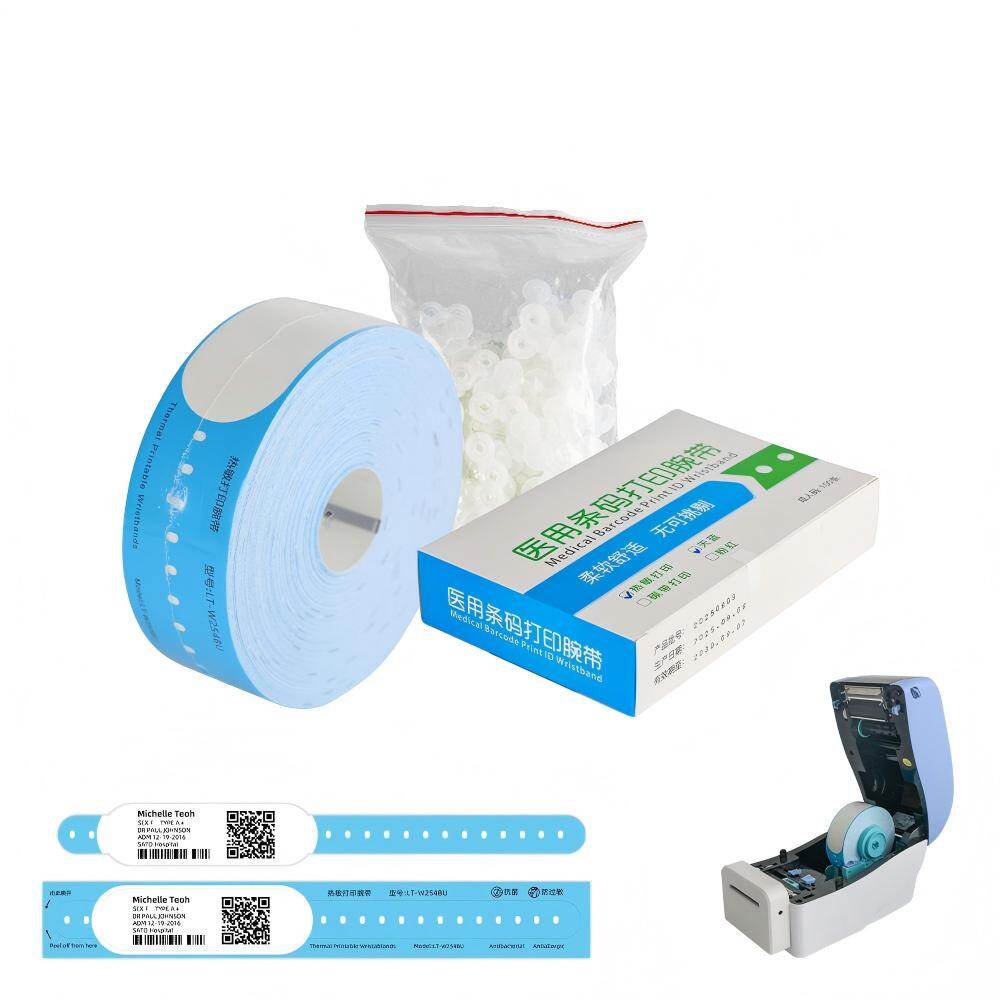
A 2026 price breakdown of patient wristbands by type: handwritten, thermal-printed barcode, RFID smart bands and specialty bands, plus volume discounts, customization costs and total cost of ownership guidance for healthcare procurement.
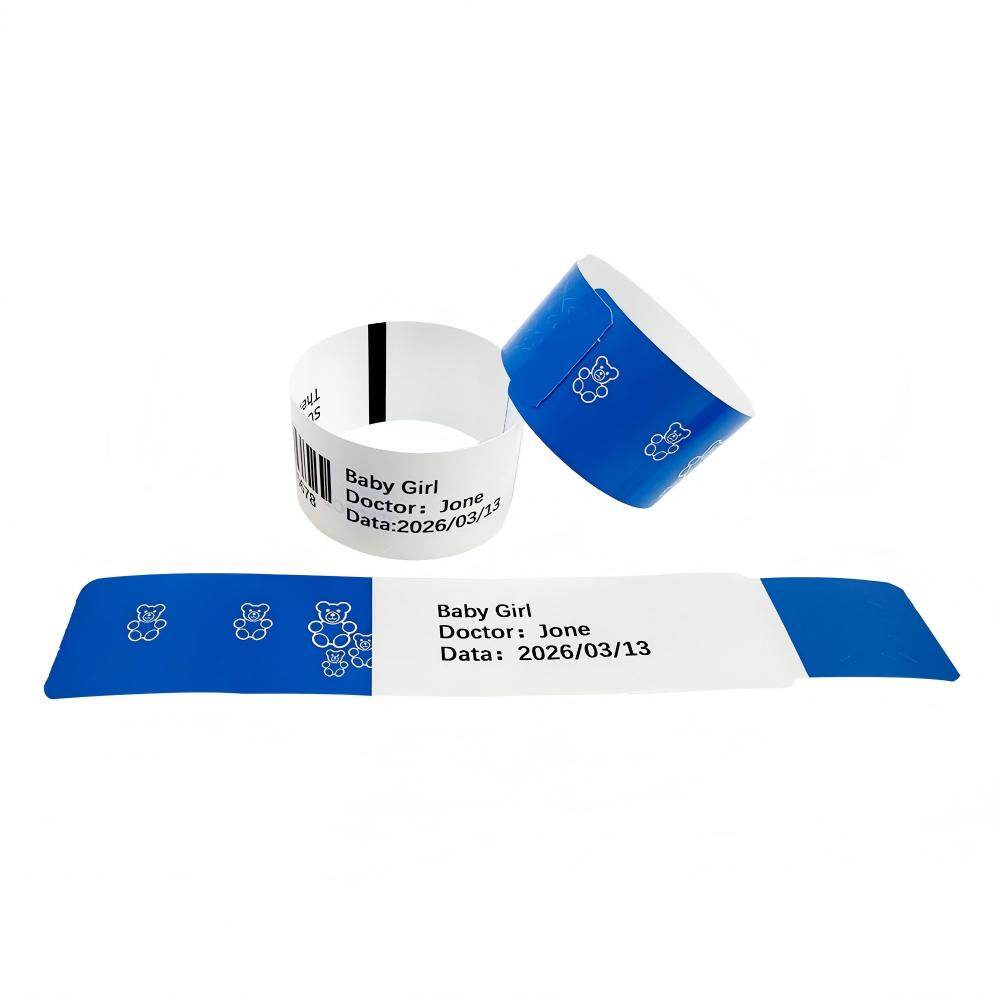
Newborn ID Wristbands: Matching Mother and Baby Without Errors
Newborn ID wristbands keep every baby matched to the right mother: soft hypoallergenic bands, matching numbers, barcode and RFID verification, rooming-in protocols, parent education, and audit practices that prevent identification errors in maternity units.
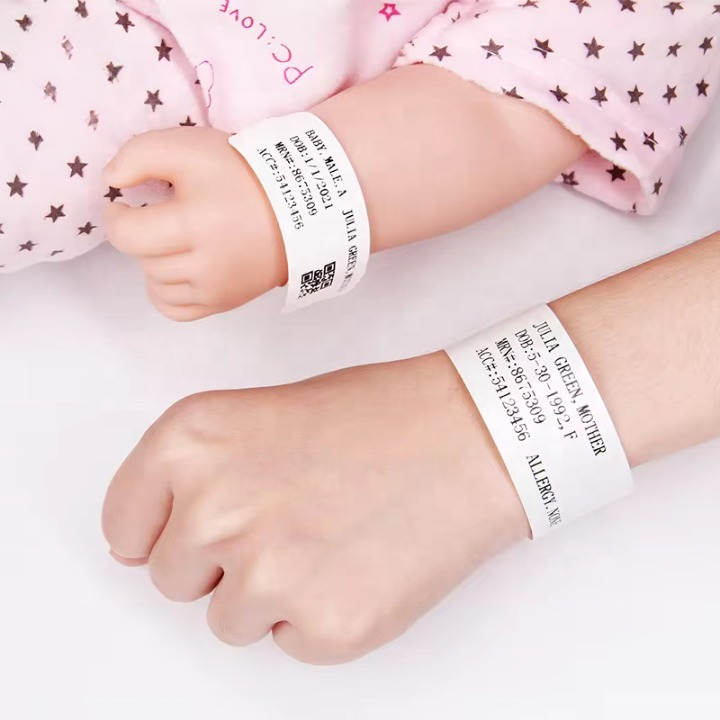
Pediatric Patient Wristbands: Sizing, Safety, and Parent Education
Pediatric patient wristbands demand special care: measured sizing for neonates to adolescents, soft hypoallergenic materials, tamper-evident closures, neurovascular monitoring, and parent education as the third pillar of safe pediatric identification in hospitals.
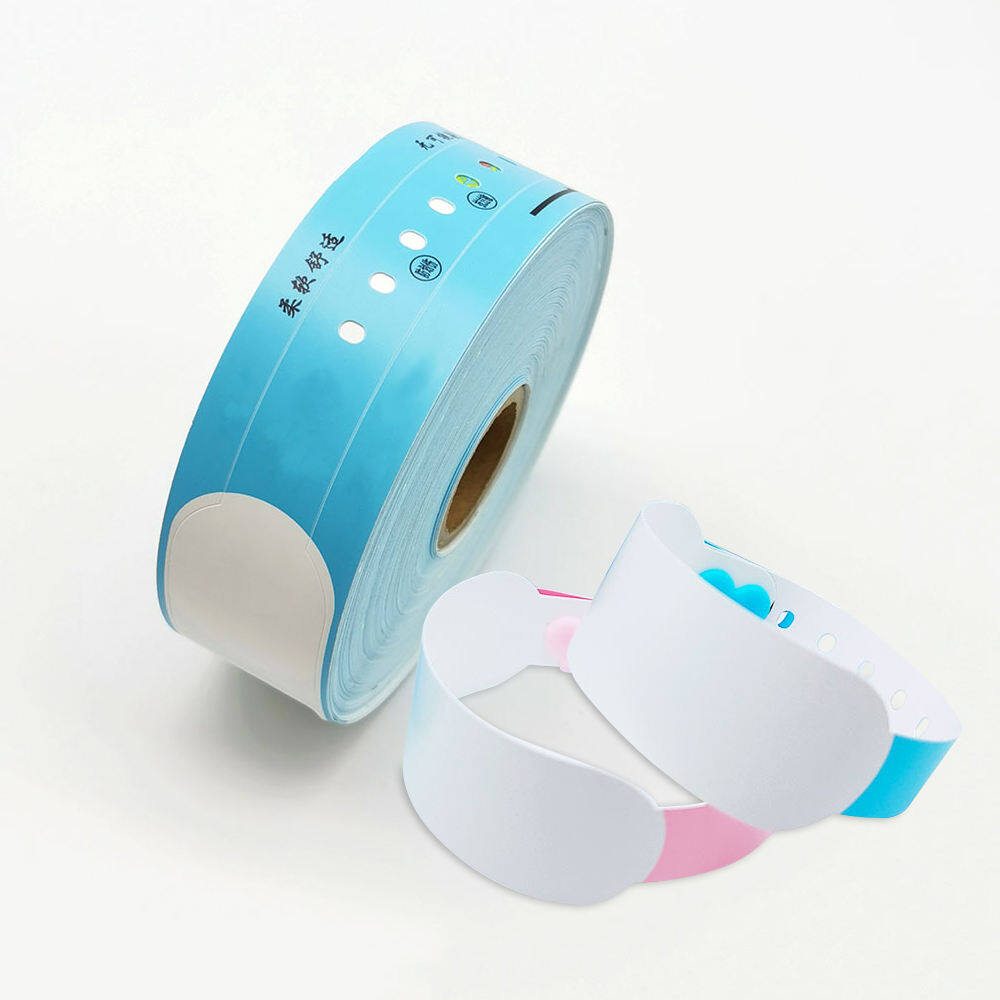
Wristband Placement on Patients with Edema, Burns, or Amputations
How to place patient identification wristbands on patients with edema, burns, or amputations: assessment considerations, alternative placement sites, adjustable and soft wide bands, monitoring protocols, and safety practices that keep identification accurate without harming compromised tissue.
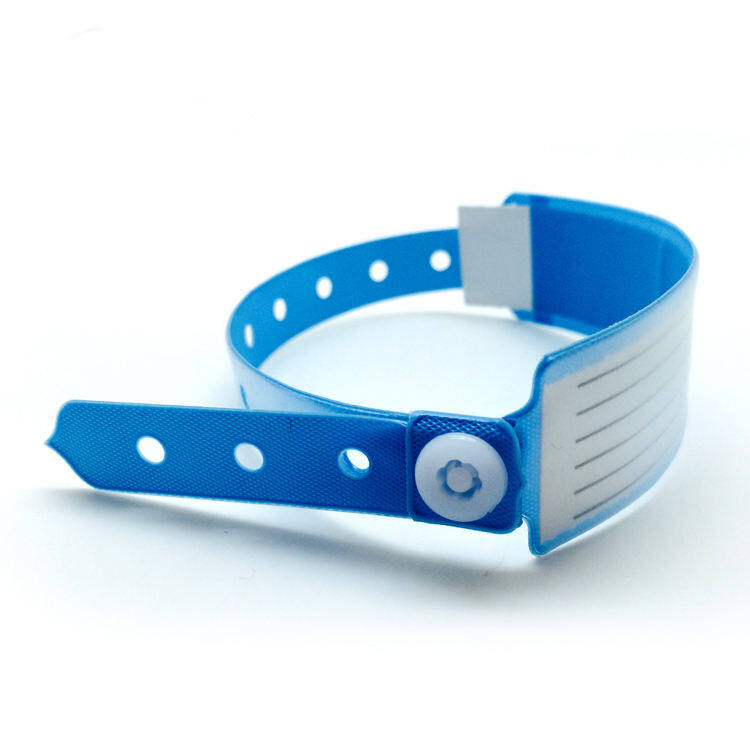
What Happens When a Patient Wristband Is Applied Too Tight? Signs, Risks, and Fixes
What happens when a patient wristband is applied too tight? From the two-finger rule to neurovascular compromise, rubber band syndrome, warning signs, and evidence-based fixes, this guide covers wristband tightness risks, special populations, and prevention best practices for patient safety.
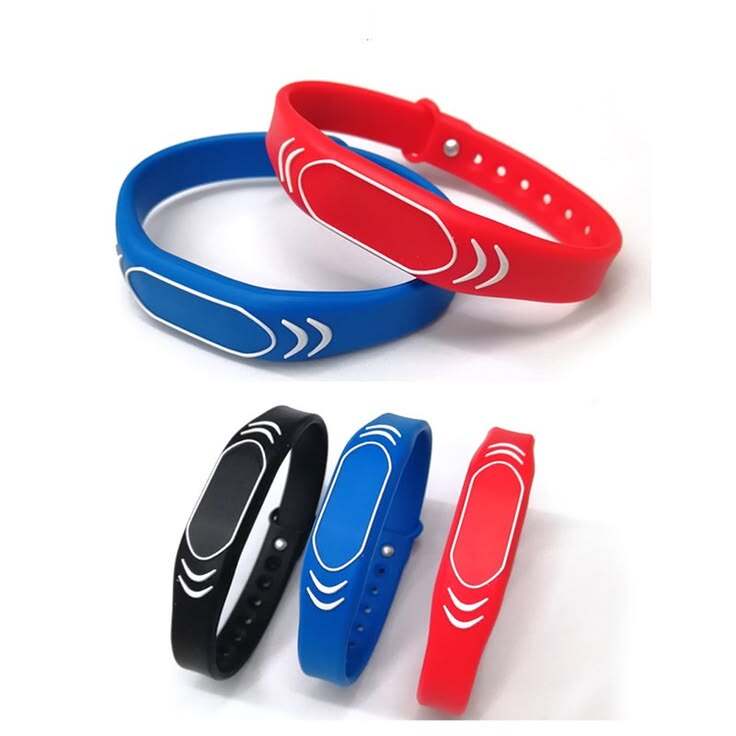
When the Wristband Becomes a "USB Drive": A New Approach to Surgical Specimen Traceability and Pathology Chain Closed-Loop Management
When the wristband becomes a USB drive: NFC and RFID patient identification wristbands bind surgical specimens to the right patient at collection, creating a closed-loop pathology chain of custody. Evidence from a barcode pathology specimen system shows specimen incidents dropped from 28 to zero and data entry fell from 5 minutes to 4 seconds per patient.
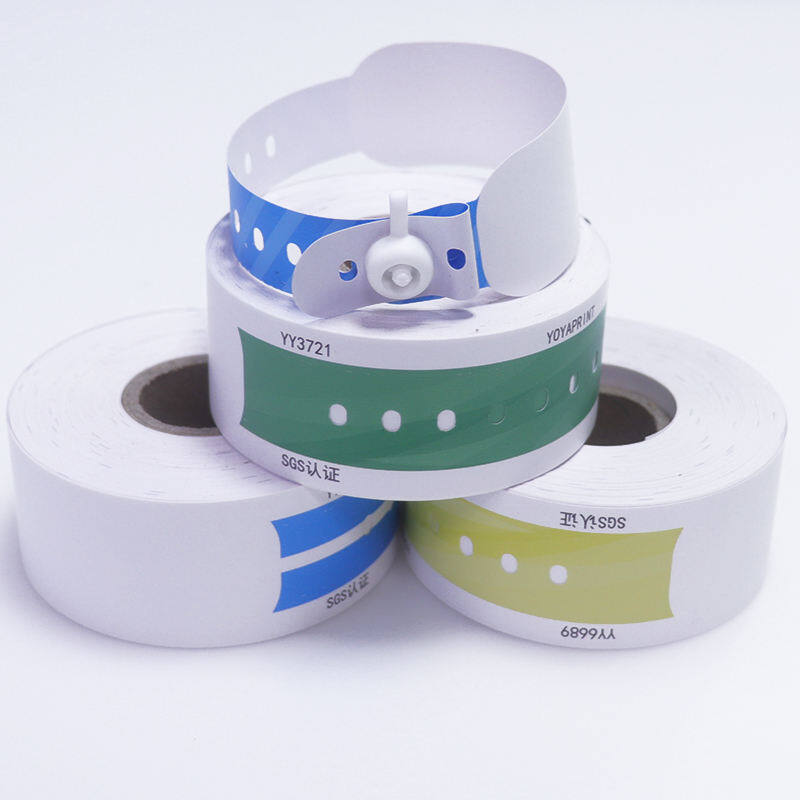
The Three Minutes That Decide Life and Death: How Emergency Triage Wristbands Combat "Hidden Criticality"
In a crowded emergency department, a green triage wristband can hide a deteriorating patient. This article examines four-level and five-level triage systems, the Hong Kong model, green-to-red escalation protocols, prehospital "Life Wristband" systems, and how color-coded emergency wristbands pull priority diagnostics to combat hidden criticality.
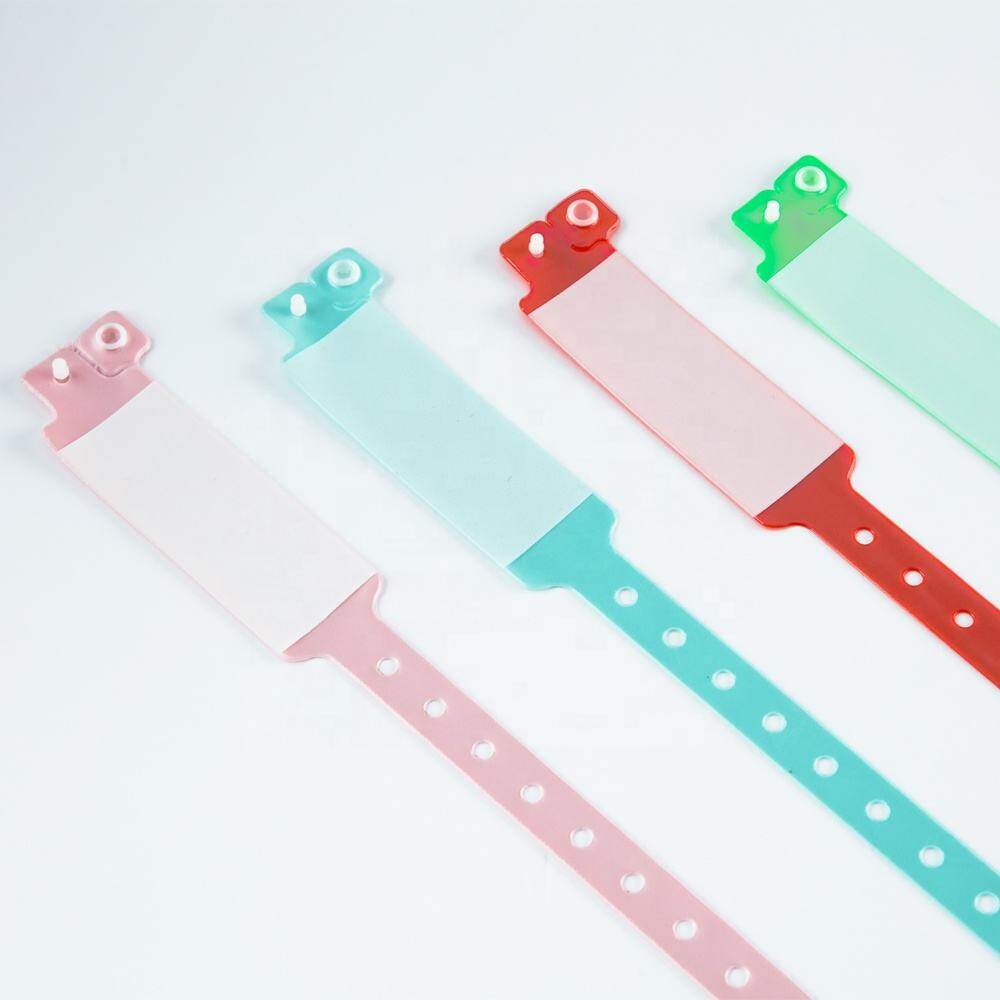
The Pink Trap: How Color-Coded Wristbands Create Cultural Confusion and Patient Safety Hazards
Color-coded patient wristbands promise instant clinical communication, yet color meaning shifts across cultures and dissolves for color-blind clinicians. This article examines the 2005 Pennsylvania near-miss, AHA standardization efforts, and why text and symbols must reinforce color for patient safety.
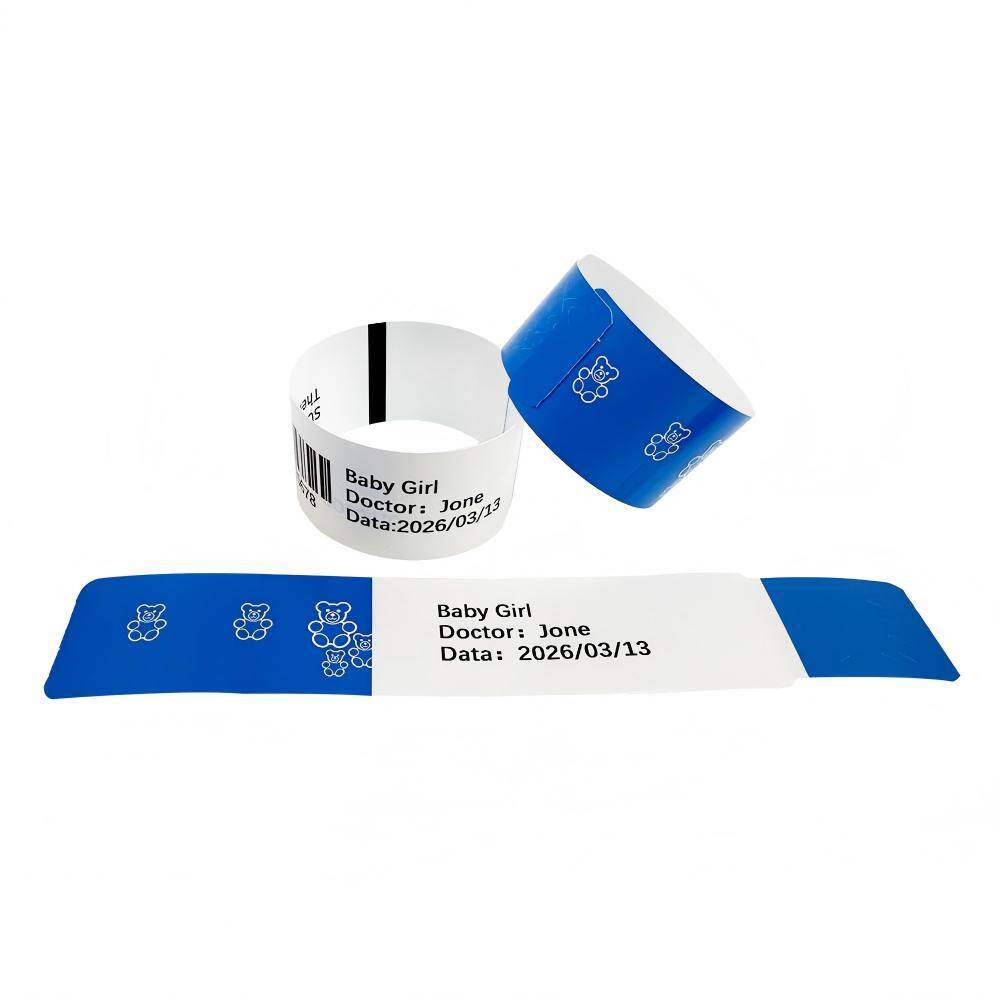
The Data Deluge Dilemma: Can Smart Wristband Vital Signs Stand as Medical Evidence in a Court of Law?
Smart wristbands now capture continuous vital signs with clinical-grade accuracy. When unnoticed abnormalities lead to patient harm, does the wristband's data become a shield for hospitals or a sword for plaintiffs? This article examines certification, liability, evidentiary admissibility, and privacy frameworks for wearable biometric data as medical evidence.