
The Joint Commission Patient Identification Standards: What Wristbands Must Comply With
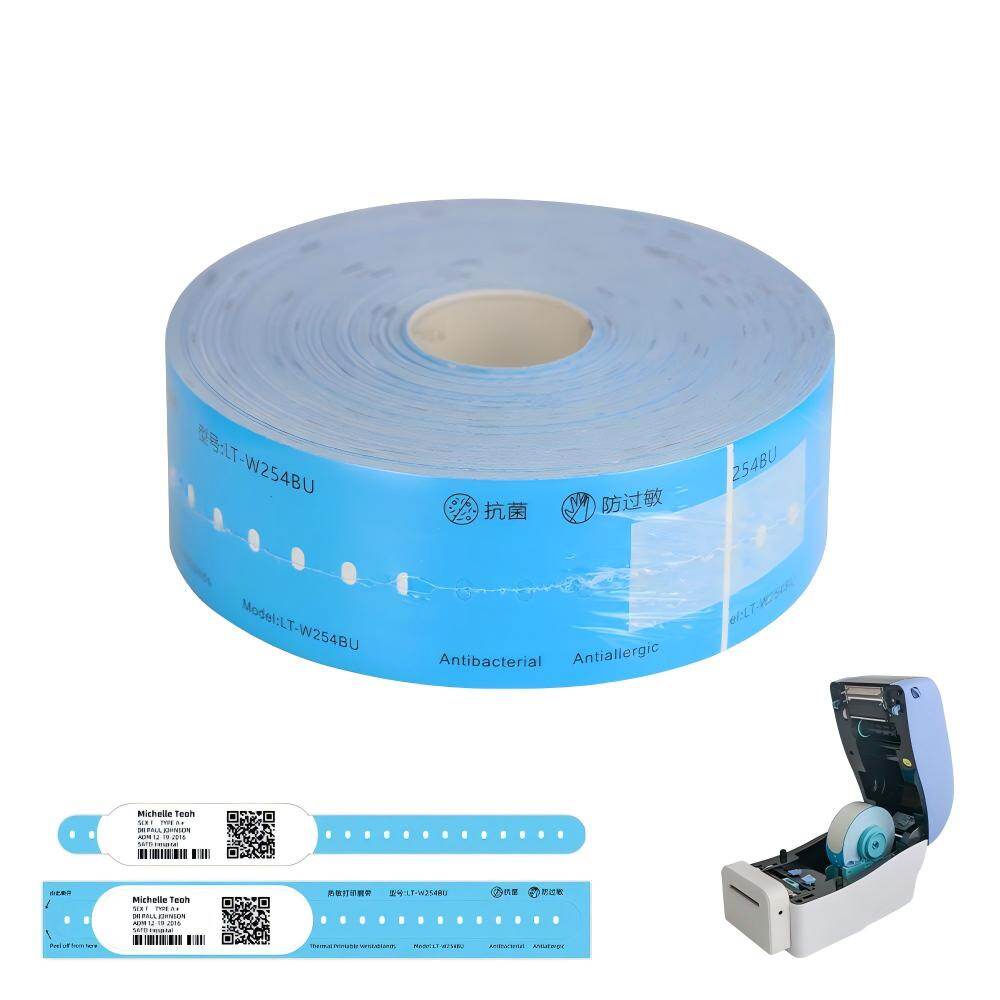
Patient identification errors remain one of the most stubborn challenges in healthcare safety. The Joint Commission (TJC), which accredits and certifies more than 22,000 healthcare organizations in the United States, has made accurate patient identification its foundational National Patient Safety Goal for more than two decades. At the center of this effort sits a deceptively simple object: the patient identification wristband. But what exactly does TJC require of wristbands? And what do surveyors look for when they arrive on site?
This article breaks down TJC's patient identification standards, explains the compliance points that matter most for wristband use, and identifies the common pitfalls that lead to citations during accreditation surveys. Whether you are preparing for an upcoming survey or simply want to strengthen your organization's identification practices, understanding these requirements is essential.
Why Patient Identification Is TJC's Foundational Goal
The Joint Commission has required accredited hospitals to have patient identification protocols in place since 2003. In 2009, TJC elevated three components to its National Patient Safety Goals: correct use of patient identifiers, hand-off communications, and timely critical test reporting. The 2025 National Performance Goal framework continues to emphasize that the patient must be reliably identified as the person for whom service is intended, and that services and treatments must be matched to that individual.
The logic is straightforward. Every medication administered, every blood product transfused, every specimen collected, and every procedure performed depends on knowing who the patient is. When identification fails, the entire chain of care becomes unreliable. TJC's standards are designed to create redundant checks that make misidentification difficult, even under pressure.
The Two-Identifier Rule: What Counts and What Doesn't
The core requirement is well known: use at least two patient identifiers whenever providing care, treatment, or services. But the details of what constitutes an acceptable identifier are where organizations often stumble.
TJC defines a patient identifier as information directly associated with an individual that reliably identifies the individual as the person for whom the service or treatment is intended. Acceptable identifiers include:
- The individual's full name
- An assigned identification number, such as a medical record number
- Telephone number or another person-specific identifier
- Date of birth
- Electronic identification technology coding, such as barcode or RFID, that includes two or more person-specific identifiers
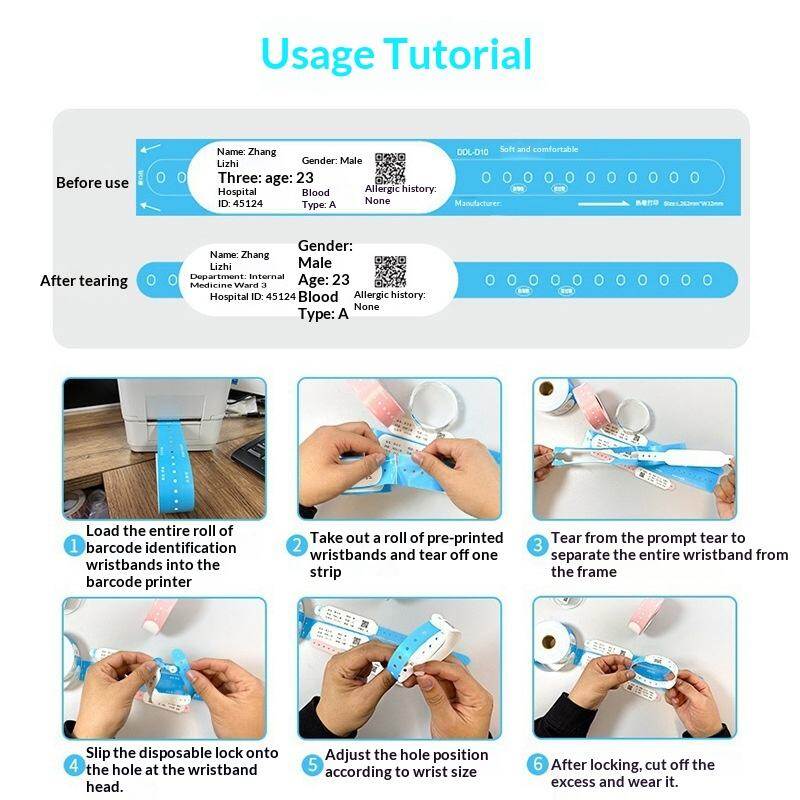
Critically, the patient's room number is not an acceptable identifier. This prohibition catches organizations that rely on bed assignments as a convenience check. A room number identifies a location, not a person. Two patients can occupy the same room on different shifts, and a room-based check provides no protection against wrong-patient errors.
The two identifiers should be consistent within each clinical setting. TJC acknowledges that variations may be necessary—an outpatient clinic without wristbands, an infant, or an unresponsive patient all require tailored approaches—but the organization determines and documents how accurate identification will be achieved in each context. What is not acceptable is allowing individual practitioners to choose whatever identifier combination they prefer at any given moment.
The Wristband's Role: A Source, Not an Identifier
Perhaps the most misunderstood aspect of TJC's standards is the status of the wristband itself. TJC is explicit: an armband is not itself a patient identifier. It is simply a source where patient identification information may be located. The actual identifiers are the person-specific data points—the name, the medical record number, the date of birth—that the band carries.
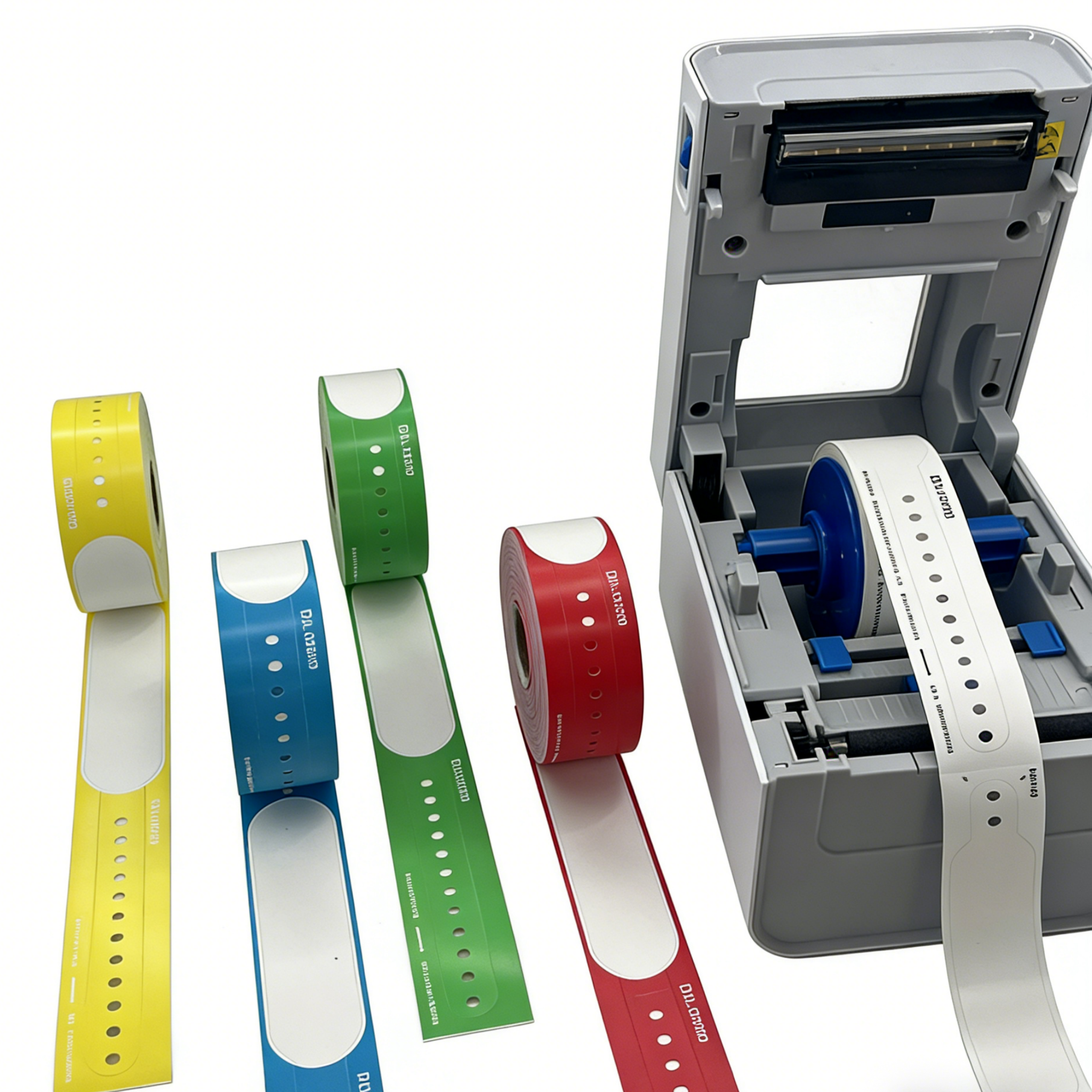
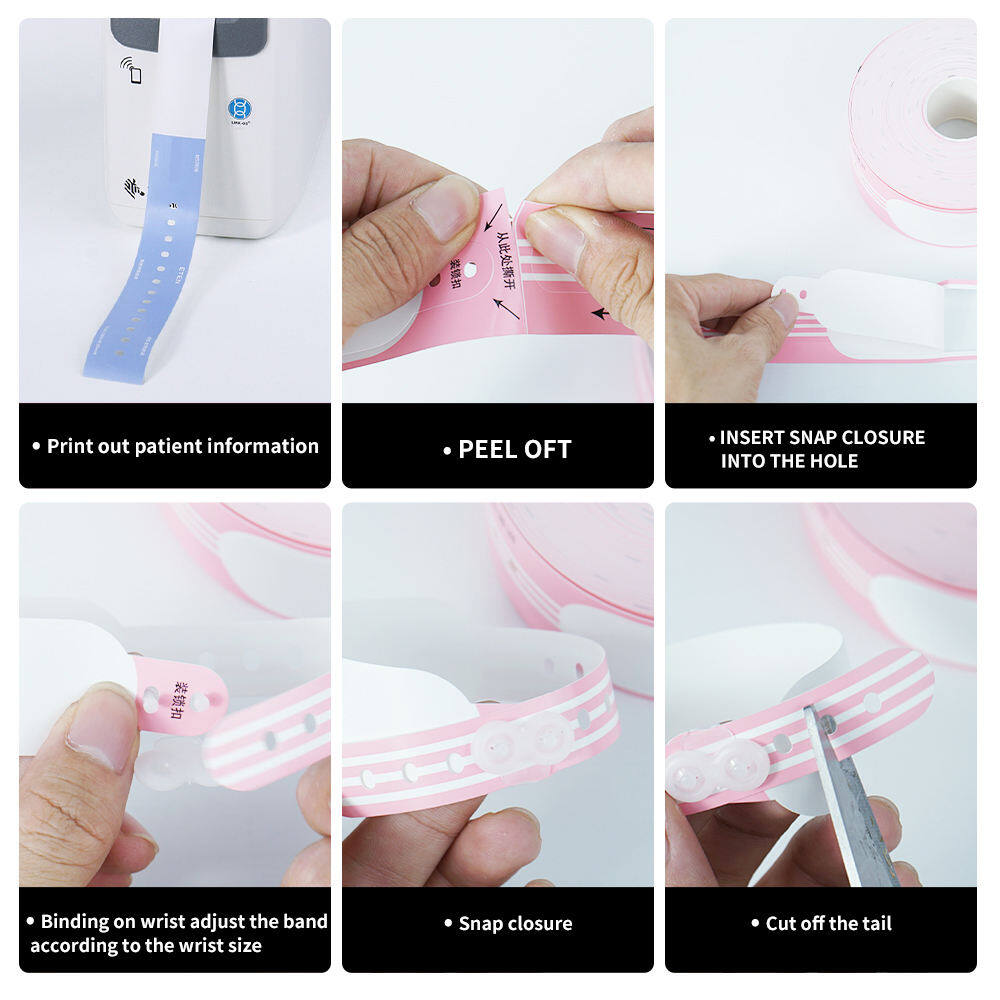
This distinction has practical implications. TJC does not mandate the use of wristbands. An organization could, in theory, comply with the two-identifier requirement through other means. However, when wristbands are used as a means of conveying patient identification information, the band must be attached to the patient at all times. Placing the band on the bedside table, taping it to the bed rail, or leaving it in a drawer does not satisfy the standard. The band must be on the patient.
The rationale is clear. A wristband that is not worn provides no protection. It cannot be checked at the point of care. It cannot serve as a visual confirmation that the correct patient is receiving the correct intervention. The physical attachment is the mechanism that makes the band useful.
Compliance Points for Wristband Application and Use
While TJC does not prescribe a specific wristband design or material, several compliance expectations flow from the standards.
Verification before application. Before a wristband is applied, the patient's identity must be confirmed using two acceptable identifiers. This means actively asking the patient to state their name and another identifier, not simply reading the band and asking whether it is them. Active verification engages the patient in their own safety and creates a cognitive check that passive confirmation does not.
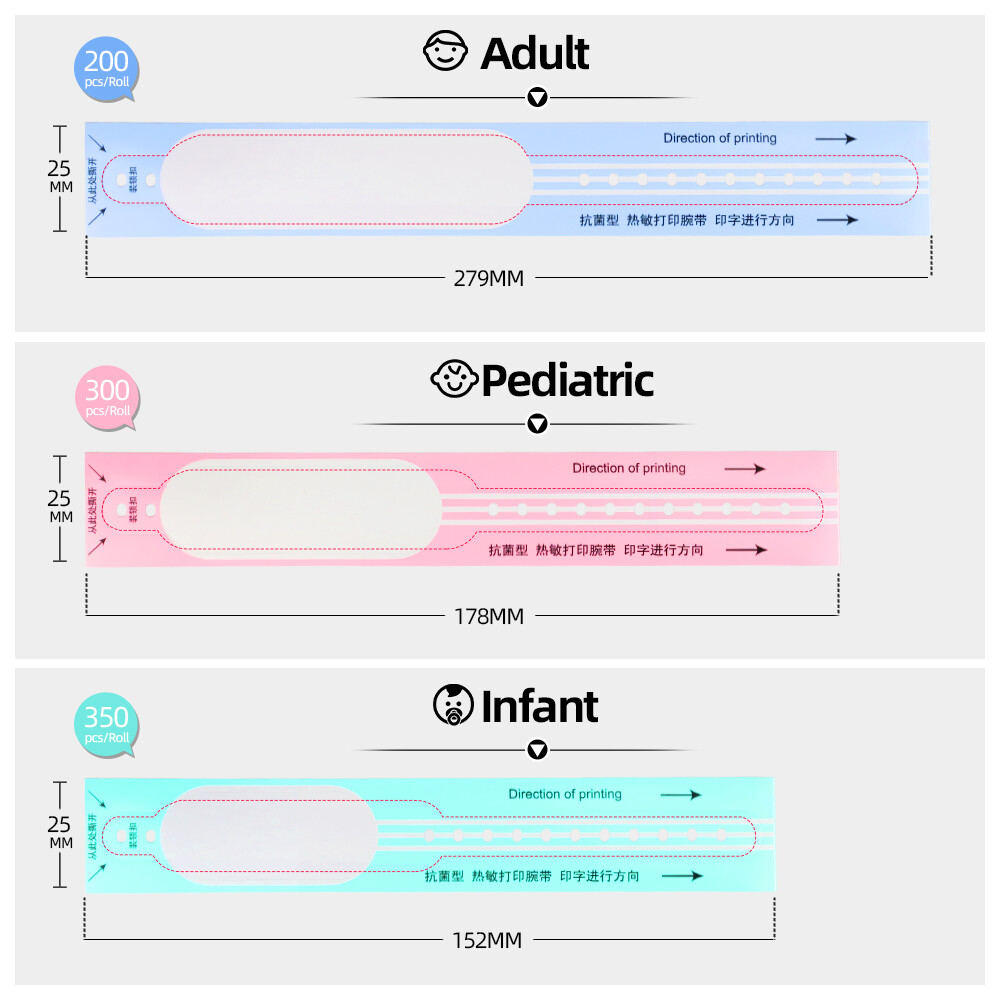
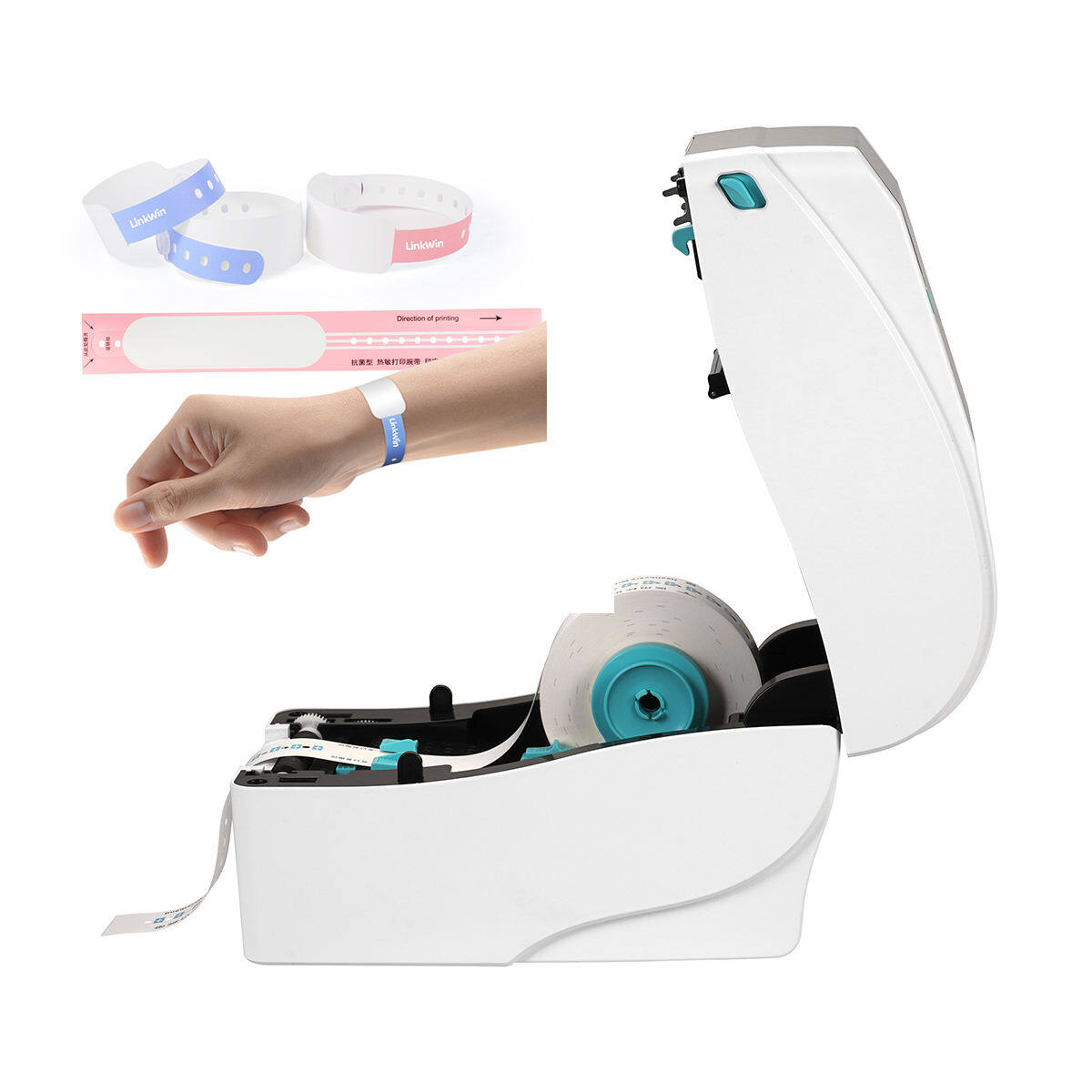
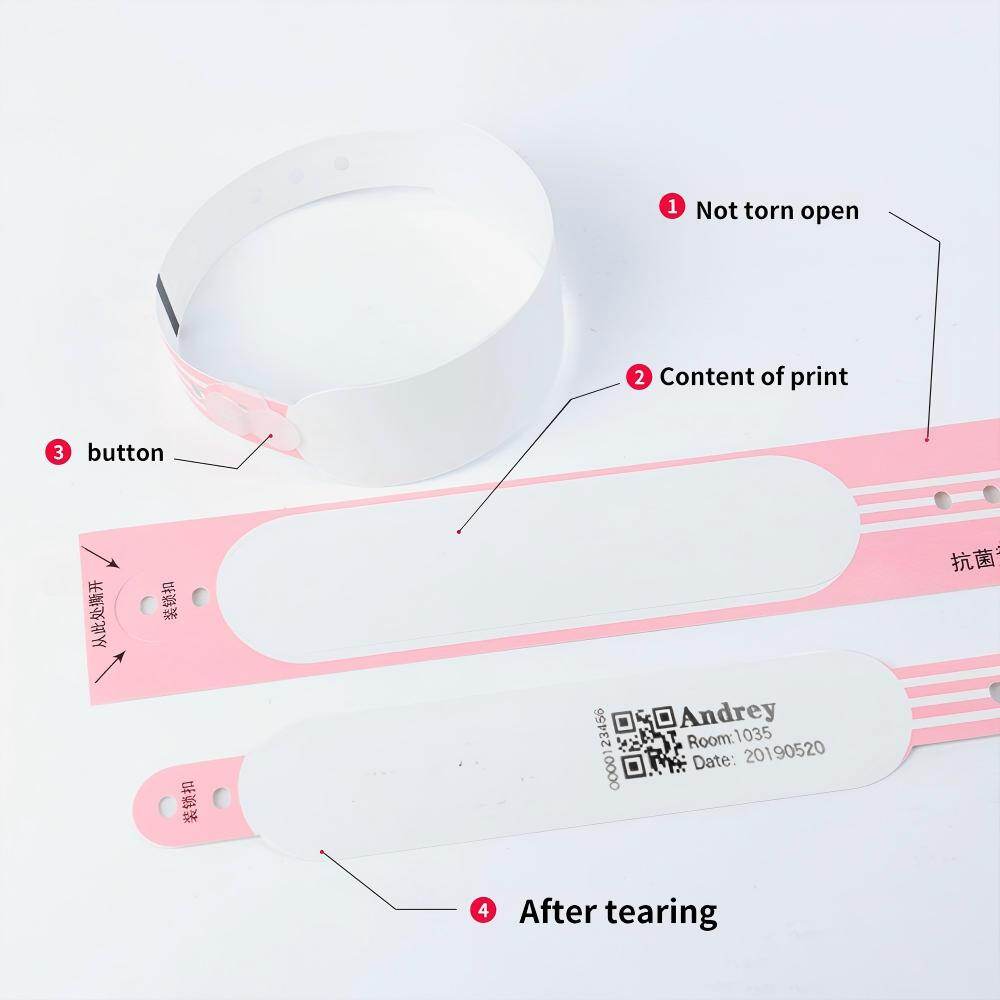
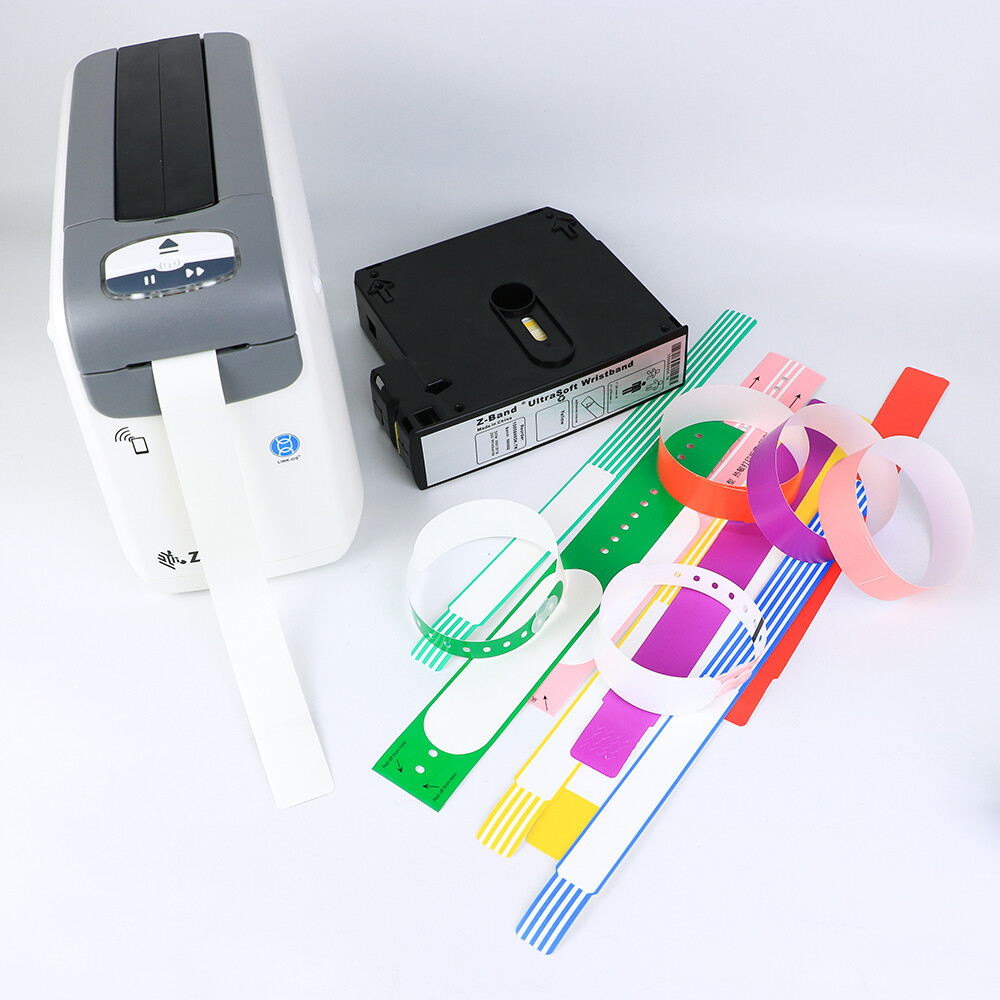
Accuracy of information. The information on the band must match the verified patient identifiers. Laser-printed labels or on-demand printing at the point of admission reduce the risk of transcription errors that can occur with handwritten bands.
Continuous wear. The band must remain on the patient throughout their stay. If a band becomes damaged, illegible, or loose, it should be replaced promptly following the same verification process. Removing a band for comfort or convenience without replacing it creates a gap in identification coverage.
Accessibility for checking. The band should be positioned so that staff can easily read or scan it during care delivery. This does not mean it must be on a specific limb, but it should not be routinely covered by clothing, bedding, or medical devices in a way that discourages checking.
Special Populations: Newborns and Non-Communicative Patients
TJC recognizes that certain patient populations require tailored identification approaches.
Newborns. The standards require organizations to implement practices that prevent misidentification of newborns. The examples provided include a distinct naming system during the initial admission following delivery, standardized banding practices, and communication tools such as visual prompts or alerts. Importantly, the naming convention is not prescriptive—organizations may use any convention that works for them as long as it meets the intent of preventing misidentification.
The newborn naming convention applies only during the initial admission. It does not apply to pediatric, neonatal intensive care, or special care unit settings if the newborn has been re-admitted following discharge and given an official name. For banding, applying identification bands to two limbs is common, but organizations may elect other devices or technologies designed to support accurate identification, provided they consider the risks of the device separating from the infant.
During survey, staff should be able to explain how they handle situations involving name alerts—cases where there may be infants with similar names, twins, or other sources of identification ambiguity.
Non-communicative patients. For individuals who are non-communicative, confused, or otherwise unable to participate in their own identification, TJC allows each organization to determine its own process. However, these expectations must be clearly communicated to staff and should be based on promoting individual safety, not convenience or workflow efficiency. An organization that defaults to a convenient but unreliable method—such as assuming the patient in Bed 12 is the person listed in the census—would not meet the intent of the standard.
Temporary Identifiers and the John Doe Problem
Situations arise where a patient's identity cannot be immediately verified. An injured, unresponsive patient presenting to the emergency department is the classic example. TJC permits the use of a temporary means of identification in these circumstances. A temporary name such as John Doe or an emergency department number may be assigned and used to match against specimen labels, medication orders, and blood product labels.
The critical requirement is that formal identification should occur as soon as possible. Once the patient's identity is confirmed, the permanent identifying information must replace the temporary identification. Organizations must have a defined process for managing this transition and for updating all associated records, labels, and orders.
The use of aliases to protect anonymity presents a related challenge. TJC has no specific standards addressing this practice, but organizations that implement aliases must still use two patient identifiers as defined by policy. The alias itself does not exempt the organization from the two-identifier requirement.
Specimen Labeling: A Common Source of Citations
While not strictly about wristbands, specimen labeling is closely tied to patient identification and is a frequent source of survey findings.
TJC's intent is met when the patient is correctly identified using two identifiers and the containers are labeled with two identifiers in the presence of the patient. The organization's policies should require that the individual collecting the specimen verifies the patient's identity before labeling, and that the labeling occurs while still with the patient.
The practice of pre-labeling blood tubes before seeing the patient and then matching them at the time of collection is not acceptable. This is a critical distinction. Pre-labeling creates a risk that the labeled tube will be associated with the wrong patient if the collection process is interrupted or if multiple tubes are prepared simultaneously. The safe practice is to label at the bedside, after verification, with the patient present.
For urine containers, pre-labeling prior to giving the container to the patient is relatively common and acceptable, provided the individual collecting the specimen verifies identity using two identifiers and labels the container in the patient's presence. If a labeled container is not used because the patient fails to provide a specimen, it must be immediately discarded.
What Surveyors Look For: Common Pitfalls and Findings
Joint Commission surveyors assess compliance through observation, staff interviews, and record review. Several recurring findings emerge from published research and survey experience.
Lack of knowledge about who applies and verifies bands. A study of a Joint Commission International-accredited hospital found that mis-knowledge among staff participants on when, where, and by whom wristbands should be put on and verified was one of the weakest points in the identification process. This is a systems failure, not an individual failure. If staff are unclear about their role in the identification process, the organization has not communicated expectations effectively.
Patients unaware of the wristband's importance. The same study found that patients lacked information about the significance of their wristbands. When patients do not understand why the band matters, they are less likely to question its absence or inaccuracy. They may remove it without realizing the safety implications.
Workarounds and shortcuts. The tendency to bypass verification steps under time pressure is well documented. One hospital's Helping Hippocrates project, which tracked identification band accuracy across all departments, found an initial error rate of 8.2%—including patients with no band and bands with inaccurate information—that declined to zero only after sustained, organization-wide attention. The project's success came from engaging every department and the patients themselves in checking band accuracy, demonstrating that compliance requires continuous reinforcement, not one-time training.
Inconsistency across settings. TJC expects the two identifiers used to be consistent within each setting. An organization where the emergency department uses name and date of birth, the inpatient unit uses name and medical record number, and the outpatient clinic uses name and telephone number creates confusion and increases the risk of error when patients move between settings.
Practical Steps for Compliance and Improvement
Organizations seeking to strengthen their wristband practices and prepare for TJC survey can take several concrete actions.
Write clear policies that reflect TJC's intent. The policy should specify which two identifiers are used in each setting, who is responsible for applying and verifying bands, what to do when a band is missing or damaged, and how special populations are handled. The policy should be developed with input from frontline staff and shared with them.
Train continuously, not annually. A one-time orientation module on patient identification is insufficient. The study of the Turkish hospital concluded that both patients and personnel need continuous training to maintain awareness of the importance of wristbands and the identification process. Brief, frequent reinforcements—at staff meetings, in huddles, through case discussions of near-misses—are more effective than annual competency assessments.
Audit and feed back. Regular observation of band presence, accuracy, and verification practices provides data for improvement. The Helping Hippocrates project demonstrated that sustained attention to identification band accuracy can reduce error rates to zero and keep them there.
Engage patients as partners. Patients can be taught to check their own wristband and to ask staff to verify it before procedures or medications. This transforms the patient from a passive recipient of care into an active participant in their own safety.
Ensure survey readiness is continuous. Surveyors will ask staff to describe their identification process, observe whether bands are present and accurate, and review documentation. If the practices are embedded in daily workflow, survey preparation becomes an ongoing state rather than a last-minute scramble. Stocking the right sizes in advance—bariatric patient wristbands, extended-length wristbands, and newborn ankle bands among them—keeps patient identification accuracy intact during surges and keeps documentation aligned with external benchmarks such as CAP Q-Probes.
Conclusion
The Joint Commission's patient identification standards are not bureaucratic obstacles. They represent decades of accumulated evidence about how identification fails and what it takes to make it reliable. The wristband is a tool—useful when used correctly, ineffective when treated as a formality.
The standards themselves are relatively simple: two identifiers, no room numbers, bands worn at all times, verification before application, special processes for newborns and non-communicative patients, and specimen labeling in the patient's presence. The complexity lies in execution. Organizations that succeed are those that embed verification into workflow, train continuously, audit their own performance, and treat every wristband check as a safety-critical action rather than a routine task.
For healthcare organizations preparing for survey or simply seeking to improve, the path forward is clear. Understand the requirements, design systems that make compliance easy, and never let convenience undermine the fundamental principle that every patient deserves to be correctly identified.
Continue Reading
Have Questions About Wristbands?
Our team is ready to help you find the perfect wristband solution for your needs. Contact us directly on WhatsApp for quick responses.
Contact on WhatsApp