
Wristbands in Behavioral Health Units: Balancing Safety, Privacy, and Identification
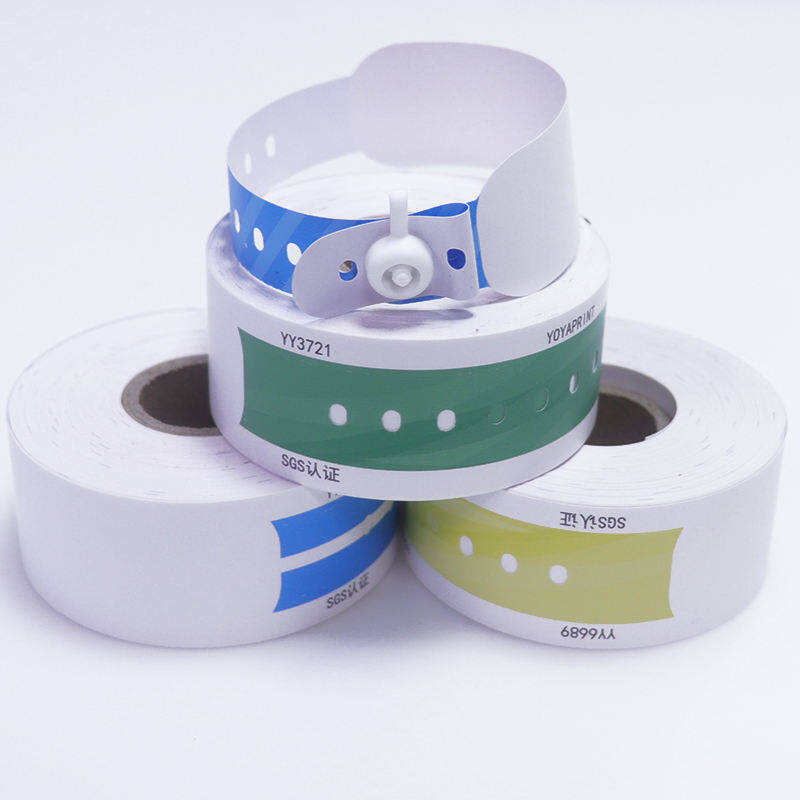
Patient identification wristbands are a universal safety tool in modern healthcare, but their role in behavioral health units is fundamentally different from their function in general medical or surgical settings. On a medical floor, a wristband is primarily an information carrier—a scannable barcode that links the patient to the electronic health record and ensures correct medication administration. On a psychiatric unit, the same wristband becomes a multi-purpose instrument that must simultaneously serve as an identification anchor, a safety device, and a potential vector for self-harm or privacy breach.
The stakes are uniquely high. Research indicates that up to 40% of mental health inpatients exhibit violent or assaultive behavior, and self-harm rates remain a persistent concern in inpatient psychiatric settings. A 2012 survey reported that psychiatric inpatient suicides account for a significant portion of the more than 35,000 annual suicides in the United States, with recent reports indicating rising numbers. Standard fifteen-minute manual checks, while widely implemented, have been shown to be imperfect—studies of 15,000 inpatient suicides found that a substantial proportion of attempts occurred while patients were under intermittent or constant observation.
This clinical reality creates a design paradox for behavioral health wristbands. The band must be secure enough to resist deliberate removal by a patient who may be confused, agitated, or actively suicidal. Yet it must also avoid introducing new risks—a wristband that can be fashioned into a ligature, that contains removable metal components, or that can be used to scratch or cut represents a hazard rather than a safeguard. The band must carry sufficient identification information for clinical verification, yet protect patient privacy in an environment where confidentiality carries exceptional weight. It must be durable enough to withstand the wear and tear of extended inpatient stays, yet comfortable enough that it does not become a source of agitation or a target for removal.
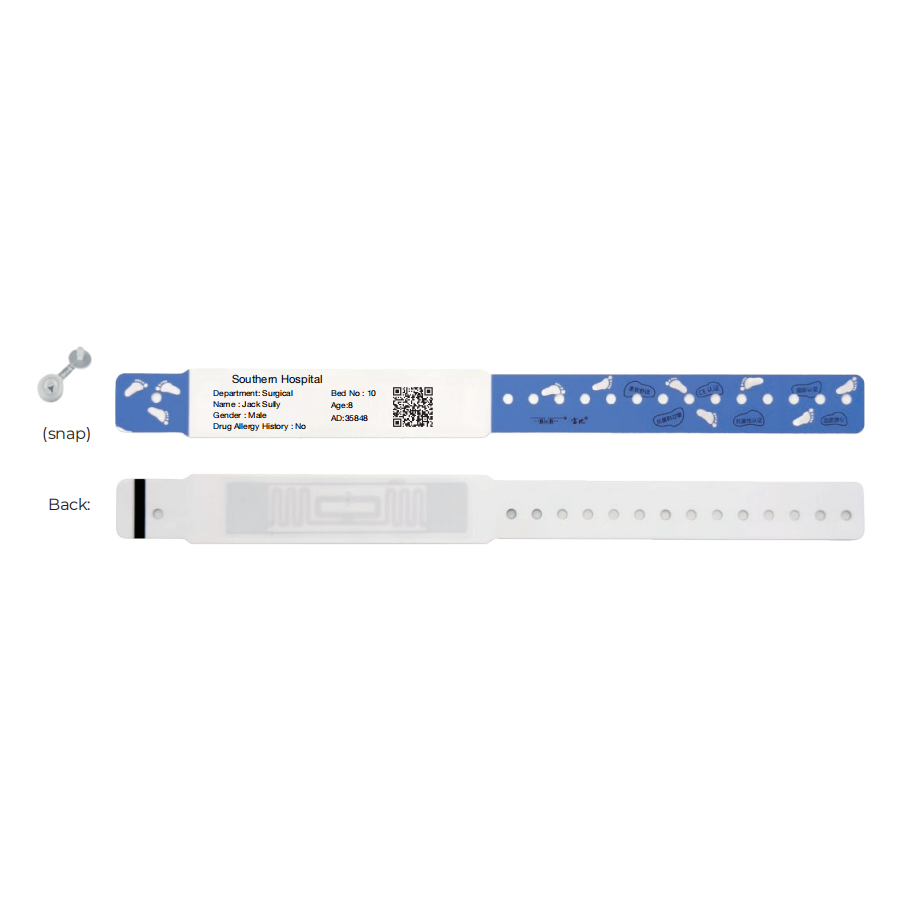
These competing demands have driven the development of specialized wristband designs for psychiatric and behavioral health settings. Understanding how adhesive, clip, and locking closures perform under these conditions—and how pediatric wristband challenges intersect with behavioral health considerations—is essential for clinicians, administrators, and product designers alike.
The Self-Harm Risk: Why Standard Wristbands Are Not Enough
The most immediate safety consideration in behavioral health wristband design is the potential for the band itself to be weaponized. In an inpatient psychiatric environment, any object on a patient's person must be evaluated for its potential to cause harm. A standard medical wristband, with its flexible plastic strap and snap closure, appears innocuous. But to a determined patient, the strap can be chewed through, the closure mechanism can be broken apart, and the resulting pieces can be used for self-injury.
The wristband strap itself presents a specific concern. A plastic strap of sufficient length and tensile strength can be looped and tightened, creating a ligature risk. This is not a hypothetical concern. Ligature risk assessments in psychiatric facilities routinely identify wristbands as potential anchor points, and the Joint Commission and other accrediting bodies have issued guidance on eliminating or mitigating ligature risks in behavioral health settings. The ideal behavioral health wristband is one that cannot be used to create a ligature—either because it is designed to break away under excessive tension, or because the strap material and closure mechanism are engineered to make ligature formation impractical.
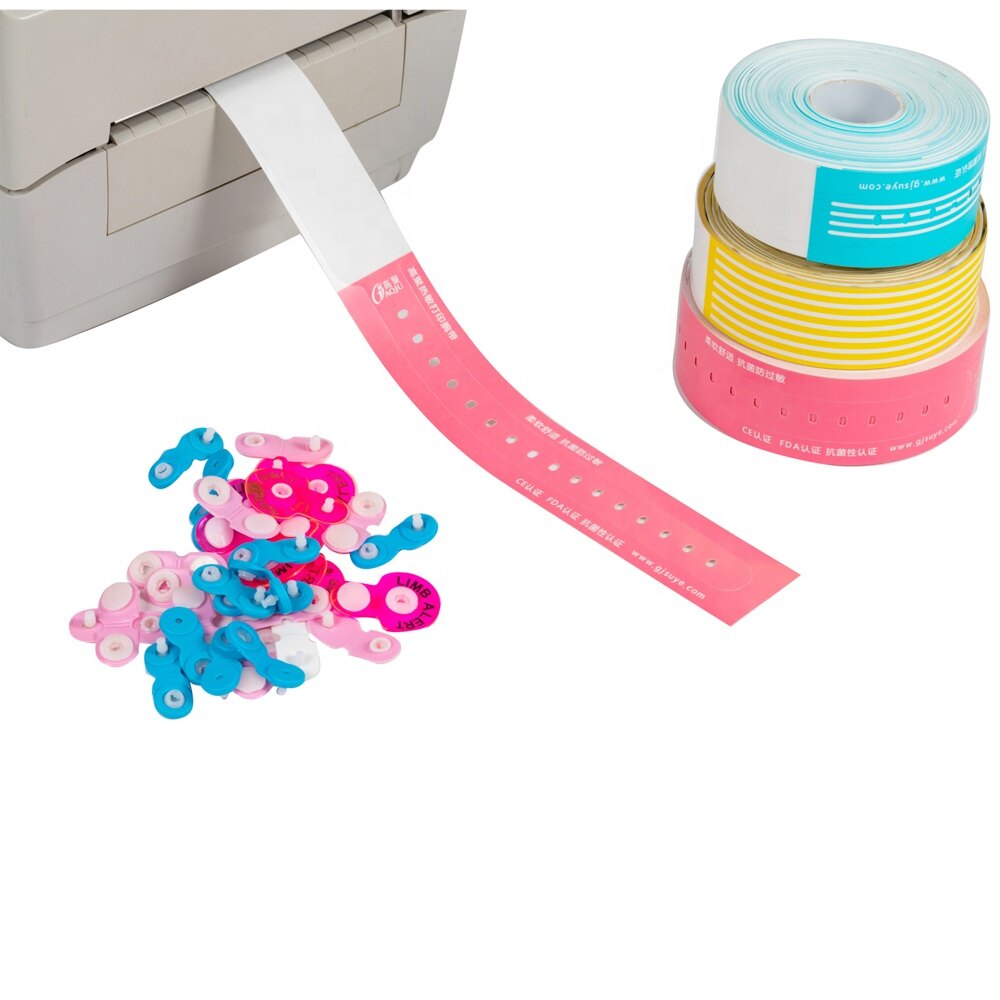
The closure mechanism is equally critical. A standard snap closure, which can be opened by hand, provides no security against a patient who understands how it works. A locking closure that can only be removed by cutting is more secure, but introduces a different risk: if the patient can access a cutting tool, the band can be removed, and the cut strap becomes a potential ligature. The clasp mechanism itself, if it contains metal components, can be removed and improvised into a weapon or a cutting tool.
Patent literature in this space explicitly addresses the need for tamper-resistant wristbands designed for psychiatric hospitals and correctional facilities. One such design describes a one-time-use clasp that cannot be opened with basic or improvised tools, constructed largely or entirely from non-metallic materials to address the restriction on metal components in inpatient psychiatric settings due to the potential for improvised weaponization or self-harm. The wristband can only be removed by cutting, which serves both as a security feature and as a clear indication of unauthorized removal.
The Privacy Dimension: Balancing Identification and Confidentiality
Behavioral health patients have heightened privacy concerns compared to general medical patients. A wristband visible in a waiting area, during transport through public corridors, or during a visit from family members can disclose the patient's status as a psychiatric inpatient and potentially reveal diagnosis, medication information, or other sensitive data. For patients who have not disclosed their treatment to employers, family members, or social contacts, this disclosure can have significant personal and professional consequences.
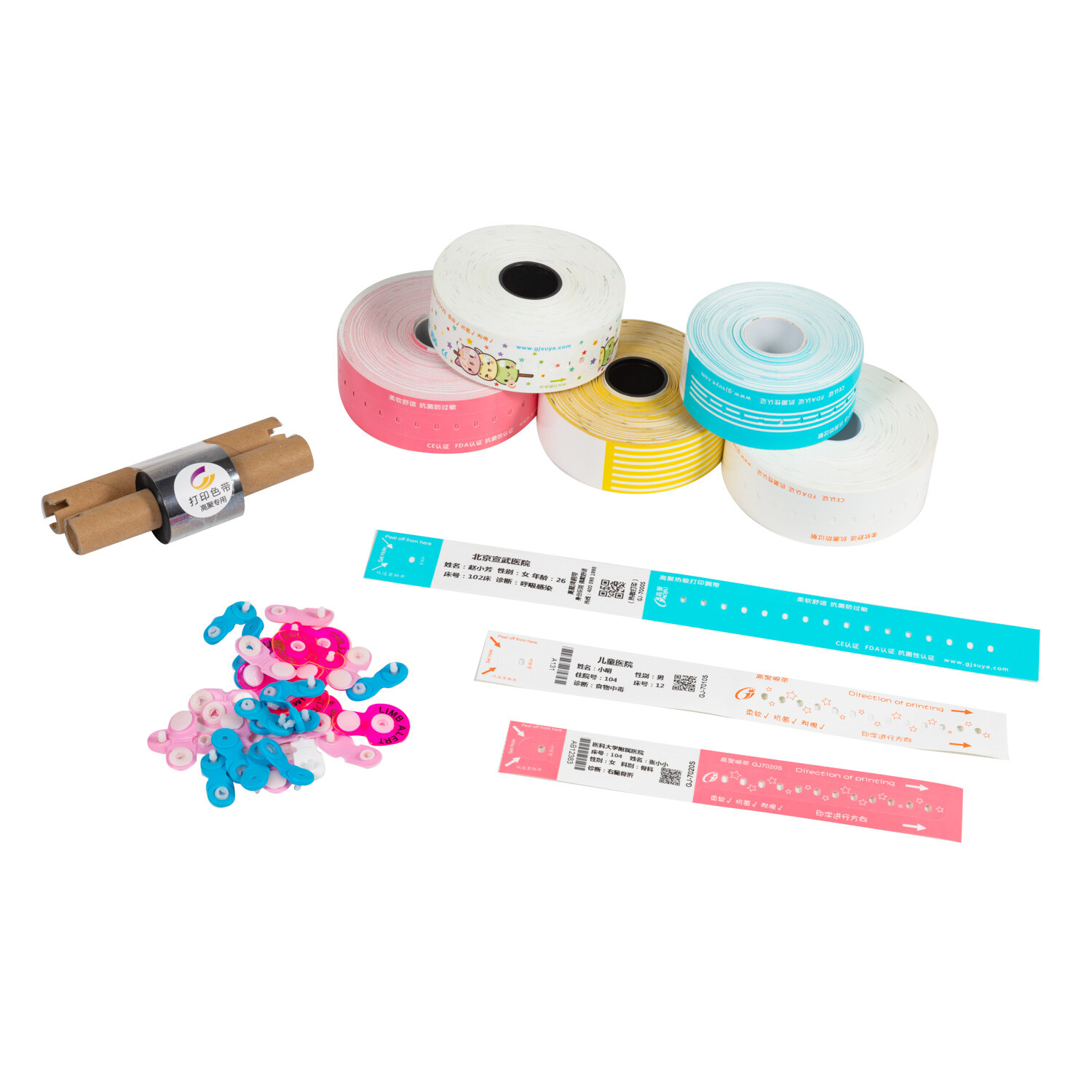
The privacy challenge extends beyond the wristband's visibility. What information is printed on the band, and how it is encoded, matters. A band that displays the patient's full name, diagnosis code, and treating psychiatrist's name in human-readable text broadcasts sensitive information to anyone who glances at it. A band that carries only a unique identifier, with all clinical information accessible only through a secure electronic health record system, offers a higher degree of privacy protection.
This principle is reflected in emerging standards for electronic wristbands. Recent guidance on patient identification systems specifies that electronic wristbands should store only treatment-related information necessary for identification and safety, and explicitly prohibit storage of sensitive data such as insurance account passwords or family member privacy information. All information access should be subject to healthcare provider permission verification.
For behavioral health settings, the privacy calculus also involves the patient's own psychological comfort. A wristband that feels stigmatizing—that clearly marks the wearer as a psychiatric patient—can be a source of distress and resistance. A more discreet design, one that resembles a general medical wristband or that carries minimal identifying information, may improve compliance by reducing the patient's perception of being labeled.
Tamper Resistance in the Behavioral Health Context
The need for tamper-resistant wristbands in psychiatric settings is well established, but the specific requirements differ from those in other secure environments. In a correctional facility, the priority is preventing removal and ensuring identification tracking. In a psychiatric hospital, the priority is preventing removal while simultaneously eliminating ligature risk and avoiding metal components.

Patent designs for tamper-resistant wristbands explicitly target this dual requirement. The clasp mechanism described in one patent involves a two-part locking system with non-retractable spring slides that engage permanently once closed, constructed without metal components. The wristband can only be removed destructively—meaning it must be cut off—which provides clear evidence of unauthorized removal and prevents the patient from simply discarding the band and evading identification.
The material choice is not incidental. A wristband made entirely of plastic or non-metallic materials eliminates the risk that a patient can remove a metal component and use it for self-harm or to fashion a weapon. This is particularly important in psychiatric settings where patients may be creative in their use of everyday objects. The strap material itself must also be evaluated for ligature potential: a narrow, flexible strap that can be looped is more dangerous than a wider, stiffer band that resists tight looping.
The locking mechanism must also be resistant to tampering without tools. A design that can be opened with a fingernail, a spoon handle, or a piece of plastic from a food tray provides no real security. The clasp must require deliberate cutting with scissors or a similar tool, and ideally should be constructed so that the cut ends do not themselves become weapons.
Pediatric Behavioral Health: A Compounding Challenge
The pediatric behavioral health population presents a convergence of challenges from both the pediatric and psychiatric domains. Children and adolescents in inpatient psychiatric care are subject to the same developmental, behavioral, and anatomical factors that make pediatric wristbands prone to failure—small limb circumferences, tactile exploration, frequent bathing, and moisture exposure. They are also subject to the safety and security requirements of the psychiatric environment.
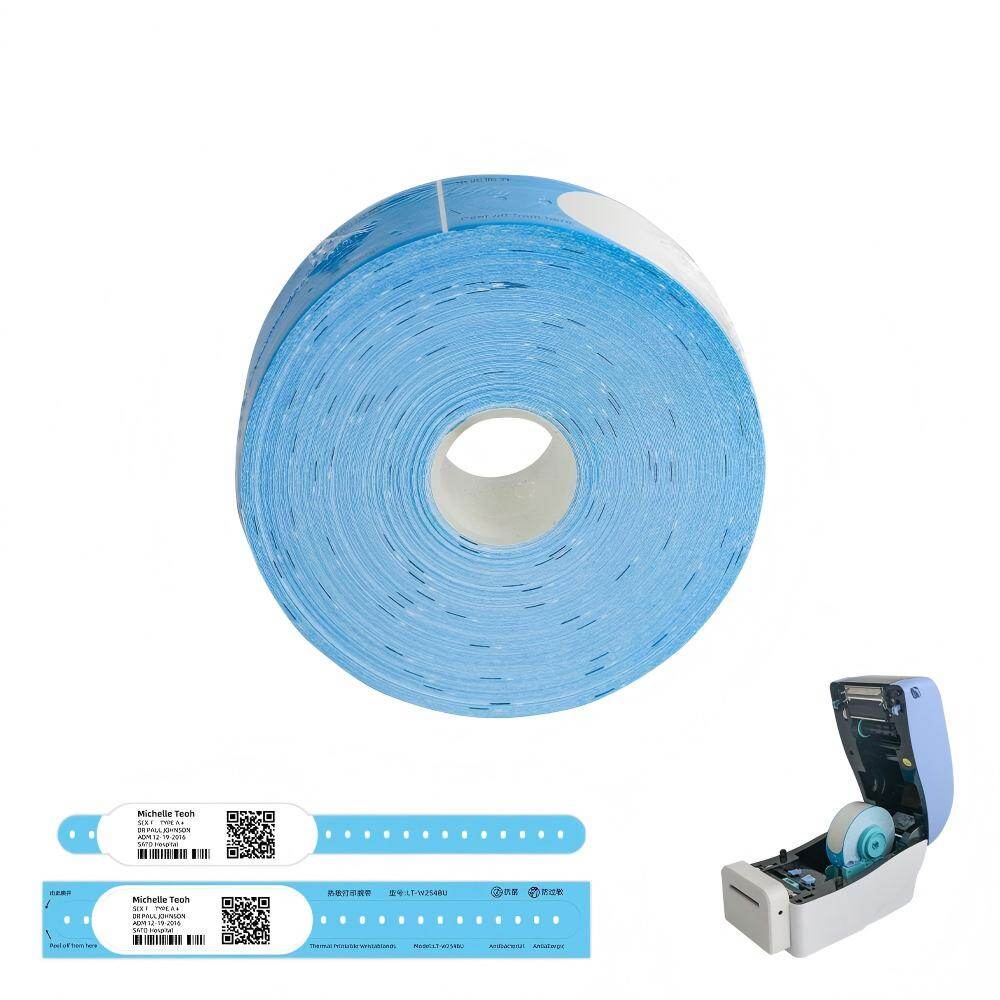
Research on pediatric wristband compliance reveals a stark age gradient. A study of 260 hospitalized children found non-wearing rates of 41% for infants under one year, 37% for ages one to three, 17% for ages four to seven, and just 5% for children over seven. While this study focused on general pediatric patients rather than psychiatric inpatients, the findings suggest that the youngest patients—who are less likely to be admitted to psychiatric units but may be present in pediatric behavioral health settings—are most at risk of wristband loss.
Adolescent psychiatric patients present a different profile. A feasibility study of wearable physiological monitors for suicidal adolescent inpatients recruited participants aged 12 to 19 from an urban inpatient psychiatry unit. The study used wrist-worn devices and required participants to have at least one wrist with unbroken skin where the wristband could be placed—a basic requirement that underscores the vulnerability of this population to self-harm and the need for careful attention to anything worn on the wrist.
For pediatric behavioral health patients, the wristband must satisfy the same tamper-resistance and non-ligature requirements as adult psychiatric bands, but with additional attention to size, comfort, and developmental appropriateness. A locking mechanism that is appropriate for an adult may be too bulky for a child's wrist. A strap that is secure against an adult's attempts at removal may be unnecessarily restrictive for a child who is not at risk of deliberate tampering. The design must be matched to the developmental stage, cognitive capacity, and specific risk profile of the individual patient.
Comparing Closure Mechanisms in Behavioral Health Settings
Adhesive Closures
Adhesive wristbands offer the advantage of a low profile and minimal hardware. There is no closure mechanism to break apart, no metal components, and no rigid plastic that could be used as a tool. The band conforms closely to the wrist, reducing the potential for it to catch on objects or be used as an anchor point. For patients who are not actively attempting to remove their band, adhesive closures can provide adequate security with maximal comfort and minimal risk.
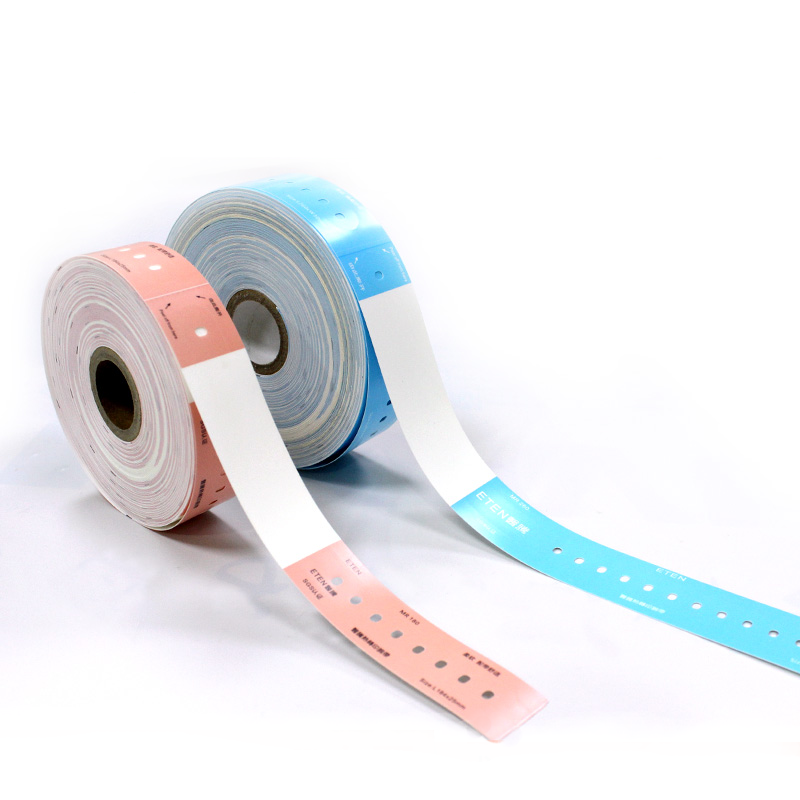
The primary limitation of adhesive closures in behavioral health settings is their vulnerability to deliberate removal. A patient determined to remove the band can peel it off, particularly if the adhesive has been compromised by moisture. The process of removal may be slow and require persistence, but it does not require tools or exceptional strength. For patients at risk of self-harm or elopement, an adhesive closure may not provide sufficient security.
Adhesive bands are also vulnerable to the same failure modes as in general pediatric settings: moisture degradation, edge lifting, and barcode illegibility. In a psychiatric unit where patients may have limited access to replacement bands, and where a missing band may not be immediately noticed, these failures can persist for extended periods.
Clip and Snap Closures
Clip and snap closures are familiar and easy to apply, but they offer minimal security against deliberate removal. A patient who understands the mechanism can open it without difficulty. For this reason, standard snap closures are generally inappropriate for behavioral health patients who are at risk of removing their wristband or who require secure identification for safety reasons.
Some pediatric wristband designs attempt to improve security by using multiple snap rings or a more complex engagement mechanism. One patented design describes a fixed buckle with first and second snap rings that engage in corresponding annular grooves, making the band firmly fixed after being buckled and not easy to be torn off easily by patients, suitable for patients with poor compliance. The design explicitly addresses the problem of patients with mental disorders or elderly patients who may pull off simpler wristbands.
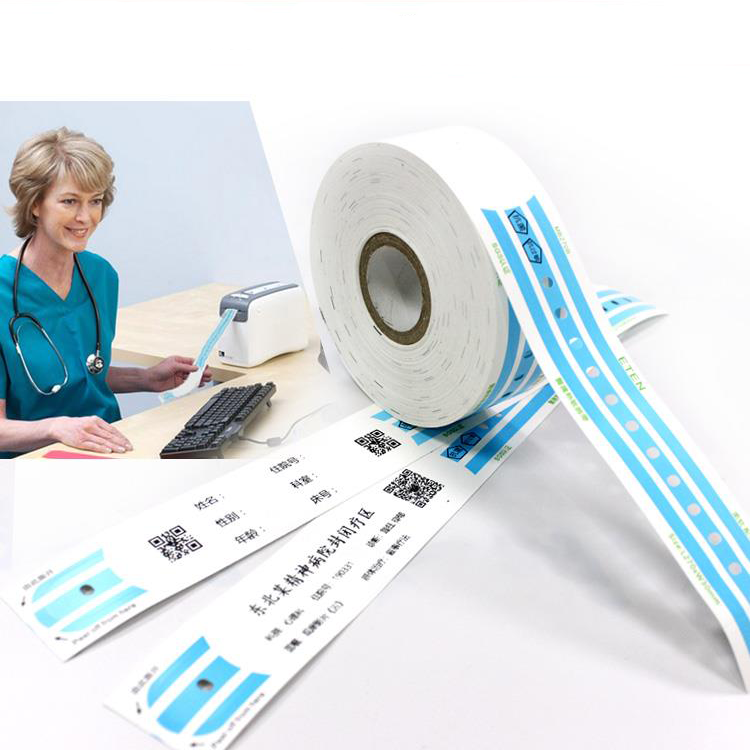
However, even improved snap closures have inherent limitations. They are reversible by design, meaning that a patient who learns how to open them can remove the band. They may also introduce small components that could be detached and used for self-harm. For behavioral health settings where the highest level of security is required, locking closures are generally preferred.
Locking Mechanisms
Locking closures provide the highest level of security against unauthorized removal. A properly designed locking wristband cannot be opened without cutting, which means that a patient cannot remove the band and either discard it or use it for self-harm. The requirement for cutting also provides clear evidence when a band has been removed, alerting staff to a potential safety concern.
The challenge with locking closures in behavioral health settings is ensuring that the locking mechanism itself does not introduce new risks. The clasp must be constructed from non-metallic materials to prevent improvised weaponization. It must be designed to resist tampering with basic tools or improvised implements. And it must not create pressure points or discomfort that could become a source of agitation.
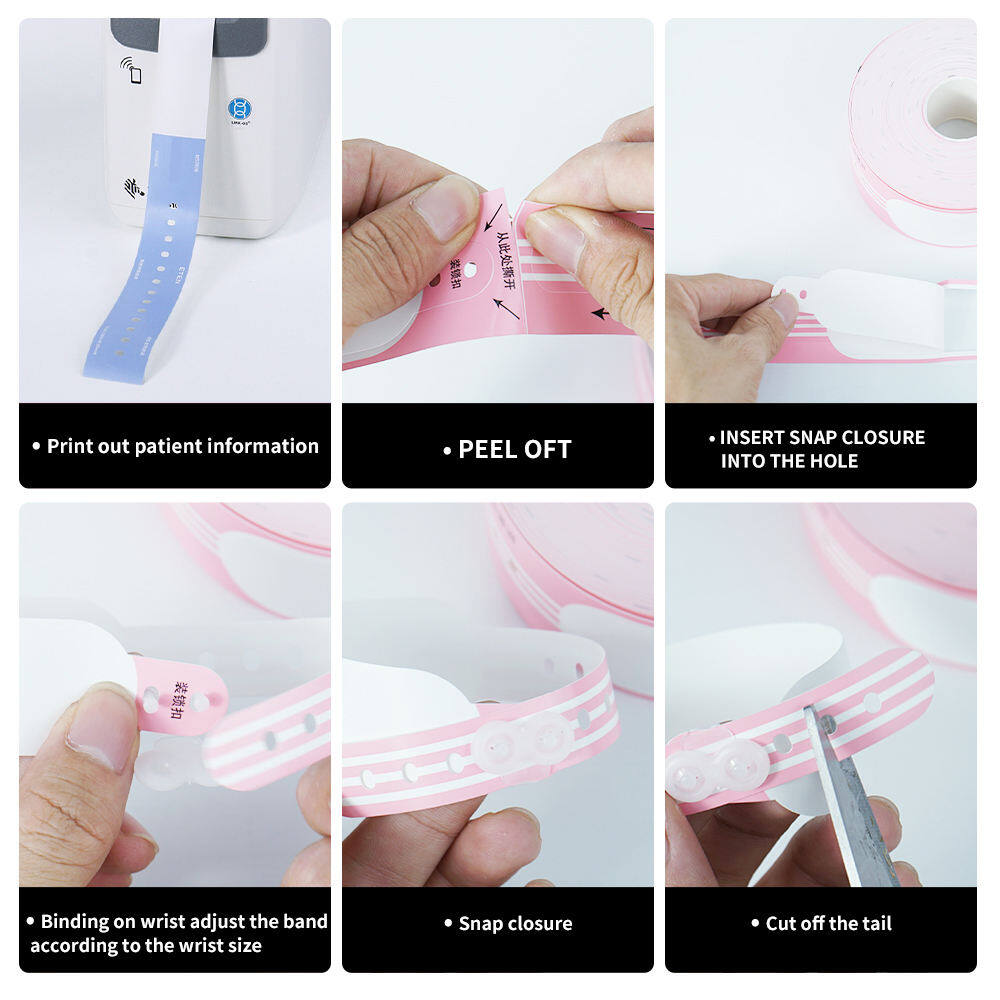
Cutting the band for removal introduces a practical consideration: the cut ends of the strap may be sharp or may be usable as a tool. Staff should use appropriate cutting tools and ensure that removed bands are disposed of securely. The patient should be monitored during and after band removal to ensure that the process does not become an opportunity for self-harm.
Compliance and Clinical Workflow Considerations
A wristband that is perfectly designed for safety and security but that is inconsistently applied or that interferes with clinical workflow will fail in practice. Research on patient identification in psychiatric and pediatric settings consistently shows that compliance is a challenge.
A study of wristband use in a teaching hospital found that the pediatric and psychiatric services had results highly similar to the references available in the literature, which the authors interpreted as reinforcing the need for a review of the stages of identification with the health team, and a raising of the patients' and their family members' awareness regarding the importance of these being alert to this practice. In other words, the problem is not solely one of product design—it is also one of clinical process and patient education.
In behavioral health settings, the wristband must be integrated into the unit's safety protocols. Staff should check wristband presence and integrity at regular intervals, particularly after any period when the patient has been unsupervised or when there has been a change in the patient's clinical status. The wristband should be checked before medication administration, before procedures, and during shift handoffs. A missing or damaged band should trigger immediate replacement with proper verification.
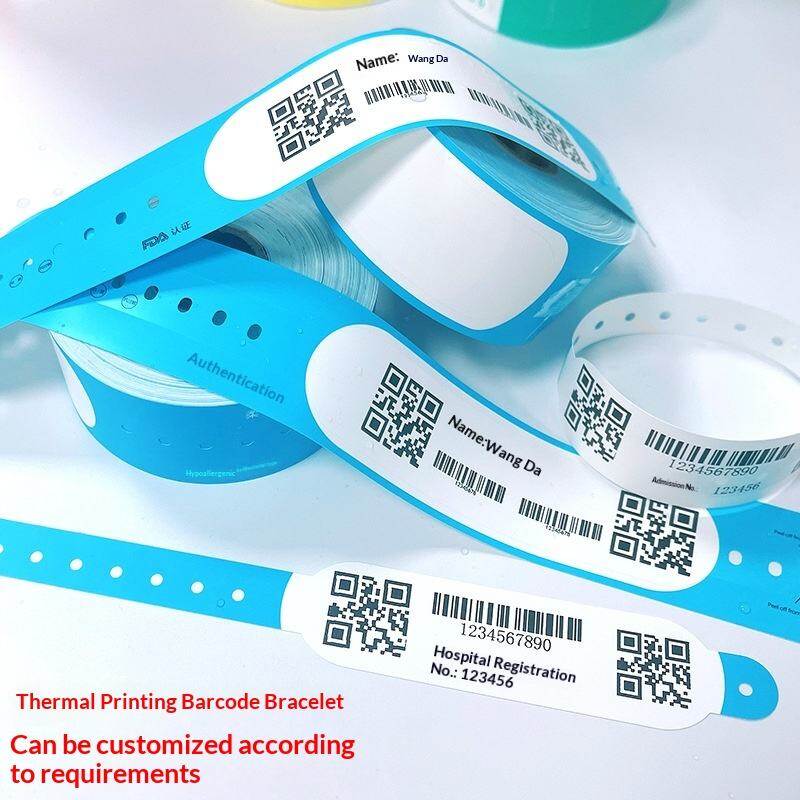
Patient education is equally important. Behavioral health patients may be more resistant to wearing a wristband than general medical patients, particularly if they perceive it as a restriction or a stigmatizing label. Explaining the purpose of the band—that it ensures they receive the correct medication and that it is part of the unit's safety system—can improve cooperation. For pediatric patients, involving parents or guardians in the education process can be helpful, though the psychiatric context may complicate family involvement.
Practical Recommendations for Behavioral Health Wristband Selection
For healthcare organizations selecting wristbands for behavioral health units, several practical considerations emerge from the evidence.
First, prioritize non-metallic construction. The restriction on metal components in psychiatric settings is well established, and wristbands should comply with this restriction. A plastic or composite clasp eliminates the risk of improvised weaponization.
Second, evaluate ligature potential. The strap material, width, and flexibility should be assessed for their potential to form a ligature. A band that breaks away under excessive tension or that resists tight looping is preferable to one that can be easily fashioned into a noose.
Third, match security level to patient risk. Not all behavioral health patients require the same level of tamper resistance. A patient who is cooperative and not at risk of deliberate removal may be adequately served by a standard snap band. A patient who is actively suicidal or who has a history of removing identification bands may require a locking closure. A tiered approach—with different products available for different risk levels—allows for both safety and comfort.
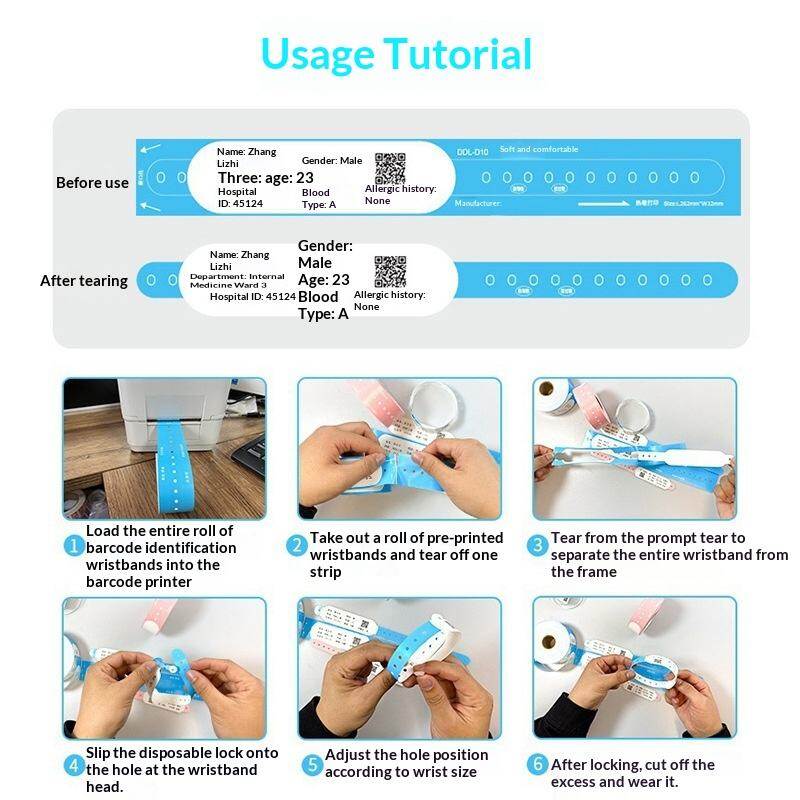
Fourth, consider information privacy. The wristband should carry the minimum information necessary for identification, with sensitive clinical data accessible only through secure electronic systems. Visible text should be limited to what is needed for basic verification.
Fifth, establish clear protocols for band application, inspection, and replacement. A wristband is only as good as the system that supports it. Regular checks, prompt replacement of damaged bands, and clear documentation of band status should be standard practice.
Conclusion
The behavioral health wristband is a deceptively simple object that sits at the intersection of patient safety, privacy, and clinical workflow. In psychiatric and behavioral health settings, the standard medical wristband is inadequate. It must be redesigned to resist tampering without introducing new risks, to protect privacy without sacrificing identification accuracy, and to remain comfortable and functional throughout the patient's stay. The choice between adhesive, clip, and locking closures involves trade-offs between security, safety, comfort, and clinical practicality. For pediatric behavioral health patients, these trade-offs are further complicated by developmental factors and the specific vulnerabilities of children and adolescents in psychiatric care. The evidence points toward a differentiated approach—matching the closure mechanism and wristband design to the specific risk profile and clinical context of each patient population—rather than a one-size-fits-all solution.
Continue Reading
Have Questions About Wristbands?
Our team is ready to help you find the perfect wristband solution for your needs. Contact us directly on WhatsApp for quick responses.
Contact on WhatsApp