
Blog
Industry insights, product guides, and company news from WeIDMed - your trusted wristband manufacturer.
Latest Articles
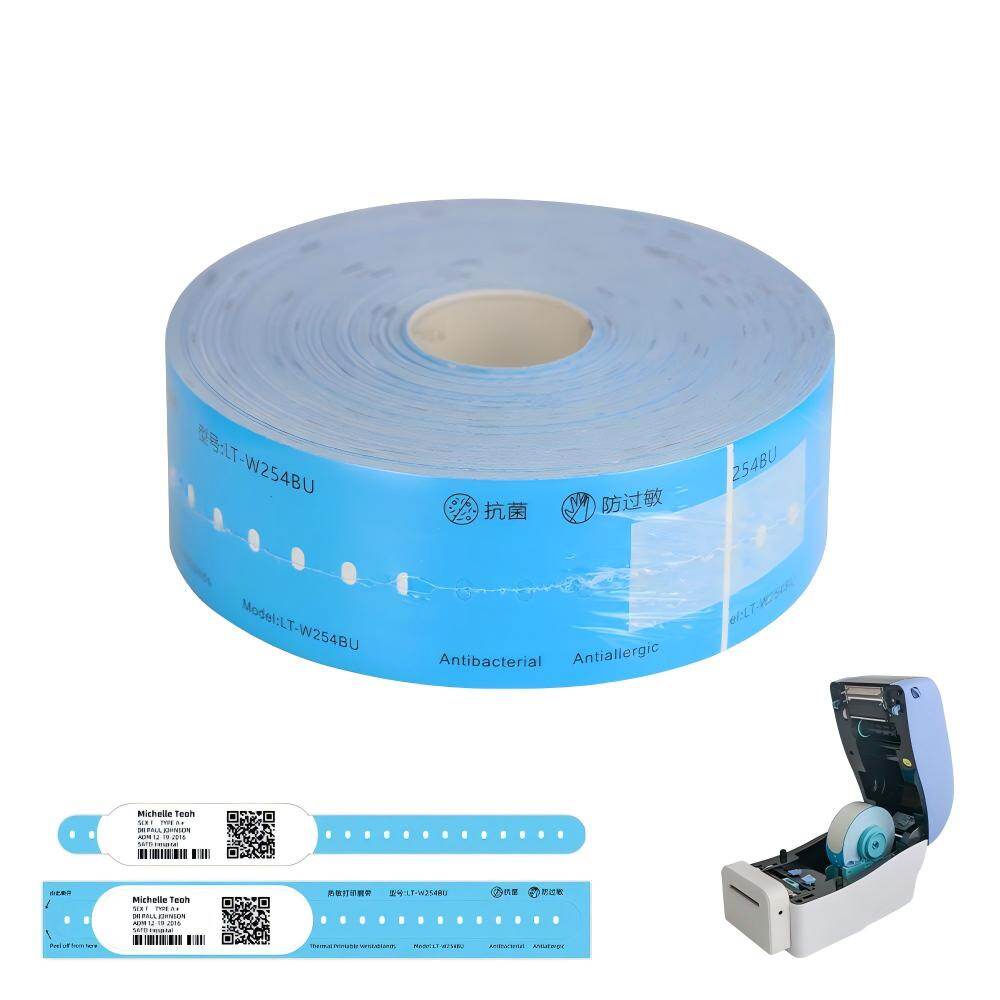
The Joint Commission Patient Identification Standards: What Wristbands Must Comply With
What does The Joint Commission actually require of patient identification wristbands? This guide explains the two-identifier rule, why an armband is a source rather than an identifier, continuous-wear and verification-before-application expectations, newborn and non-communicative patient protocols, temporary John Doe identifiers, specimen labeling in the patient presence, and the survey pitfalls behind citations—plus how correct sizing stock from bariatric patient wristbands to extended-length wristbands and ankle bands supports patient identification accuracy and CAP Q-Probes readiness.
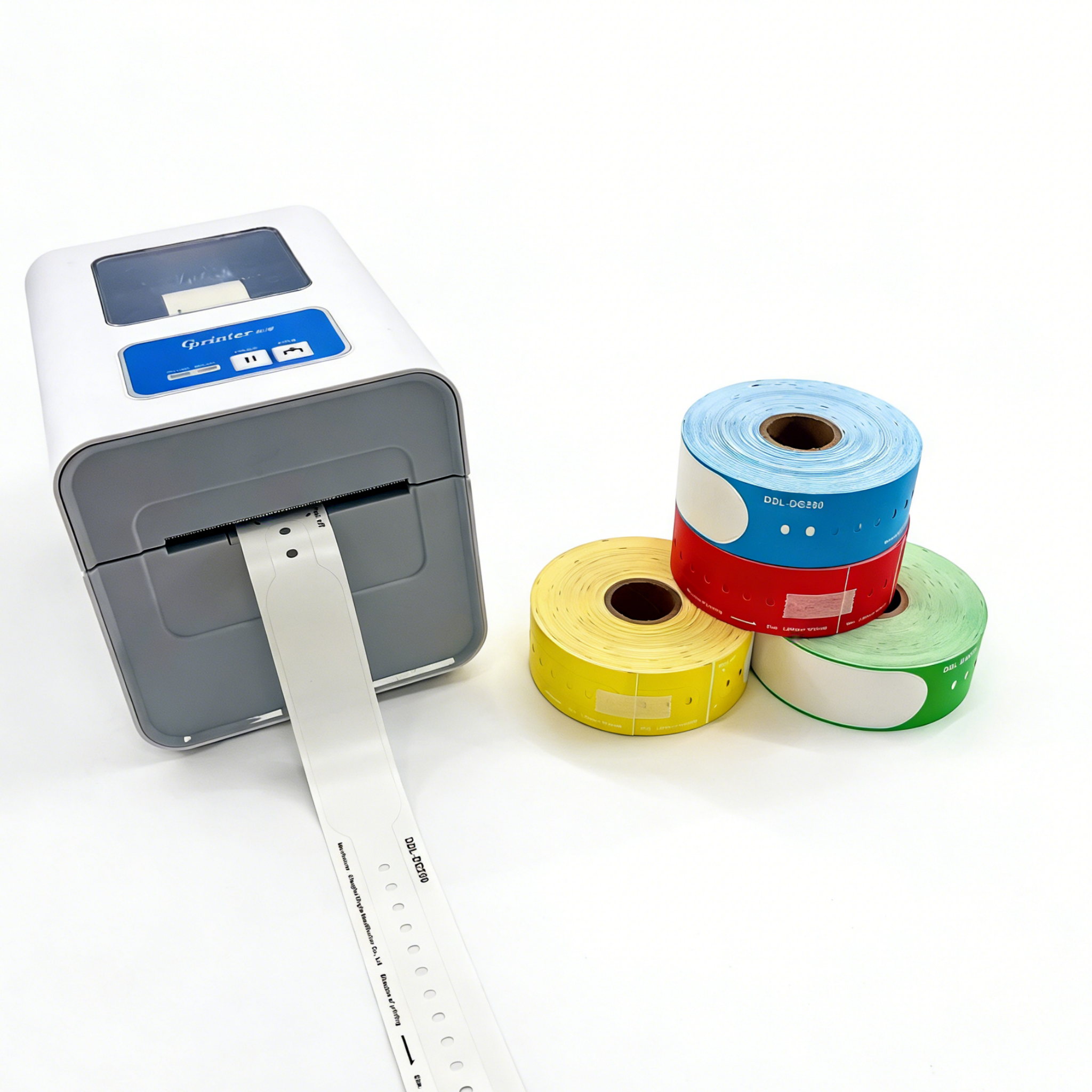
Reducing Wristband Errors at Admission: Workflow Design and Staff Training
Admission is where patient identification accuracy is won or lost. This evidence-based guide analyzes why wristband errors happen—batch printing, interruptions, normalized workarounds, special-population ambiguity, limb placement mistakes—and prescribes workflow redesign plus scenario-based staff training: embedded two-identifier verification, point-of-care printing, clear ownership, audit and feedback, and protocols for newborns, non-communicative patients, bariatric patient wristbands, extended-length wristbands and ankle bands aligned with CAP Q-Probes expectations.
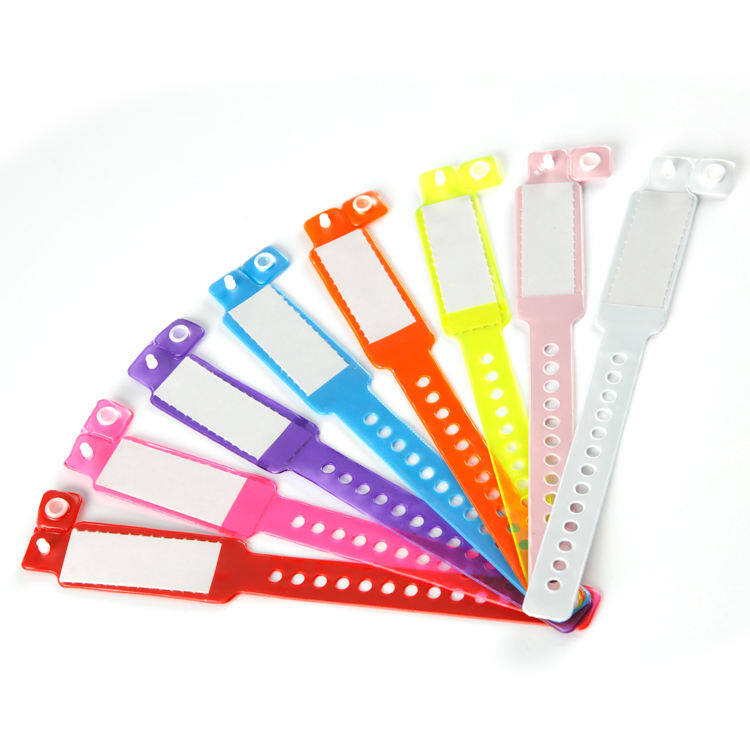
Downtime Procedures for Wristband Printing: What to Do When the System Fails
When wristband printing fails—network outage, printer fault, middleware crash, or stock depletion—patient identification cannot wait. This guide covers failure modes, Joint Commission and NHS GS1 DataMatrix standards, pre-printed emergency inventory strategy, the manual two-identifier verification workflow, handwritten band rules, hybrid printing fallbacks, role assignment, and post-downtime reconciliation.
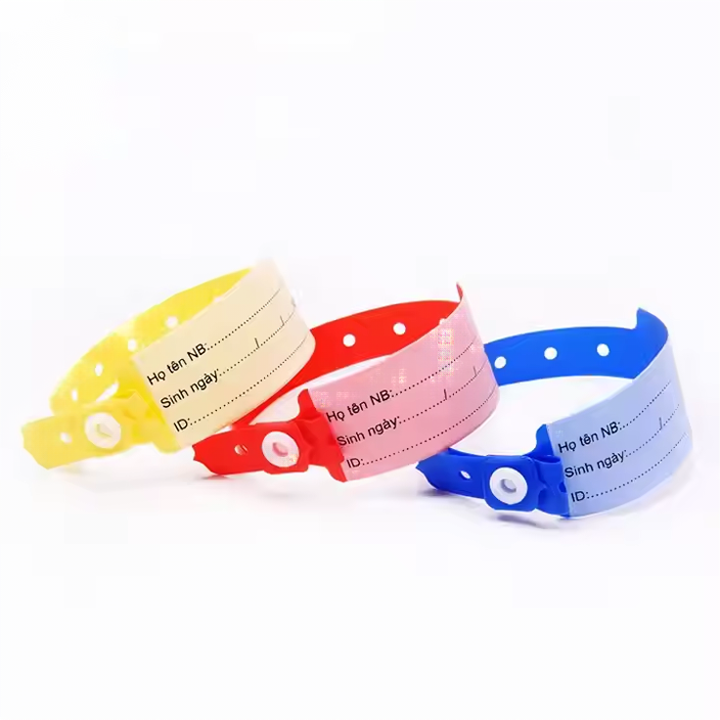
Wristband Scanning at the Bedside: Barcode vs RFID vs NFC Compared
Barcode, RFID, and NFC each change how reliably a bedside wristband verifies the right patient. This practical guide compares scanning speed, patient identification accuracy, total cost, and interference risk across medication administration, blood transfusion, and specimen collection, and offers a decision framework—including hybrid wristband designs—for choosing the right identification technology.
Wristband Printing Integration with EHR: HL7, FHIR, and Workflow Automation
Automated wristband printing integrated with the EHR is a patient safety intervention. This guide explains HL7 v2 ADT triggers and FHIR Patient resources, middleware architecture, GS1 DataMatrix and DCB1077 barcode standards, print trigger patterns from admission to demographic updates, and practical implementation steps that protect patient identification accuracy across inpatient, pediatric, and laboratory workflows.
Wristbands in Behavioral Health Units: Balancing Safety, Privacy, and Identification
Behavioral health units demand a different wristband approach: ligature risk, non-metallic construction, tamper resistance, and patient privacy all constrain design. This guide compares adhesive, clip and snap, and locking closures for psychiatric and pediatric behavioral health settings, and offers practical selection and workflow recommendations for safety, privacy, and reliable patient identification.
All Articles
Color-Coded Wristbands: Standardization Efforts and Common Misunderstandings
How did color-coded wristbands evolve from a safety idea into a standardization challenge? This guide covers the 2005 Pennsylvania near-miss, AHA and FDA color recommendations, persistent misunderstandings and evidence-based practices for safer patient identification.
HIPAA and Patient Wristbands: What Information Can Be Printed on Them?
What information can legally and safely be printed on patient wristbands under HIPAA? A complete guide to the minimum necessary standard, core identifiers, machine-readable data, allergy alerts and privacy-safe wristband practices.
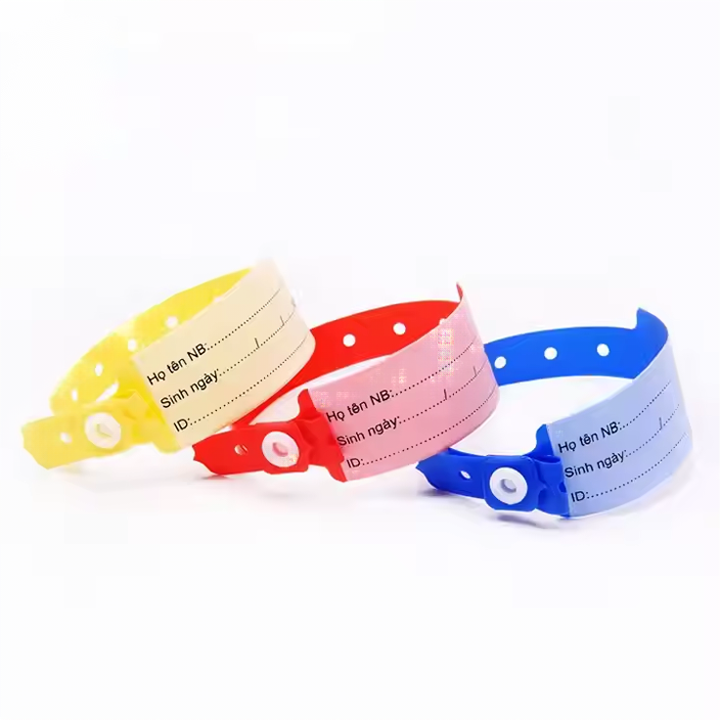
Patient Identification Requirements in JCI and WHO Guidelines: Wristband Checklist
What do JCI and WHO actually require for patient identification? A practical wristband checklist covering two identifiers, room-number exclusion, newborn rules, color-coding warnings, verification and monitoring.
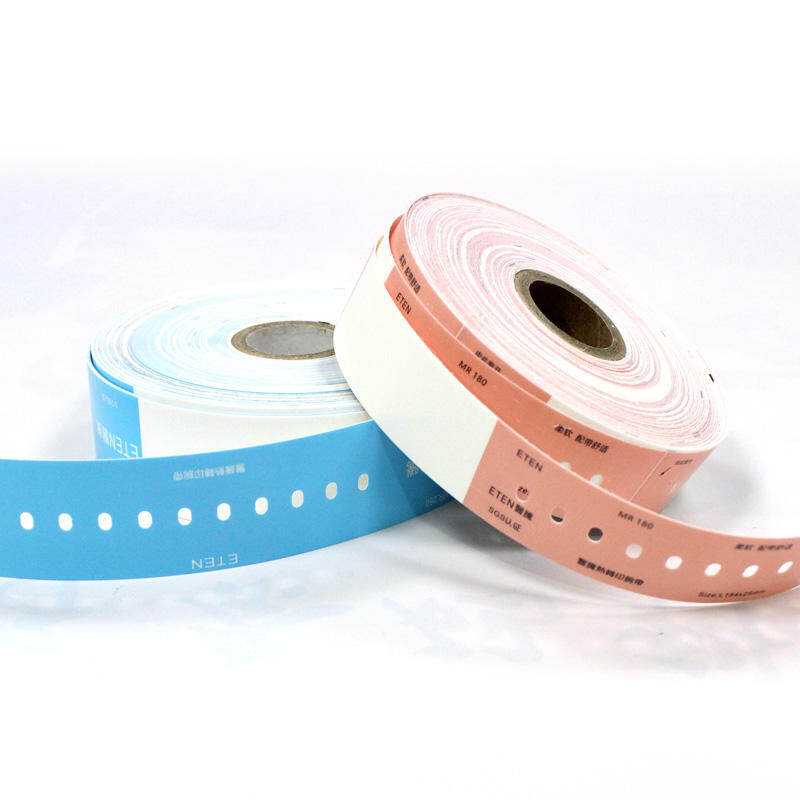
Printing Patient Wristbands at Bedside: Mobile Printer Options and Workflow
Bedside wristband printing moves patient ID to the point of care. Compare mobile printer options, scan-to-print workflows, EHR integration, downtime procedures and implementation best practices for hospitals.
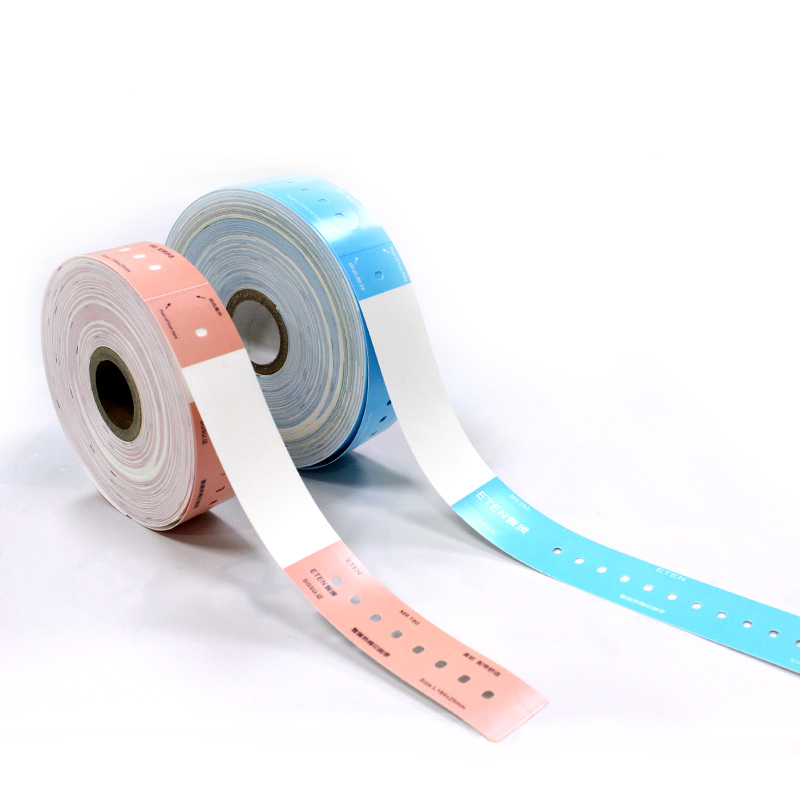
Wristband Adhesive vs Clip Closure: Which Survives ICU Conditions Better?
Adhesive or clip closure for ICU patient wristbands? Compare moisture resistance, chemical exposure, edema adjustment, skin safety and cost to choose the closure that survives ICU conditions.
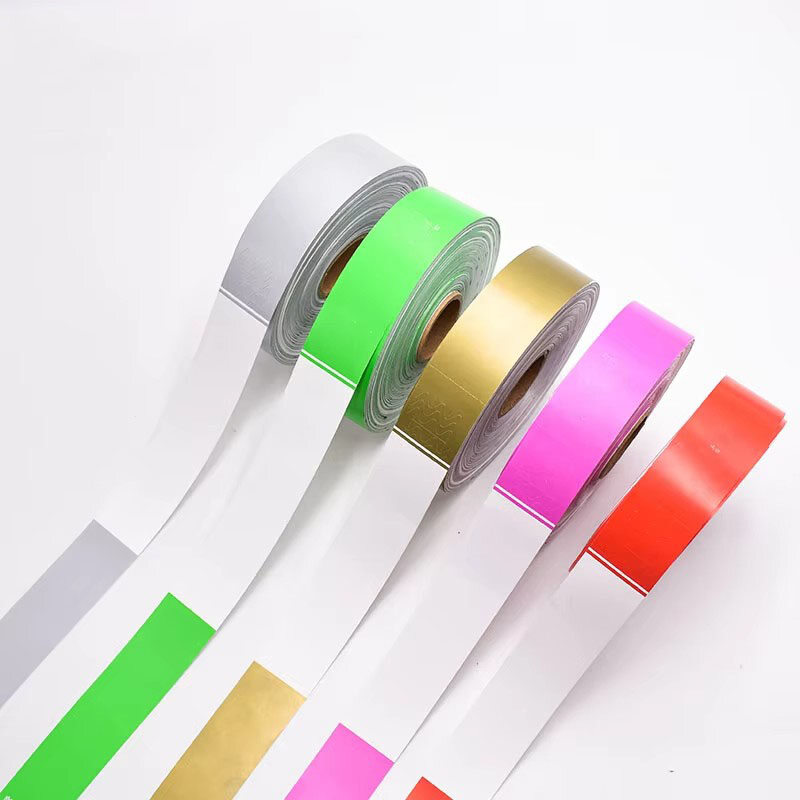
Can You Autoclave or Sterilize Patient Wristbands? Material Limits Explained
Can patient wristbands be autoclaved or sterilized for reuse? Learn why most wristbands are single-use, the temperature limits of paper, thermal, TPU and silicone materials, and safe cleaning alternatives.
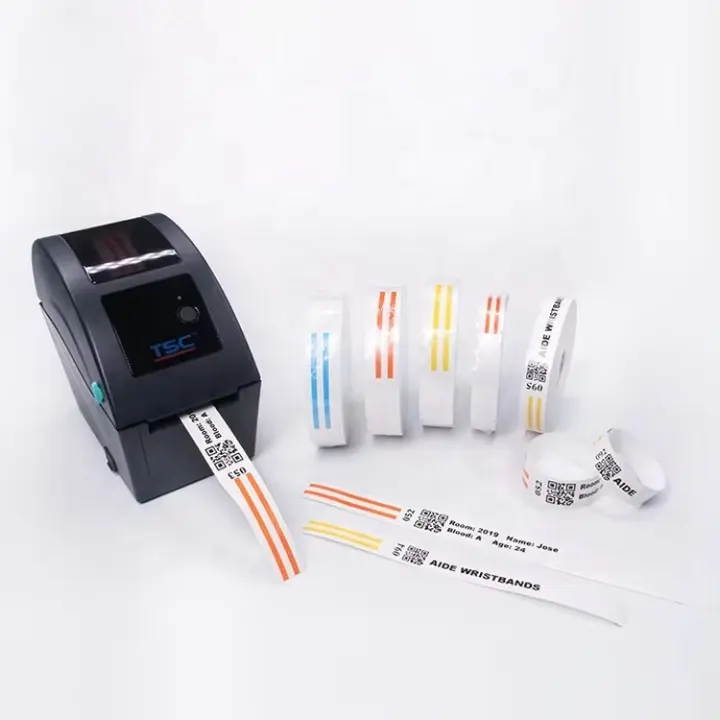
Wristband Barcode Symbologies: Code 128 vs QR vs Data Matrix for Hospitals
Code 128, QR Code or Data Matrix? Compare data capacity, error correction, symbol size and scanner requirements to choose the right wristband barcode symbology for your hospital.
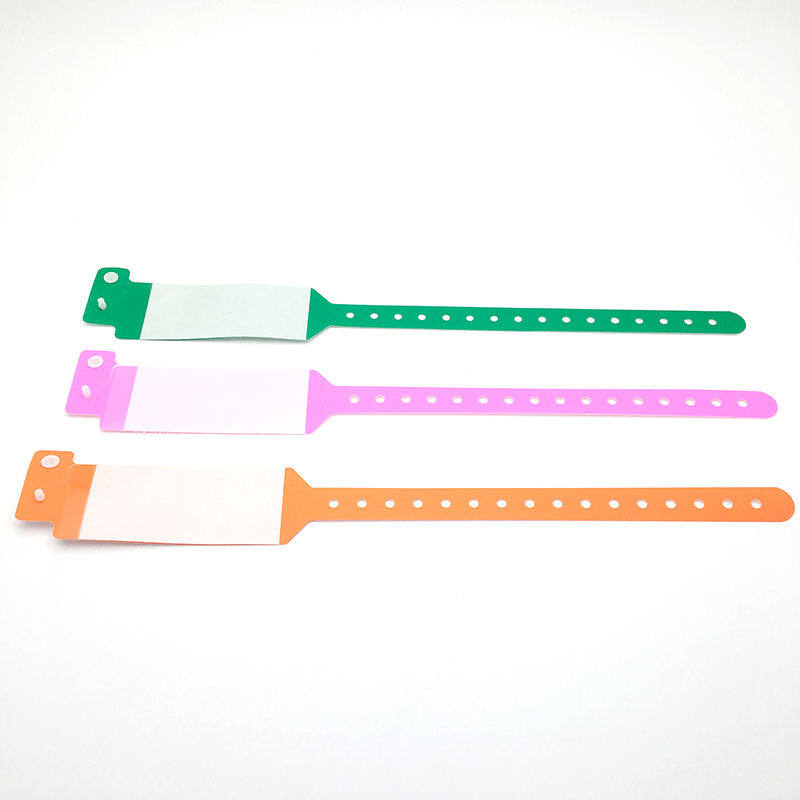
Why Thermal Wristbands Turn Black or Fade: Heat, Sunlight, and Chemical Exposure
Why do thermal wristbands turn black before use or fade after printing? Learn how heat, sunlight and chemical exposure damage direct thermal materials, and how proper storage keeps barcodes scannable.

Direct Thermal Wristband Shelf Life: How Long Can You Store Them?
How long can direct thermal wristbands be stored? A practical guide to shelf life, storage conditions, post-printing scannability and best practices for hospitals and warehouses.
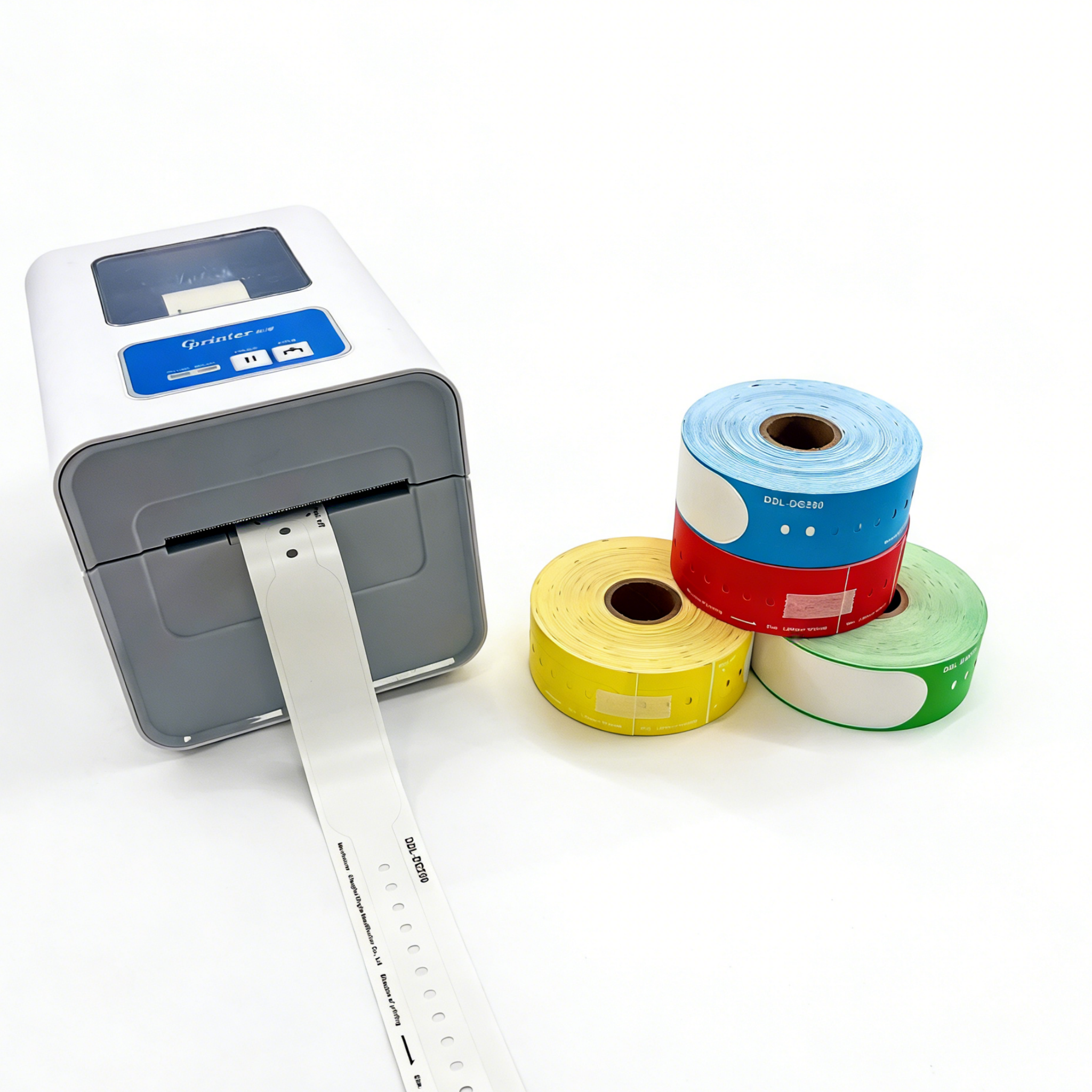
Wristband Inventory Management: How Hospitals Avoid Stockouts and Waste
A practical guide to hospital wristband inventory management: demand forecasting, reorder points, safety stock, storage best practices, waste reduction and technology-enabled replenishment.