
Reducing Wristband Errors at Admission: Workflow Design and Staff Training
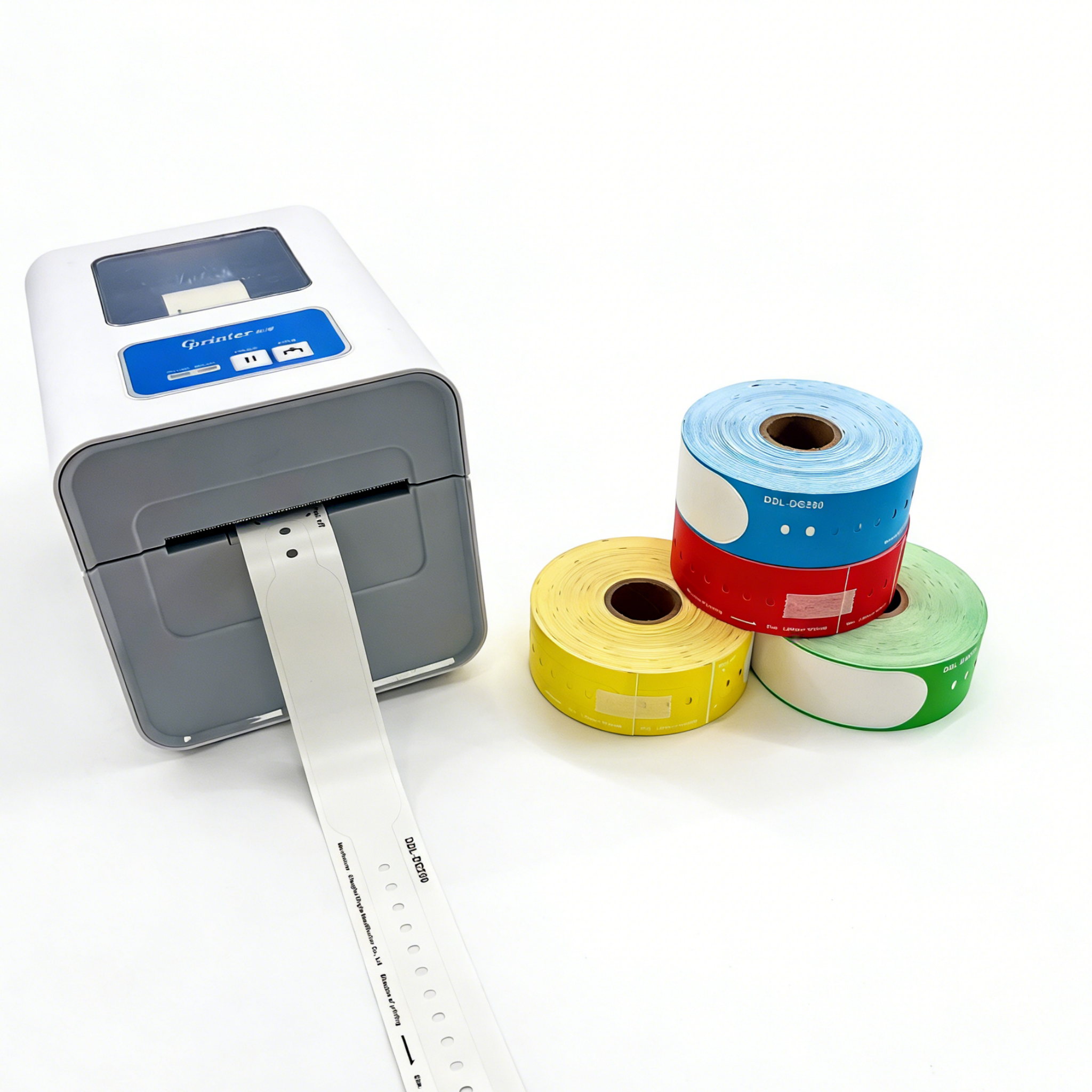
Patient identification errors remain one of the most persistent and preventable threats to patient safety in healthcare organizations worldwide. Among the various failure points in the patient identification process, the admission encounter stands out as particularly consequential. It is during this initial contact that the foundation for a patient's entire care episode is established. When that foundation is flawed—through an incorrect wristband, a missing band, or a band attached to the wrong limb—every subsequent interaction carries elevated risk. The consequences can range from delayed treatment to catastrophic wrong-patient events.
This article examines the root causes of wristband errors during admission, explores the systemic factors that contribute to patient identification error, and offers evidence-based recommendations for workflow redesign and staff training. Whether you are a clinical leader, a patient safety officer, or a frontline caregiver, understanding the mechanics of wristband failure is essential to building a more reliable identification system.
The Scope and Consequences of Wristband Failure
The scale of patient misidentification is difficult to overstate. Over a twelve-month period, the National Patient Safety Agency in the United Kingdom received 24,385 reports of patients being mismatched to their care, with more than 2,900 of those incidents specifically related to identification bands. In the United States, a survey of healthcare executives found that 64% believed patient misidentification errors occur more frequently than the reported industry standard. The financial implications are equally sobering: one report estimates that a hospital loses an average of $17.4 million per year in denied insurance claims associated with misidentification events.
The wristband itself is a deceptively simple artifact. Yet it serves as the physical anchor between a patient and their digital identity in the electronic health record. When the wristband is wrong, the patient becomes a stranger to the systems designed to protect them. Wrong blood components may be transfused. Medications intended for one patient may be administered to another. Surgical procedures may be performed on the wrong person or the wrong site. Specimens may be mislabeled, leading to incorrect diagnoses and inappropriate treatment. The trajectory of harm is nearly limitless once the identification chain is broken.
The Joint Commission is clear on this point: an armband is not itself a patient identifier. It is merely a medium that conveys identification information. The actual identifiers are the person-specific data points—name, medical record number, date of birth—that the band carries. This distinction matters because it reframes the problem. The goal is not simply to apply a band but to ensure that the data on that band reliably corresponds to the human being wearing it. Failure can occur at any point in that translation process.
Why Admission Is the Critical Vulnerability
Every care transition represents an opportunity for identification to fail. Research examining reported patient identification incidents found that the most common errors were missing wristbands, wrong charts or notes in files, and administrative issues, with patient transfer and emergency contexts among the most frequent contributory factors. The admission encounter combines several of these risk multipliers simultaneously.
First, admission is often a high-pressure, high-volume process. Patients arrive through emergency departments, direct admissions from clinics, and transfers from other facilities. The throughput demands on registration staff, nurses, and physicians create conditions where shortcuts become tempting. A qualitative analysis of wrong-patient electronic orders found that handling too many patients by one staff member, coupled with numerous distractions, was implicated in more than 80% of errors. The admission desk, the triage bay, and the registration kiosk are not naturally conducive to focused cognitive work.
Second, admission frequently involves patients who cannot participate in their own identification. Unconscious patients, those with altered mental status, infants, and individuals with communication barriers all present unique challenges. For non-communicative patients, organizations must determine what processes will safely identify them, and those expectations must be clearly communicated to staff. When a patient cannot state their name, the burden of accuracy shifts entirely to the system and the staff operating within it.
Third, the admission encounter often involves multiple handoffs. A patient may be registered by one person, triaged by another, and assigned to a bed by a third—all before a nurse applies the wristband. Each handoff introduces a potential discrepancy. Research highlights that the trend toward limiting clinical working hours leads to an increased number of team members caring for each patient, thereby increasing the likelihood of hand-over and communication problems. Each new pair of hands is an opportunity for the identification thread to fray.
Root Causes of Wristband Errors: A Systems Analysis
Understanding why wristband errors occur requires moving beyond individual blame and examining the systemic conditions that produce these failures. The literature identifies several recurring patterns.
Absence of Verification Culture at the Point of Banding
The most fundamental root cause is the failure to verify patient identity before applying the band. This sounds almost too basic to mention, yet it remains a persistent problem. When a nurse or registration clerk applies a wristband without actively confirming the patient's identity using two independent identifiers, the band becomes an unverified claim rather than a confirmed fact. The Joint Commission requires the use of at least two patient identifiers—such as name, assigned identification number, telephone number, or date of birth—before any care, treatment, or service is provided. A room number is explicitly not acceptable as an identifier. When staff resort to shortcuts, such as relying on bed assignments or visual recognition, the verification process collapses.
Physical and Informational Disconnection
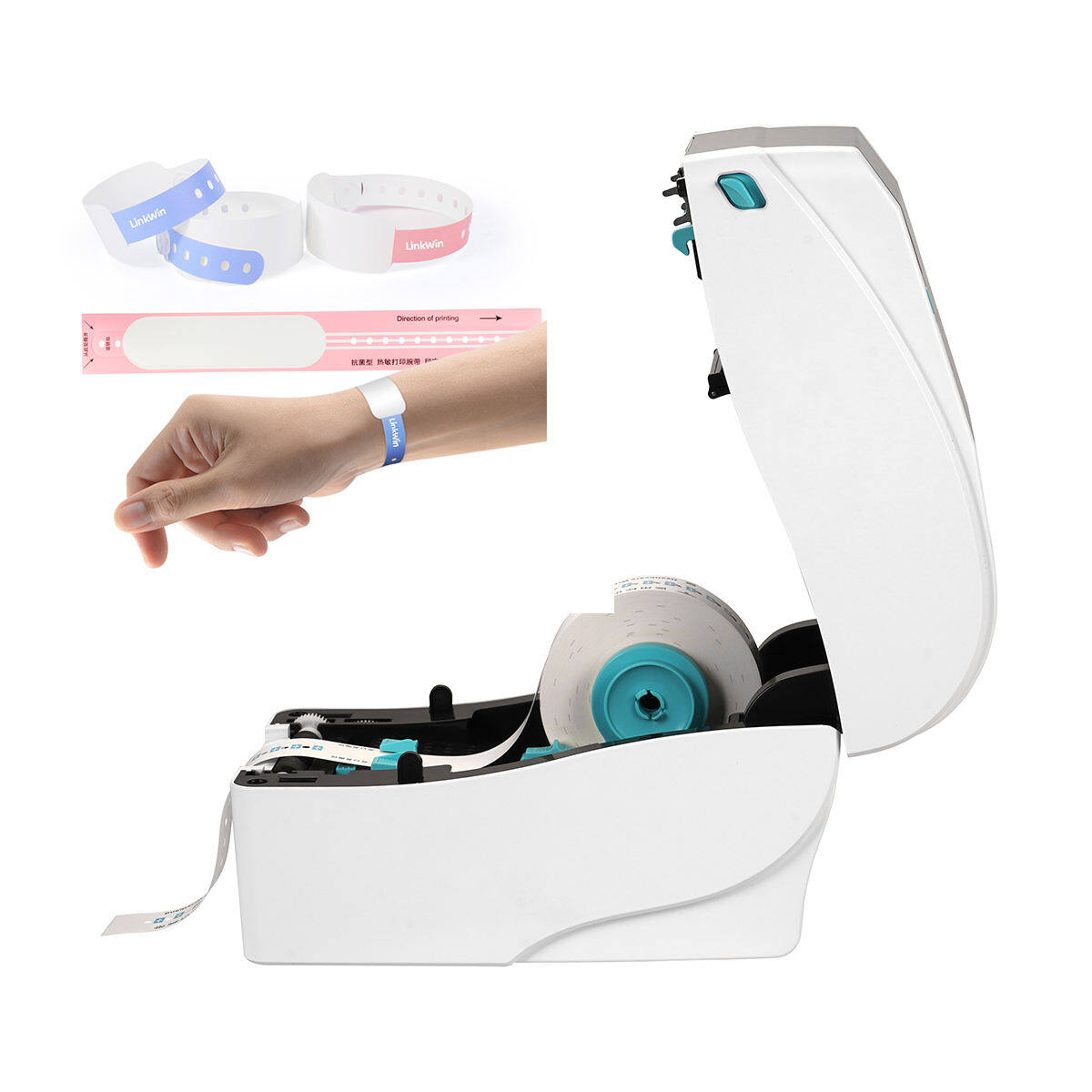
Wristband errors also arise from disconnection between the information source and the physical application. Centralized printing of identification band labels in one location, with no clear demarcation between different patients' bands, has been identified as a source of error. When bands are printed in batches and then distributed, the association between a specific printed band and a specific human being becomes vulnerable to mix-up. The longer the interval between printing and application, and the more hands that touch the band in between, the greater the risk.
Environmental Chaos and Interruption
The admission environment is rarely quiet. Emergency departments, in particular, are characterized by interruptions, competing demands, and high cognitive load. Interruptions can be distracting and jeopardize patient safety. When a nurse is called away mid-admission, or when multiple patients arrive simultaneously, the careful verification sequence may be abbreviated or abandoned. The result is a wristband applied under conditions that would never be considered acceptable in a controlled setting.
Workarounds and Normalized Deviance
One of the most insidious root causes is the normalization of workarounds. The literature notes that achieving individual behavior change to comply with recommendations is difficult, particularly when staff use shortcuts and workarounds that seem efficient in the moment. A nurse who has applied thousands of wristbands without incident may begin to skip the verbal confirmation step. A registration clerk may pre-print bands for expected admissions. These deviations from protocol are rarely malicious; they are rational responses to time pressure and workload. But they gradually erode the system's reliability until an error occurs.
Ambiguity in Special Populations
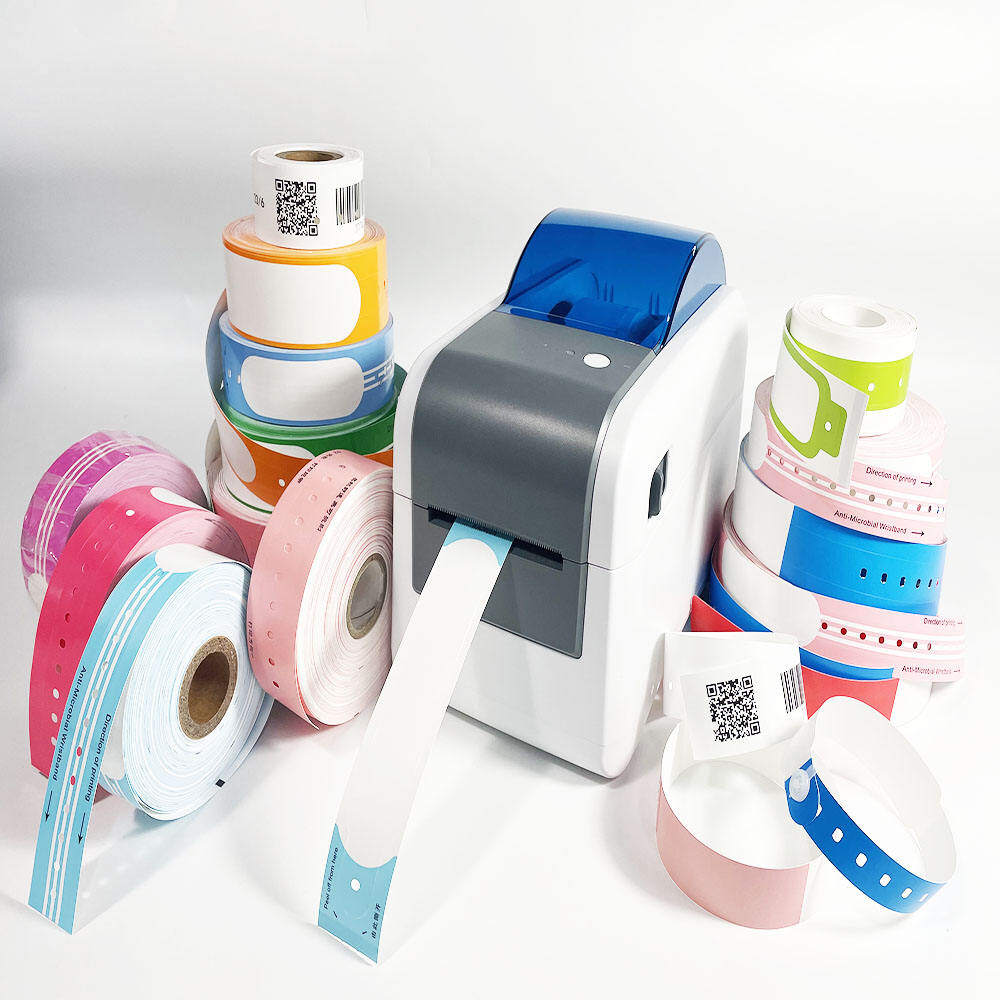
Certain patient populations present heightened identification challenges. Newborns are a particularly vulnerable group. When multiple infants are present in a nursery or when twins are involved, the risk of misidentification escalates. The Joint Commission requires distinct methods of identification for newborn patients, including a distinct naming system, standardized banding practices, and communication tools such as visual prompts or alerts. However, the specific naming convention is not prescriptive, and organizations must develop processes that work for their context. For unidentified or critically ill patients, the use of aliases or temporary names can itself cause confusion. Temporary identifiers must be transitioned to permanent ones as soon as possible, with clear processes for merging records.
Limb and Placement Errors
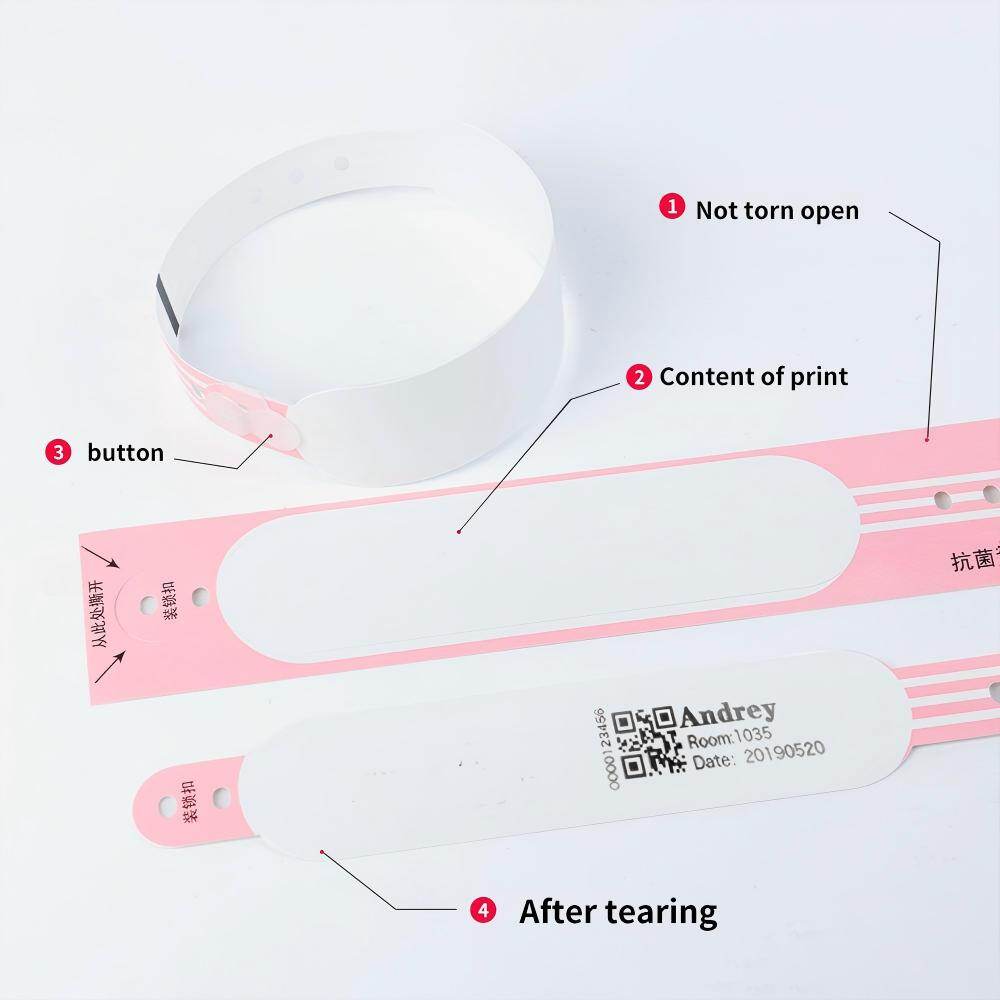
The question of which limb receives the wristband is not trivial. While applying identification bands to two limbs is common practice for newborns, organizations may elect other approaches. In adult patients, the choice of limb can affect both patient comfort and clinical workflow. A band placed on an arm with intravenous access may be obscured. A band on a limb that is later immobilized may become difficult to scan. More critically, a band placed on the wrong limb of the wrong patient—or a band that is removed and reattached without verification—represents a complete breakdown of the identification chain. The Joint Commission is explicit: when armbands are used, the band must be attached to the patient at all times. Simply placing it on the bedside table or taping it to the bed is not acceptable.
Workflow Redesign: Building Reliability into Admission
Reducing wristband errors requires more than exhorting staff to be more careful. It requires designing workflows that make the correct action the easy action—and the incorrect action difficult or impossible.
Embedding Verification into the Admission Sequence
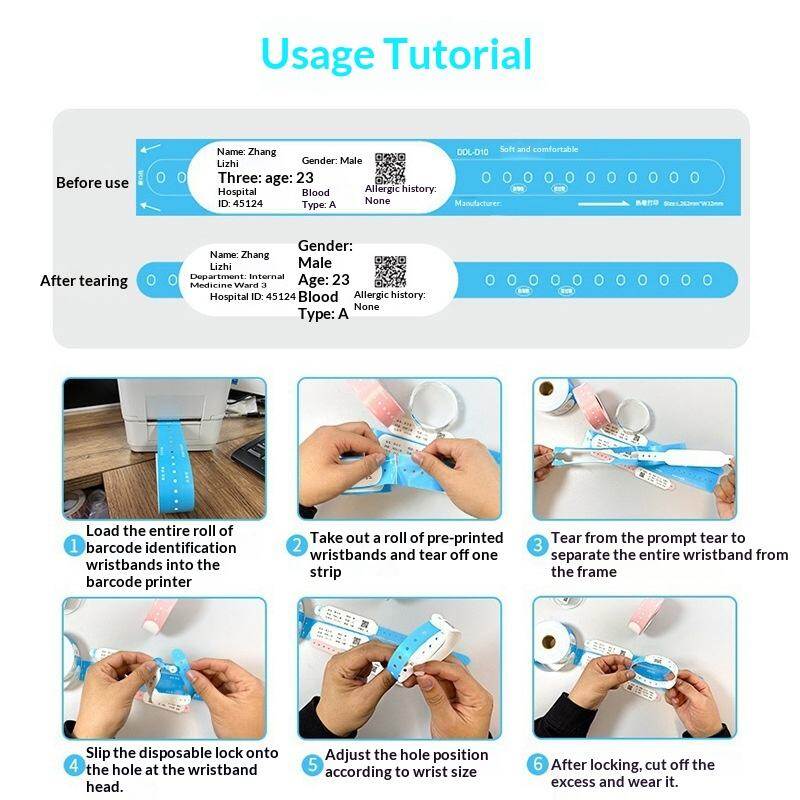
The verification step must be structurally embedded in the admission workflow, not left to individual discretion. This means designing the registration and admission process so that wristband application cannot occur without documented verification of two identifiers. For example, the electronic health record can be configured so that the wristband printing function is locked until the registration staff member has entered or confirmed two patient identifiers. The physical act of banding can be paired with a mandatory documentation step that captures who verified the patient, when, and using which identifiers.
Eliminating Pre-Printing and Batch Processing
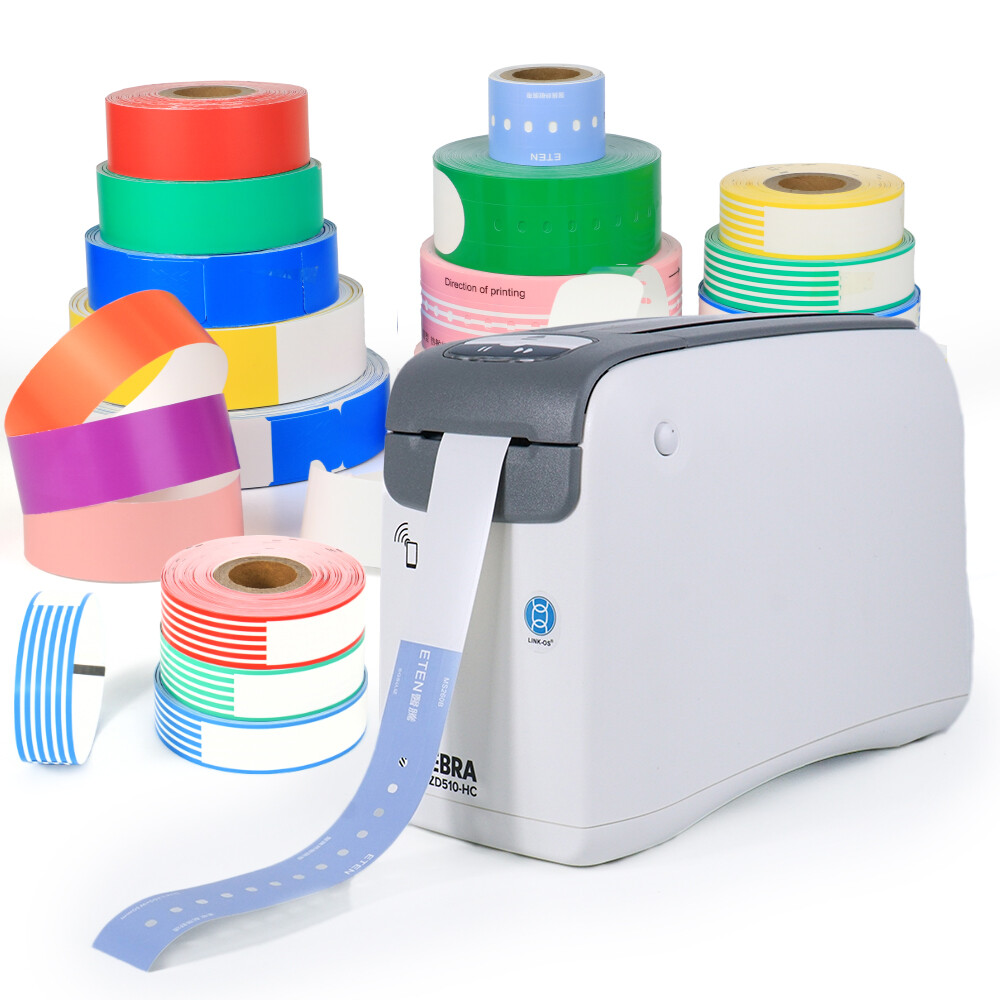
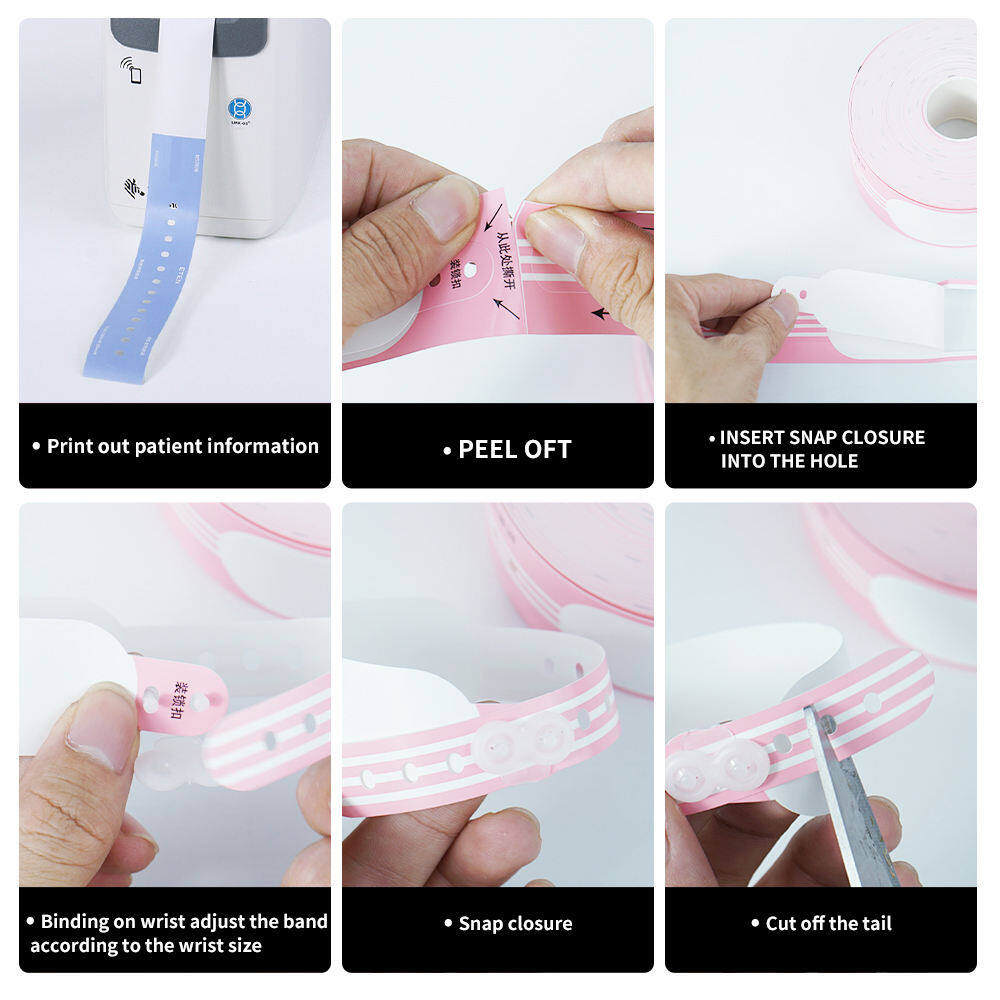
Wherever possible, wristbands should be printed at the point of application, not in batches. The Joint Commission's guidance on specimen labeling offers a useful principle: pre-labeling blood tubes prior to seeing the patient and matching them at the time of collection is not acceptable. The same logic applies to wristbands. A band that is printed at the bedside, in the presence of the verified patient, has a direct and traceable connection to that individual. A band printed twenty minutes earlier at a central station does not.
Clear Responsibility Assignment
One of the most practical improvements an organization can make is to define, unambiguously, who is responsible for wristband application at each point of entry. In some hospitals, this falls to registration staff; in others, to nursing. The ambiguity itself is a risk. When responsibility is diffuse, no one owns the outcome. A clear policy should specify the role accountable for banding in each admission pathway—emergency, direct admit, transfer, obstetric, neonatal—and should ensure that this responsibility is reflected in job descriptions, orientation, and competency assessment.
Technology as a Support, Not a Substitute
Barcoding, radiofrequency identification, and other electronic identification technologies offer powerful tools for reducing wristband errors. The updated Patient Identification SAFER Guide recommends displaying patient photographs in the electronic health record and using electronic patient identification including barcoding and RFID on wristbands. However, technology alone is insufficient. A critical warning from the literature is that organizations must not become preoccupied with technical solutions while neglecting the basic processes of care. Reliance on imperfect technical solutions as if they were perfect, and the elimination of human checking processes when automated systems are implemented, can create new vulnerabilities. Barcode scanning that fails silently, or that is bypassed through workarounds, provides no protection.
Technology should be designed to augment human verification, not replace it. The ideal system combines the efficiency and consistency of automated checks with the judgment and contextual awareness of human staff. For instance, a barcode scan that confirms the wristband matches the electronic order can be paired with a required verbal confirmation from the patient or a visual check of the photograph.
Designing for Special Populations
Admission workflows must account for patients who cannot participate in their own identification. For non-communicative patients, the organization must determine a safe identification process and communicate it clearly to staff. This may involve obtaining verification from a family member or caregiver, using a photograph linked to the record, or requiring two staff members to independently verify. For newborns, a distinct naming convention during the initial admission—such as using the mother's first name plus a designated newborn identifier—can reduce ambiguity. The use of visual alerts or prompts in the record can flag situations involving twins, similar names, or other ambiguity risks.
Staff Training: From Knowledge to Practice
Even the most elegantly designed workflow will fail if the people operating it lack the skills, knowledge, or motivation to execute it reliably. Training is not a one-time event but a continuous process of reinforcement, feedback, and refinement.
Beyond Annual Competency
The traditional model of annual competency assessment is inadequate for a skill as critical as patient identification. Identification is performed dozens of times per shift, often under pressure, and the consequences of failure can be catastrophic. Training must be frequent, contextual, and scenario-based. One hospital's approach involved simulating scenarios such as patient identity confusion and blurred wristband information, with staff practicing and refining their response in real time. This kind of deliberate practice builds the muscle memory that enables correct action under stress.
Addressing the Small Thing Mindset
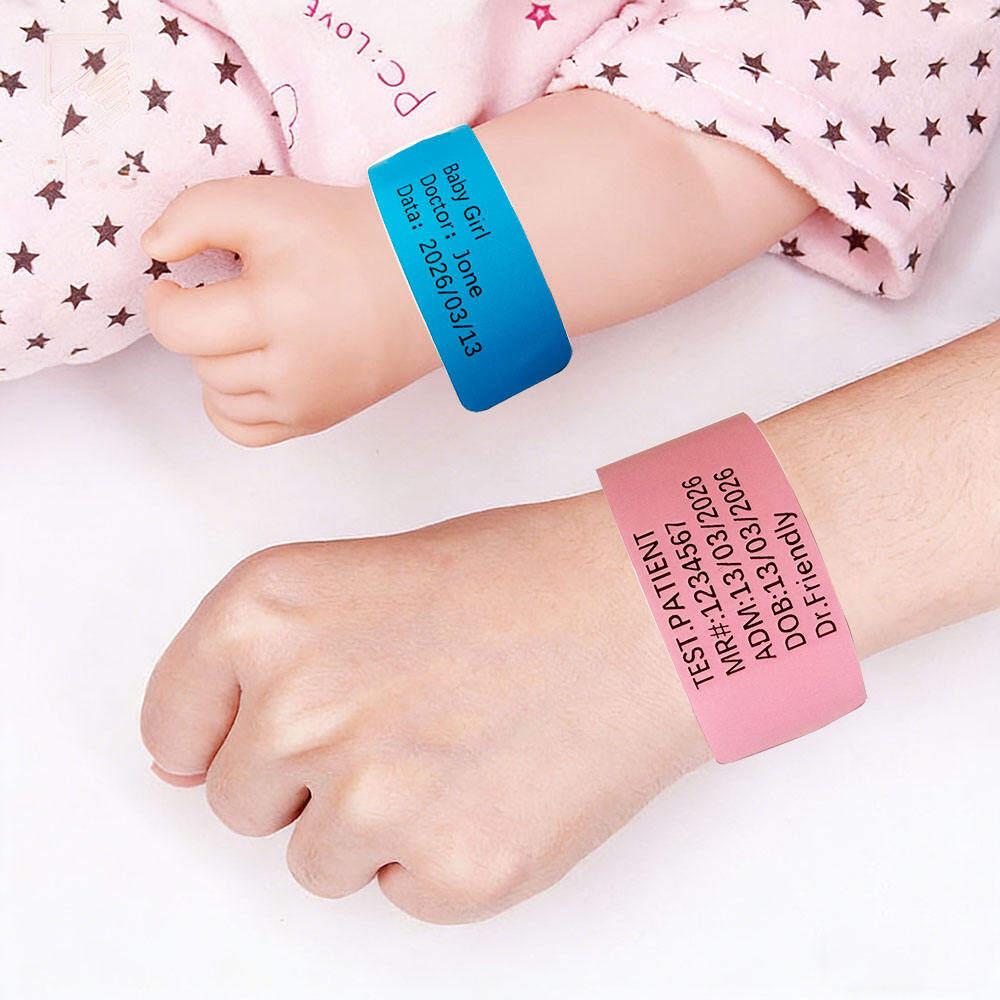
A recurring theme in the literature is the perception of identification as a routine, low-stakes task. One nurse's reflection after training captures this: I used to think checking the wristband was a small thing, but the cases in the training made me realize that a single lapse in verification can lead to serious medical errors. Training must directly confront this mindset. The goal is to help staff internalize that the wristband check is not a bureaucratic ritual but the single most important safety intervention they perform each shift. The Australian Commission on Safety and Quality in Health Care frames this well: the development of safety routines for common tasks provides a powerful defense against simple mistakes that may cause harm, allowing the workforce to focus their attention on activities that require more cognitive processing.
Content That Matters
Effective training on wristband safety should cover several core domains. First, the why—the real-world consequences of misidentification, told through case studies and incident reports. Staff need to understand what is at stake, not just what the policy says. Second, the how—the specific steps of verification for different patient populations and admission pathways. This includes the two-identifier requirement, the prohibition on using room numbers, and the protocols for non-communicative, pediatric, and neonatal patients. Third, the what if—the escalation pathways when identification cannot be verified, when a band is missing or damaged, or when a discrepancy is discovered. Staff must know who to call and what to do without hesitation.
Feedback and Accountability
Training without feedback is incomplete. Audit and feedback mechanisms—such as periodic observation of wristband application, review of incident reports, and sharing of lessons learned—help close the loop between training and practice. Research on improving compliance with patient identification protocols through audit and feedback has shown positive results, though the authors advocate for technological solutions to address the limitations of purely manual systems. The feedback should be constructive, blame-free where possible, and focused on system improvement rather than individual punishment.
Practical Recommendations for Immediate Implementation
The following recommendations synthesize the evidence and can be adapted to a range of healthcare settings:
Conduct a wristband failure mode analysis. Before designing interventions, map your current admission process from the patient's arrival to the application of the band. Identify every point where identification could be lost, confused, or bypassed. Include frontline staff in this exercise—they know where the workarounds live.
Standardize the two-identifier protocol. Ensure that every wristband application is preceded by verification of two person-specific identifiers, with the patient actively participating when possible. Prohibit the use of room number, bed number, or physical location as an identifier.
Eliminate batch printing. Transition to point-of-care wristband printing wherever feasible. If batch printing is unavoidable in certain pathways, establish a clear chain-of-custody process that tracks each band from print to application.
Designate clear ownership. Define, in policy and in practice, which role is responsible for wristband application in each admission pathway. Hold that role accountable through observation, documentation, and feedback.
Train for scenarios, not just policies. Move beyond annual competency modules. Use simulation, case studies, and real incident reviews to build staff confidence and competence in handling identification challenges.
Audit and feed back. Implement regular audits of wristband presence, accuracy, and condition. Share findings with staff in a spirit of learning and improvement.
Leverage technology thoughtfully. Use barcode scanning, patient photographs, and electronic verification where available, but preserve human verification as a complementary layer. Never let technology become an excuse for abandoning basic checks.
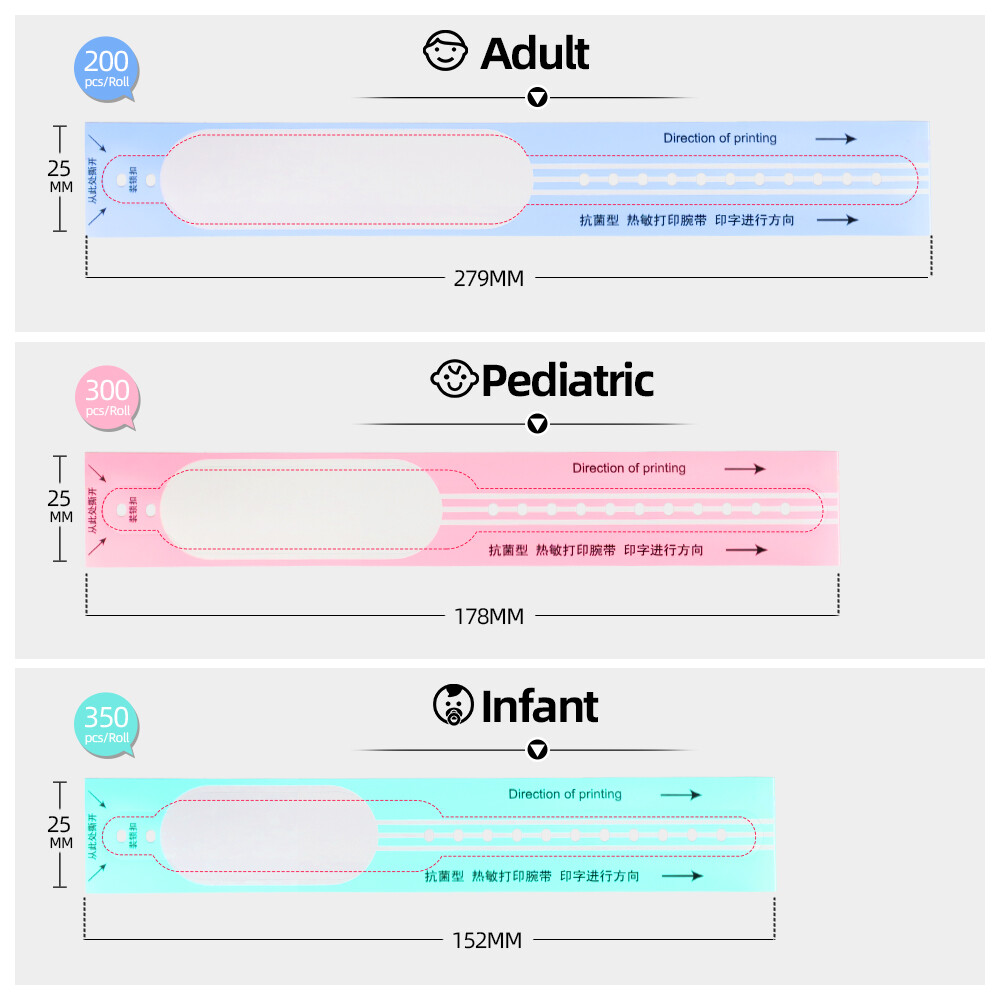
Address special populations explicitly. Develop and communicate clear protocols for newborns, non-communicative patients, patients with communication barriers, and unidentified patients. Ensure that temporary identifiers are transitioned to permanent ones with a defined process for record merging. The same discipline extends to sizing: stocking bariatric patient wristbands, extended-length wristbands, and newborn ankle bands in every unit that needs them prevents the last-minute substitutions that undermine patient identification accuracy, and it keeps admission documentation ready for external reviews such as CAP Q-Probes.
Conclusion
The wristband is a small object with an outsized role in patient safety. When it works, it is nearly invisible—a quiet confirmation that the right patient is receiving the right care. When it fails, the consequences can ripple through every subsequent clinical decision. The admission encounter is where this chain of reliability begins, and it is where the greatest opportunities for improvement lie.
Reducing wristband errors is not a matter of finding better bands or more diligent individuals. It is a matter of designing systems that make verification the path of least resistance, training staff to internalize the importance of each check, and creating a culture where speaking up about identification concerns is expected and supported. The evidence is clear: patient misidentification is a systemic issue, compounded by high-pressure environments, and it requires a multifaceted approach involving collaboration across stakeholders.
Every patient who enters a hospital is trusting that the system knows who they are. That trust is warranted only when the wristband on their arm—and the data it carries—is correct. Building that reliability is a shared responsibility, and it begins at admission.
Continue Reading
Have Questions About Wristbands?
Our team is ready to help you find the perfect wristband solution for your needs. Contact us directly on WhatsApp for quick responses.
Contact on WhatsApp