
Wristband Scanning at the Bedside: Barcode vs RFID vs NFC Compared
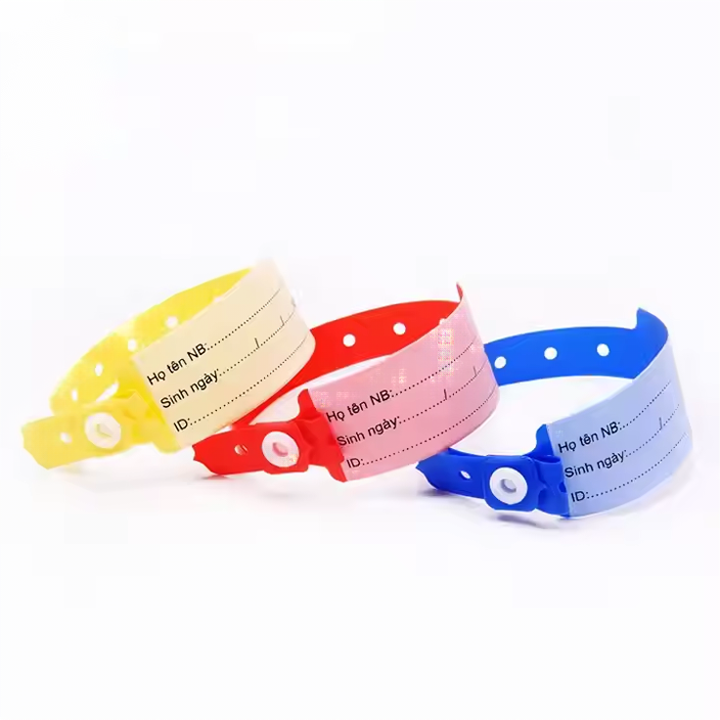
The moment a nurse approaches a patient's bedside to administer medication, transfuse blood, or collect a specimen, a critical safety checkpoint occurs. The patient identification wristband serves as the foundation of this verification process, but the technology embedded within that band—or the method used to read it—determines how reliably, quickly, and safely the right patient receives the right intervention.
Three dominant technologies compete for this role: traditional barcode scanning, Radio Frequency Identification (RFID), and Near Field Communication (NFC). Each carries distinct advantages and limitations that become acutely relevant depending on the clinical scenario. This analysis examines all three through the lens of scanning speed, accuracy, cost, and interference risk, with specific attention to how they perform during medication administration, blood transfusion, and specimen collection.
Understanding the Technology Landscape
Before comparing performance metrics, a brief technical orientation is necessary. Barcode technology, whether one-dimensional linear codes or two-dimensional matrix codes like QR codes, relies on optical scanning. A reader must have direct line of sight to the printed code, and the code itself must be intact, properly oriented, and adequately lit for successful decoding.
RFID technology operates on radio waves. An RFID tag contains a microchip and antenna that communicates with a reader via electromagnetic fields. Passive RFID tags draw power from the reader's signal, while active tags contain onboard batteries. The critical distinction from barcode is that RFID does not require line of sight; tags can be read through clothing, bandages, and even some bodily fluids.
NFC represents a subset of RFID operating at 13.56 MHz, with a read range typically limited to a few centimeters. This proximity requirement, often viewed as a constraint, becomes a deliberate safety feature in healthcare settings by preventing unintended reads of nearby patients' wristbands. NFC also supports bidirectional communication, meaning data can be written to the tag, not merely read from it.
Scanning Speed: Workflow Efficiency at the Point of Care
Speed at the bedside directly impacts nursing workflow, particularly in high-acuity settings where every minute counts.
Barcode scanning requires deliberate user action: positioning the scanner, aligning the barcode, and maintaining the correct distance and angle until the device emits confirmation. When everything works optimally, scanning a clean barcode takes one to two seconds. In practice, however, nurses frequently encounter barcodes that are wrinkled, soiled, or poorly printed, requiring multiple scan attempts. A study of bar code point-of-care systems found that nurses reported workflow delays primarily caused by unrecognized barcodes due to crumpling.
RFID scanning eliminates the alignment requirement entirely. A nurse can simply bring a handheld reader within range of the patient's wristband, and the tag responds automatically. For passive RFID, this still requires proximity, but orientation becomes irrelevant. Active RFID systems can read tags from several meters away, enabling automatic identification as a nurse enters a room. One study found that active RFID implementation led to a 61% decrease in medication dispensing time compared to conventional barcode identification.
However, RFID speed advantages come with caveats. System response time for RFID identification as a user enters a room has been measured at 10 to 30 seconds, with position changes within a room detected in 30 to 60 seconds. This latency is negligible for batched processes but noticeable when immediate confirmation is needed.
NFC scanning occupies a middle ground. The tap-to-read gesture is intuitive and fast—typically under one second—but requires deliberate physical proximity. A comparative study of NFC and barcode systems for medication administration found that administration was performed in similar lengths of time using similar numbers of scanning attempts. The speed advantage of NFC emerges not in the initial scan but in reduced error correction; fewer failed reads mean less time spent troubleshooting.
For specimen collection, speed differences become clinically significant when multiple tubes must be labeled at the bedside. Barcode systems require individual scanning and labeling for each tube, a sequential process that extends bedside time. RFID-enabled systems can verify multiple items simultaneously through anti-collision technology, reading multiple tags in a single pass. This capability reduces the time a phlebotomist spends at the bedside while maintaining verification integrity.
Accuracy: The Patient Safety Imperative
Accuracy in patient identification is not merely a performance metric; it is a patient safety mandate. Wrong-patient errors can result in medication administration to the incorrect patient, transfusion of incompatible blood products, or mislabeled specimens that lead to diagnostic errors.
Barcode limitations are well documented. A landmark study published in Clinical Chemistry identified sources of barcode decoding errors that generated incorrect patient identifiers when scanning wristbands for point-of-care glucose testing. The researchers found that as many as three incorrect patient identifiers could be generated from a single barcode. Minor barcode imperfections, failure to control for scanner resolution requirements, and suboptimal printed barcode orientation were confirmed as sources of these errors. Critically, the internal data integrity check system did not detect these errors, meaning misidentified patient results could have been transmitted to the incorrect medical record.
These findings have profound implications not only for point-of-care testing but also for barcode medication administration and transfusion recipient certification. The authors concluded that healthcare device manufacturers should adopt more robust and higher-fidelity alternatives to linear barcode symbologies.
RFID accuracy presents a more complex picture. When RFID works, it works extremely well. Passive RFID tags are immune to the physical degradation that plagues barcodes—they can be embedded in waterproof wristbands, tolerate exposure to bodily fluids, and do not require clean surfaces for reading. However, RFID accuracy in real-world clinical settings shows considerable variability. A systematic review of real-time person identification in hospital settings found that active RFID accuracy varied between 52.4% and 100%. The lowest accuracy occurred in a real-life setting where healthcare workers were placed improperly before sensors or passed too quickly. This overestimation of RFID performance in clinical practice, compared to controlled test settings, is a critical consideration for implementation planning.
A specific RFID risk involves false appointment—assigning a person to a location because their badge was detected by a scanner with a large detection area while the person was physically elsewhere nearby. Detection area is determined by transmitted power, number of scanners, and physical distribution, all of which must be carefully calibrated before implementation.
NFC accuracy benefits from its inherently limited read range. Because NFC requires physical proximity, typically within 1 to 3 centimeters, the risk of reading the wrong patient's wristband is virtually eliminated. This precision makes NFC particularly attractive for medication administration, where confirming the specific patient at the bedside is non-negotiable. A study examining NFC technology for medication management found that the system reduced errors across prescription, administration, and review stages compared to paper-based systems, and demonstrated statistically significant error reduction even in small sample sizes.
The bidirectionality of NFC offers additional accuracy advantages. Unlike barcodes, which provide unidirectional information flow from code to reader, NFC tags can be updated with new information as the patient progresses through their hospital stay. A wristband NFC tag could theoretically record administration times, specimen collection timestamps, or transfusion verification events directly on the tag, creating a decentralized audit trail that remains with the patient.
Cost Considerations: Balancing Budget and Safety
Cost structures for these technologies differ substantially, and the total cost of ownership extends far beyond initial hardware procurement.
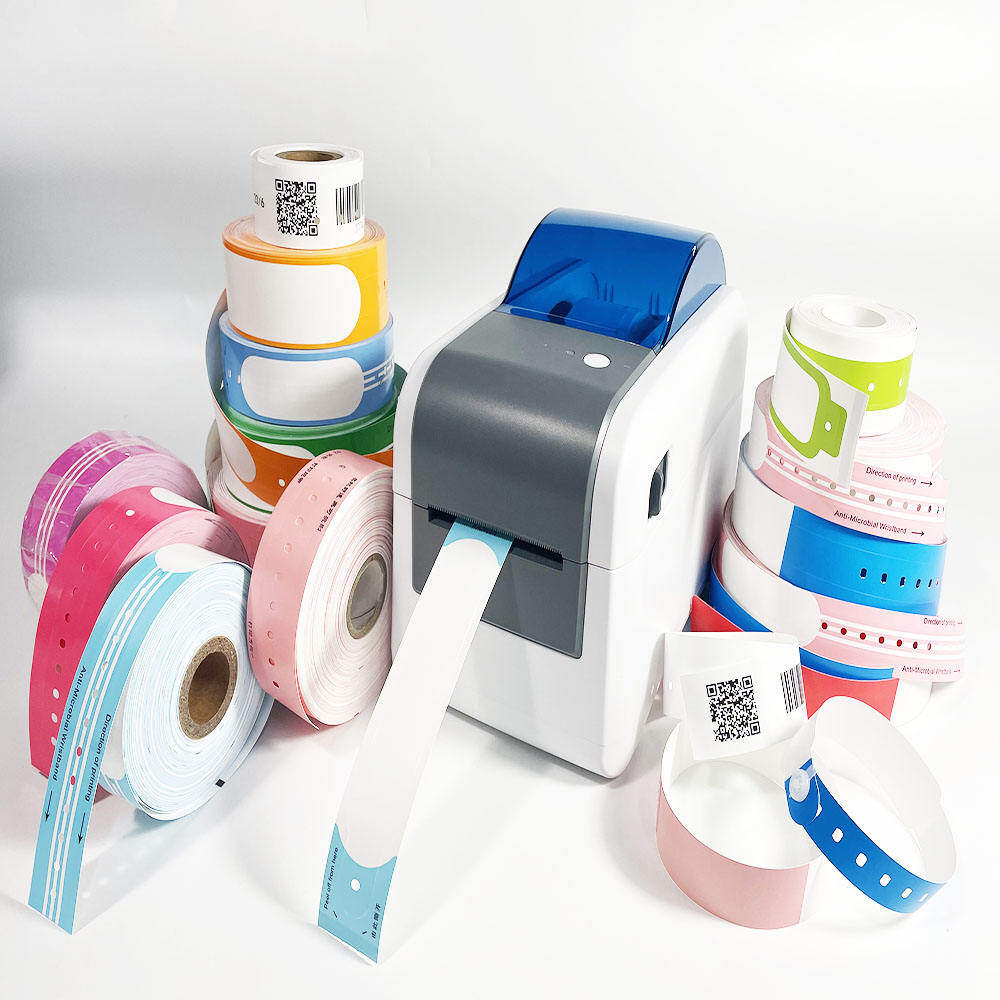
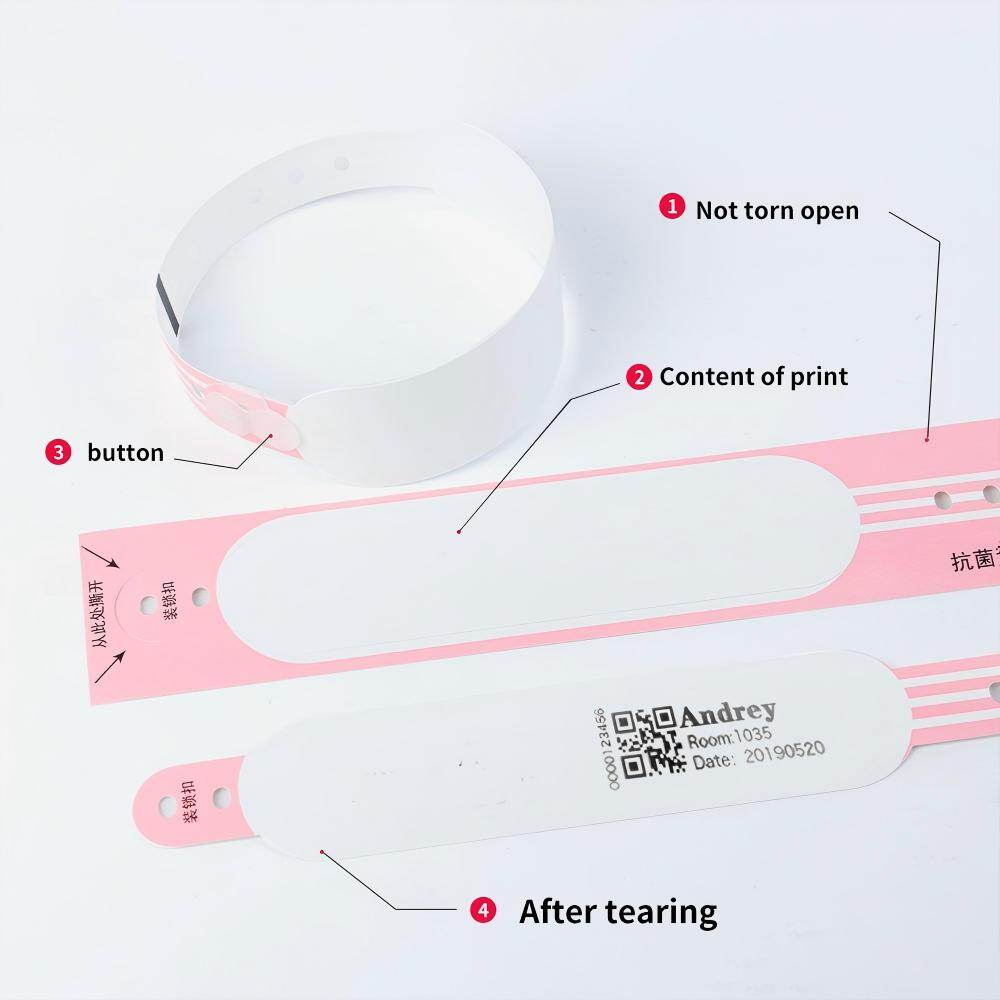
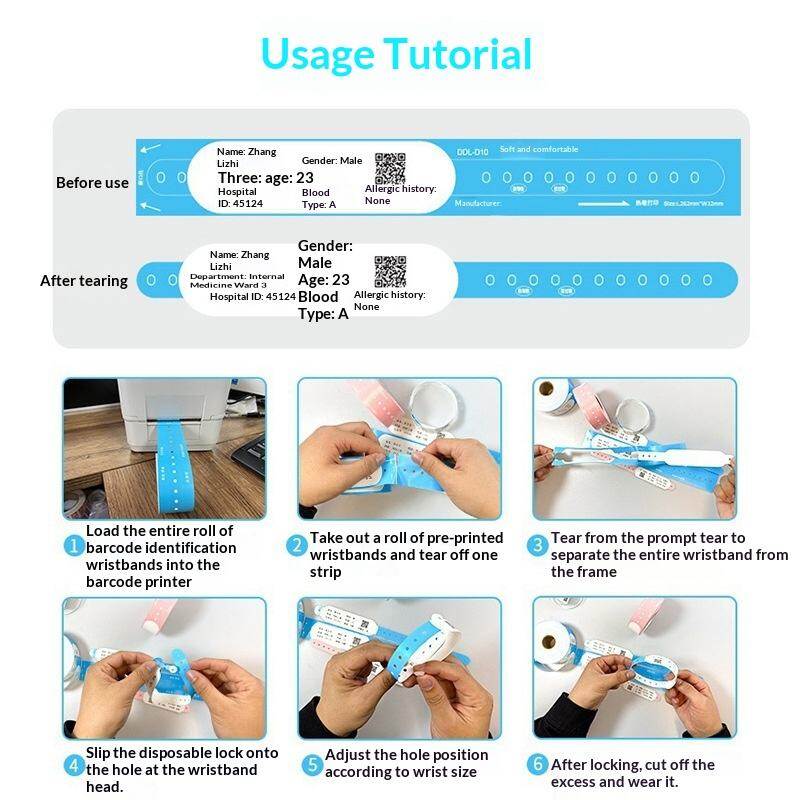
Barcode systems offer the lowest entry point. Wristbands with printed barcodes are inexpensive to produce, and basic barcode scanners are commodity items. For resource-constrained healthcare facilities, two-dimensional codes, particularly QR codes, printed on low-cost bracelet labels and decoded by ordinary smartphones represent an attractive automation alternative. This approach leverages existing mobile device infrastructure and avoids proprietary scanner procurement.
However, barcode economics have hidden costs. Printer maintenance, label inventory management, and the nursing time lost to failed scans all contribute to total cost of ownership. When barcodes fail and require reprinting or manual entry, the labor cost can exceed the initial savings.
RFID costs remain the highest among the three technologies. RFID tags are substantially more expensive than printed barcodes, and the reader infrastructure—whether handheld or fixed—requires greater capital investment. Active RFID tags, with onboard batteries, are more expensive still and introduce battery management logistics. A systematic review of medication identification technologies noted that RFID/NFC provides robust data retrieval but faces high costs, and that the technology incurs potential electromagnetic interference risks that may require additional mitigation investments.
For healthcare administrators in budget-restricted settings, the cost-benefit calculation for RFID often fails to justify deployment across an entire facility. The technology may be appropriate for high-risk, high-volume areas such as operating rooms or intensive care units, where the automation benefits justify the premium.
NFC costs fall between barcode and RFID. NFC tags are inexpensive to produce—comparable to or only slightly more expensive than printed barcode labels—and many modern smartphones include NFC readers as standard hardware, eliminating the need for dedicated scanners. The bidirectional capability means a single NFC tag can replace multiple paper-based tracking mechanisms over the course of a patient's stay, potentially offsetting the per-tag cost through reduced documentation overhead.
A practical consideration for NFC deployment is that not all existing hospital devices support NFC reading. While smartphones universally include NFC in higher-end models, dedicated clinical mobile devices may require replacement or add-on modules. This infrastructure gap is narrowing as NFC becomes a standard feature in enterprise mobility devices.
Interference and Environmental Risk: The Hidden Vulnerabilities
The clinical environment presents unique challenges for any identification technology, from electromagnetic interference to physical wear.
Barcode vulnerabilities are primarily physical and optical. Barcodes must be printed on materials that resist moisture, abrasion, and chemical exposure—common conditions at the bedside. Curling or wrinkling of wristband barcodes due to patient movement, bathing, or bedding friction creates read failures. Soiling from blood, wound exudate, or medications obscures the code. While 2D barcodes like QR codes offer some redundancy through error correction algorithms, they remain vulnerable to gross physical damage.
Lighting conditions also affect barcode reliability. Dimly lit rooms during night shifts can reduce scanning success rates. Conversely, direct sunlight or harsh overhead lighting can create glare that interferes with optical scanning.
RFID interference presents a more complex risk profile. Electromagnetic interference (EMI) between RFID systems and medical devices is a recognized concern, though reported incidents remain relatively low. RFID tags and readers operate across various frequency bands, and the potential for interference depends on frequency, power output, proximity to sensitive equipment, and shielding.
Magnetic resonance imaging (MRI) represents a specific high-risk environment for RFID. A study examining RFID safety under MRI found that active RFID tags can affect MR imaging quality, particularly when gradient echo sequences are used. The influence decreases with distance from the RFID tag to the imaging target, with imaging quality almost unaffected when distance exceeds 8 centimeters. The study recommended against gradient echo-related sequences when patients are wearing RFID wristbands.
Blood product exposure to RFID fields has also been investigated. Research on ultrahigh frequency RFID exposure to stored red blood cells and platelets found no significant exacerbation of biologic or biochemical degradation during storage, suggesting that RFID tagging of blood products does not compromise their quality.
A more subtle RFID risk is unintended reads due to excessive read range. If a reader's detection area extends beyond the intended patient, it may capture nearby tags, creating ambiguity about which patient is actually being identified. This is less likely with NFC's proximity requirement but remains a concern for standard RFID deployments, particularly in shared rooms or open bay ward designs.
NFC interference is minimal by design. The limited read range means NFC signals are unlikely to interfere with distant medical devices, and the technology is inherently resistant to eavesdropping beyond close proximity. However, NFC readers can still be affected by metal surfaces and conductive materials that detune the antenna. Wristbands with NFC tags must be designed to maintain reading performance when in contact with skin, which has dielectric properties that can shift the resonant frequency of the tag antenna.
An overlooked interference risk for all three technologies is infection control. Shared scanning devices—whether barcode scanners, RFID readers, or NFC-enabled smartphones—can serve as fomites, transferring pathogens between patients. Nurses in one study raised concerns about the risk of infection from shared use of point-of-care devices and the protocols following use with infected patients. Any technology deployed at the bedside must be compatible with hospital-grade disinfection protocols without degrading performance.
Scenario-Specific Performance Analysis
Medication Administration
The medication administration process requires the nurse to verify five rights: right patient, right drug, right dose, right route, and right time. Wristband scanning addresses the patient verification component, but the technology choice affects overall workflow reliability.
Barcode medication administration (BCMA) has demonstrated effectiveness in reducing administration errors. However, the barcode's line-of-sight requirement means the nurse must physically manipulate the wristband to expose the code, a task that can be complicated when the patient is confused, combative, or has limited mobility. The failure modes identified in barcode systems—crumpled wristbands, damaged codes, and scanner resolution mismatches—directly impede medication administration efficiency.
RFID medication administration allows passive patient identification without patient manipulation. A nurse carrying a handheld reader can approach the bedside and receive confirmation of patient identity before even opening the medication package. This proactive verification may reduce the cognitive burden on nursing staff by confirming identity automatically rather than requiring a deliberate scanning step.
NFC medication administration requires a deliberate tap but offers the advantage of bidirectional data flow. After verification, the NFC tag can be updated to reflect that the medication was administered, creating a timestamped record on the patient's wristband that persists even if network connectivity is temporarily lost. This feature could prove valuable in disaster scenarios or areas with unreliable wireless infrastructure.
Blood Transfusion
Blood transfusion carries the highest stakes for patient identification errors. Transfusing incompatible blood products can cause acute hemolytic reactions, renal failure, and death. Bedside electronic transfusion systems using barcode matching of patient wristbands and blood units are now recommended as best practice to ensure patient safety.
Barcode-based transfusion verification requires scanning both the patient's wristband and the blood unit label, then confirming the match electronically. This process creates a documented verification chain that reduces human error. However, the failure modes of barcode scanning—damaged labels, poor printing, orientation issues—are particularly consequential in transfusion, where a failed scan might tempt a nurse to bypass verification under time pressure.
RFID transfusion verification offers the theoretical advantage of automated checking. An RFID reader could potentially verify the patient wristband and blood bag tag simultaneously, reducing the number of discrete scanning actions. Anti-collision technology enables reading multiple tags in a single pass. However, the high cost of RFID-tagging every blood unit, combined with the need for reader infrastructure at every transfusion location, has limited adoption.
NFC transfusion verification requires tapping the wristband and then the blood bag—two deliberate actions that mirror the barcode workflow but with greater tolerance for physical degradation of the tags. The bidirectional capability could allow the NFC wristband to record transfusion events, including blood unit identifiers and timestamps, creating a permanent record that moves with the patient. However, NFC's limited read range means the blood bag must be brought into proximity with the wristband, which may not always be practical during rapid transfusion in emergencies.
Specimen Collection
Specimen collection errors—mislabeled tubes, wrong patient samples—can lead to diagnostic errors, unnecessary treatments, and patient harm. The collection process requires positive identification of the patient immediately before sample acquisition and immediate labeling of specimens at the bedside.
Barcode specimen collection typically involves scanning the patient wristband, then scanning pre-printed specimen labels to associate them with the patient. This sequential scanning process is reliable but time-consuming. When multiple specimens are collected—blood cultures, complete blood count, metabolic panel, coagulation studies—the labeling burden multiplies.
RFID specimen collection offers the potential for simultaneous verification of multiple specimen containers. If each container carries an RFID tag, a reader could verify all containers against the patient's wristband in a single pass. This capability could significantly reduce bedside time for phlebotomy and reduce the risk of unlabeled or mislabeled specimens.
NFC specimen collection is well-suited to low-volume collection scenarios where one or two specimens are obtained. The tap-to-verify workflow is fast for individual items, but the sequential nature of NFC reading becomes a bottleneck when many specimens are involved.
Making the Right Choice: A Decision Framework
No single technology dominates across all dimensions. The optimal choice depends on the specific clinical context, existing infrastructure, and patient population.
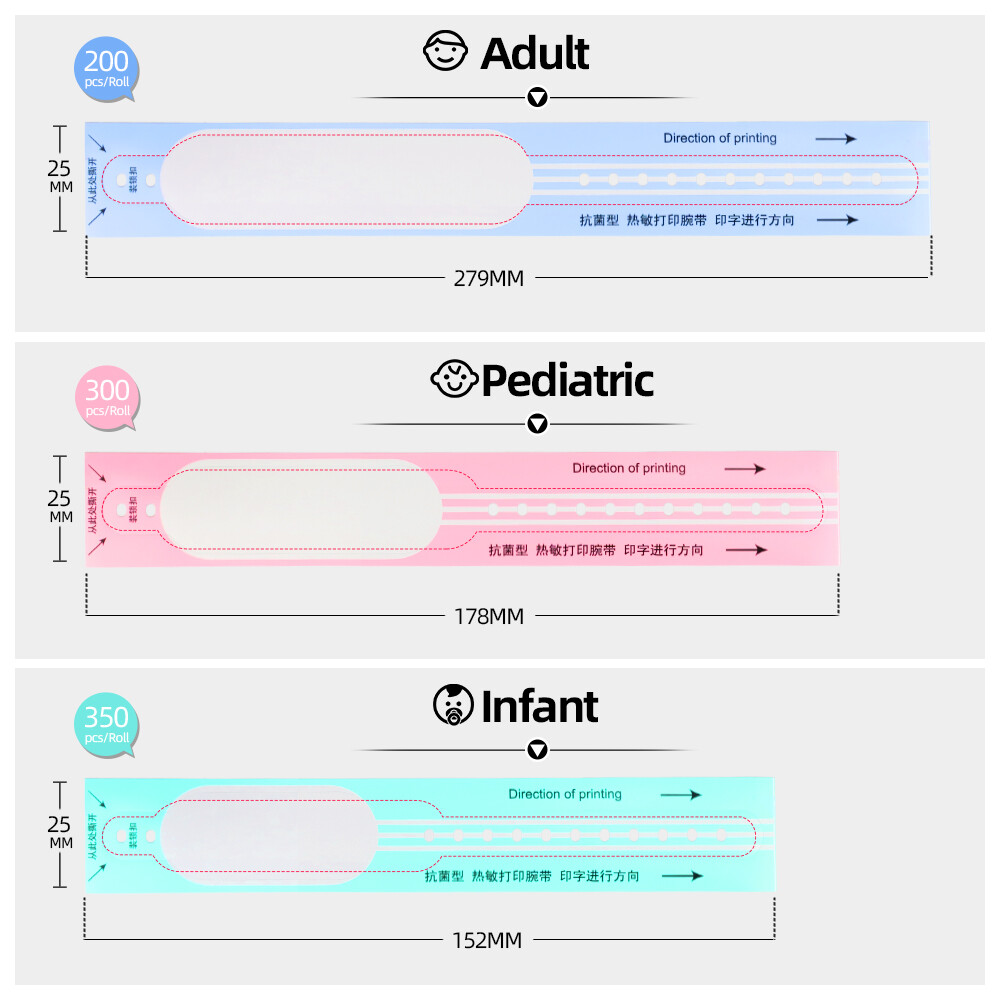
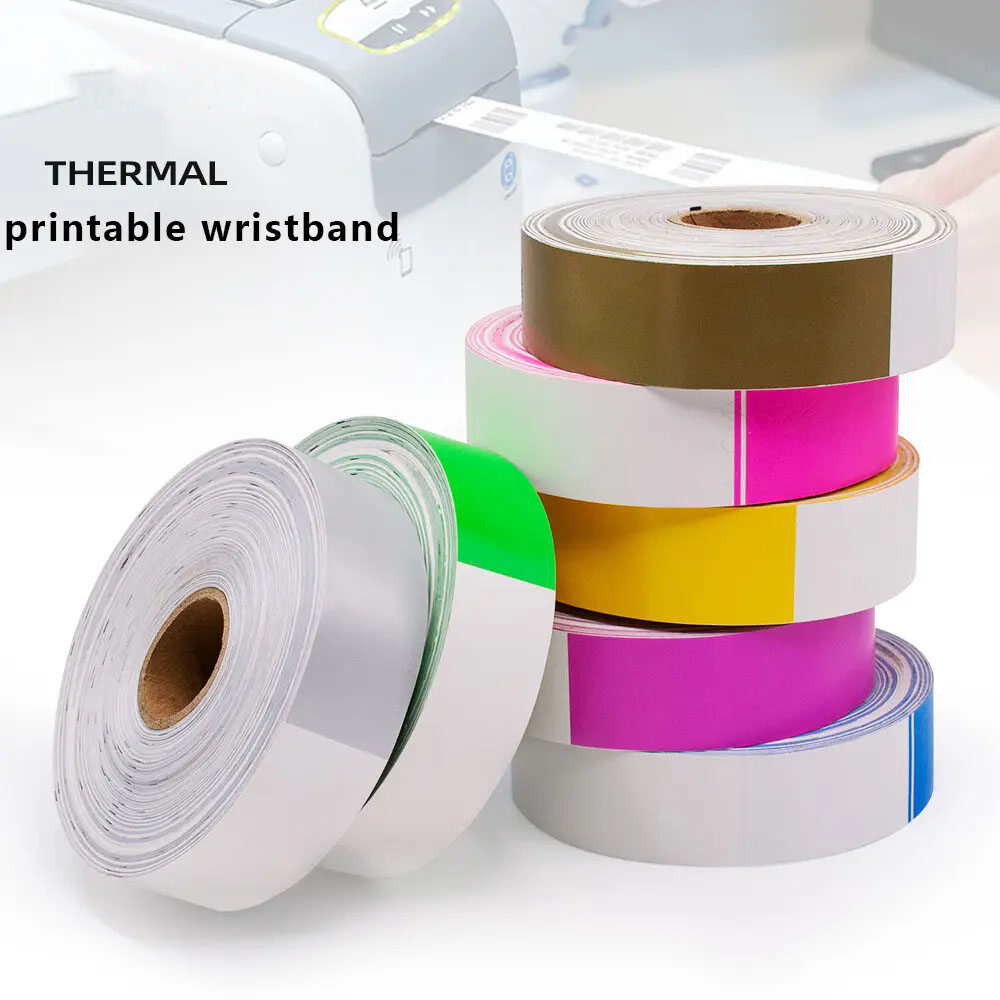
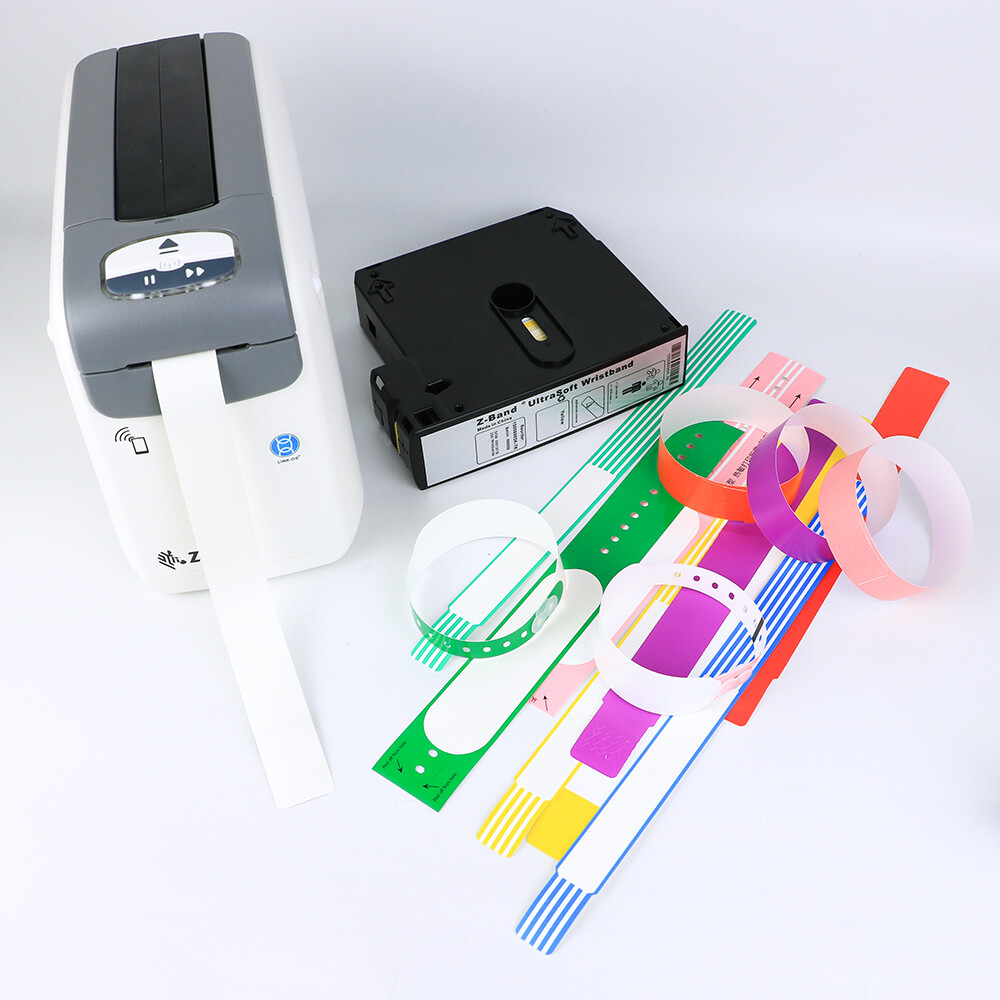
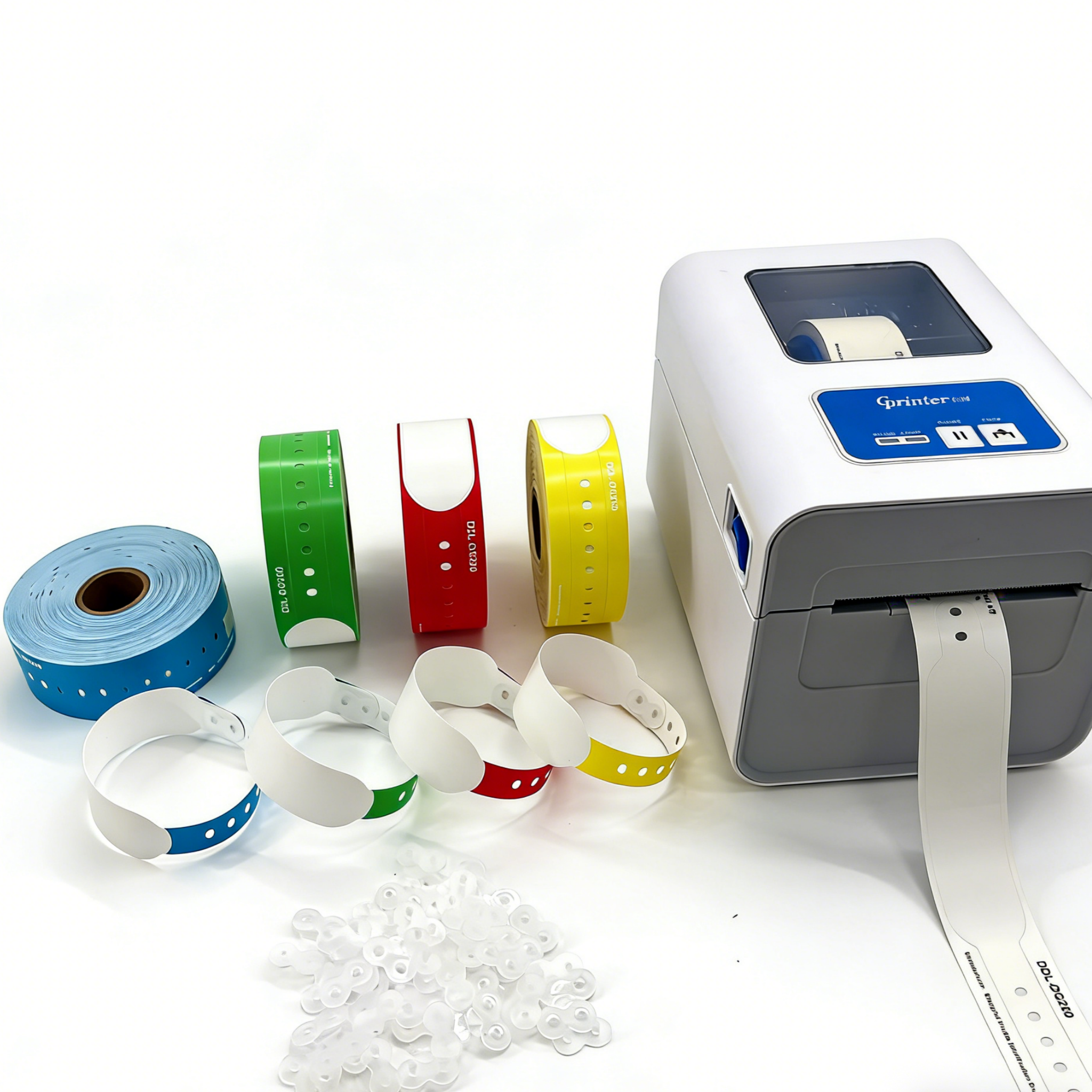
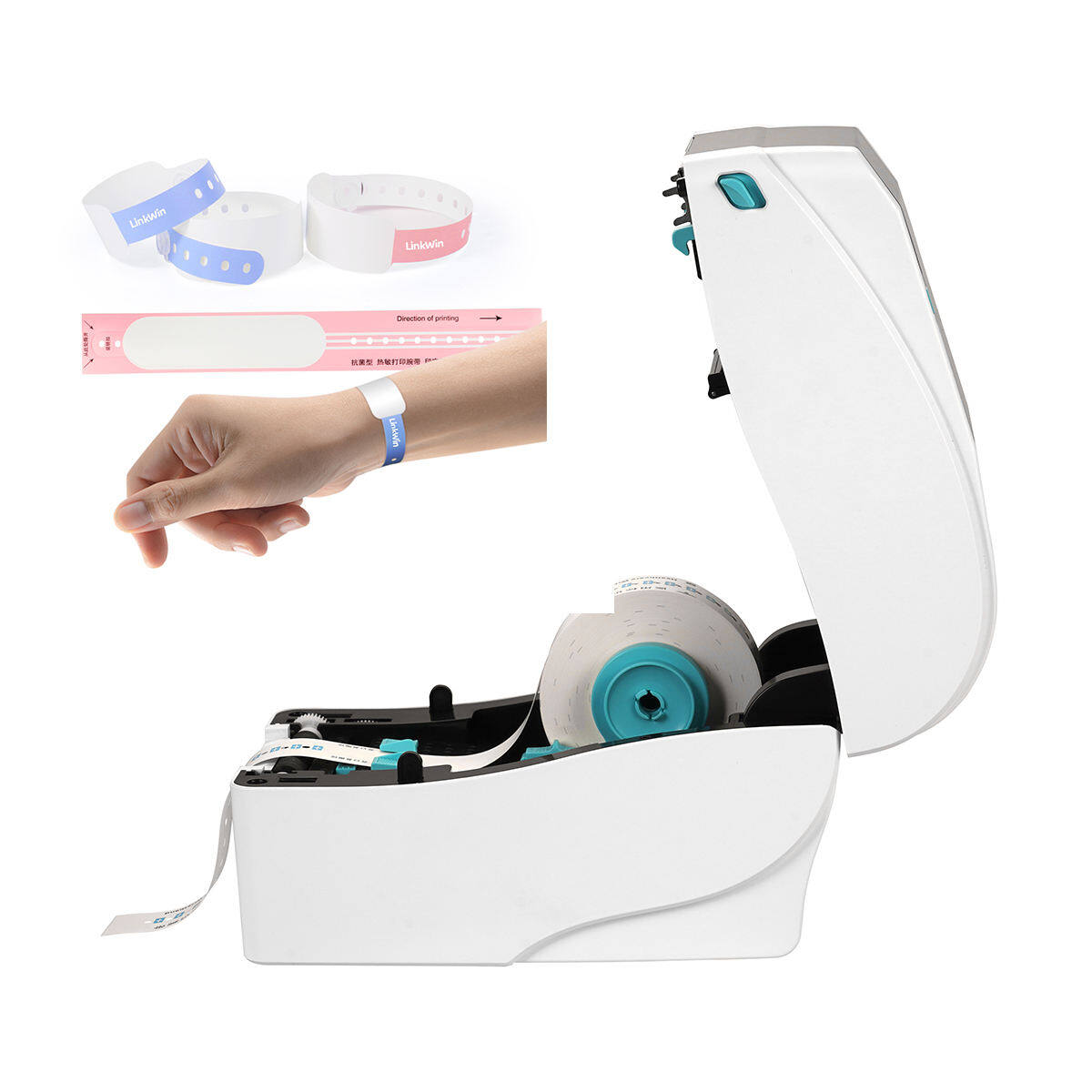
Barcode systems remain the pragmatic default for most healthcare facilities. The technology is mature, cost-effective, and widely understood by clinical staff. For facilities with limited capital budgets, 2D barcode wristbands read by smartphones offer a viable automation pathway without major infrastructure investment. The key to barcode success lies in rigorous attention to print quality, scanner maintenance, and wristband material selection to minimize the physical degradation that drives read failures. The same material discipline extends to special populations: bariatric patient wristbands, extended-length wristbands, and newborn ankle bands must all keep their codes scannable through bathing, movement, and extended stays.
RFID systems justify their premium in high-acuity, high-volume settings where automated identification delivers measurable workflow improvements. Active RFID's ability to identify patients automatically as staff enter a room, or to track patient location in real time, offers capabilities that barcode cannot match. However, RFID deployment requires careful site assessment to characterize electromagnetic conditions, establish appropriate read ranges, and mitigate interference risks. The accuracy variability observed in real-world settings—from 52.4% to 100%—underscores the importance of pilot testing before full-scale rollout.
NFC systems represent an emerging middle path. The technology offers barcode-like economics with RFID-like durability, plus bidirectional data capability that neither barcode nor passive RFID provides. NFC's limited read range, often viewed as a limitation in other contexts, becomes a safety feature in patient identification by preventing wrong-patient reads. As NFC reader capability becomes standard in clinical mobile devices, the infrastructure barrier to NFC adoption diminishes.
For healthcare organizations planning wristband scanning deployments, a hybrid approach may offer the best risk-adjusted outcome. Barcode remains the primary verification method for routine medication administration, leveraging existing infrastructure and staff familiarity. NFC tags embedded in the same wristband could provide a secondary, higher-durability verification pathway for high-risk scenarios such as blood transfusion, where the consequences of failure are most severe. The wristband itself becomes a multi-technology platform, with each technology serving the scenarios where it performs best. Programs that track patient identification accuracy, such as CAP Q-Probes monitoring, give organizations the measurable feedback needed to validate whichever mix they deploy.
Conclusion
The choice between barcode, RFID, and NFC for bedside wristband scanning is not a matter of identifying a universal winner. Each technology occupies a distinct position on the trade-off curve between speed, accuracy, cost, and interference risk.
Barcode scanning offers affordability and proven reliability but remains vulnerable to physical damage and requires line-of-sight alignment. RFID delivers automation and durability at higher cost, with interference considerations that demand careful implementation planning. NFC provides a balanced profile with unique bidirectional data capabilities, particularly suited to scenarios where proximity verification is paramount.
The patient identification wristband is the last line of defense against wrong-patient errors. Whatever technology is embedded within it, the wristband must perform reliably at the moment of care—when a nurse stands at the bedside with medication in hand, blood product ready for transfusion, or specimen tube awaiting a label. Understanding the strengths and limitations of each scanning technology enables healthcare organizations to make informed decisions that protect patients and support clinical workflow.
As healthcare continues its digital transformation, the wristband will evolve from a passive identifier to an active participant in the care process. The technologies compared here represent the current state of the art. The next generation may combine them in ways that compensate for individual limitations, creating identification systems that are faster, safer, and more resilient than any single technology alone.
Continue Reading
Have Questions About Wristbands?
Our team is ready to help you find the perfect wristband solution for your needs. Contact us directly on WhatsApp for quick responses.
Contact on WhatsApp