
Blog
Industry insights, product guides, and company news from WeIDMed - your trusted wristband manufacturer.
Latest Articles
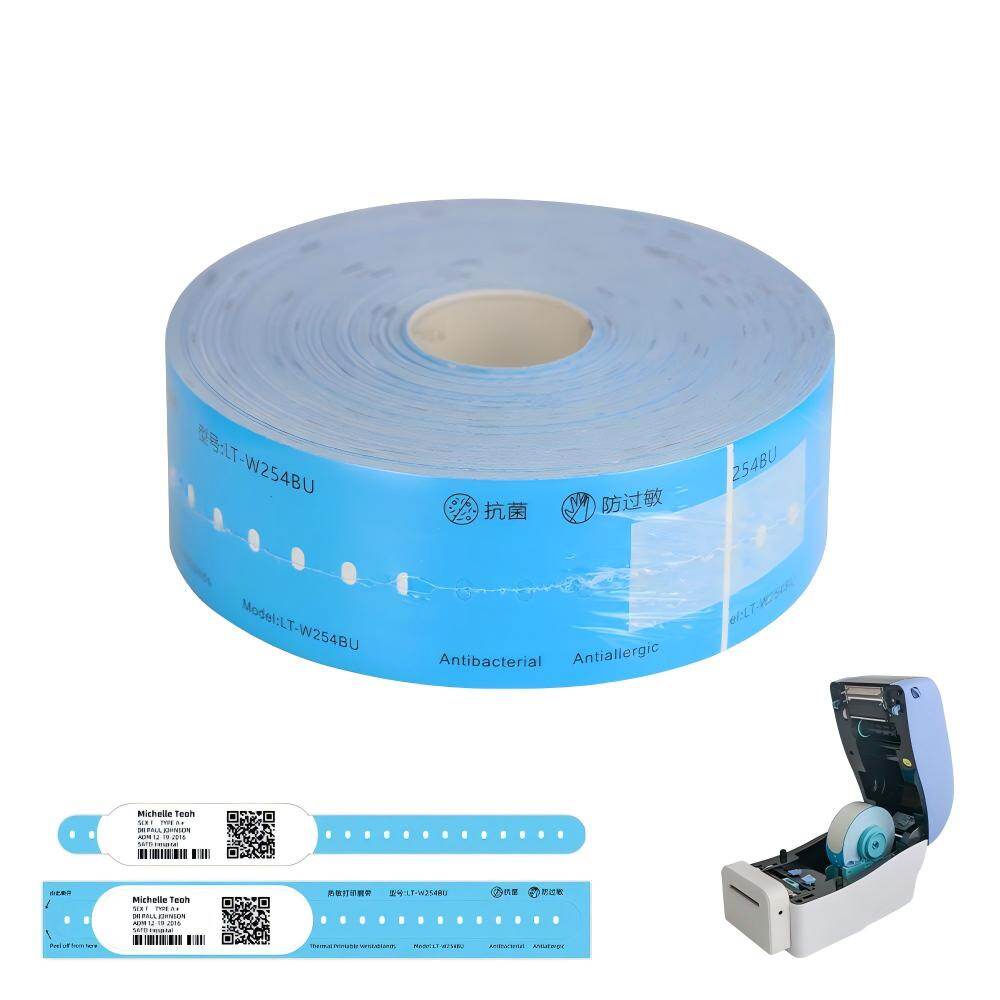
The Joint Commission Patient Identification Standards: What Wristbands Must Comply With
What does The Joint Commission actually require of patient identification wristbands? This guide explains the two-identifier rule, why an armband is a source rather than an identifier, continuous-wear and verification-before-application expectations, newborn and non-communicative patient protocols, temporary John Doe identifiers, specimen labeling in the patient presence, and the survey pitfalls behind citations—plus how correct sizing stock from bariatric patient wristbands to extended-length wristbands and ankle bands supports patient identification accuracy and CAP Q-Probes readiness.
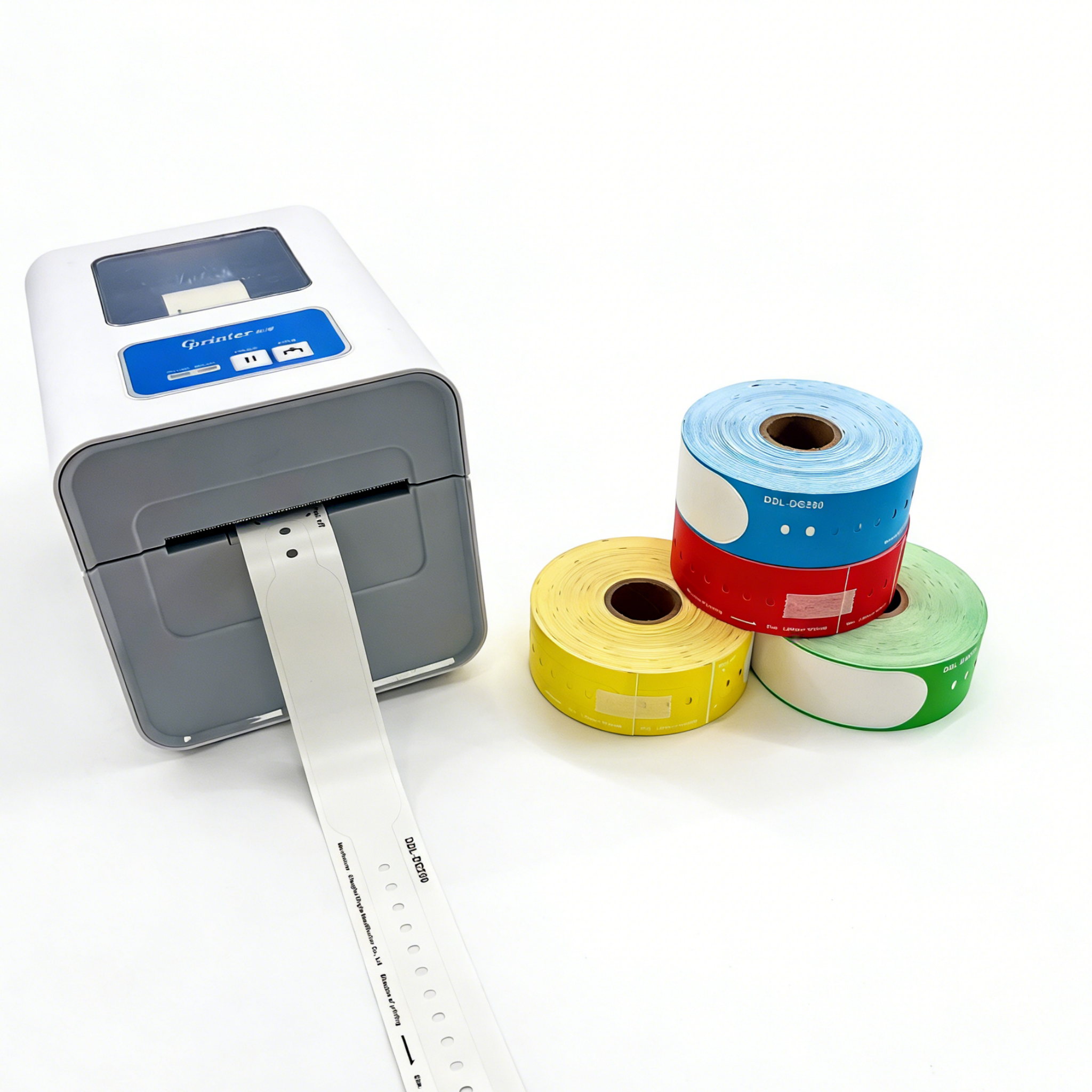
Reducing Wristband Errors at Admission: Workflow Design and Staff Training
Admission is where patient identification accuracy is won or lost. This evidence-based guide analyzes why wristband errors happen—batch printing, interruptions, normalized workarounds, special-population ambiguity, limb placement mistakes—and prescribes workflow redesign plus scenario-based staff training: embedded two-identifier verification, point-of-care printing, clear ownership, audit and feedback, and protocols for newborns, non-communicative patients, bariatric patient wristbands, extended-length wristbands and ankle bands aligned with CAP Q-Probes expectations.
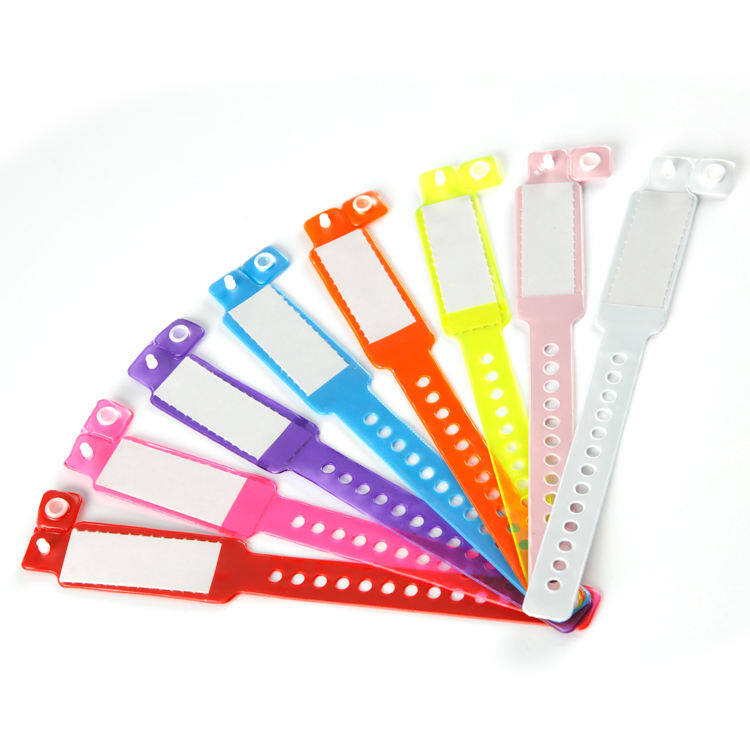
Downtime Procedures for Wristband Printing: What to Do When the System Fails
When wristband printing fails—network outage, printer fault, middleware crash, or stock depletion—patient identification cannot wait. This guide covers failure modes, Joint Commission and NHS GS1 DataMatrix standards, pre-printed emergency inventory strategy, the manual two-identifier verification workflow, handwritten band rules, hybrid printing fallbacks, role assignment, and post-downtime reconciliation.
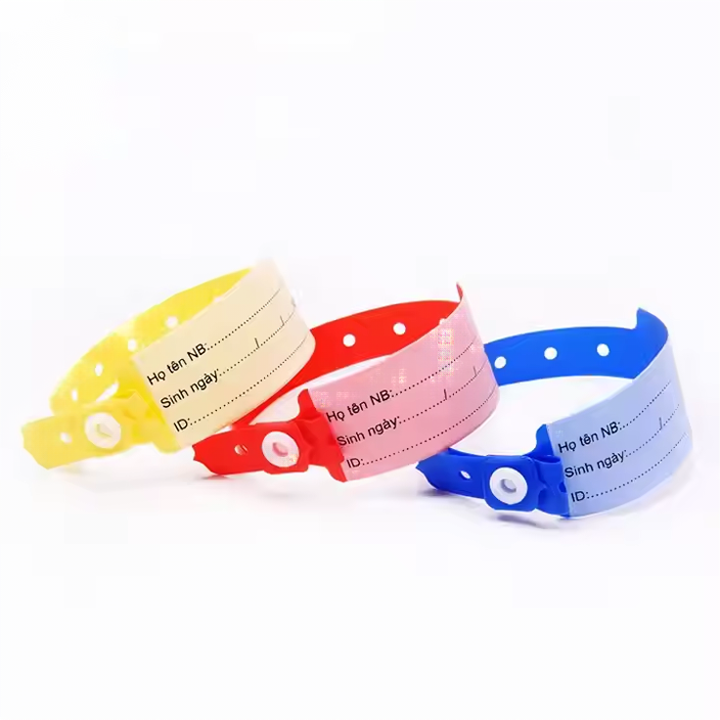
Wristband Scanning at the Bedside: Barcode vs RFID vs NFC Compared
Barcode, RFID, and NFC each change how reliably a bedside wristband verifies the right patient. This practical guide compares scanning speed, patient identification accuracy, total cost, and interference risk across medication administration, blood transfusion, and specimen collection, and offers a decision framework—including hybrid wristband designs—for choosing the right identification technology.
Wristband Printing Integration with EHR: HL7, FHIR, and Workflow Automation
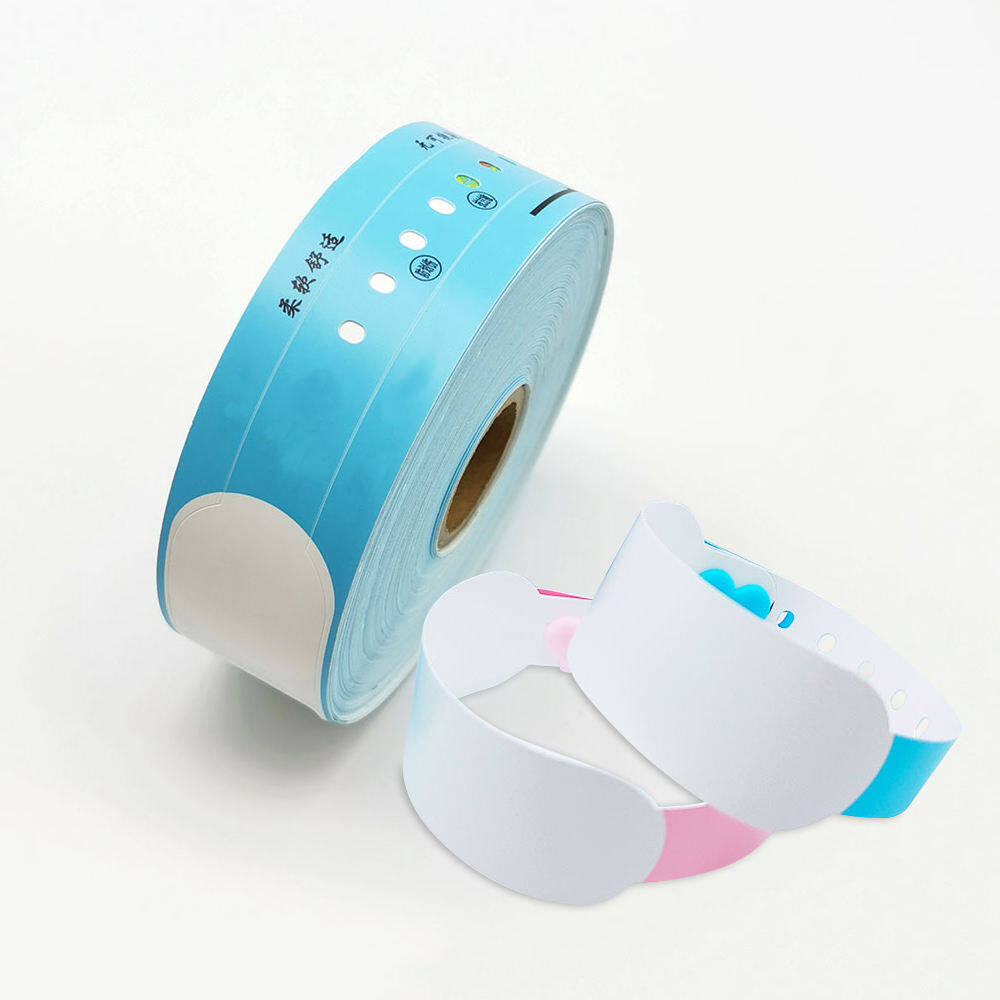
Automated wristband printing integrated with the EHR is a patient safety intervention. This guide explains HL7 v2 ADT triggers and FHIR Patient resources, middleware architecture, GS1 DataMatrix and DCB1077 barcode standards, print trigger patterns from admission to demographic updates, and practical implementation steps that protect patient identification accuracy across inpatient, pediatric, and laboratory workflows.
Wristbands in Behavioral Health Units: Balancing Safety, Privacy, and Identification
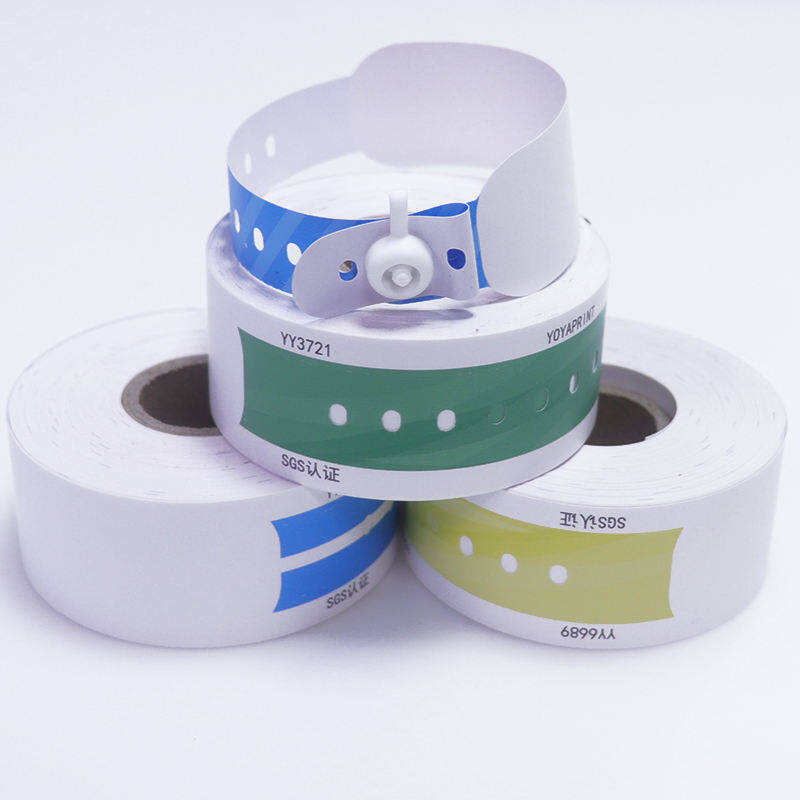
Behavioral health units demand a different wristband approach: ligature risk, non-metallic construction, tamper resistance, and patient privacy all constrain design. This guide compares adhesive, clip and snap, and locking closures for psychiatric and pediatric behavioral health settings, and offers practical selection and workflow recommendations for safety, privacy, and reliable patient identification.
All Articles
50 Everyday Applications of Wristbands and Bracelets: A Comprehensive Guide
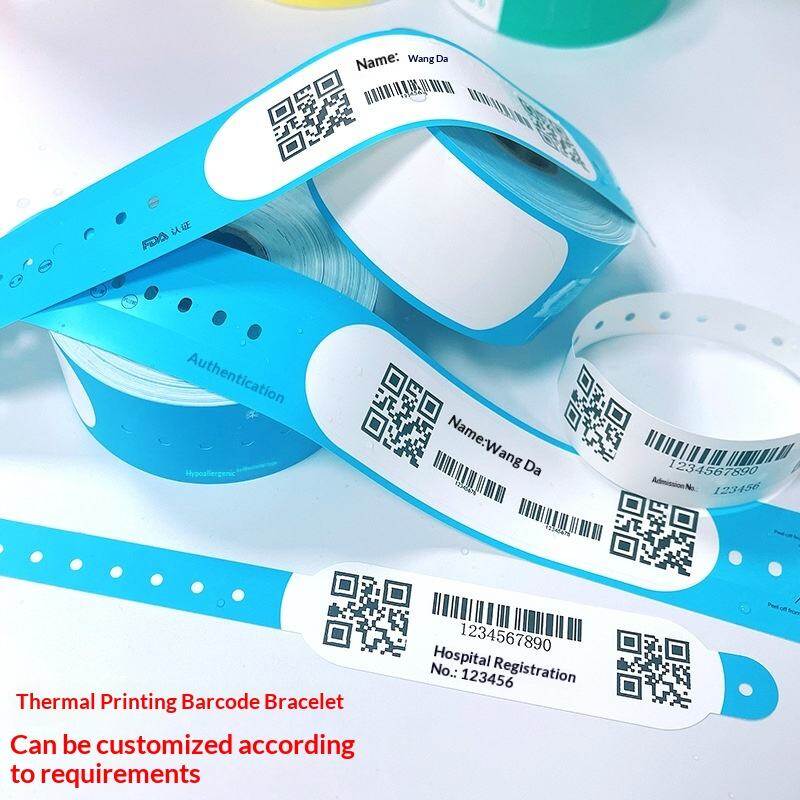
From functional tools to fashion statements, wristbands and bracelets have evolved into indispensable accessories in modern daily life. This guide explores 50 diverse and practical applications organized into categories for a clearer overview of their versatility.
The Definitive Guide to Wristbands & Bracelets Classification: 9 Materials, 50+ Applications, and Industry Insights
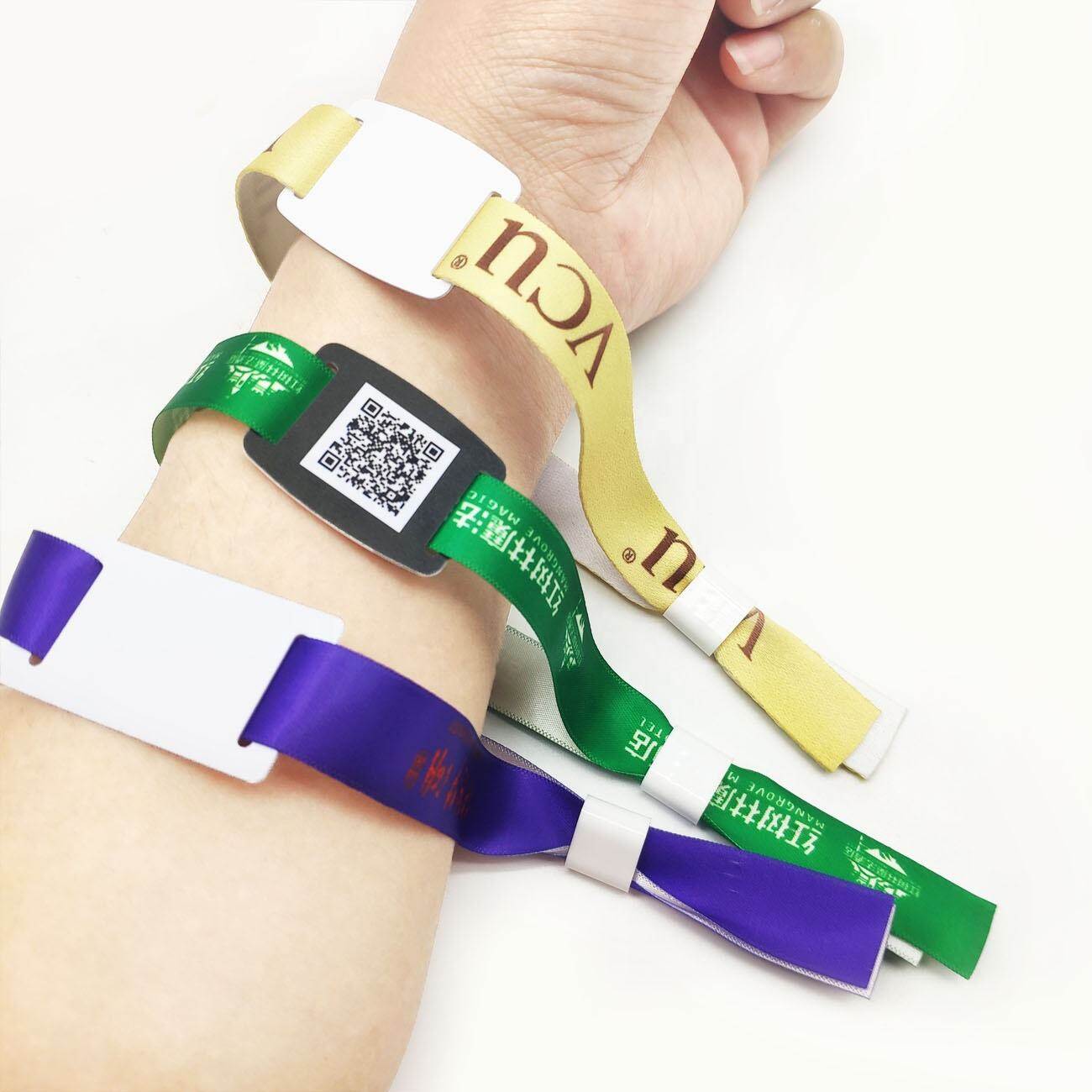
A comprehensive classification guide covering 9 wristband and bracelet material types, over 50 real-world applications across healthcare, events, retail, and more, plus expert industry insights from WEIDMED.
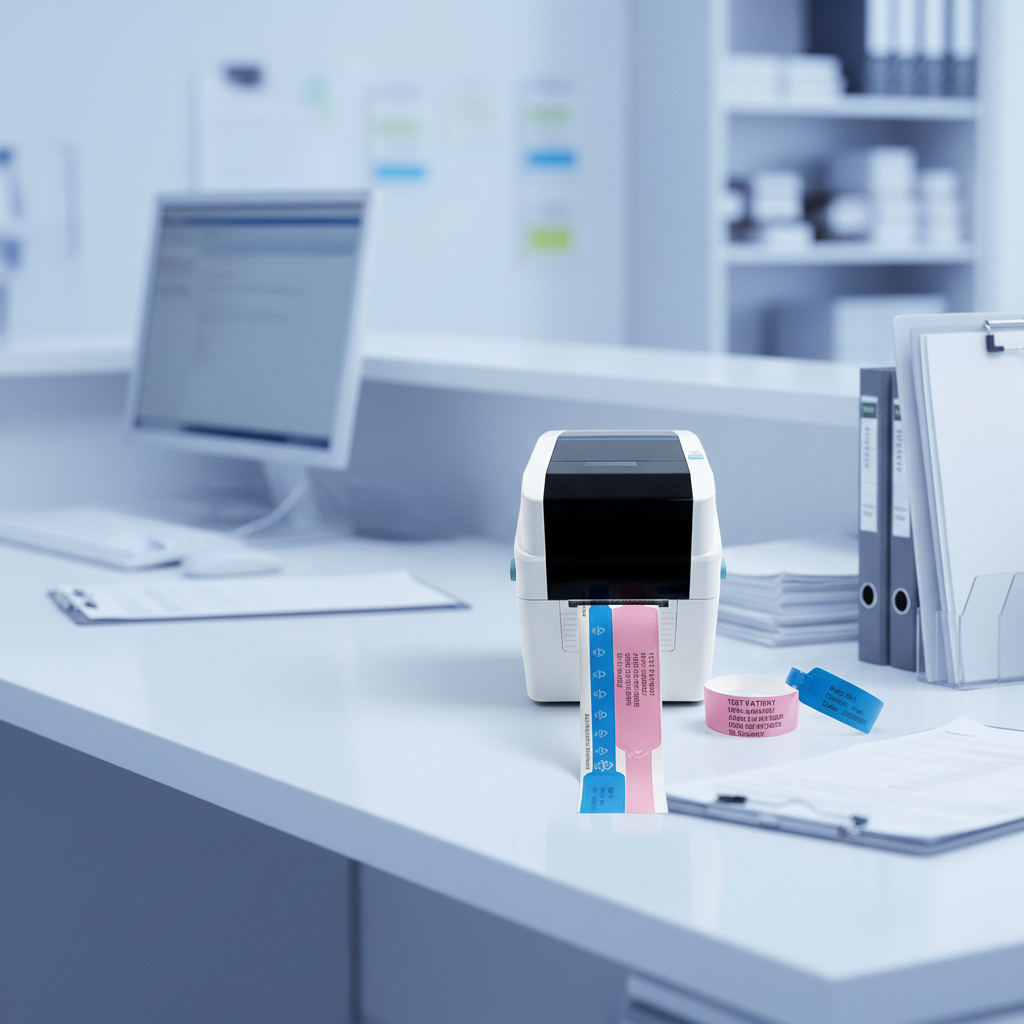
The Critical Role of Patient Wristbands in Modern Hospital Workflow Integration
Explore how patient identification wristbands serve as the cornerstone of modern hospital workflow integration, enabling closed-loop medication administration, reducing medical errors, and streamlining clinical operations across healthcare facilities.
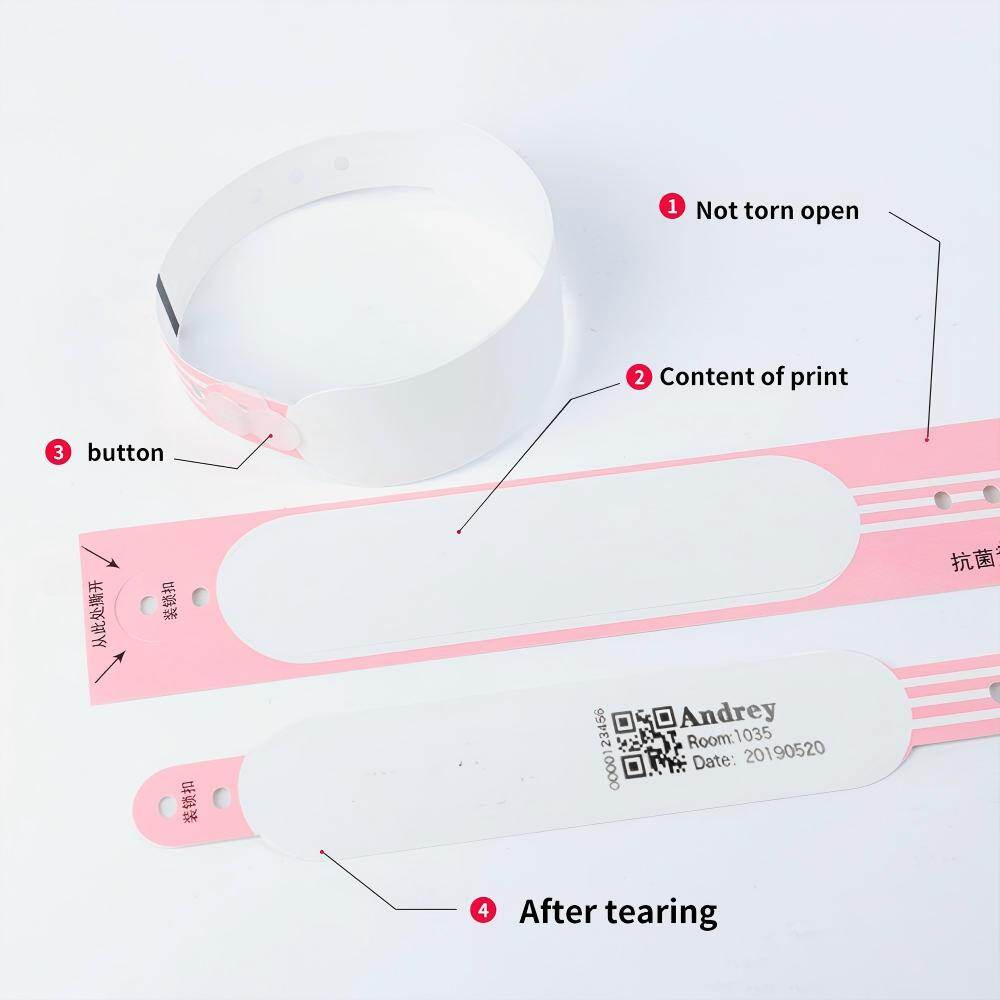
Beyond Identification: The Evolution of the Patient Wristband into a Clinical Data Hub
Comprehensive analysis of how modern patient wristbands have evolved from passive identifiers to active clinical data hubs integrating barcodes, RFID, and BLE technologies for workflow automation and real-time patient tracking.
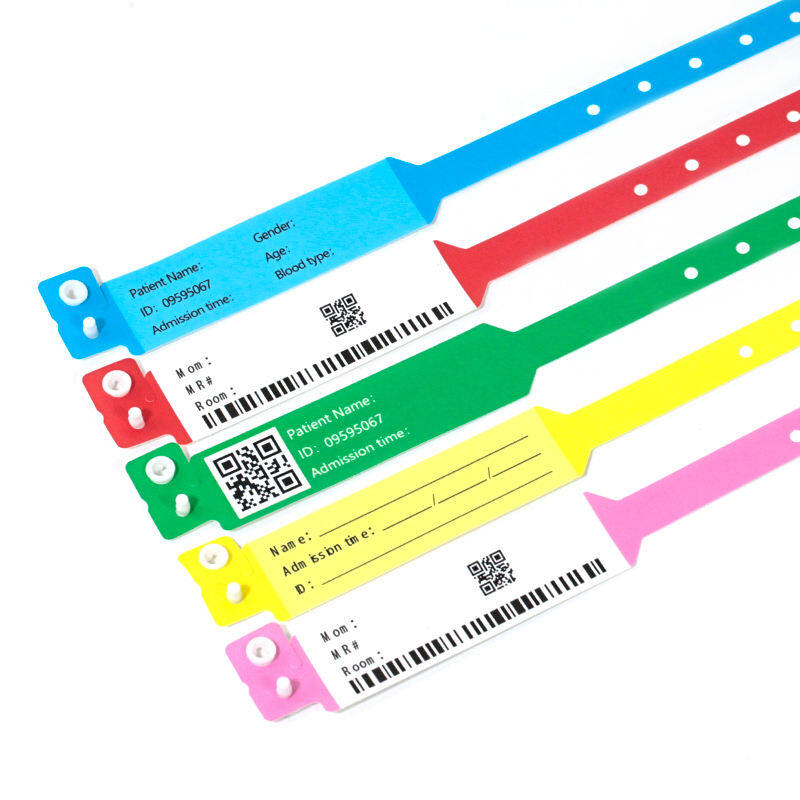
Handwritten vs. Printed Patient Wristbands: Will Handwritten IDs Become Obsolete in Modern Healthcare?
A comprehensive comparison of handwritten and printed patient wristbands across cost, efficiency, accuracy, information capacity, and durability. Discover why modern healthcare facilities are transitioning to printed medical ID wristbands for improved patient safety and EHR integration.
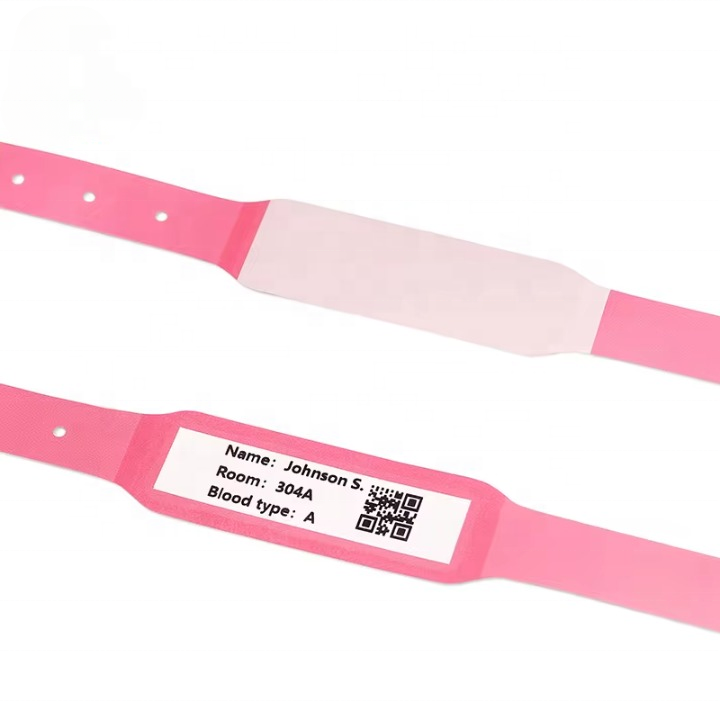
The 'Red, Yellow, Green' of the ER: Life-Priority Management Behind Color-Coded Medical Wristbands
How do emergency rooms decide who gets treated first? Discover the color-coded medical wristband system behind ER triage — red, yellow, green — and how it saves lives during mass casualty incidents and daily hospital operations.
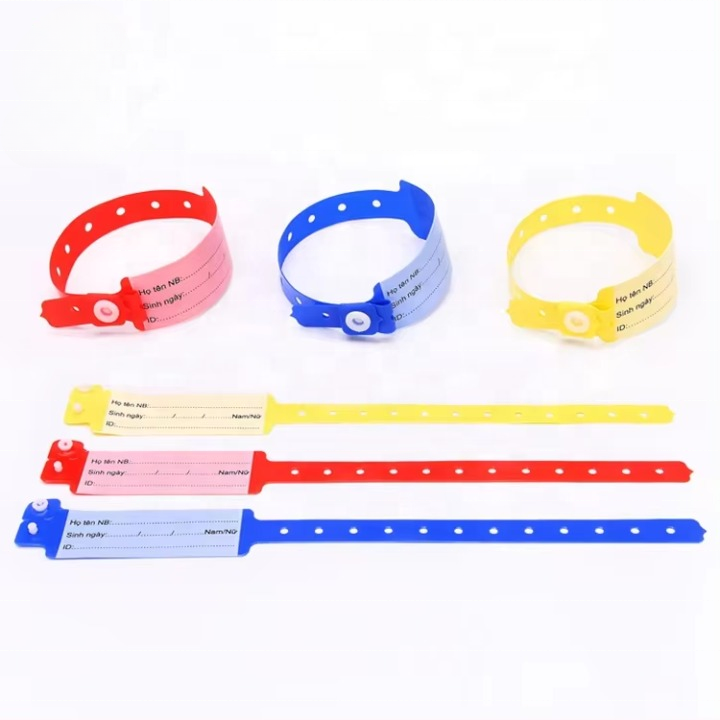
From Newborns to Geriatrics: Why Different Hospital Departments Need Customized Medical Patient Wristbands
Discover why hospitals need customized medical wristbands for different departments. From neonatal wristbands for newborns to geriatric patient wristbands, learn how age-specific patient identification wristbands improve safety, comfort, and workflow efficiency across hospital wards.
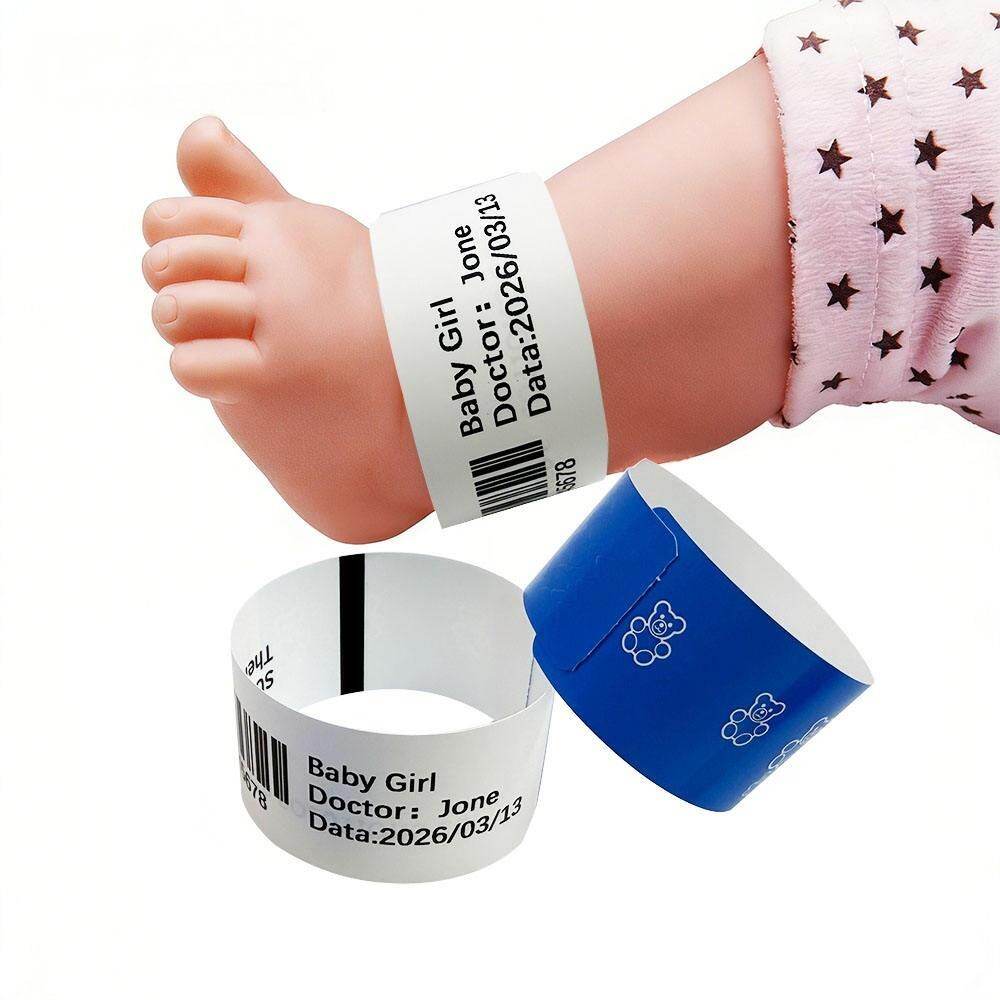
From Neonatal to Geriatric: Why Different Hospital Departments Require Custom-Sized Medical Wristbands
Discover why hospitals need custom-sized medical wristbands for neonatal, pediatric, and geriatric departments. Learn how proper patient identification wristband sizing improves safety, comfort, and compliance across every care setting.
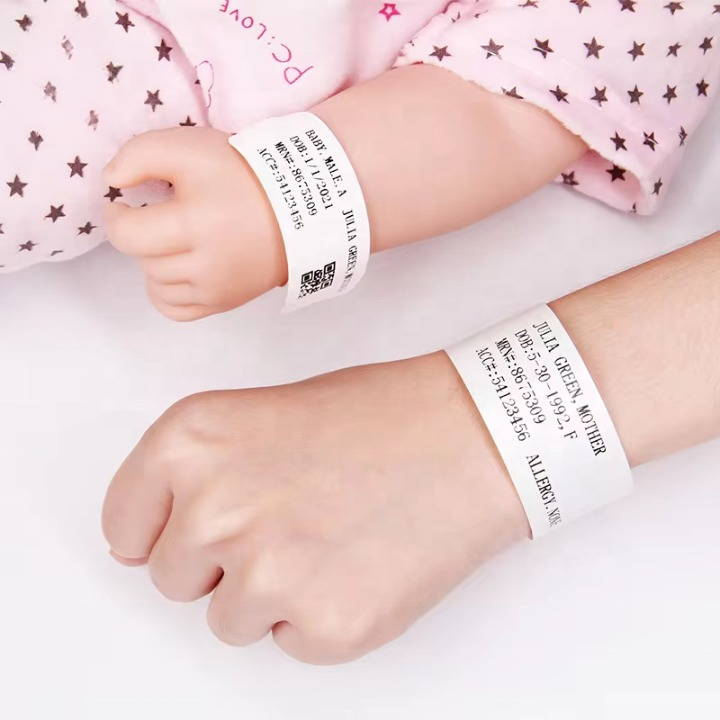
Ergonomics and Dermatology in Medical Wristbands: Engineering for Allergy-Free, Comfortable, and Secure Patient Identification
A comprehensive exploration of ergonomic design principles, biocompatibility testing standards (ISO 10993), dermatological safety certifications, and material selection criteria for medical wristbands that prioritize patient comfort and skin health.
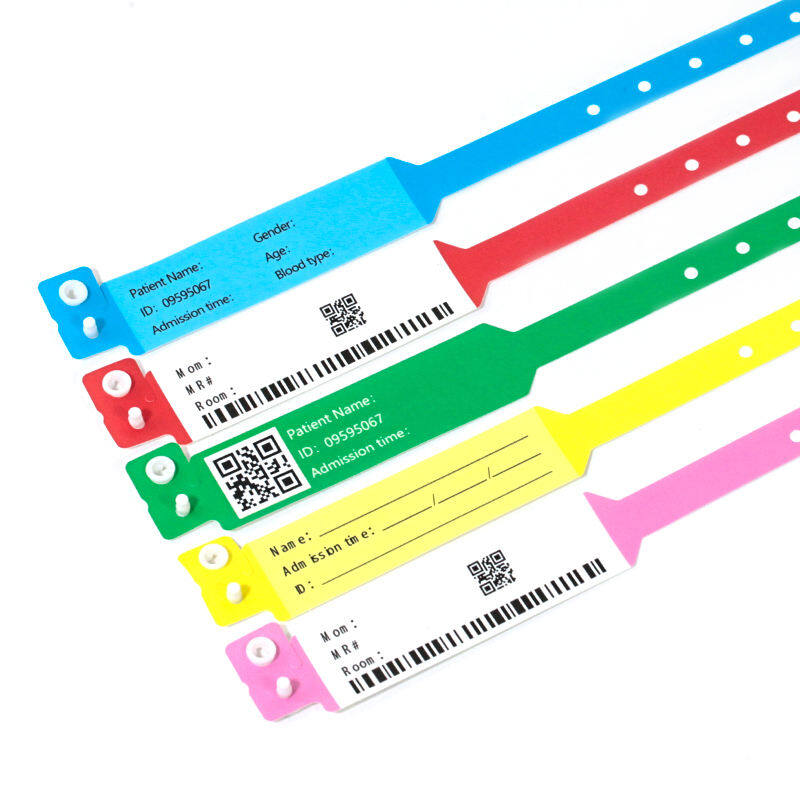
Scanning for 90 Days? How Medical Wristbands Resist Alcohol, Blood, and Stains
Comprehensive guide to medical wristband durability testing covering alcohol resistance, water immersion, abrasion resistance, material comparison between Tyvek and Thermal wristbands, and the clinical impact of using substandard wristbands in healthcare settings.