
Pediatric Wristbands That Stay On: Adhesive, Clip, and Lock Solutions Compared
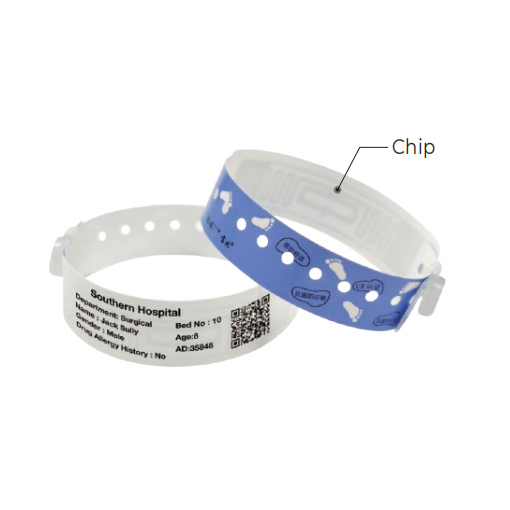
Patient identification wristbands are among the most ubiquitous safety tools in modern healthcare. For adult patients, a wristband is a passive artifact—something worn without thought, checked at the bedside, scanned before medication administration. For pediatric patients, the same wristband becomes an active variable in a complex system of care, one that is subject to forces adults rarely experience: growth spurts, curious fingers, frequent bathing, diaper changes, and the simple fact that a child's wrist bears little resemblance to the adult anatomy around which most identification systems were designed.
The consequences of wristband failure in pediatric settings are not trivial. When a child's identification band falls off, the safety net that ensures correct medication administration, blood transfusion matching, and procedure verification develops a hole. Clinical quality improvement data consistently demonstrate that barcode medication administration scanning compliance rises dramatically when wristbands remain functional and accessible; one emergency department saw scanning compliance jump from 67% to 97% after implementing targeted quality improvement measures focused on the scanning workflow. When a pediatric wristband is missing, soiled, or illegible, the nurse faces a choice between delaying care to replace the band or bypassing the scanning verification step entirely. In high-pressure pediatric environments—the emergency department, the neonatal intensive care unit, the busy general ward—that choice frequently tilts toward bypassing verification, introducing precisely the kind of identification error the system was designed to prevent.
Research into pediatric wristband compliance reveals a stark age gradient. A study of 260 hospitalized children found that non-wearing rates were highest among the youngest patients: 41% for infants under one year, 37% for children aged one to three, 17% for ages four to seven, and just 5% for children over seven. The pattern is unmistakable. The smaller the patient, the less likely the patient identification band will stay where it belongs. This is not a failure of nursing diligence or parental attention. It is a failure of product design that has not adequately accounted for the distinct anatomical, behavioral, and environmental realities of pediatric care.
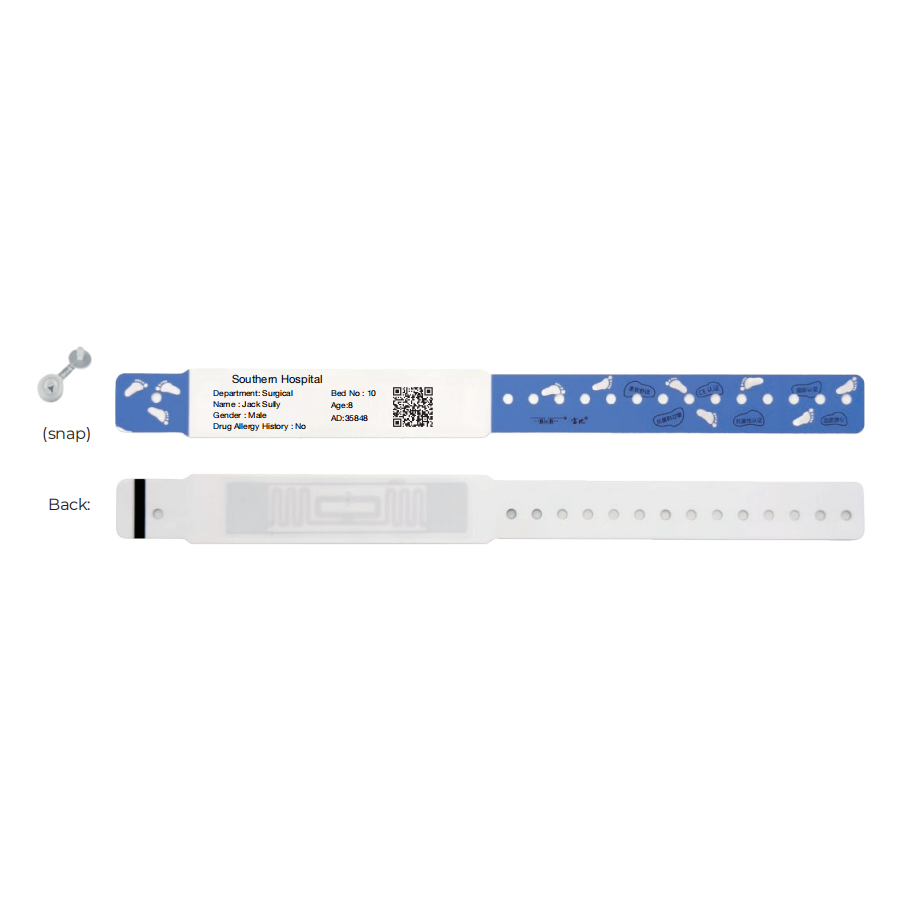
The reasons for this elevated failure rate fall into several overlapping categories. First, there is the problem of fit and adjustability. A traditional wristband sized for an adult wrist cannot be simply scaled down without creating new problems. If the band is too loose, it slides off over the hand or becomes a dangling distraction that a child will pull at. If it is too tight, it creates pressure marks, restricts circulation, and becomes a source of discomfort that parents and children alike will seek to remove. Pediatric wristbands must accommodate a range of limb circumferences that expands as the child grows, often within a single hospitalization.
Second, there is the behavioral factor. Young children are tactile explorers. A wristband is a novel object on their body, and their response to novelty is to pull, chew, twist, and investigate. Even the most securely fastened band is vulnerable to a determined toddler. Parents, meanwhile, may remove the band for bathing or dressing and fail to replace it correctly, or may view it as an unnecessary inconvenience when the child is uncomfortable or distressed.
Third, there is the environmental wear factor. Pediatric patients are bathed more frequently than adults, have their diapers changed regularly, and are more likely to spill food, formula, or other liquids onto their hands and arms. A wristband that withstands the occasional handwashing in an adult ward may face hourly exposure to moisture, alcohol-based sanitizers, and mechanical abrasion in a pediatric setting. Barcode legibility degrades rapidly under these conditions, and a band that cannot be scanned is functionally equivalent to a band that has fallen off.
Finally, there is the simple anatomical reality. A newborn's wrist may be barely two centimeters in circumference. An infant's skin is thinner, more sensitive, and more prone to irritation from adhesives or rough edges. The limb itself is in near-constant motion, and the subcutaneous fat layer that provides padding in adults is largely absent, meaning that even slight pressure from a closure mechanism can create focal irritation. Any closure solution for pediatric wristbands must therefore balance security against gentleness in a way that adult products rarely need to consider.
The clinical literature on this subject is unambiguous: pediatric wristband use is inconsistent, and the consequences of that inconsistency extend beyond inconvenience into the realm of patient safety. Understanding the closure mechanism—the adhesive, the clip, or the lock—is therefore not a matter of product preference. It is a matter of understanding where the weakest link in the identification chain lies, and how different design approaches attempt to strengthen it.
The Anatomy of Pediatric Wristband Failure
Before comparing closure mechanisms, it is worth examining the points at which pediatric wristbands typically fail. The failure modes are not random. They cluster around specific interactions between the band, the patient, and the care environment.
The most common failure mode is simple loosening. A wristband that begins the shift properly fitted may, over hours or days, become loose enough to slide over the hand. This happens for several reasons. The material may stretch with repeated exposure to moisture and handling. The closure mechanism may ratchet loose under the mechanical stresses of daily wear. Or the band may have been applied with insufficient tension in the first place—a common occurrence when a nurse is attempting to place a band on a squirming, crying infant while simultaneously managing other clinical priorities.
The second failure mode is closure failure. The snap, clip, or adhesive that secures the band may release under forces that would not affect an adult wristband. A child tugging at the band during a tantrum generates a different pattern of stress than an adult going about their daily activities. A parent lifting the child by the arms, a common and instinctive motion, can transmit significant force through the wristband. If the closure mechanism is not engineered to withstand these pediatric-specific forces, it will eventually give way.

The third failure mode is information degradation. Even if the band remains physically attached, the printed information—the barcode, the patient name, the medical record number—may become illegible. Pediatric environments are harsh on printed materials. Formula spills, diaper blowouts, and frequent bathing all take their toll. A band that cannot be scanned forces the nurse into a manual verification process, which is slower, more error-prone, and more likely to be skipped under time pressure.
The fourth failure mode is removal by the patient or caregiver. This is distinct from accidental loosening. A child old enough to understand that the band is uncomfortable or inconvenient may deliberately work it loose. A parent who does not understand the band's purpose may remove it during a bath and forget to replace it, or may decide that it is causing irritation and should be taken off. Research indicates that parental understanding of wristband importance is alarmingly low: in one study, 55% of parents did not know the exact name and use of the band, and 68% did not think wearing it was necessary. This knowledge gap directly translates into reduced compliance.
Each of these failure modes interacts with the closure mechanism in different ways. An adhesive closure fails differently than a plastic clip, which fails differently than a locking snap. Understanding these differences is essential for making informed decisions about which solution is appropriate for a given pediatric care context.
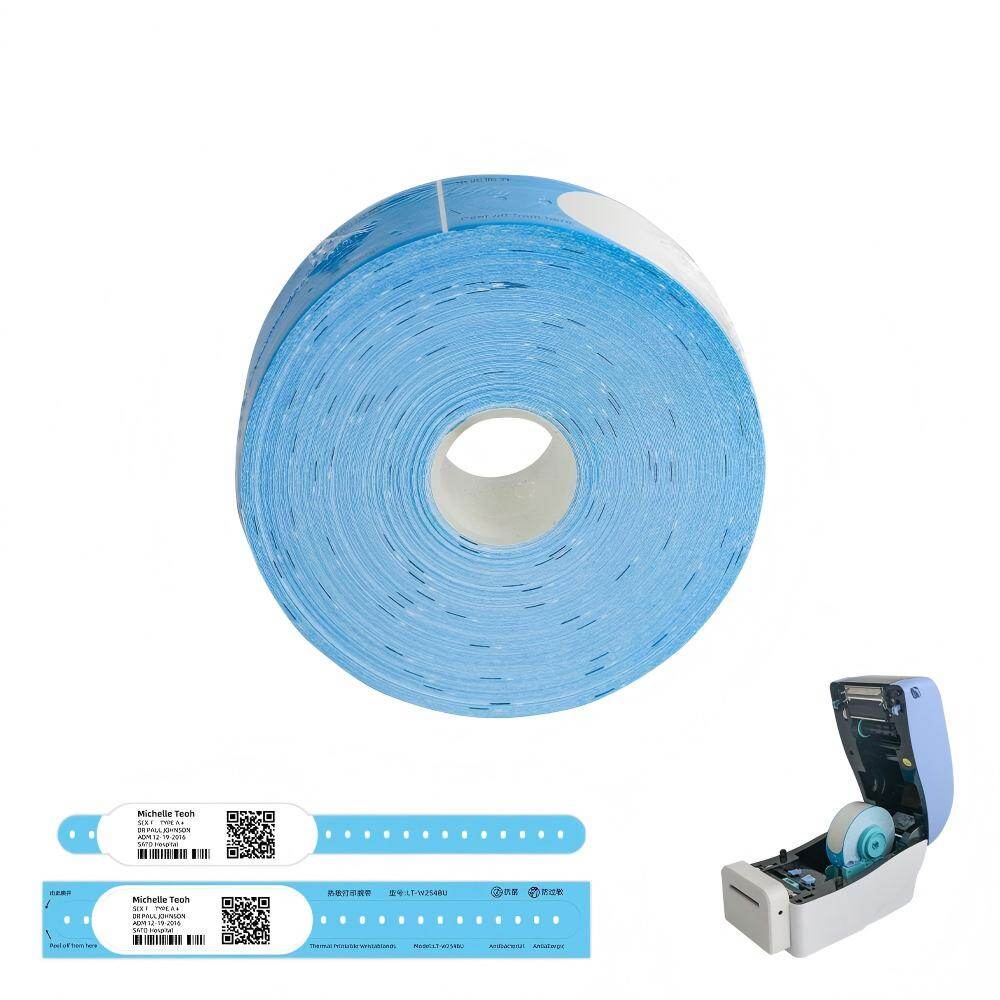
Adhesive Solutions: The Gentle but Vulnerable Option
Adhesive closures for pediatric wristbands represent the gentlest end of the spectrum. These products typically use a medical-grade adhesive to secure the band to itself or to a backing material that remains in contact with the skin. The appeal of adhesive solutions is immediately apparent: there are no hard plastic components to create pressure points, no mechanical closures to malfunction, and the profile of the band can be made extremely thin and low-profile.
For neonatal intensive care unit patients—the smallest and most vulnerable pediatric population—adhesive-based identification solutions are often the only viable option. A standard plastic wristband closure, even one designed for pediatric use, can be too bulky for a premature infant's limb. The strap itself may be wider than the baby's wrist, and the closure mechanism may create a focal pressure point that interferes with circulation or causes skin breakdown. Adhesive bands, by contrast, can be manufactured in extremely narrow widths and thin materials, allowing them to conform to the smallest anatomy without creating harmful pressure.
Modern adhesive pediatric wristbands frequently use materials that are free of latex and phthalates, addressing concerns about allergic reactions and chemical exposure in vulnerable patients. The adhesives themselves are formulated to be skin-friendly, removing cleanly without damaging the fragile epidermal layer. Some products incorporate antimicrobial coatings or are designed to withstand exposure to alcohol-based sanitizers without losing adhesion or legibility.
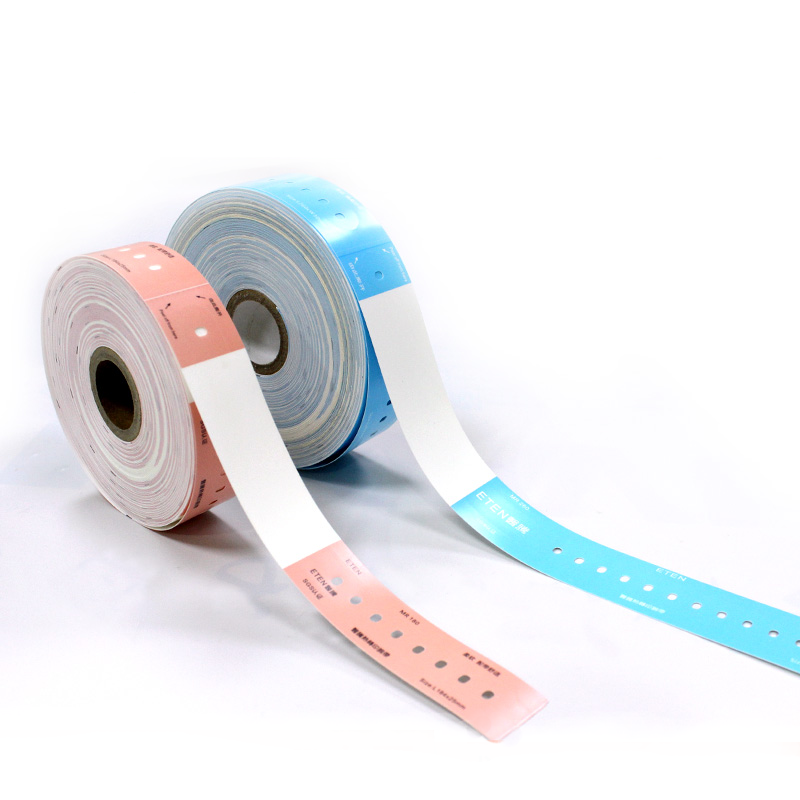
The primary vulnerability of adhesive solutions is, unsurprisingly, adhesion failure. Moisture is the enemy of medical adhesives. A band that adheres perfectly to dry skin may begin to lift at the edges after a bath, a spilled feeding, or simply prolonged exposure to sweat. Once the adhesive begins to fail, the process accelerates rapidly. A lifting corner becomes a tab that the child can pull, or that catches on clothing during dressing changes. Within hours, a band that was secure can be completely detached.
Barcode legibility is another concern with adhesive bands. The materials used for adhesive wristbands are often softer and more flexible than the rigid plastics used for clip-on bands, which can make them more comfortable but potentially less durable for printed information. The combination of moisture exposure and mechanical flexing can cause the printed surface to degrade, particularly if the printing is not protected by a laminate or overcoat.
Adhesive solutions also have a limited window of reliable use. Because the adhesive bond degrades over time, and because repeated exposure to moisture accelerates that degradation, adhesive bands are best suited to short-stay patients or to situations where the band can be regularly inspected and replaced if necessary. For a neonatal intensive care patient who will remain in the hospital for weeks or months, an adhesive band may need to be replaced frequently, increasing the workload on nursing staff and creating additional opportunities for identification errors during the replacement process.
The clinical consensus appears to be that adhesive closures are appropriate for the youngest and smallest patients, particularly in the NICU where the alternative—a mechanical closure—poses greater risks of pressure injury and discomfort. For older infants and children, however, the durability limitations of adhesive solutions become increasingly problematic as the patient becomes more mobile and more interactive with their environment.
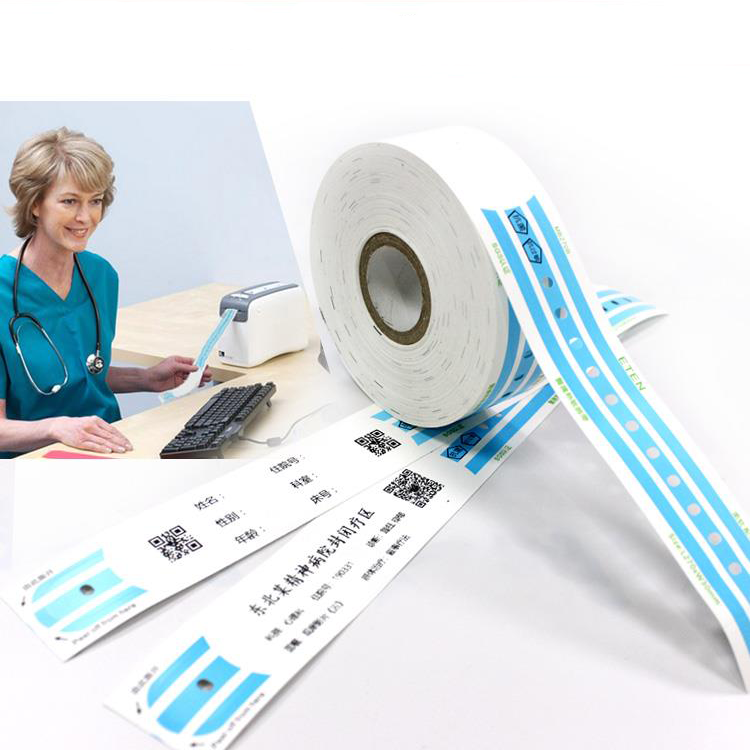
Clip and Snap Solutions: The Familiar Middle Ground
Plastic clip and snap closures occupy the middle ground between the gentleness of adhesive and the security of locking mechanisms. These are the closures most familiar to anyone who has worn a hospital identification band: a plastic strap that feeds through a buckle or snap mechanism, with the closure engaging in one of several pre-formed holes or ratchet positions.
The advantages of clip and snap closures are significant. They are intuitive to apply and adjust, requiring no special tools or training. The closure is reversible, meaning that the band can be loosened or repositioned without destroying it, which is useful during procedures that require access to the arm or during periods when swelling or growth changes the fit requirements. The plastic strap material is durable, withstands moisture well, and provides a stable surface for printed information and barcodes.
For pediatric applications, clip and snap closures are available in narrower widths and smaller sizes than adult products. A pediatric snap band may be half the width of an adult band, with a corresponding reduction in the size of the closure mechanism. This smaller profile reduces the surface area available for printed information, however, which can be a constraint when the band needs to carry both human-readable text and a scannable barcode. Manufacturers have addressed this by using condensed fonts and by printing barcodes with high-density symbologies that pack more information into less space.
The fundamental limitation of clip and snap closures is that they are removable without destruction. This is a feature for adult patients who may need to temporarily remove a band for a medical procedure, but it is a vulnerability in pediatric settings where the band may be removed by the patient, a sibling, or a caregiver who does not fully understand its importance. A snap closure that can be opened by an adult hand can also, with enough determination, be opened by a child's hand. And once opened, the band may not be replaced, or may be replaced incorrectly, or may be lost entirely.
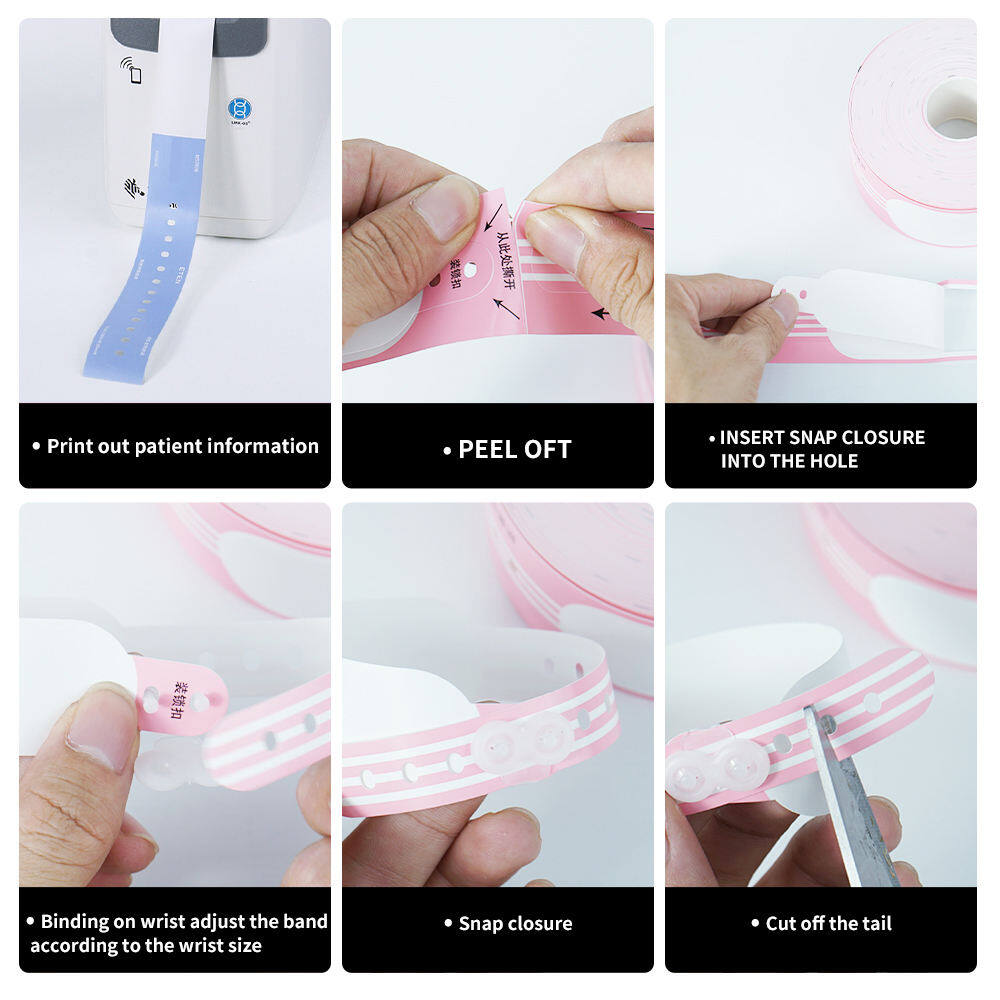
This vulnerability has led some healthcare systems to prefer tamper-evident or locking closures for pediatric patients who are mobile enough to remove a standard snap band but not old enough to understand why they should not. The challenge, however, is that locking mechanisms are inherently more difficult to apply and adjust, and may be less comfortable for the patient.
Clip and snap closures also present a potential safety concern: the closure mechanism itself is a small, hard plastic component that sits against the skin. If the band is applied too tightly, or if the child's limb swells for any reason, the closure can create a pressure point that restricts circulation or causes skin irritation. The FDA has received reports of wristband-related pressure injuries in pediatric patients, and while these are rare, they underscore the importance of proper application technique and regular inspection.
Locking Mechanisms: Maximum Security, Maximum Scrutiny
Locking closures—sometimes called one-time-use or tamper-evident closures—represent the most secure option for pediatric wristbands. These mechanisms are designed so that once the band is closed, it cannot be opened without cutting or destroying the band. The closure typically uses a ratchet-and-pawl design, a snap that engages permanently, or an adhesive-backed tab that bonds irreversibly to the strap material.
The security advantage of locking closures is obvious. A band that cannot be removed without destruction is a band that will remain in place until a healthcare professional decides to remove it. This eliminates the failure mode of patient or caregiver removal, which as we have seen is a significant contributor to pediatric wristband non-compliance. For patients who are confused, combative, or simply too young to understand the purpose of the band, a locking closure provides a level of assurance that other mechanisms cannot match.
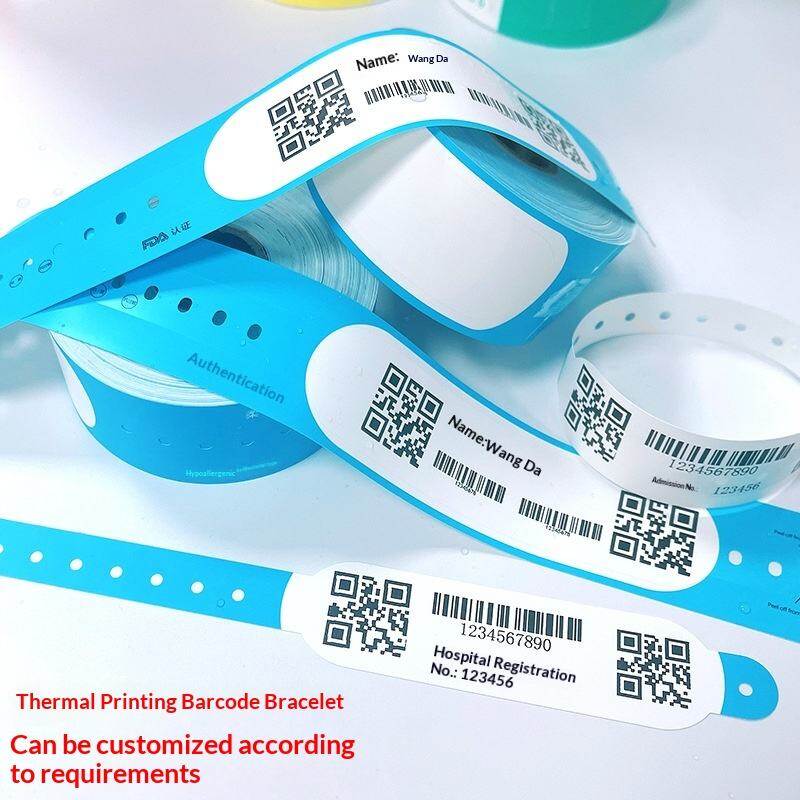
Locking closures are also resistant to the loosening failure mode. A well-designed ratchet mechanism will maintain its position under the forces of daily wear, only releasing when the band is deliberately cut. This means that the band will not gradually slide off the way a snap closure might.
However, locking closures are not without their own vulnerabilities in pediatric settings. The first is the application challenge. Because the closure cannot be undone, the band must be correctly sized and positioned on the first attempt. A band that is applied too tightly must be cut off and replaced, which is wasteful and distressing for the patient. A band that is applied too loosely may still slide over the hand despite the locking closure, because the security of the closure does not compensate for an improperly sized band.
The second vulnerability is the potential for pressure injury. Locking closures often have a larger, more rigid profile than snap closures, because the mechanism must be robust enough to resist tampering. This larger profile creates a greater risk of focal pressure against the skin, particularly if the band is applied over a bony prominence or if the limb swells after application. In neonatal and infant patients, where the skin is thin and the subcutaneous padding is minimal, this risk is amplified. Some locking wristbands designed for pediatric use have been specifically engineered to distribute pressure more evenly, using wider straps and rounded closure profiles to minimize the risk of skin breakdown.
The third vulnerability is the one that locking closures are specifically designed to address: they do not eliminate the possibility of band removal, they simply make it more difficult. A determined child with access to scissors or a sharp object can cut the band. A parent who is convinced that the band is causing harm may cut it despite instructions to the contrary. The locking closure raises the barrier to removal, but it does not eliminate it entirely.
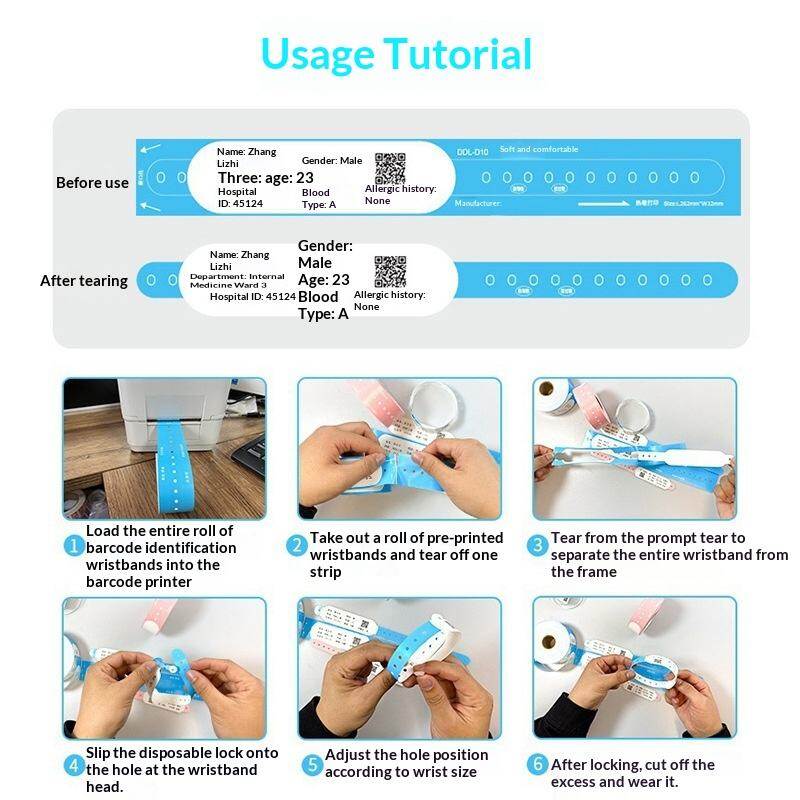
There is also a practical consideration related to scanning and information access. A locking band that is applied too tightly may compress the printed barcode, making it difficult to scan. A band that is positioned so that the printed area is against the skin, or covered by clothing or a diaper, may be inaccessible when the nurse needs to verify the patient's identity. These are not failures of the closure mechanism per se, but they are failure modes that interact with the closure design. A locking band cannot be easily repositioned without cutting it off, so a band that is applied in a suboptimal position is a band that will remain suboptimal until it is replaced.
Material and Printing Considerations for Pediatric Wristbands
The closure mechanism is only one component of a pediatric wristband system. The strap material, the printing method, and the information layer all contribute to the overall performance of the band in the demanding pediatric environment.
Material selection for pediatric wristbands involves a trade-off between durability and gentleness. The rigid plastic materials used for adult bands provide excellent durability and moisture resistance, but they can be stiff and uncomfortable against a child's sensitive skin. Softer materials, such as synthetic paper or silicone, are more comfortable but may not withstand the same level of mechanical abuse. Some manufacturers have developed composite materials that combine a soft, skin-friendly inner layer with a more durable outer layer for printing and structural integrity.
The choice of material also affects how the band responds to moisture. A material that absorbs water will become heavy and may lose its structural integrity, causing the band to sag or the closure to loosen. A material that repels water will remain dimensionally stable, but may trap moisture against the skin, leading to irritation. The ideal pediatric wristband material manages moisture at the interface, allowing the skin to breathe while keeping the printed information protected.
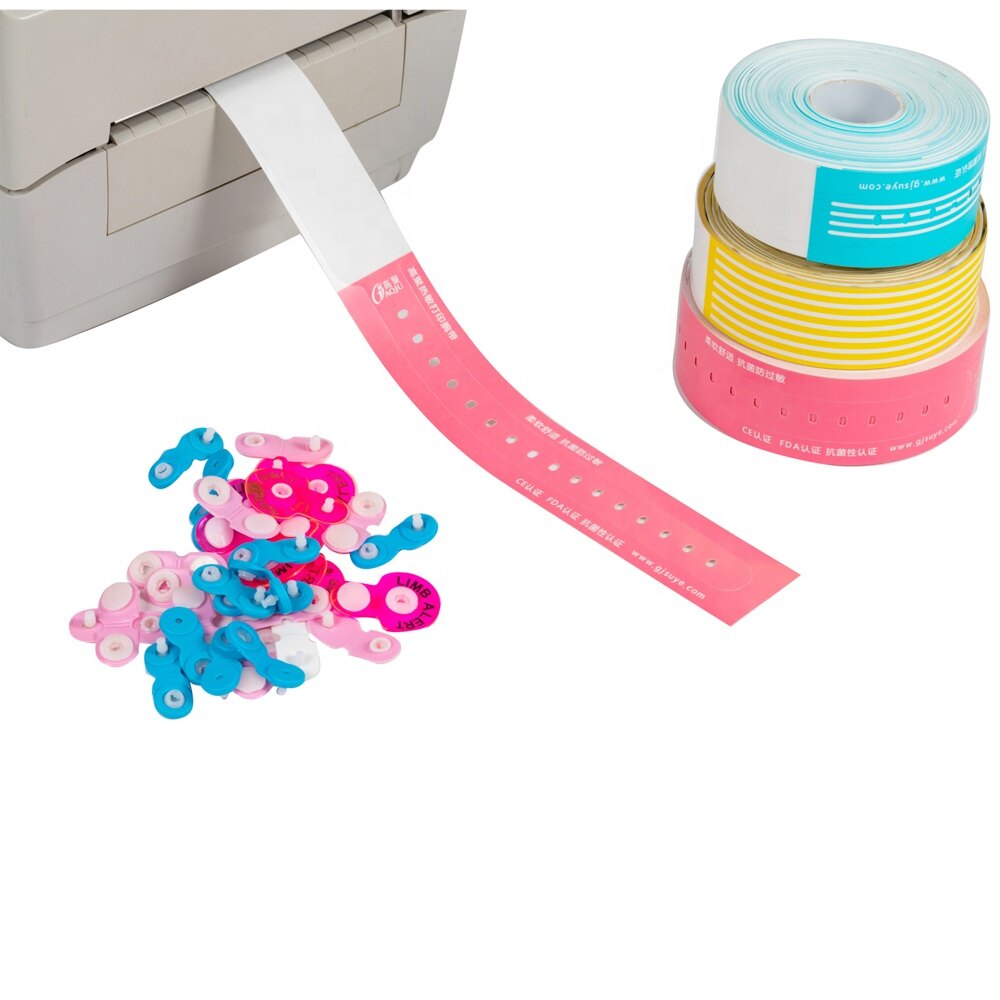
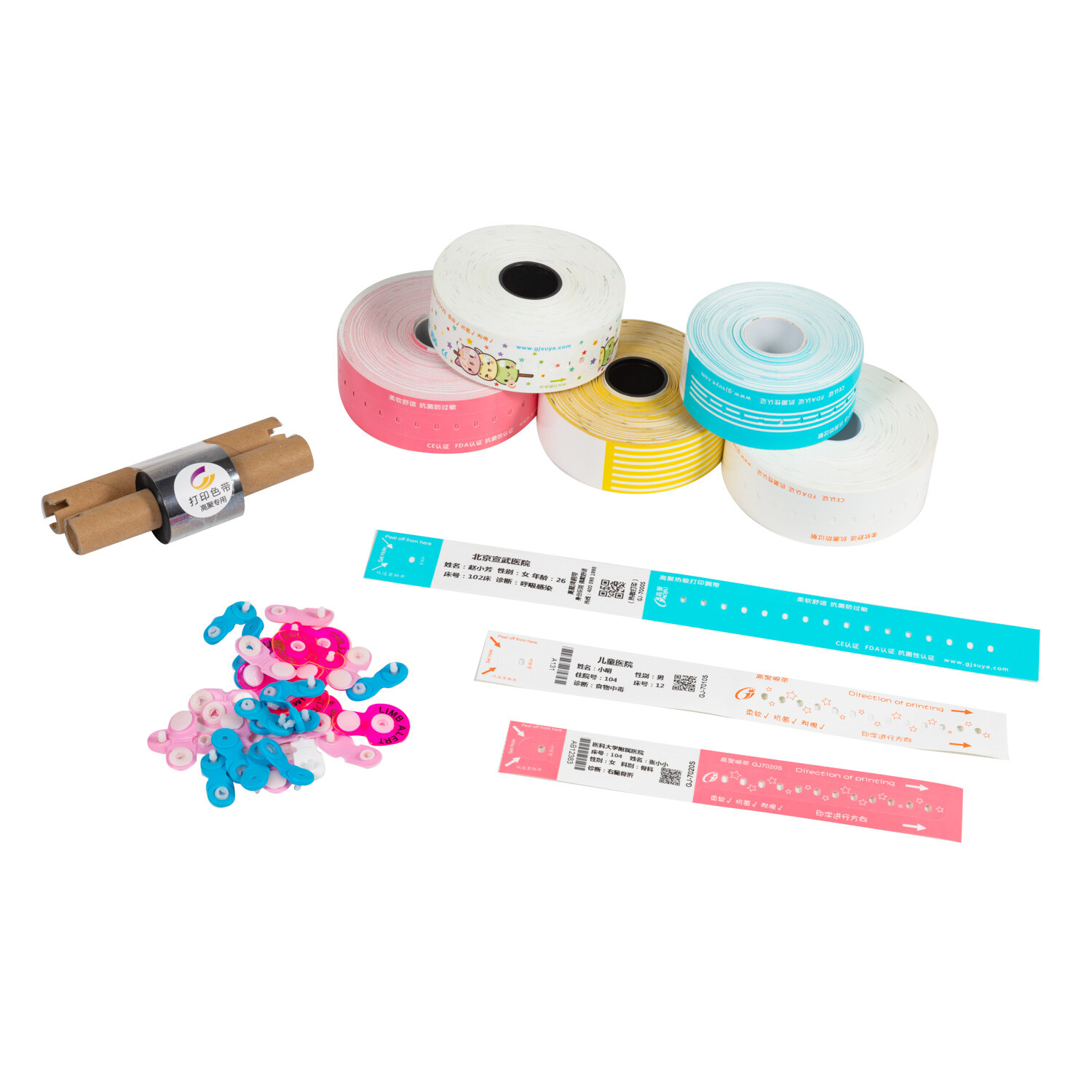
Printing method is another critical variable. Thermal printing, which uses heat to create an image on specially coated paper, is the most common method for hospital wristbands because it allows on-demand printing of patient-specific information. However, thermal printing has limitations. The image can fade over time, particularly with exposure to heat, moisture, and certain chemicals. The printed surface can be scratched or abraded, degrading barcode readability. For pediatric wristbands that will be worn for extended periods or exposed to frequent moisture, thermal printing may not provide sufficient durability.
Thermal transfer printing, which uses a ribbon to transfer ink onto the wristband material, produces a more durable image that resists fading and abrasion. The trade-off is that thermal transfer printing requires a different type of printer and consumable, and the printed image may not be as sharp as a thermal print. For long-stay pediatric patients—those in the NICU, for example, or children with chronic conditions requiring extended hospitalization—thermal transfer printing may be the better choice.
Barcode symbology and print quality also matter. A barcode that is printed with sufficient contrast, at an appropriate size for the scanner being used, and with adequate quiet zones will scan reliably. A barcode that is compressed into an insufficient space, printed with low contrast, or partially obscured by a design element will fail. In pediatric wristbands, where the printable area is small and the information load is high, these considerations become particularly important. Some manufacturers have addressed this by using barcodes that can be oriented perpendicular to the wristband axis, maximizing the available space and aligning the barcode with the scanning direction of typical handheld scanners.
The Role of Clinical Workflow in Wristband Success
A wristband is not a standalone device. It is a component of a larger system that includes the healthcare providers who apply and verify it, the electronic health record that stores the patient information, and the scanning devices that read the barcode. The most secure closure mechanism in the world will fail if the clinical workflow does not support consistent verification.
Research on barcode medication administration compliance reveals that scanning rates are influenced by a complex set of factors, many of which have little to do with the wristband itself. Time pressure, equipment availability, workflow design, and staff attitudes all play a role. A nurse who is caring for six patients with high acuity, who cannot find a working scanner, and who is already running behind on medication administration, may make a rational decision to skip the scanning step if the wristband is difficult to access or the barcode is difficult to scan. The wristband becomes a bottleneck in the workflow rather than a safety tool.
This has implications for wristband selection. A wristband that is easy to scan—with a clear, high-contrast barcode, positioned on the wrist where it is readily accessible, and made of a material that maintains print quality over time—supports scanning compliance. A wristband that is difficult to scan—with a degraded barcode, obscured by clothing or bedding, or positioned awkwardly—creates a barrier to compliance.
Similarly, a wristband that is easy to apply and adjust correctly supports compliance with application protocols. A wristband that requires a complicated application procedure, or that is difficult to size correctly on the first attempt, increases the likelihood that it will be applied incorrectly or not at all. This is particularly important in pediatric settings, where the patient may be uncooperative and the nurse's time is limited.
Patient and caregiver education is another critical workflow component. Research consistently shows that parents and patients who understand the purpose of the wristband are more likely to cooperate with wearing it and less likely to remove it. This education must be delivered at the time of admission, reinforced throughout the stay, and repeated when the wristband is replaced. A wristband that is comfortable and well-designed makes this education easier, because the patient and family are less likely to perceive the band as an irritation.
Matching the Closure to the Clinical Context
There is no single best closure mechanism for pediatric wristbands. The optimal choice depends on the patient population, the clinical setting, and the expected duration of wear. A reasonable framework for decision-making would consider the following factors:
For neonatal and premature infant patients in the NICU, adhesive closures or ultra-low-profile snap closures are generally preferred. The primary considerations are gentleness against fragile skin, minimal pressure risk, and the ability to conform to very small limb circumferences. Durability is secondary to safety and comfort, and the expectation is that bands may need to be replaced frequently.
For infants and toddlers in general pediatric wards, snap closures with tamper-evident features offer a balance of security and comfort. These patients are mobile enough to dislodge a band but not old enough to understand why they should not. The closure should be secure enough to resist accidental removal but not so rigid that it creates pressure points during the frequent movement and position changes of a young child.
For older children and adolescents, standard snap closures may be sufficient, particularly if the patient understands the purpose of the band and is cooperative with care. However, for patients who are confused, agitated, or at risk of deliberate removal, locking closures provide additional security.
For emergency department settings, where patients may be present for only a few hours and the priority is rapid assessment and treatment, adhesive or snap closures that can be applied quickly are appropriate. Durability over days is less important than rapid application and immediate scanability.
For long-stay patients—those in the NICU for weeks, or children with chronic conditions requiring extended hospitalization—the durability of the closure and the print quality become paramount. A closure that maintains its security over weeks of wear, and a printing method that maintains barcode legibility despite repeated exposure to moisture and handling, are essential.
Practical Recommendations for Pediatric Wristband Selection
Based on the available evidence and the clinical realities of pediatric care, several practical recommendations emerge for healthcare organizations seeking to improve pediatric wristband performance.
First, recognize that one size does not fit all. A single wristband product will not be optimal for every pediatric patient and every clinical setting. A tiered approach—with different products for neonates, infants, toddlers, and older children, and different products for short-stay versus long-stay patients—is more likely to meet the diverse needs of a pediatric service.
Second, prioritize patient and family education. The most secure wristband in the world is only effective if it remains on the patient and is verified at the point of care. Parents and caregivers who understand why the wristband matters, and who know how to check that it is secure and legible, become partners in the identification process rather than passive observers.
Third, invest in the supporting infrastructure. Barcode scanners that work reliably, printers that produce high-quality wristbands, and electronic health record systems that integrate seamlessly with the scanning workflow are all essential for wristband success. A wristband that cannot be scanned is a wristband that will not be scanned.
Fourth, establish regular inspection and replacement protocols. Wristbands should be checked at every patient encounter, and any band that is loose, damaged, or illegible should be replaced immediately. This is particularly important in pediatric settings, where the rate of wristband degradation is higher than in adult settings.
Fifth, consider the total cost of ownership rather than the unit price. A cheaper wristband that requires frequent replacement, creates scanning failures that slow down nursing workflow, or causes skin irritation that requires treatment may be more expensive in the long run than a higher-priced product that performs reliably.
The pediatric identification wristband is a small object with an outsized role in patient safety. When it works, it is invisible—an unremarkable part of the care environment that quietly ensures the right patient receives the right care. When it fails, it creates the conditions for error, forcing healthcare providers to choose between delaying care and proceeding without verification. Understanding the strengths and limitations of adhesive, clip, and lock closures is a first step toward selecting wristbands that stay on, stay legible, and stay useful throughout the pediatric patient's care journey.
Continue Reading
Have Questions About Wristbands?
Our team is ready to help you find the perfect wristband solution for your needs. Contact us directly on WhatsApp for quick responses.
Contact on WhatsApp