
What Are Patient Wristbands Made Of? A Material Guide for Hospital Buyers
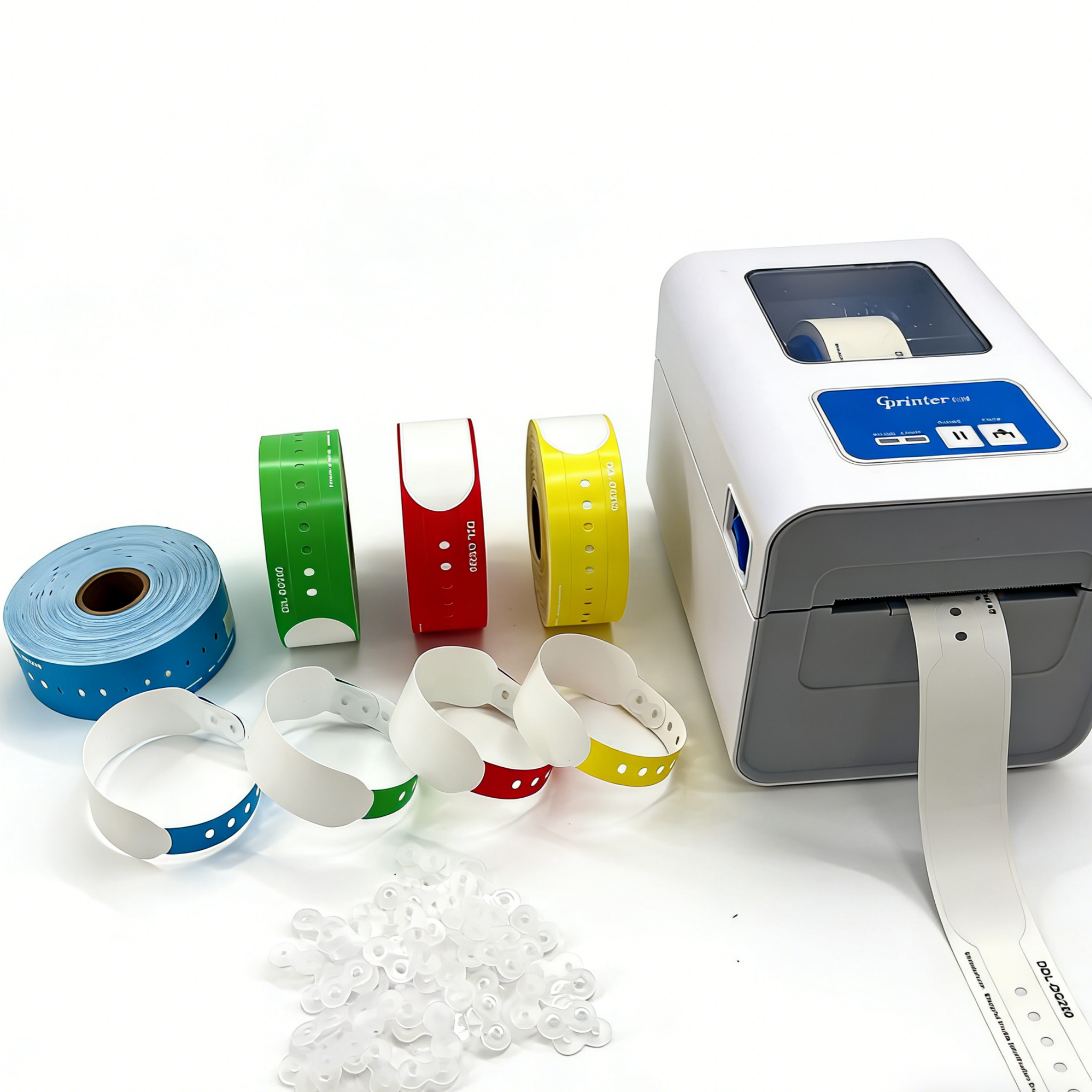
Patient wristbands are the most ubiquitous safety devices in any hospital. They are applied at admission, worn continuously through the length of stay, and scanned dozens of times per day—for medication administration, blood transfusions, specimen collection, and every other clinical touchpoint where patient identity must be verified. Yet the material composition of these bands is rarely given the scrutiny it deserves. Procurement teams often select wristbands based on price per unit or printer compatibility, without fully understanding how material properties affect durability, patient comfort, barcode scan reliability, and regulatory compliance.
This guide examines the most common patient wristband materials used in healthcare today—vinyl, Tyvek, polyester, silicone, polypropylene, and hospital-grade thermal media—and provides a framework for evaluating which material is appropriate for each clinical environment. The goal is not to recommend a single best material, because no such thing exists. The right wristband material depends on the patient population, the expected duration of wear, the level of chemical exposure, and the scanning infrastructure in place.
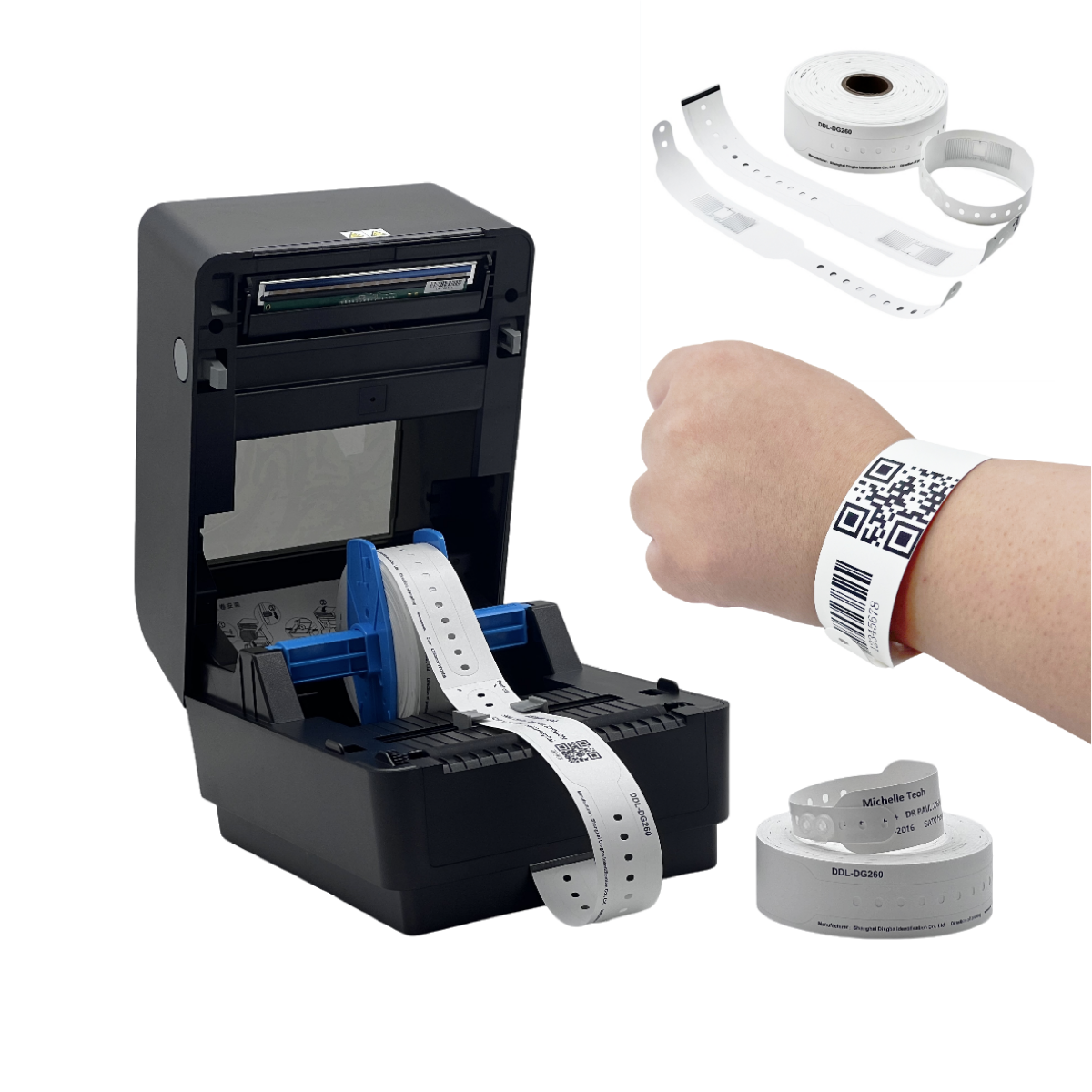
Why Material Selection Matters More Than Most Buyers Realize
A patient identification wristband must perform several functions simultaneously. It must remain legible and scannable for the duration of the patient's stay. It must withstand exposure to hand sanitizers, alcohol wipes, soap, water, and bodily fluids. It must be comfortable enough that the patient does not remove it. And it must comply with regulatory standards for biocompatibility and skin contact.
Material choice directly determines how well a wristband performs across all these dimensions. A vinyl band may survive a two-week ICU admission but irritate fragile skin. A Tyvek band may be comfortable for a short emergency department visit but degrade after repeated exposure to disinfectants. A silicone band may be virtually indestructible but incompatible with the thermal printer your hospital already owns. Understanding these trade-offs is the foundation of informed procurement.
Vinyl: The Traditional Standard for Durability
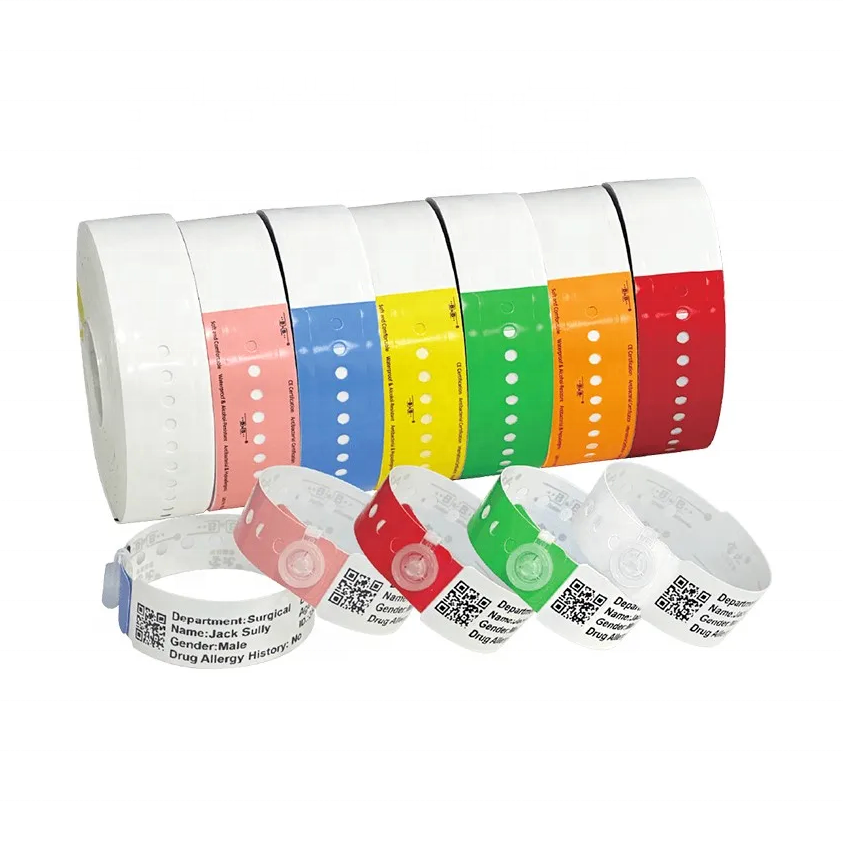
Vinyl, or polyvinyl chloride (PVC), has been the dominant material for reusable and long-term patient wristbands for decades. Its properties are well-suited to the demands of extended inpatient care.
Vinyl wristbands offer high durability and very high chemical resistance. They stand up well to daily wear, repeated cleaning with alcohol or disinfectant wipes, and exposure to moisture without tearing or degrading. For patients with multi-week admissions—long-term care residents, rehabilitation patients, chronic disease management—vinyl remains a reliable choice.
The material is also widely compatible with thermal transfer printing, the print method that produces more durable, chemical-resistant images than direct thermal printing. A vinyl wristband printed with thermal transfer technology can maintain barcode legibility for the full duration of an extended stay.
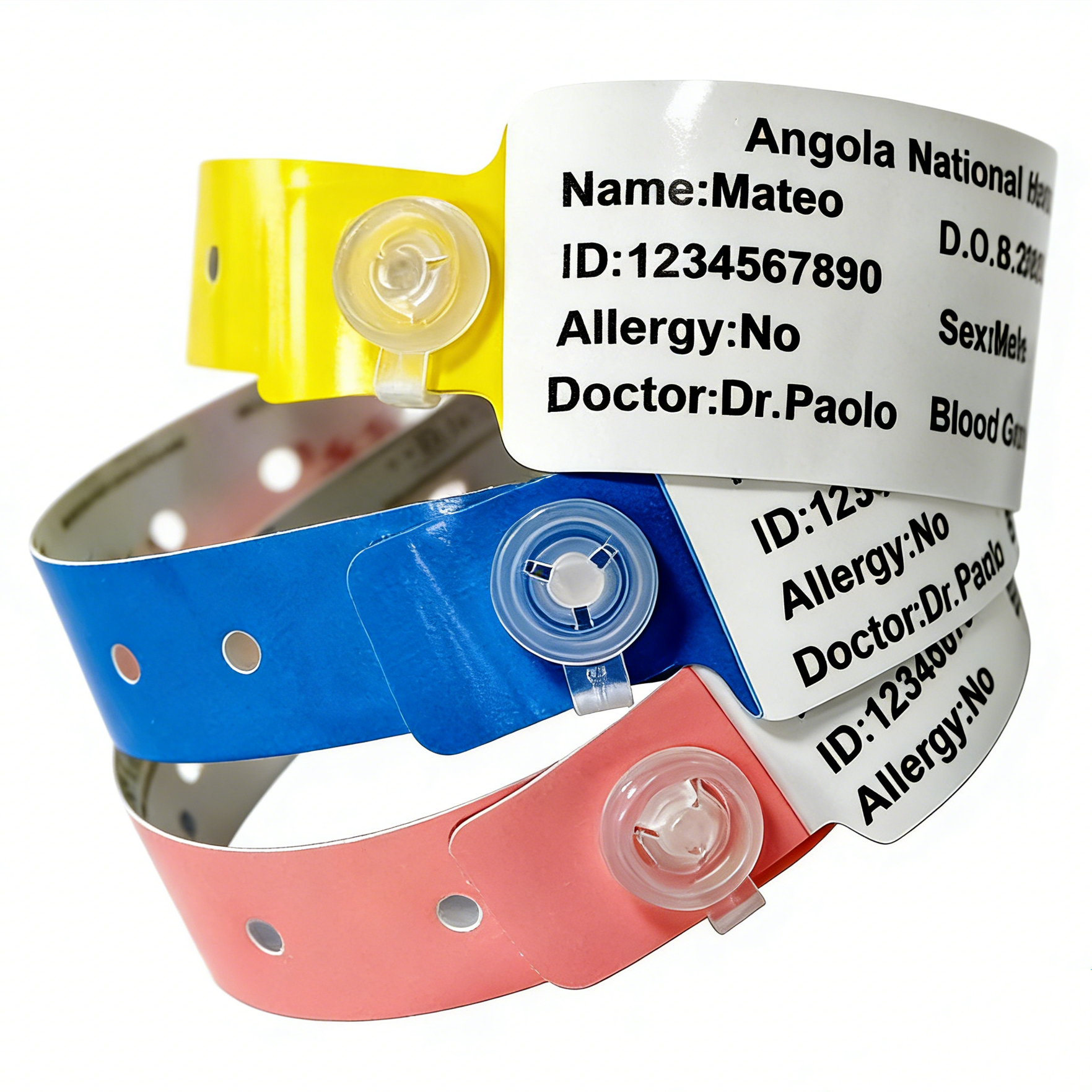
The limitations of vinyl are equally well-documented. It is less flexible than other materials and may be uncomfortable for patients with sensitive skin. The World Health Organization's essential medicines catalog specifies that identification bracelets should be made from flexible, smooth, waterproof, cleanable, breathable and non-allergenic materials—soft vinyl is acceptable, but the material's inherent rigidity is a known drawback. For neonatal and pediatric patients, vinyl is often avoided in favor of softer alternatives.
Environmental considerations also weigh against vinyl. PVC contains chlorine and is difficult to recycle, giving it the highest environmental burden among common wristband materials. Hospitals with sustainability commitments may find vinyl increasingly difficult to justify.
Tyvek: The Cost-Effective Workhorse
Tyvek is a synthetic material made from high-density polyethylene fibers. It looks and feels like paper but possesses properties that paper lacks: it is lint-free, tear-resistant, water-resistant, and resistant to most solvents, acids, and bases. For hospital wristbands, Tyvek offers an appealing combination of low cost, adequate durability, and patient comfort.
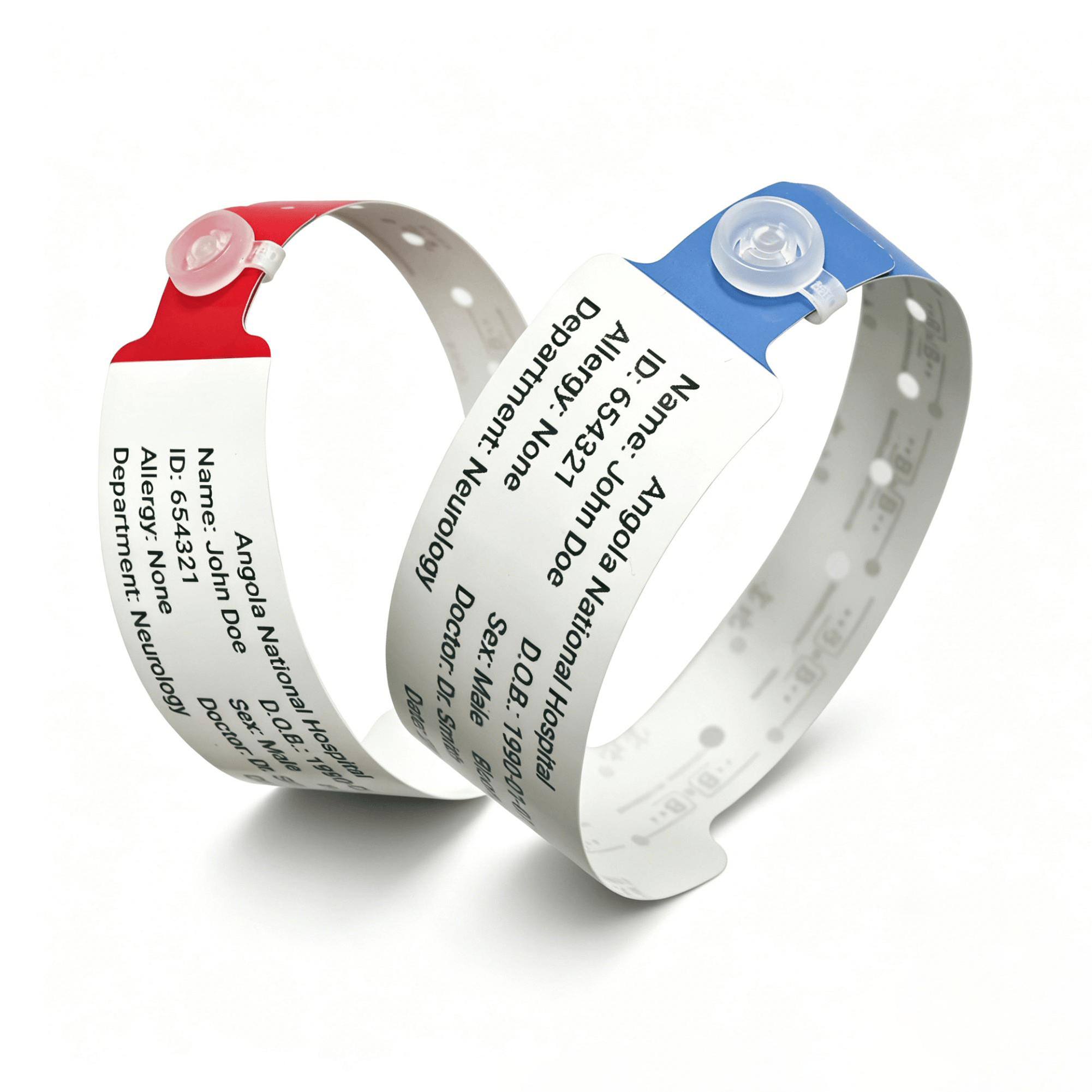
Tyvek wristbands are typically used with thermal transfer printing, which produces a more durable image than direct thermal printing. The material's smooth surface accepts print well, and the resulting barcode remains scannable under normal clinical conditions.
For standard hospital stays of one to seven days, Tyvek wristbands are considered the most cost-effective option. They are lightweight, comfortable, and appropriate for the majority of general inpatient and emergency department use cases. The material is also latex-free and hypoallergenic, addressing the allergy concerns that have driven many hospitals away from latex-containing products.
The limitations of Tyvek become apparent in extended-wear scenarios. Its durability is classified as moderate. Under prolonged exposure to chemicals or heavy wear, the material can degrade, and the printed information may become less legible. For neonatal intensive care, psychiatric units, or any environment where wristbands must survive weeks of continuous use, Tyvek is not the appropriate choice.
Polyester: High Durability with a Comfort Trade-Off
Polyester wristbands occupy a middle ground between Tyvek and vinyl in terms of durability and cost. The material offers high durability and is compatible with thermal transfer printing. It resists stretching and tearing better than Tyvek, making it suitable for patients who may pull at or manipulate their wristband.
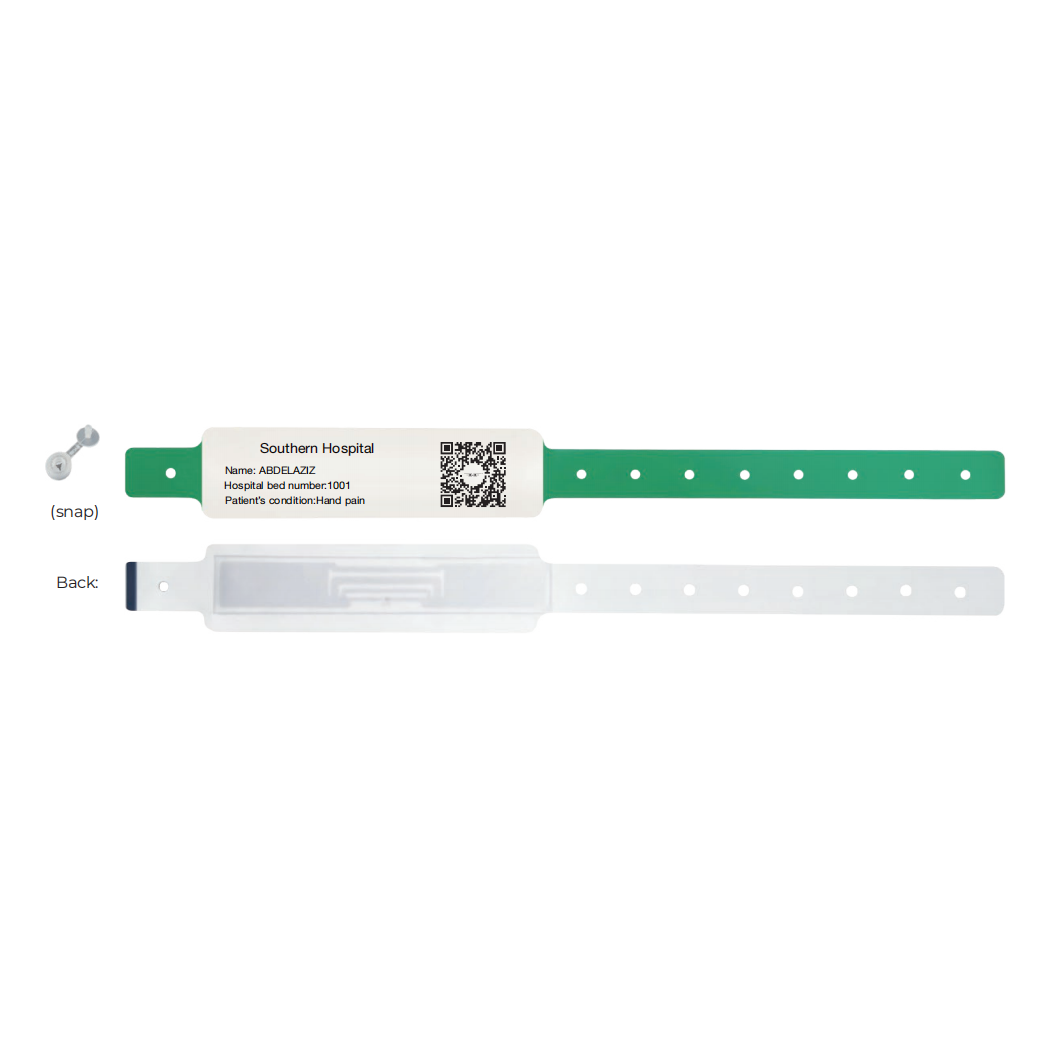
The primary drawback of polyester is comfort. The material is classified as fair for comfort, comparable to vinyl in this respect. For short-stay patients, this is rarely a significant issue. For long-term wear, the relative rigidity of polyester can lead to skin irritation or patient requests for removal.
Polyester is also used in non-stretch configurations for tamper-evident applications. Because the material does not stretch, a polyester wristband that has been removed and reapplied will typically show visible signs of tampering—an advantage in behavioral health or security-sensitive environments.
Silicone: The Premium Choice for Extreme Durability and Comfort
Silicone wristbands represent the high end of the patient identification market. The material offers extreme durability and excellent comfort, making it suitable for the most demanding clinical environments.
Silicone is inherently biocompatible, a property that has made it a standard material in medical devices ranging from catheters to implants. It is resistant to acids, alkalis, UV radiation, ozone, and fungal attack, and can be sterilized without degradation. In clinical terms, this means a silicone wristband can withstand virtually anything the hospital environment throws at it—repeated disinfection, autoclaving, prolonged immersion, and years of wear.
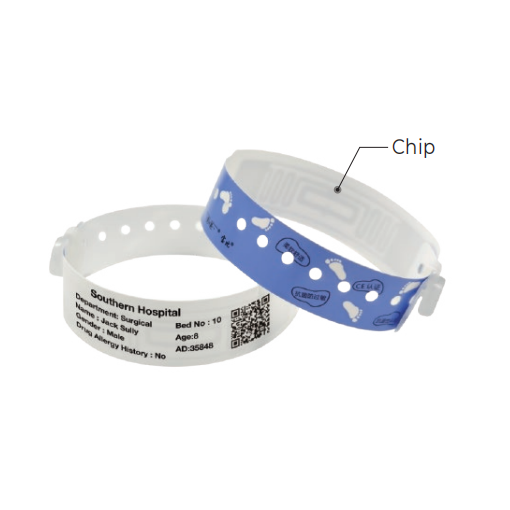
The comfort profile of silicone is also superior. It is soft, flexible, and non-irritating, making it appropriate for neonatal patients, patients with fragile or sensitive skin, and anyone requiring long-term wear. Some silicone wristbands are manufactured with antimicrobial additives, further enhancing their suitability for infection-control-sensitive environments.
The disadvantages of silicone are cost and printing compatibility. Silicone wristbands are significantly more expensive per unit than vinyl or Tyvek. They cannot be printed with standard thermal printers; instead, information is typically laser etched or applied via a separate process. This makes silicone less suitable for high-volume, on-demand printing at admission. Silicone is best reserved for specific high-need populations or reusable applications where the per-use cost can be amortized over multiple patients.
Polypropylene: The Emergency Department Favorite
Polypropylene (PP) wristbands are a relatively recent addition to the hospital market, offering a balance of comfort and print quality that suits short-to-medium duration use.
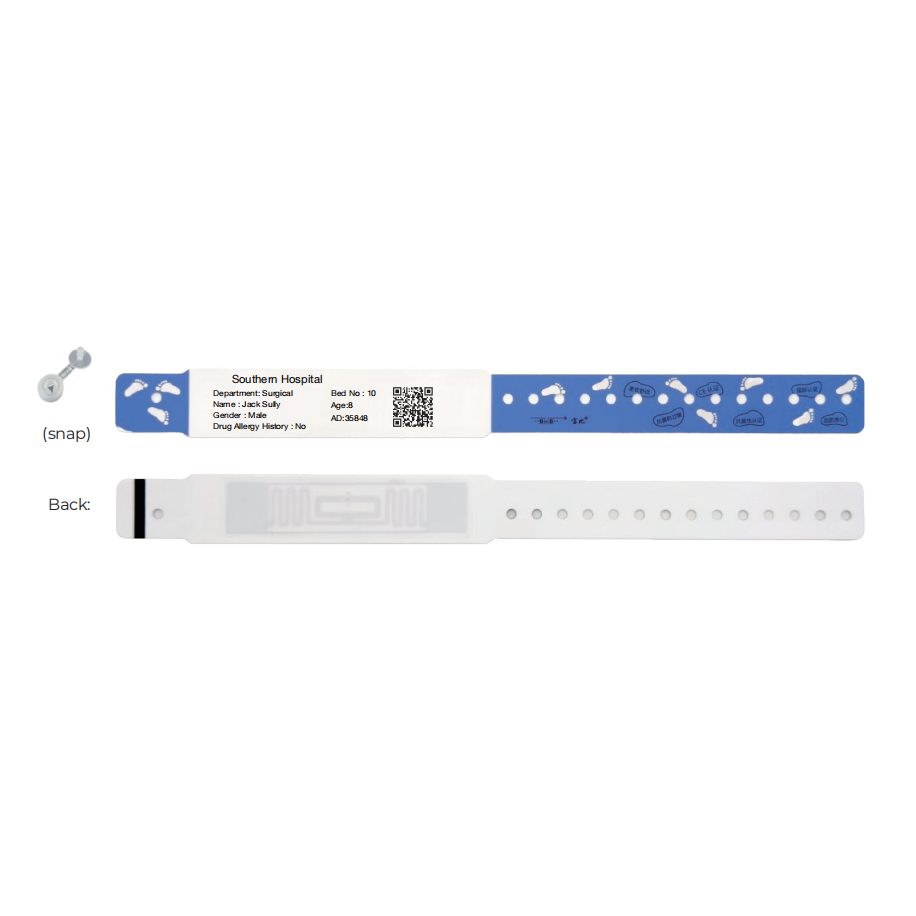
The material is classified as having medium durability but high comfort and very good print quality. For emergency department patients, who may be discharged within hours or admitted for a few days, polypropylene provides adequate durability without the rigidity of vinyl or polyester. The high print quality ensures that barcodes and patient information are clear and scannable, which is particularly important in fast-paced ED environments where scanning speed affects workflow.
Polypropylene is not intended for extended-wear applications. Its medium chemical resistance means that repeated exposure to harsh disinfectants may degrade the print or the material itself. Hospitals using polypropylene should establish protocols for wristband replacement if the patient's stay extends beyond the material's intended lifespan.
Hospital-Grade Thermal Materials: The Integrated Solution
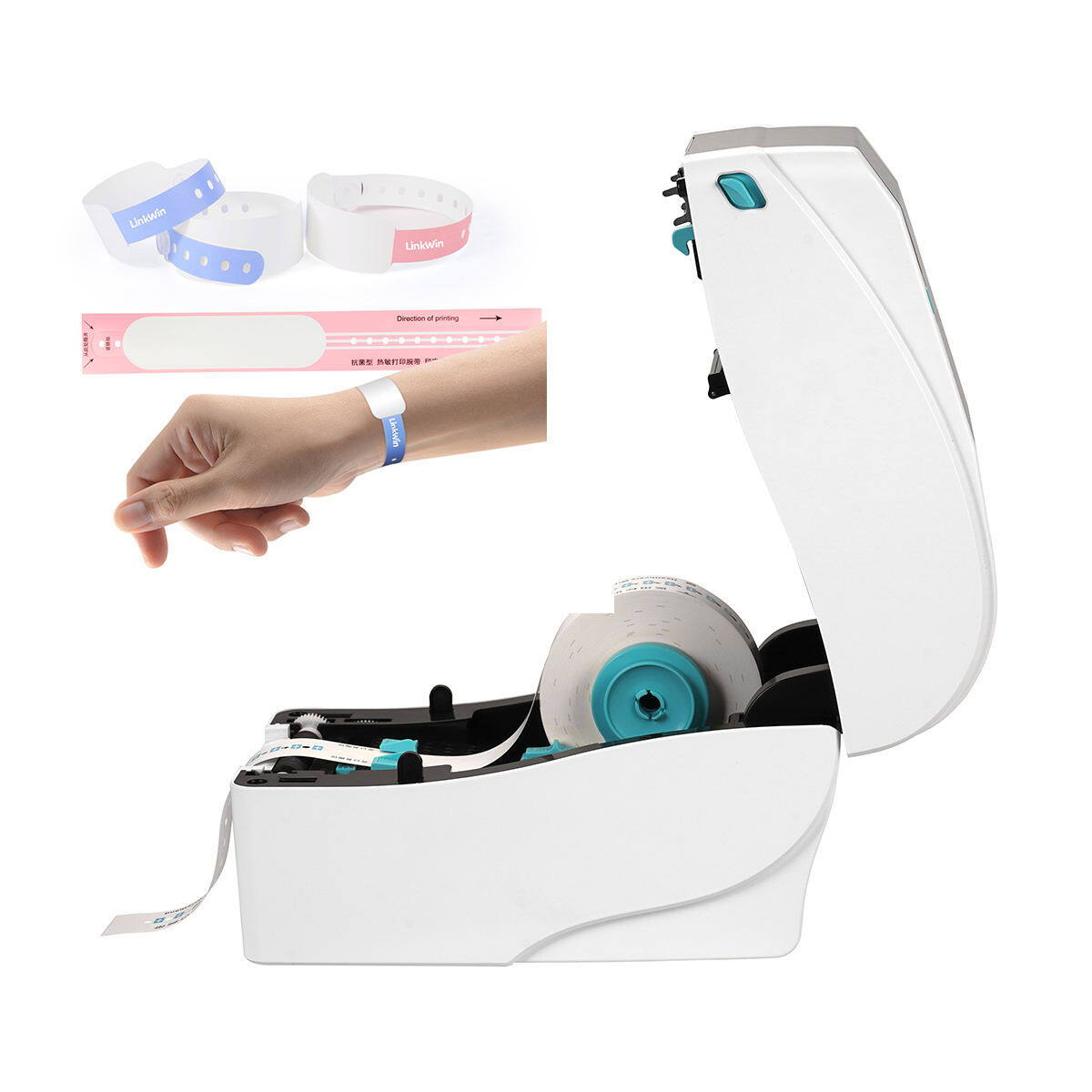
Hospital-grade direct thermal materials are engineered specifically for use with cartridge-based wristband printing systems, most notably the Zebra ZD510-HC. These materials are not a distinct polymer category in the same sense as vinyl or polyester; rather, they are composite constructions optimized for thermal printing performance, comfort, and clinical durability.
The defining characteristic of hospital-grade thermal wristbands is their excellent print quality. Because the material and the printer are designed as an integrated system, the thermal reaction produces high-contrast, high-density barcodes that scan reliably even from the curved surface of a wrist. This is a critical advantage in clinical settings where scan failures create workflow interruptions and patient safety risks.
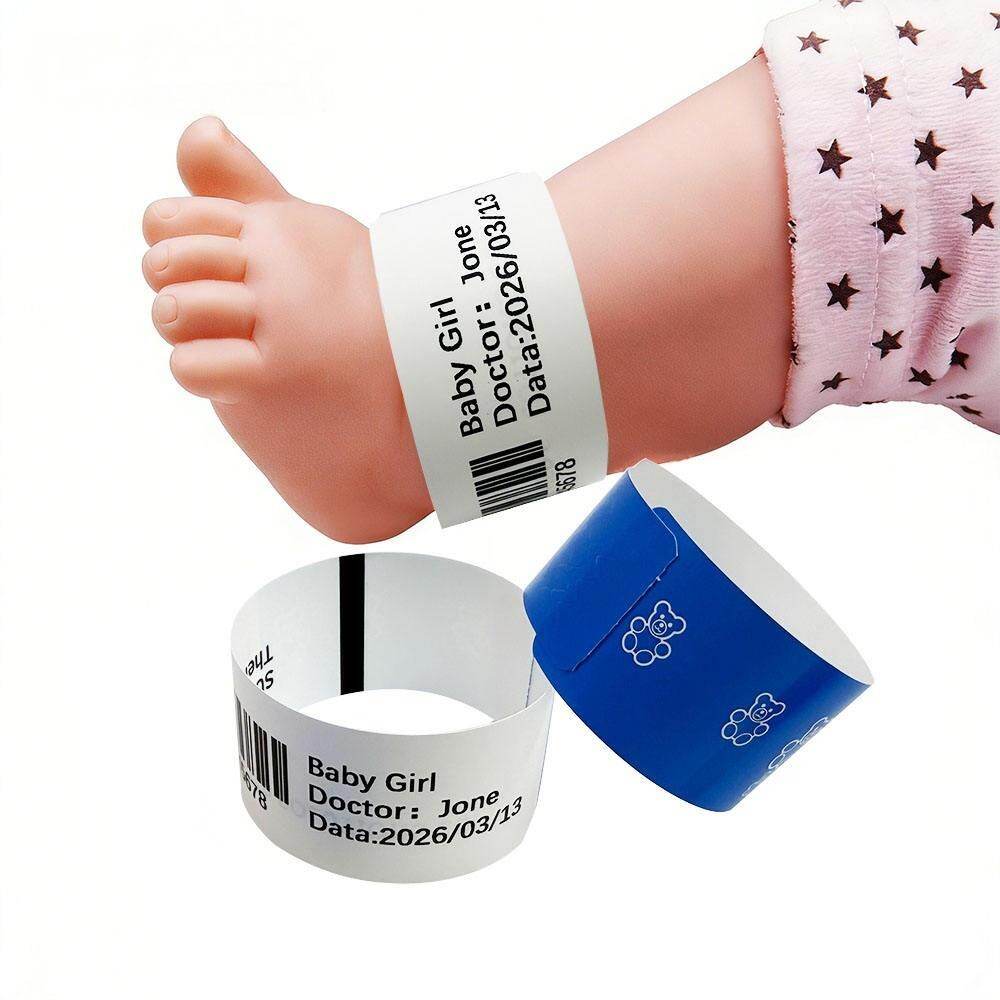
These materials typically offer medium durability and high comfort, with medium-to-high chemical resistance. They are suitable for universal hospital use—general inpatient units, emergency departments, and most clinical areas where a single wristband system must serve diverse patient populations.
The environmental profile of hospital-grade thermal wristbands is generally more favorable than vinyl, with a lower carbon footprint and better disposability characteristics. As healthcare systems adopt sustainability metrics, this factor is becoming more relevant in procurement decisions.
A key limitation is compatibility. Hospital-grade thermal materials are designed for specific printer platforms. A hospital that has invested in a Zebra ZD510-HC system, for example, should use wristband cartridges engineered for that printer to achieve proper thermal reaction, print clarity, and barcode density. General-purpose wristband materials cannot meet these requirements. This creates a degree of vendor lock-in that procurement teams should factor into their total cost of ownership calculations.
Regulatory and Compliance Considerations Across Materials
Material selection is inseparable from regulatory compliance. In the European Union, medical wristbands are generally classified as Class I medical devices under the Medical Device Regulation (MDR 2017/745). Because they have prolonged skin contact, they must undergo biocompatibility testing per the ISO 10993 series, including tests for skin irritation, sensitization, and in-vitro cytotoxicity. Physical durability testing—tensile strength and print legibility after exposure to water, alcohol, and hand sanitizers—is also required.
In the United States, patient identification wristbands are Class I devices and are generally 510(k) exempt, provided they comply with General Controls and Good Manufacturing Practices. The FDA does not approve wristbands per se; instead, manufacturing facilities must register with the FDA, and each device model must be listed. Material safety standards commonly requested by US buyers include latex-free and phthalate-free composition, as well as REACH/RoHS compliance for hazardous chemical content.
The Joint Commission's National Patient Safety Goal NPSG.01.01.01 requires hospitals to use at least two patient identifiers when providing care, treatment, or services. The wristband is typically the primary vehicle for one of these identifiers. Materials that degrade, become illegible, or fall off compromise compliance with this standard.
Practical Recommendations by Clinical Setting
The following recommendations synthesize material properties with clinical use cases:
Emergency Department: Polypropylene or hospital-grade thermal. Short stays, high patient turnover, and the need for immediate scan reliability favor materials with high print quality and adequate comfort for brief wear.
General Inpatient Units: Vinyl or hospital-grade thermal. Stays of 24 to 72 hours with high exposure to cleaning chemicals and frequent barcode scanning require materials that balance durability, comfort, and print performance.
Pediatrics and NICU: Silicone or specialized thermal bands designed for infant use. Fragile skin, small wrist circumference, and the need for extreme comfort make silicone the preferred choice, despite higher cost.
Long-Term Care and Chronic Care: Vinyl or silicone. Extended wear demands maximum durability and chemical resistance. Silicone is superior for comfort and biocompatibility; vinyl is acceptable where cost constraints are paramount.
Behavioral Health and Psychiatric Units: Polyester (non-stretch) or silicone. Tamper-evident properties and resistance to manipulation are critical in these environments.
Conclusion
The question what are patient wristbands made of has no single answer, because the appropriate material depends on where the wristband will be used and what it must withstand. Vinyl offers durability at the cost of comfort and environmental impact. Tyvek offers cost-effectiveness for short stays. Polyester balances durability with a comfort trade-off. Silicone delivers premium performance for the most demanding applications. Polypropylene serves the fast-paced emergency department. Hospital-grade thermal materials provide an integrated solution for high-volume printing environments.
For hospital buyers, the most important step is to move beyond per-unit price and consider total cost of ownership—including reprinting rates due to scan failures, nursing time spent replacing fallen or illegible bands, patient comfort and compliance, and regulatory risk from identification failures. A wristband that costs pennies less per unit but fails to scan on the first attempt, or falls off before discharge, is not a bargain. It is a liability.
Material selection is a clinical decision as much as a procurement decision. The right wristband, in the right material, for the right patient population, is a foundational element of patient safety. The wrong one is a source of errors waiting to happen.
Continue Reading
Have Questions About Wristbands?
Our team is ready to help you find the perfect wristband solution for your needs. Contact us directly on WhatsApp for quick responses.
Contact on WhatsApp