
The Role of Wristbands in Mass Casualty and Emergency Triage
When a mass casualty incident occurs—a terrorist attack, a building collapse, a multi-vehicle crash, a natural disaster—the first responders who arrive on scene face a problem that is as old as medicine itself: too many patients, too few resources, and no time to waste. The decisions made in the first minutes and hours determine who lives, who dies, and who suffers preventable complications because their injuries were not recognized in time.
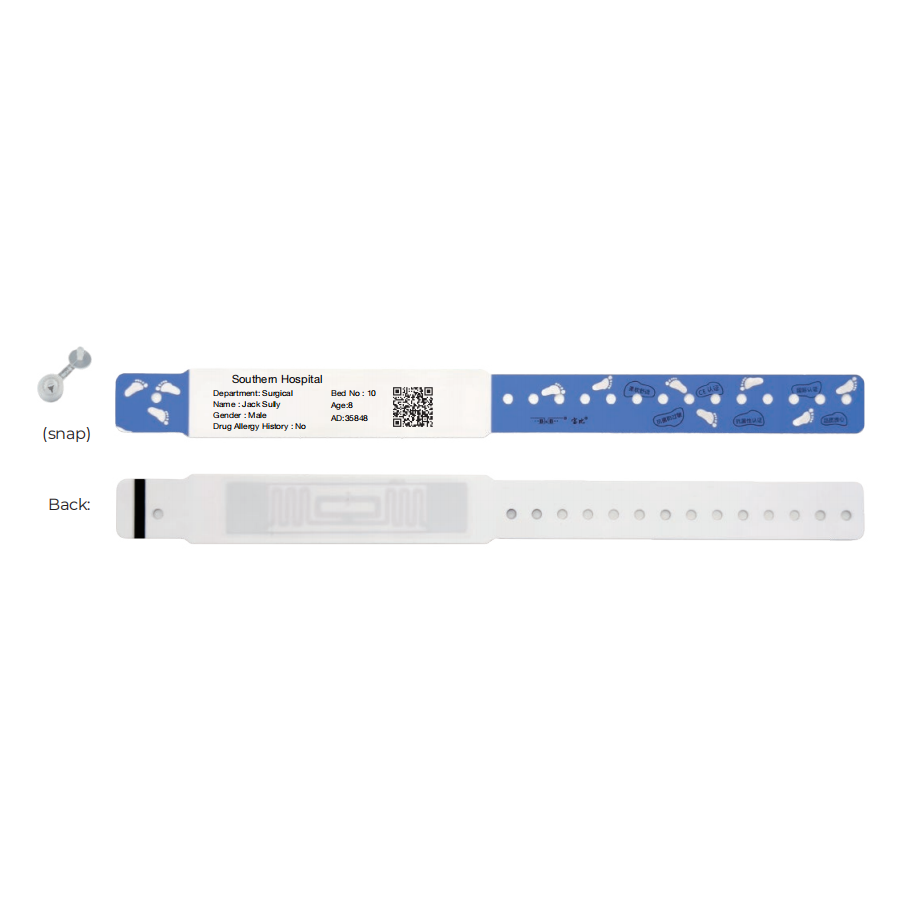
Triage is the clinical discipline that brings order to this chaos. Derived from the French word trier, meaning "to sort," triage is the process of prioritizing patients based on the severity of their injuries and the likelihood of survival with available resources. For decades, the tools of triage have been remarkably low-tech: paper tags, colored markers, and the trained eye of an experienced clinician. But a quiet revolution is underway. The medical wristband—long a staple of hospital patient identification—is being reimagined as a sophisticated triage instrument, capable of transmitting vital signs, tracking patient location, and coordinating the movement of hundreds of casualties across a disaster zone.
The Evolution of Triage Tagging: From Paper to Wearables
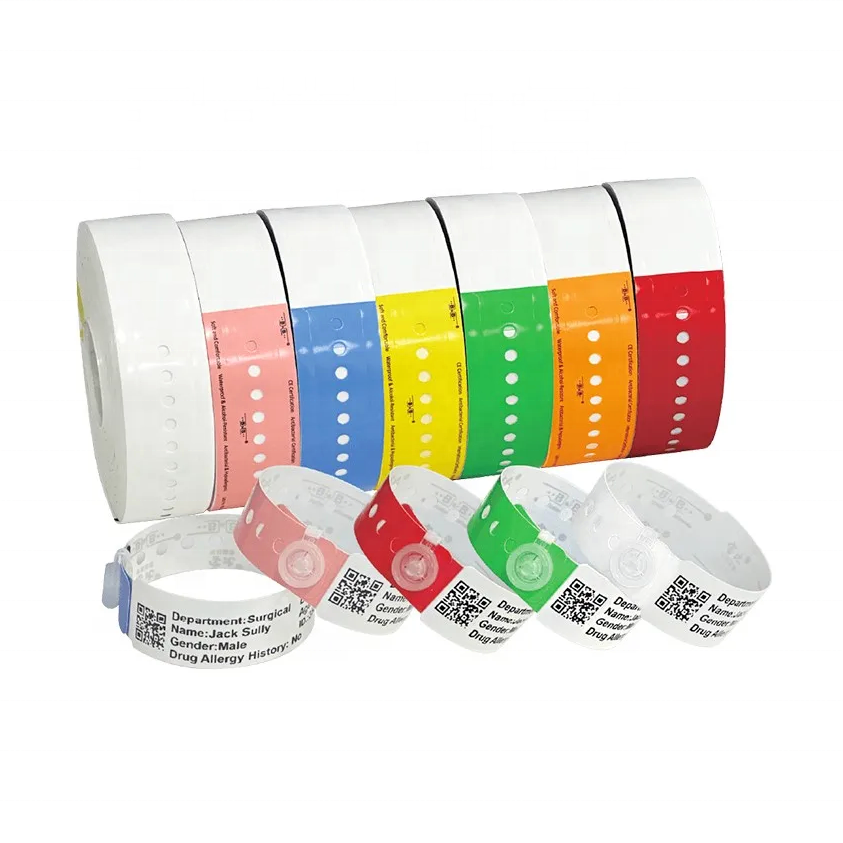
The traditional mass casualty triage system relies on colored tags attached to patients. The Simple Triage and Rapid Treatment (START) protocol, developed in the 1980s and still widely used today, categorizes patients into four groups: red (immediate), yellow (delayed), green (minor), and black (deceased or expectant). First responders physically attach a tag to each patient—often a paper or plastic card—that communicates this categorization to downstream care teams.
This system has saved countless lives, but it has well-documented limitations. Paper tags can be lost, damaged, or illegible. They convey a static snapshot of the patient's condition at the moment of tagging, with no capacity to reflect deterioration or improvement. They cannot be read from a distance. And in the chaos of a true mass casualty incident, they are frequently not used at all.
A 2024 study of military prehospital mass casualty events found that formal triage systems requiring diagnostic algorithms, colored tags, and four or five categories were seldom implemented in real-world operations. Across 29 mass casualty incidents managed by Special Operations Forces medics between 1996 and 2022, colored markers and formal algorithms were not used in a single event. The researchers concluded that intuitive triage categories are the default and that formal systems are too complex to successfully implement under the conditions of actual combat or disaster. A parallel review in 2025 confirmed that in 93 percent of reviewed military mass casualty cases, formal triage tools involving color-coded tags and five-category algorithms were not used.
This gap between doctrine and reality is precisely where wearable triage wristbands enter the conversation. By embedding technology into a device that is already designed to be worn on the body, wristbands offer a potential solution to the usability problem that has plagued paper-based triage systems for decades.
Electronic Triage Wristbands: Capabilities and Mechanisms
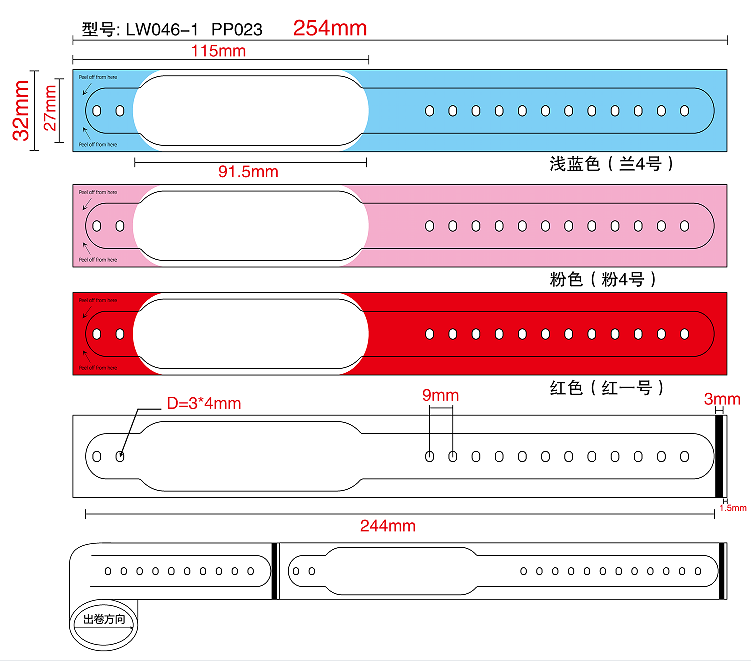
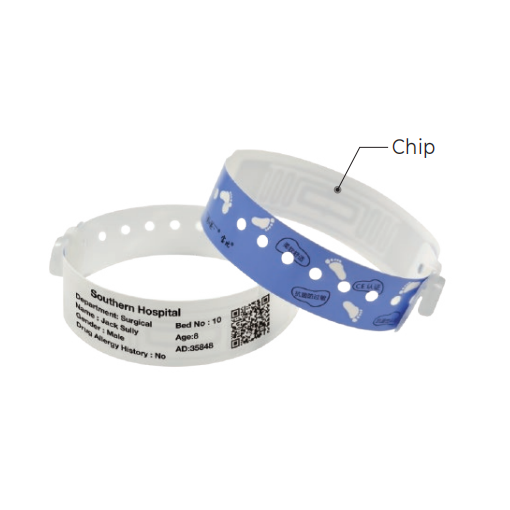
The most advanced triage wristband systems are not merely color-coded identifiers. They are wireless sensor platforms that capture, transmit, and display clinical data in real time. The European BRIDGE project, coordinated by Fraunhofer FIT, developed a system in which first responders attach a color-coded plastic wristband to each victim. The color indicates triage category, but the wristband itself contains a GPS module, an RFID chip, and a wireless network module that communicates with an emergency response control center.
The technological architecture is deliberately redundant. Severely injured patients receive wristbands with additional sensors that continuously capture heart rate, respiratory rate, and oxygen saturation. Each wristband functions as a node in an ad-hoc ZigBee network—a low-bandwidth, low-energy wireless protocol that combines long range with minimal power consumption. Even when cellular networks are down, which is common in the aftermath of disasters and terrorist attacks, the wristband network remains operational. First responders carry Triage Relays that cache, backup, and retransmit data, ensuring that the control center maintains a precise picture of the situation on the ground.
The operational implications are profound. In a conventional triage scenario, the incident commander has only the information that runners or radio reports can convey. With electronic wristbands, the control center can display real-time data on large screens, showing where the majority of severely injured casualties are located and directing rescue activities accordingly. Medical staff in the field can view the same data on tablets or smartphones, enabling dynamic re-triage as conditions evolve.
Evidence from Simulation and Field Studies
The evidence base for triage wristbands is still developing, but several studies provide meaningful signals about their clinical and operational value.
A randomized controlled simulation study conducted with a French gendarmerie elite unit assessed whether tactical tag bracelets improved triage performance among non-healthcare combat rescue operators. The intervention group, which used bracelets, achieved significantly better triage performance scores than the control group (72.2 vs. 57.0 on a 90-point scale). Perhaps more interestingly, self-efficacy was significantly higher in the intervention group after the simulation—operators felt more confident in their ability to perform triage correctly when they had a structured tool to guide them. The study's authors concluded that the use of bracelets may have a place in the medico-organizational act of tactical triage and called for further research with physician-nurse teams.
A separate clinical study examined a body area network-based smart bracelet for pre-hospital trauma care, comparing 140 trauma patients who received smart bracelets against a control group receiving conventional treatment. While mortality rates did not differ significantly between groups, the smart bracelet group showed significantly better treatment efficiency: shorter time to first life-saving intervention, shorter time to first blood transfusion, and faster trauma team activation. The bracelet, combined with remote 5G technology, allowed emergency care to begin before the patient reached the hospital.
The NIGHTINGALE Project, funded by the European Union, is currently developing a comprehensive suite of technologies for mass casualty incident response, including wearable wristbands and unmanned aerial vehicles (drones). The project's objective is to enhance operational efficiency by integrating real-time data collection, communication, and coordination capabilities into a unified system that supports first responders in chaotic, resource-constrained environments.
The Patient Identification Dimension: Beyond Triage Categories
The triage wristband's value extends beyond clinical categorization. In a mass casualty incident, patient identification is a persistent and underappreciated challenge. Victims may be unconscious, disoriented, or unable to speak. They may be separated from family members. They may arrive at different hospitals with no documentation linking them to a single identity.
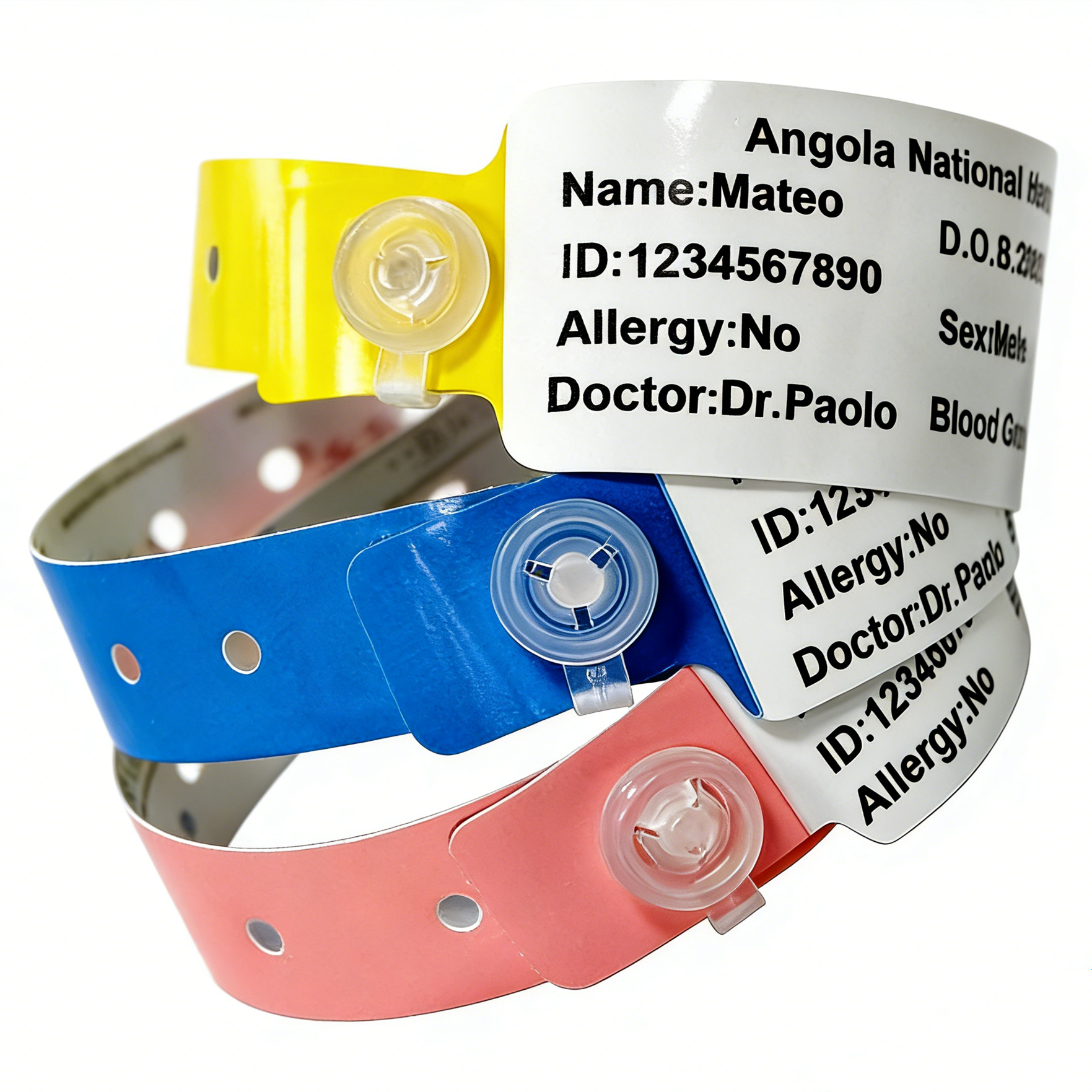
This is where the wristband's function as a unique identifier becomes critical. A 2011 paper proposed using active RFID wristbands to perform both triage and identity verification functions, replacing paper tags that may have limitations in preserving information during documentation. The wristband becomes the patient's anchor to their medical record, ensuring that treatments, medications, and imaging results are attributed to the correct individual even when hundreds of casualties are processed through the same system.
The implications for medication safety and allergy tracking are substantial. A patient with a known allergy to a common antibiotic who receives that drug because their allergy history was lost in the chaos of transfer faces a preventable, potentially fatal risk. A wristband that carries this information—or links to a digital record that does—eliminates that risk.
Autonomous Wearing: Robotics and Triage at Scale
One of the most forward-looking developments in triage wristband technology is the concept of autonomous application. In a mass casualty incident, the bottleneck is often not the technology but the human hands available to deploy it. If there are 500 casualties and 10 first responders, attaching a wristband to each patient individually may be impossible within the timeframe required for effective triage.
Researchers have proposed using mobile manipulators—robotic arms mounted on mobile platforms—to apply wristbands autonomously at Casualty Collection Points (CCPs). A 2024 conference paper addressed the design challenges of this approach, including the risk of further injury from limb manipulation, and proposed a control strategy to safely attach wristbands to casualties. While this technology is not yet deployed in the field, it points toward a future in which triage at scale is not limited by the number of available human responders.
Limitations and the Reality of Technology in Disaster
Intellectual honesty requires acknowledging that triage wristbands are not a panacea. The historical record of triage in mass casualty incidents is littered with well-designed systems that failed in the field. The reasons are instructive.
First, complexity kills in disaster response. The military studies cited above found that even trained medics default to simplified, intuitive categorization under the stress of real operations. A wristband system that requires extensive training, configuration, or troubleshooting will not be used. Usability must be the paramount design criterion.
Second, technology fails. The palliative care wristband sensor study discussed in the previous article found valid data collection only 61.5 percent of the time. In a disaster environment, devices may be dropped, crushed, submerged, or simply stop working. Any triage system that depends on electronic data transmission must have a redundant, non-electronic fallback—the color-coded visual indicator remains essential.
Third, cost and scalability are real barriers. A system that works beautifully in single-hospital exercises may be impossible to deploy across an entire region. The BRIDGE project and NIGHTINGALE Project represent significant investments in research and development. Whether these systems can be manufactured, distributed, and maintained at the scale required for true mass casualty preparedness remains an open question.
Conclusion: The Wristband as a Triage Platform
The evolution of the triage wristband reflects a broader shift in emergency medicine: the recognition that information is a clinical resource, and that the speed and accuracy with which information moves determines patient outcomes. In a mass casualty incident, the triage tag has always been the primary information carrier—the device that tells downstream providers what has already been decided and what still needs to be done.
Electronic wristbands represent the next iteration of that idea. They carry more information than paper tags. They transmit it wirelessly, even when infrastructure is destroyed. They track location, vital signs, and identity. They can be read from a distance and displayed on screens across a command center. They can even, in the not-too-distant future, be applied by robots.
None of this replaces the judgment of a skilled triage clinician. The wristband is a tool, not a decision-maker. But in the chaos of a mass casualty incident, where seconds matter and information is scarce, a small, wearable device that reliably carries the right information to the right person at the right time may be the difference between a system that functions and one that collapses under the weight of its own complexity.
The wristband, in this context, is not a passive identifier. It is an active participant in the response. And as the technology matures, its role is likely to grow—from triage support to continuous monitoring, from patient identification to family reunification, from a single-point intervention to a longitudinal record of the patient's journey through the disaster and into recovery. The question is no longer whether wristbands belong in mass casualty triage. The question is how quickly the systems around them can be built to match their potential.
Continue Reading
Have Questions About Wristbands?
Our team is ready to help you find the perfect wristband solution for your needs. Contact us directly on WhatsApp for quick responses.
Contact on WhatsApp