
Latex-Free vs. Latex-Containing Wristbands: Allergy Risks and Regulatory Requirements
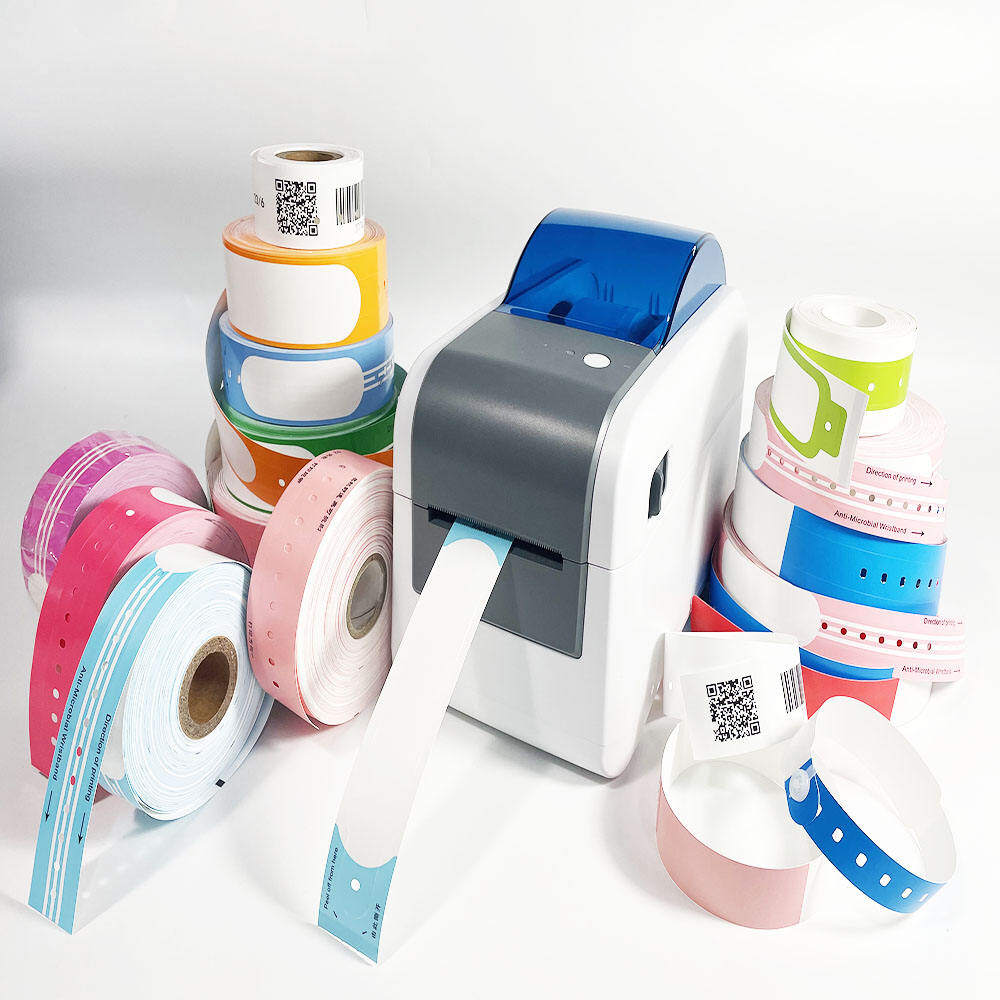
Patient identification is the cornerstone of safe healthcare delivery. From admission through discharge, the humble wristband serves as the primary link between patient and care protocol, ensuring correct medication administration, blood transfusions, specimen collection, and surgical interventions. Yet for a subset of patients and healthcare workers, this essential safety tool can become a source of significant medical risk.
Natural rubber latex (NRL), a material historically used in medical wristbands and countless other healthcare products, contains proteins that can trigger allergic reactions ranging from mild contact dermatitis to life-threatening anaphylaxis. For infection control and patient safety professionals, understanding the distinction between latex free wristband products and those containing natural rubber latex is not merely a procurement detail—it is a critical patient safety competency.
This article examines the clinical risks associated with latex-containing wristbands, the regulatory framework governing latex labeling in the United States, and practical strategies for identifying and selecting genuinely latex free wristband products for your facility.
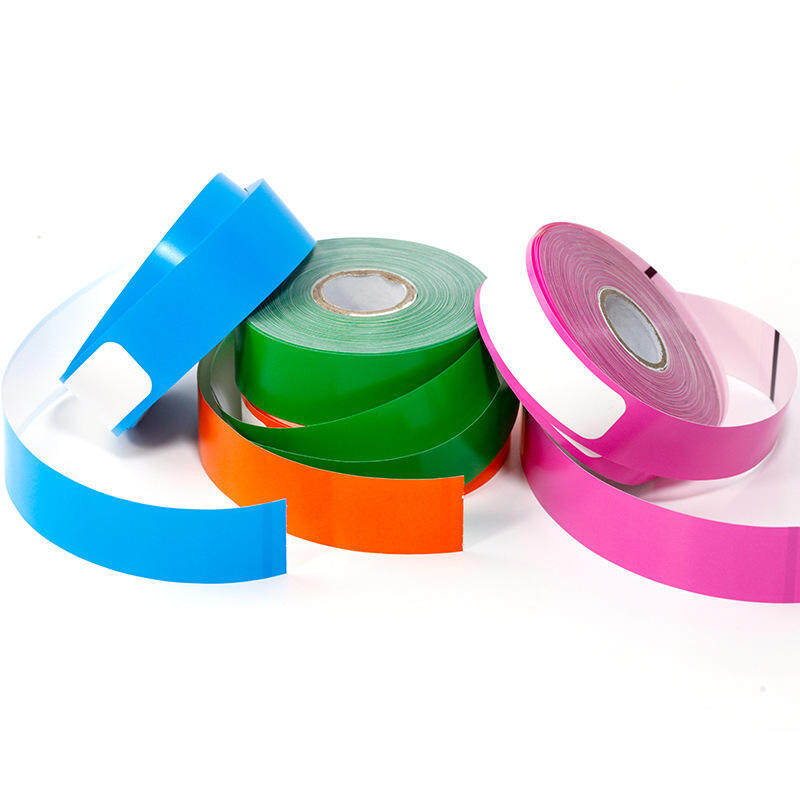
Understanding Latex Allergy: A Patient Safety Imperative
The Nature of Natural Rubber Latex
Natural rubber latex is a milky fluid derived from the rubber tree, Hevea brasiliensis. The proteins present in this fluid are responsible for allergic sensitization in susceptible individuals. While synthetic materials such as nitrile, vinyl, and polyurethane are sometimes colloquially called "latex," they do not contain the allergenic proteins found in natural rubber latex and therefore do not pose the same immunological risk.
The distinction matters enormously in clinical practice. A wristband allergy attributed to "latex" may in fact stem from natural rubber latex proteins, chemical additives used in rubber processing, or even the adhesive materials used on the band. Accurate identification of the allergen source is essential for appropriate product selection and patient management.
Prevalence and Risk Populations
Latex allergy affects approximately 1 to 6 percent of the general population, but certain groups face substantially elevated risk. Healthcare workers represent one of the most affected populations, with historical sensitization rates ranging from 7 to 17 percent. The widespread use of latex gloves during the 1980s and 1990s—driven by universal precautions following the HIV/AIDS epidemic—created an environment of intense occupational exposure that contributed to these elevated rates.

Patients with certain medical conditions also face heightened risk. Children with spina bifida and other congenital anomalies affecting the genitourinary or gastrointestinal tracts undergo repeated surgical procedures and catheterizations, leading to frequent latex exposure and sensitization rates as high as 25 to 50 percent in these populations. Individuals with multiple prior surgeries, those with occupational exposure to latex products, and patients with certain food allergies—particularly to bananas, avocados, kiwi, chestnuts, and other foods exhibiting cross-reactivity with latex proteins—also warrant heightened vigilance.
Clinical Manifestations: From Contact Dermatitis to Anaphylaxis
Latex-related adverse reactions encompass several distinct clinical entities that healthcare providers must differentiate:
Irritant contact dermatitis presents as dry, itchy, irritated skin without immunological involvement. This condition results from physical irritation and does not represent true allergy, though it can cause significant discomfort and may predispose patients to more serious reactions.
Allergic contact dermatitis (delayed hypersensitivity) typically manifests as a rash appearing 24 to 72 hours after exposure. This reaction targets chemical additives used in rubber manufacturing rather than latex proteins themselves, and while uncomfortable, it is rarely life-threatening.
Immediate hypersensitivity reactions (Type I allergy) represent the most serious concern for patient safety. These reactions occur when immunoglobulin E antibodies recognize latex proteins, triggering release of histamine and other inflammatory mediators. Symptoms may include urticaria, rhinitis, conjunctivitis, bronchospasm, and in severe cases, anaphylactic shock. Critically, sensitized individuals may experience progression from mild to severe reactions with repeated exposures, making every contact a potential escalation event.
For patients undergoing surgical procedures, the stakes are particularly high. Mucous membrane exposure during surgery can lead to rapid systemic absorption of latex proteins, and intraoperative anaphylaxis carries significant morbidity and mortality risk.
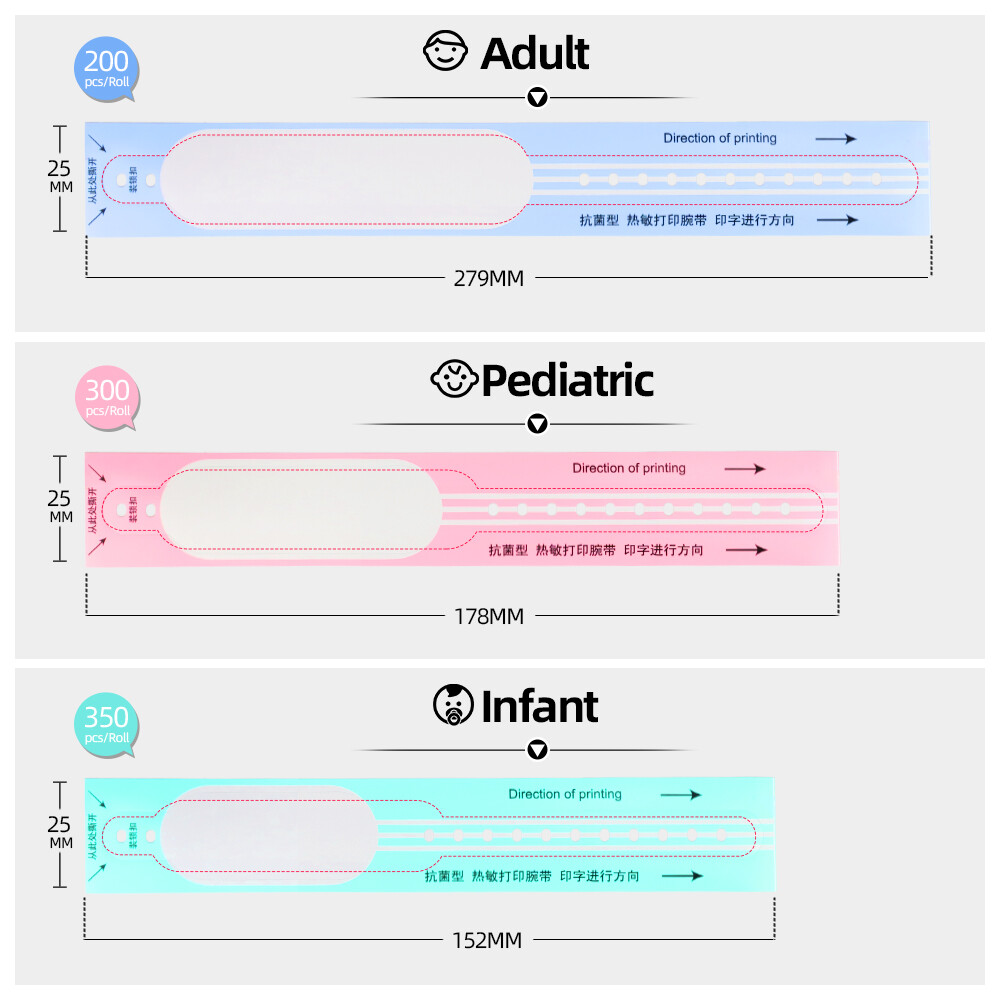
The Wristband as a Vector for Latex Exposure
How Wristbands Contribute to Allergic Risk
Patient identification wristbands directly contact the skin for extended periods—often for the duration of hospitalization. This continuous contact creates an ideal environment for latex protein exposure. For patients with existing sensitization, even this relatively limited contact can trigger local or systemic reactions.
Beyond direct skin contact, the manufacturing and handling of wristbands can introduce additional risk vectors. Some wristband products incorporate elastic components or coatings that may contain natural rubber latex. Adhesive materials used on certain wristband types, while not typically latex-based, can cause contact dermatitis that patients may attribute to "latex allergy," complicating accurate diagnosis and product selection.
For healthcare facilities, the presence of latex-containing products in the patient environment—including wristbands—also contributes to occupational exposure risk for staff. Healthcare workers who must apply, adjust, and remove hundreds of wristbands during their shifts accumulate repeated exposures that can lead to sensitization or trigger symptoms in already-allergic personnel.
The Powder Problem: Historical Context and Modern Implications
While powdered medical gloves have been banned in the United States since 2016, understanding the historical role of powder helps illuminate why latex exposure remains a concern. Powdered gloves were particularly problematic because the powder particles bind to latex proteins, becoming aerosolized when gloves were removed. This airborne latex-protein complex could be inhaled by anyone in the vicinity, triggering respiratory symptoms even in individuals not directly wearing the gloves.
The FDA's ban on powdered surgeon's gloves and powdered patient examination gloves represented a landmark regulatory intervention based on findings that powder particles could cause severe airway inflammation, hypersensitivity reactions, and even granuloma formation when internal tissues were exposed. While this ban addressed the most significant airborne exposure route, it did not eliminate latex-containing products from healthcare settings entirely. Wristbands, catheters, injection ports, and countless other devices may still contain natural rubber latex.
This history underscores an important principle for modern infection control: the elimination of the highest-risk latex products does not justify complacency regarding remaining latex sources, including patient identification bands.
Regulatory Framework: What Infection Control Professionals Need to Know
FDA Requirements for Devices Containing Natural Rubber Latex
The Food and Drug Administration regulates medical devices containing natural rubber latex under 21 CFR 801.437. This regulation requires that devices composed of or containing natural rubber latex, dry natural rubber, or synthetic latex/rubber formulations containing natural rubber, and which contact humans, bear specific cautionary labeling.
The required statement for devices containing natural rubber latex is:
"Caution: This Product Contains Natural Rubber Latex Which May Cause Allergic Reactions."
This statement must appear in bold print on the device labeling and on the principal display panel of the packaging. For devices containing dry natural rubber, the required statement is slightly different: "This Product Contains Dry Natural Rubber."
Importantly, the regulation prohibits the use of the term "hypoallergenic" on devices containing natural rubber that contacts humans. This prohibition reflects the understanding that no natural rubber latex product can be considered hypoallergenic for individuals sensitized to latex proteins.
The Critical Distinction: "Latex-Free" vs. "Not Made with Natural Rubber Latex"
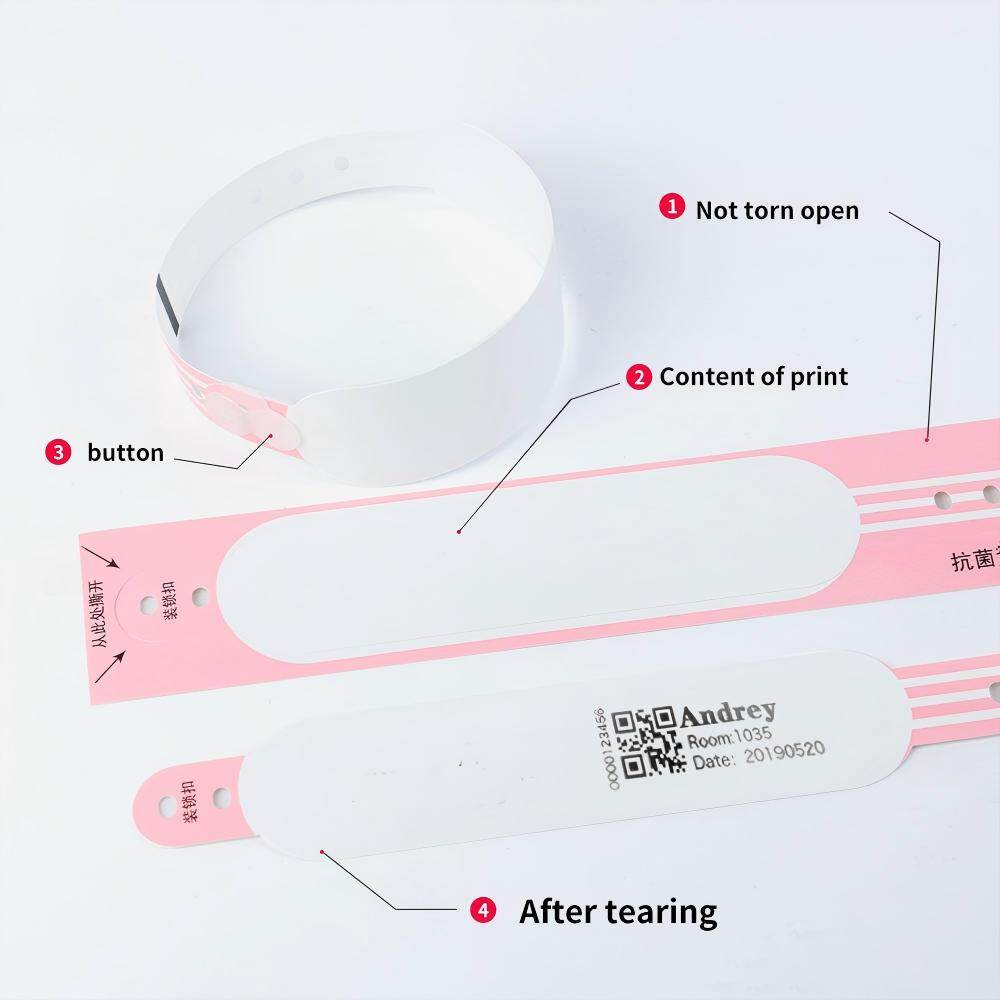
Perhaps the most consequential regulatory development for infection control professionals was the FDA's 2014 guidance on labeling medical products that do not contain natural rubber latex. This guidance addressed a significant patient safety concern: manufacturers were using terms like "latex-free," "does not contain latex," and similar phrases on products that were not manufactured with natural rubber latex, but which could not be guaranteed to be completely free of latex allergens.
The FDA determined that such statements are "not scientifically accurate" because it is impossible to reliably assure the absence of allergens associated with natural rubber latex hypersensitivity. Cross-contamination during manufacturing, packaging, or handling could introduce trace amounts of latex proteins. Furthermore, the term "latex" itself is ambiguous—it may refer to natural rubber latex, synthetic latex materials (which do not contain the allergenic proteins), or both.
The FDA therefore recommends the following labeling language for products not manufactured with natural rubber latex:
"Not Made with Natural Rubber Latex"
This statement provides scientifically accurate information without implying a guarantee of zero allergen content that cannot be substantiated. For healthcare facilities, this means that when evaluating wristband allergy concerns and selecting products for latex-sensitive patients, the appropriate product designation to seek is "Not Made with Natural Rubber Latex," not "latex-free."
This distinction has practical implications for procurement and clinical practice. A latex free wristband labeled as such may provide patients with a false sense of security regarding allergen content. A wristband labeled "Not Made with Natural Rubber Latex," by contrast, accurately conveys that natural rubber latex was not used as an intentional material in the product's manufacture—the standard of assurance that can reasonably be met.
Identifying Genuinely Low-Allergen Wristband Products
Materials of Construction: What to Look For
Modern patient identification wristbands are manufactured from a variety of materials, each with distinct performance and allergenicity profiles:
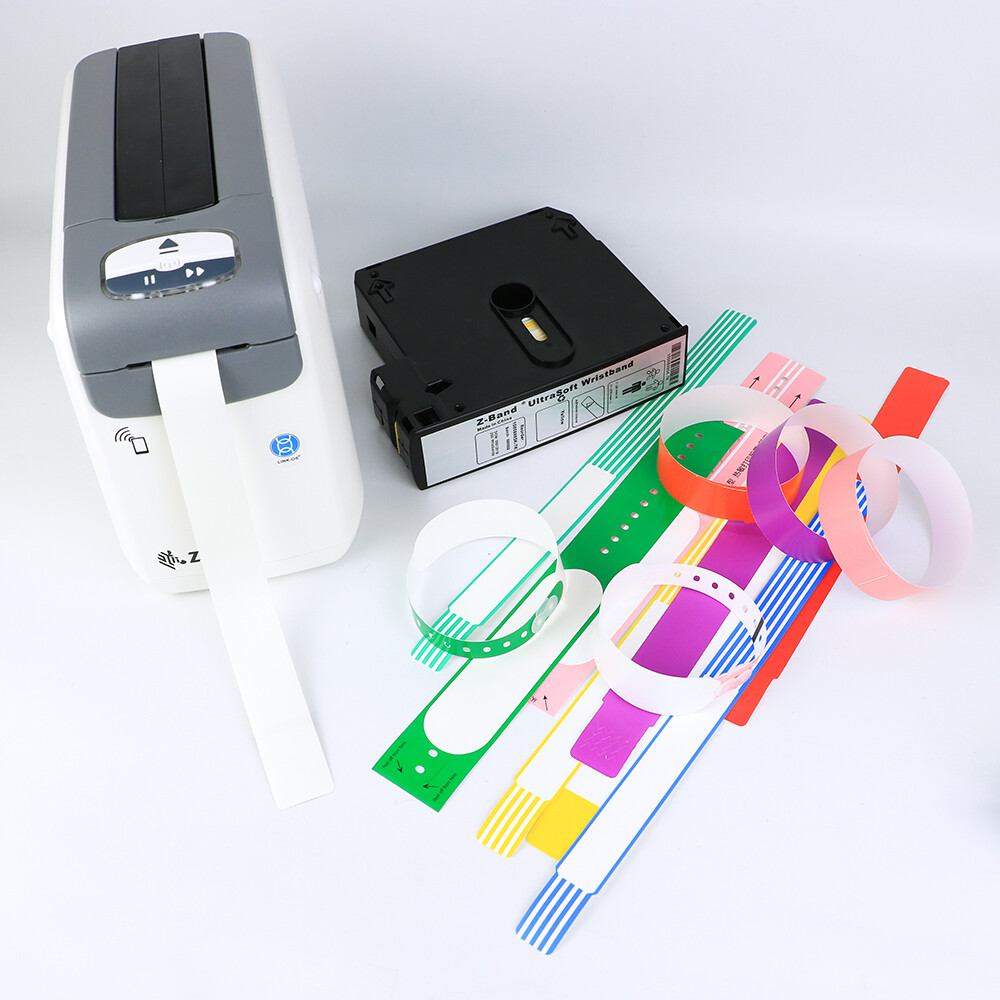
Soft vinyl wristbands offer flexibility, water resistance, and compatibility with most printing technologies. Medical-grade vinyl formulations can be produced without natural rubber latex, making them suitable for latex-sensitive patients. Facilities should verify that the specific vinyl formulation used by their supplier is documented as "Not Made with Natural Rubber Latex."
Polyester and synthetic fabric wristbands provide durability and comfort, particularly for longer-term wear. These materials are inherently free of natural rubber latex proteins, though adhesives and closures must also be evaluated for latex content.
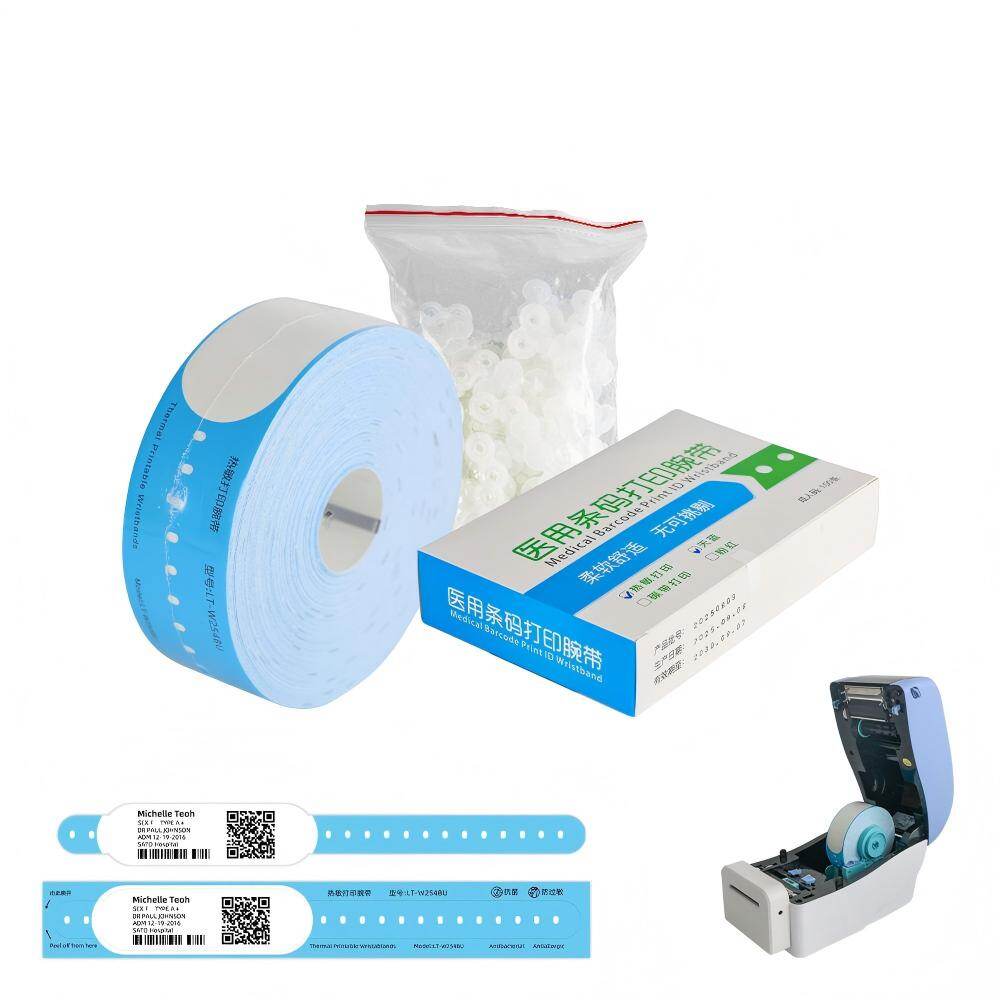
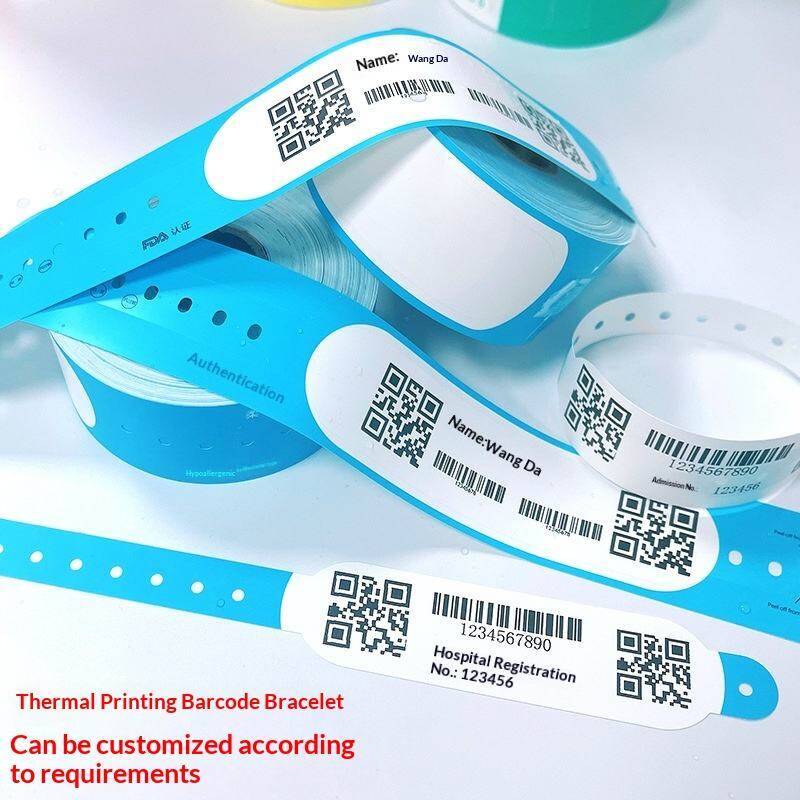
Thermal-printed and laser-printed bands use heat-sensitive or laser-reactive coatings on synthetic substrates. The base materials are typically synthetic and latex-safe, but facilities should confirm that coatings and adhesives meet the "Not Made with Natural Rubber Latex" standard.
Silicone and plastic bands offer excellent moisture resistance and durability. These synthetic polymers do not contain natural rubber latex proteins and are generally appropriate for latex-sensitive patients. However, closure mechanisms—including any elastic components or adhesives—must be evaluated independently.
Questions to Ask Your Wristband Supplier
Infection control and patient safety teams should engage suppliers with specific questions regarding latex content:
- Is the wristband material manufactured with natural rubber latex? Request documentation confirming that neither the band material nor any coatings, adhesives, or closure components incorporate natural rubber latex.
- What labeling language does the product use? Products labeled "Not Made with Natural Rubber Latex" align with FDA guidance. Products labeled "latex-free" may warrant additional scrutiny regarding the scientific basis for that claim.
- Can you provide a certification or declaration of latex content? Many reputable manufacturers provide formal statements confirming that their products are not manufactured with natural rubber latex.
- Are closure mechanisms and adhesives also latex-free? The band material may be latex-safe while the adhesive or elastic closure contains natural rubber. Comprehensive evaluation is essential.
The Challenge of Trace Contamination
Even when a wristband is not manufactured with natural rubber latex, theoretical concerns about cross-contamination exist. The FDA acknowledged this reality when it discouraged "latex-free" labeling. However, for clinical purposes, the distinction between "not made with natural rubber latex" and "guaranteed zero latex protein" is meaningful.
The amount of latex protein required to trigger a reaction in sensitized individuals is not precisely defined and may vary widely. For most latex-allergic patients, products that are not manufactured with natural rubber latex are appropriate for use. Facilities should follow their institutional latex allergy protocols, which may include additional precautions for patients with documented severe hypersensitivity.
Clinical Protocols for Latex-Safe Patient Identification
Screening and Documentation
Patient safety begins with accurate identification of latex allergy status. Admission assessments should include specific questions about latex sensitivity, including prior reactions to gloves, balloons, condoms, or medical devices. Patients with known latex allergy should have this status clearly documented in the medical record and communicated to all care team members.
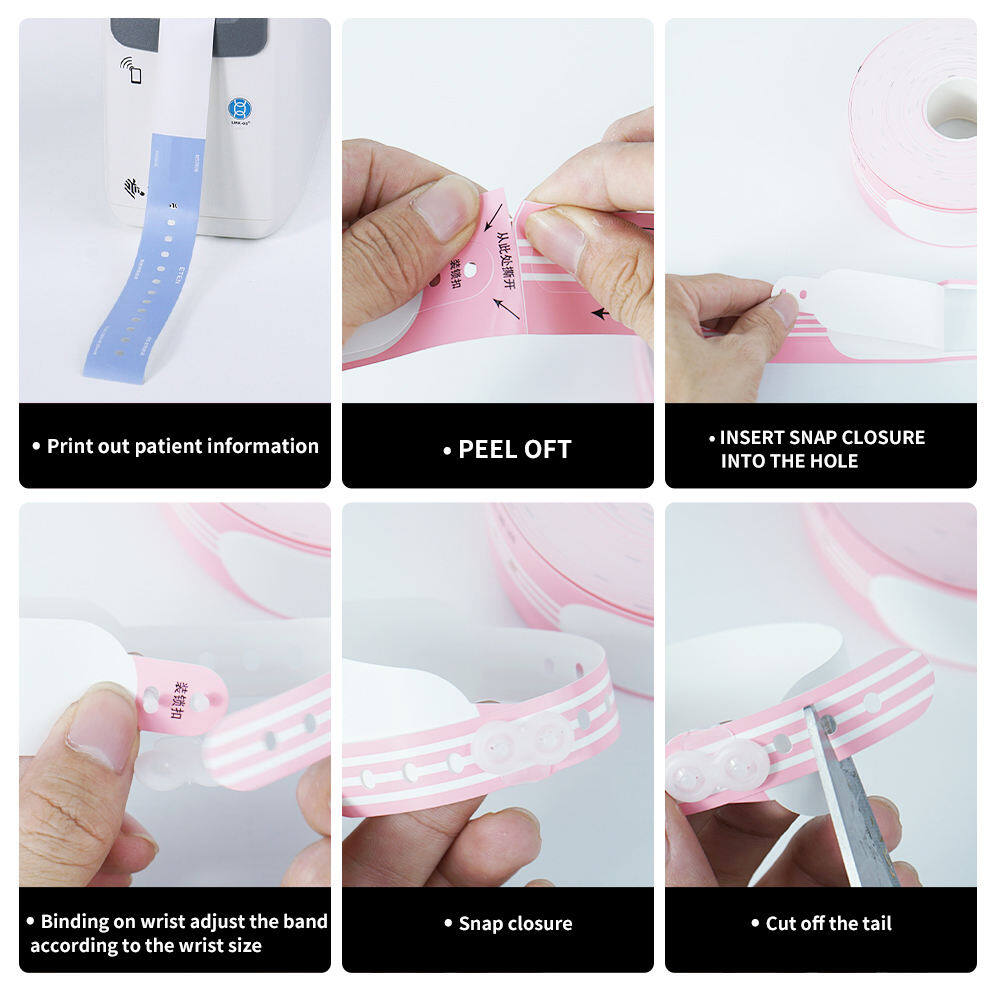
For patients with latex allergy, wristband allergy alerts—whether incorporated into the identification band itself or communicated through other alert mechanisms—ensure that all staff are aware of the need for latex-safe products throughout the patient's encounter.
Product Selection and Stock Management
Healthcare facilities should maintain an adequate supply of latex free wristband products for patients with known or suspected latex allergy. These should be clearly identified in stock systems and readily accessible to admitting staff.
Ideally, facilities may choose to transition to latex free wristband products for all patients. While this represents a higher initial cost than purchasing only sufficient quantities for allergic patients, universal use eliminates the risk of inadvertent latex exposure due to stock mix-ups or identification errors. Many facilities have adopted this approach as part of comprehensive latex minimization strategies.
Staff Training and Awareness
All clinical staff involved in patient identification—including admissions personnel, nurses, and ancillary staff—should receive training on latex allergy recognition and appropriate product selection. Training should cover:
- Recognizing signs and symptoms of latex reactions
- Understanding the difference between "latex-free" and "Not Made with Natural Rubber Latex" labeling
- Procedures for obtaining appropriate latex free wristband products
- Documentation and communication of latex allergy status
Environmental Controls
Beyond wristbands, facilities should implement broader latex minimization strategies consistent with NIOSH and CDC recommendations. These include:
- Selecting non-latex gloves for all clinical applications where feasible
- Using powder-free gloves when latex gloves are necessary
- Identifying and replacing other latex-containing products (catheters, injection ports, blood pressure cuffs, tourniquets)
- Maintaining latex-safe environments for high-risk patient populations
Special Considerations: Pediatrics and High-Risk Populations
Children with Spina Bifida and Congenital Anomalies
Pediatric patients with spina bifida and related conditions represent the highest-risk group for latex sensitization due to repeated surgical and catheterization exposures. For these patients, the use of latex free wristband products is not merely a precaution—it is a critical component of preventing further sensitization and potential anaphylaxis.
Facilities serving these populations should implement latex-safe protocols from the first patient contact. This includes ensuring that identification bands applied at admission are "Not Made with Natural Rubber Latex," and that all subsequent products used in the patient's care meet the same standard.
The Latex-Fruit Syndrome
Healthcare providers should be aware that certain food allergies may indicate cross-reactivity with latex proteins. Patients allergic to bananas, avocados, kiwi, chestnuts, passion fruit, papaya, figs, peaches, tomatoes, and other foods may have underlying latex sensitization. When these patients require hospital care, wristband allergy considerations should include latex avoidance, even in the absence of reported latex reactions.
Patients with Repeated Healthcare Exposure
Individuals with chronic conditions requiring frequent hospitalizations, multiple surgeries, or ongoing medical device use accumulate latex exposure over time. Each healthcare encounter represents an opportunity for sensitization. Facilities should consider latex-safe protocols for these patients proactively, rather than waiting for an allergic reaction to occur.
The Business Case for Latex-Safe Wristbands
Risk Reduction and Liability
While latex free wristband products may carry a slightly higher unit cost than conventional alternatives, this differential must be evaluated against the potential costs of managing allergic reactions. Anaphylaxis requires emergency intervention, may extend hospitalization, and carries significant liability exposure. For facilities with high-risk patient populations, the economics of universal latex-safe wristband use may be favorable.
Patient Experience and Satisfaction
Patients with latex allergy often experience significant anxiety regarding healthcare encounters. The visible assurance of a "Not Made with Natural Rubber Latex" wristband—and staff awareness of latex-safe practices—contributes to patient confidence and satisfaction. In an era of increasing emphasis on patient experience metrics, this consideration carries weight beyond pure risk management.
Alignment with Regulatory Expectations
While neither the FDA nor The Joint Commission mandates the use of latex free wristband products, regulatory expectations regarding patient identification and allergy documentation align with latex-safe practices. The Joint Commission's National Patient Safety Goals emphasize accurate patient identification and the importance of matching patients to their intended care. For latex-allergic patients, appropriate product selection is integral to safe identification.
Frequently Asked Questions
What is the difference between "latex-free" and "not made with natural rubber latex"?
"Latex-free" implies a guarantee of zero latex content that cannot be scientifically verified. "Not made with natural rubber latex" accurately states that natural rubber latex was not used as an intentional material in the product's manufacture. The FDA recommends the latter terminology for medical products.
Do all hospitals need to stock latex-free wristbands?
Facilities should maintain an adequate supply of latex free wristband products for patients with known or suspected latex allergy. Some facilities choose universal use as a risk reduction strategy.
Can a patient develop latex allergy from wristband contact alone?
While wristband contact is unlikely to be the primary sensitization route, it represents a potential exposure for already-sensitized individuals. Any latex-containing product in the healthcare environment contributes to cumulative exposure burden.
What should I do if a patient reports a reaction to a wristband?
Document the reaction, remove the offending band, and replace it with a product labeled "Not Made with Natural Rubber Latex." Evaluate the patient for latex allergy through appropriate diagnostic testing if indicated. Report the event through your facility's adverse event reporting system.
How do I verify that a wristband is truly latex-safe?
Request documentation from the manufacturer confirming that the product is "Not Made with Natural Rubber Latex." Verify that all components—band material, adhesive, and closure—are included in this confirmation.
Conclusion
The choice between latex free wristband products and those containing natural rubber latex carries implications that extend far beyond procurement. For infection control and patient safety professionals, this decision touches on fundamental commitments to patient welfare, regulatory compliance, and occupational health.
The regulatory landscape is clear: medical devices containing natural rubber latex must be labeled with appropriate cautionary statements, and products not manufactured with natural rubber latex should be labeled as "Not Made with Natural Rubber Latex" rather than the imprecise and potentially misleading "latex-free." Understanding this distinction enables informed product selection and accurate communication with patients and staff.
Clinically, the evidence supporting latex-safe practices is compelling. With latex allergy affecting up to 17 percent of healthcare workers and substantially higher proportions of certain patient populations, the presence of latex-containing products in the patient care environment represents a genuine and preventable risk. Wristband allergy concerns, while only one component of comprehensive latex management, deserve attention proportional to the wristband's role as a continuously worn patient safety device.
By selecting latex free wristband products—properly understood as products not manufactured with natural rubber latex—healthcare facilities take a meaningful step toward protecting both patients and staff from preventable allergic reactions. In the broader context of infection control and patient safety, this represents not merely a product choice, but an affirmation of the commitment to first, do no harm.
Continue Reading
Have Questions About Wristbands?
Our team is ready to help you find the perfect wristband solution for your needs. Contact us directly on WhatsApp for quick responses.
Contact on WhatsApp