
Can Patient Wristbands Reduce Hospital Readmissions? What the Data Says
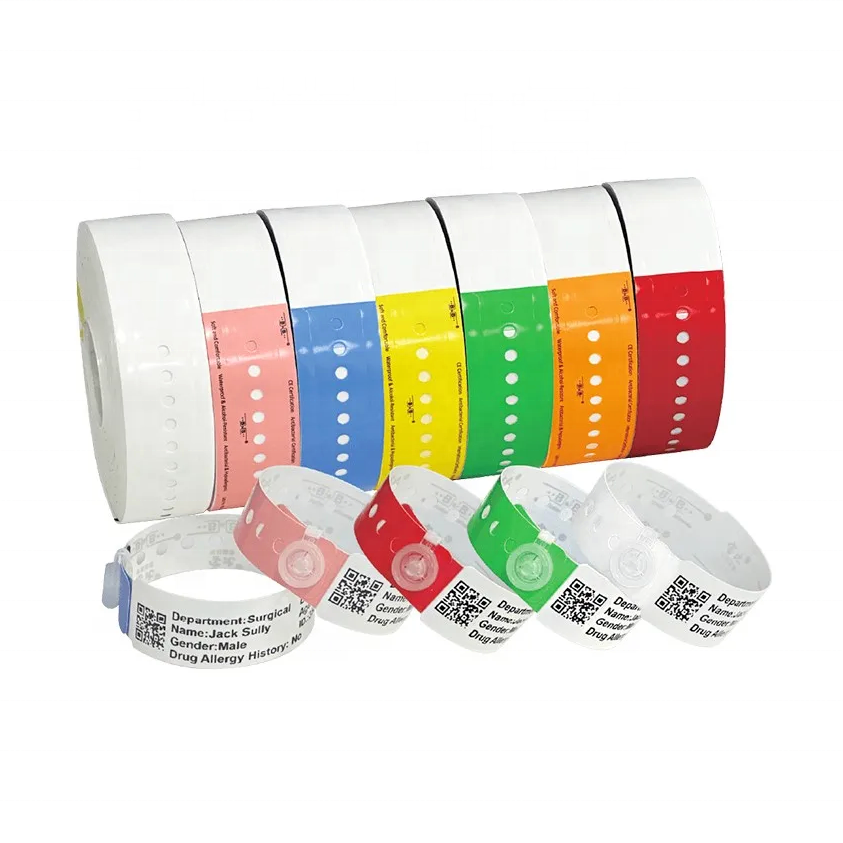
The Post-Discharge Wristband: A Direct Test of Readmission Impact
Hospital readmissions represent one of the most persistent and costly challenges in modern healthcare. Under the Hospital Readmissions Reduction Program (HRRP), the Centers for Medicare & Medicaid Services penalizes hospitals with excessive 30-day readmission rates, and the pressure is intensifying. For fiscal year 2026, the proportion of hospitals facing penalties of at least one percent will rise from seven to eight percent, while the number of hospitals penalized less will decline. With the national 30-day all-cause readmission rate hovering around 15 to 16 percent for Medicare patients, the search for effective, scalable interventions has never been more urgent.
Among the many strategies deployed to reduce readmissions, the humble patient wristband rarely commands headlines. It is not a predictive algorithm, nor a remote monitoring platform, nor a transitional care nurse. It is a strip of plastic or silicone, worn on the wrist, conveying information. Yet emerging research suggests that this low-cost, low-tech tool may have a meaningful role to play in keeping patients out of the hospital after discharge—particularly when it functions not merely as an identifier, but as a conduit for communication.
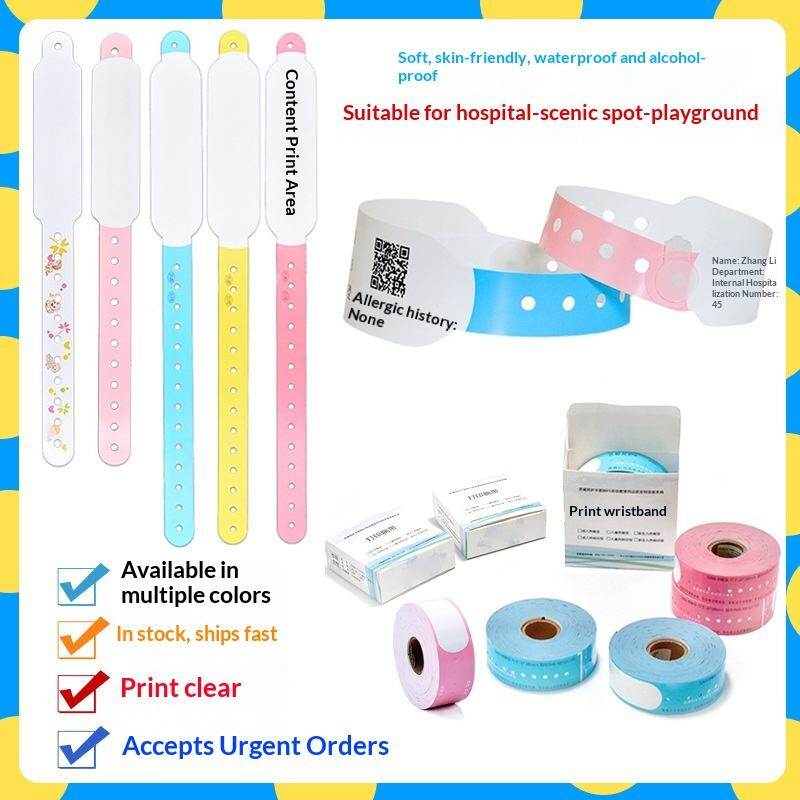
Printable patient wristbands serve as a low-cost communication tool across care settings.
The Post-Discharge Wristband: A Direct Test of Readmission Impact
The most direct evidence on wristbands and readmissions comes from a 2024 study published in Arthroplasty Today, which examined whether a provider contact wristband placed at discharge could reduce emergency department visits and readmissions following total hip or knee arthroplasty. The intervention was elegantly simple: patients received a bright orange silicone wristband displaying a phone number that connected them directly to an on-call senior orthopedic resident. The wristband served as a visual cue, reminding patients to call before presenting to the emergency department with post-operative concerns.
The results were nuanced but encouraging. Over a three-year period following implementation, the study tracked 1,023 joint replacements. Patients made 273 calls to the wristband number—approximately one call per 3.75 patients. Nearly half of these calls (48.1 percent) occurred during weekday work hours, when the care team was readily available. The impact on emergency department visits was not statistically significant, though there was a directional decline at both 30 and 90 days. However, the study found a statistically significant reduction in 90-day readmissions, dropping from 6.4 percent before the wristband program to 4.0 percent after.
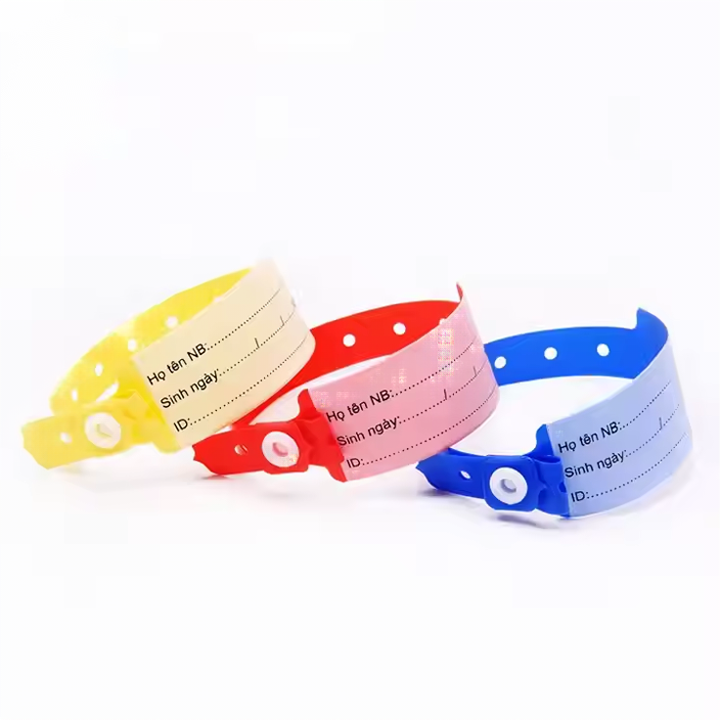
Simple silicone wristbands can carry contact information and post-discharge instructions.
This finding is notable precisely because it diverges from the ED visit data. The wristband did not appear to prevent patients from seeking emergency care altogether, but it may have facilitated earlier clinical intervention that prevented escalation to the point of requiring inpatient readmission. A patient who calls the on-call resident about a swollen knee or a fever might receive guidance, reassurance, or an expedited office visit rather than presenting to the emergency department, where the default pathway often leads to admission. The wristband, in other words, may function as a triage tool—not a barrier to care, but a redirection toward more appropriate and less costly care settings.
The Broader Case for Wearable Wristbands in Care Transitions
The post-discharge contact wristband is only one iteration of a broader category: the wearable device as a clinical communication and monitoring tool. In palliative care, researchers have explored wrist-worn sensors for continuous vital sign monitoring—heart rate, respiratory rate, oxygen saturation—to detect clinical deterioration early. The pilot study faced significant recruitment challenges and device reliability issues, with wrist-worn devices yielding valid data only 61.5 percent of the time, but it demonstrated the conceptual feasibility of using wearables to track patients at high risk of decompensation.
For heart failure patients specifically, the potential is substantial. A study of 25 recently discharged heart failure patients used wristband-based wearables to collect step counts, heart rates, and sleep data passively. The system achieved 80 percent compliance for per-minute step data and a median gap of only four minutes in heart rate data collection. Machine learning models trained on this multimodal data achieved 96.35 percent accuracy in predicting clinical deterioration ahead of time—significantly outperforming the traditional LACE index. While this research is preliminary, it points toward a future in which the wristband becomes not just an identifier or a reminder, but an active monitoring node in the post-discharge ecosystem.
Printed identification wristbands anchor patients to accurate records throughout care transitions.
The economic dimension of readmissions is difficult to overstate. The MATCH IT Act of 2025, introduced in Congress, cites data showing that the expense of repeated medical care due to duplicate records costs an average of $1,950 per patient inpatient stay and more than $1,700 per emergency department visit. Thirty-five percent of all denied claims result from inaccurate patient identification, costing the average hospital $2.5 million annually and the U.S. healthcare system more than $6.7 billion. These figures frame the wristband conversation within a much larger context: patient identification and data integrity are not administrative conveniences—they are clinical safety and financial imperatives.
The Identification Foundation: Why Wristbands Matter Beyond Readmissions
It is tempting to evaluate wristbands solely on their capacity to reduce readmissions or emergency visits. But the foundational function of the patient wristband—accurate identification—underpins nearly every safety and quality metric that influences readmission risk. A prospective observational study conducted at a teaching hospital found that more than three-quarters of healthcare workers failed to verify patient identity using name and date of birth before performing clinical tasks. Clinic doctors were the most frequent offenders, with 37.1 percent failing to complete the identification process. In an environment where one in five patients may not be matched to all their records, the wristband serves as the last line of defense against misidentification errors that can lead to wrong medications, wrong procedures, and treatments for conditions the patient does not have.
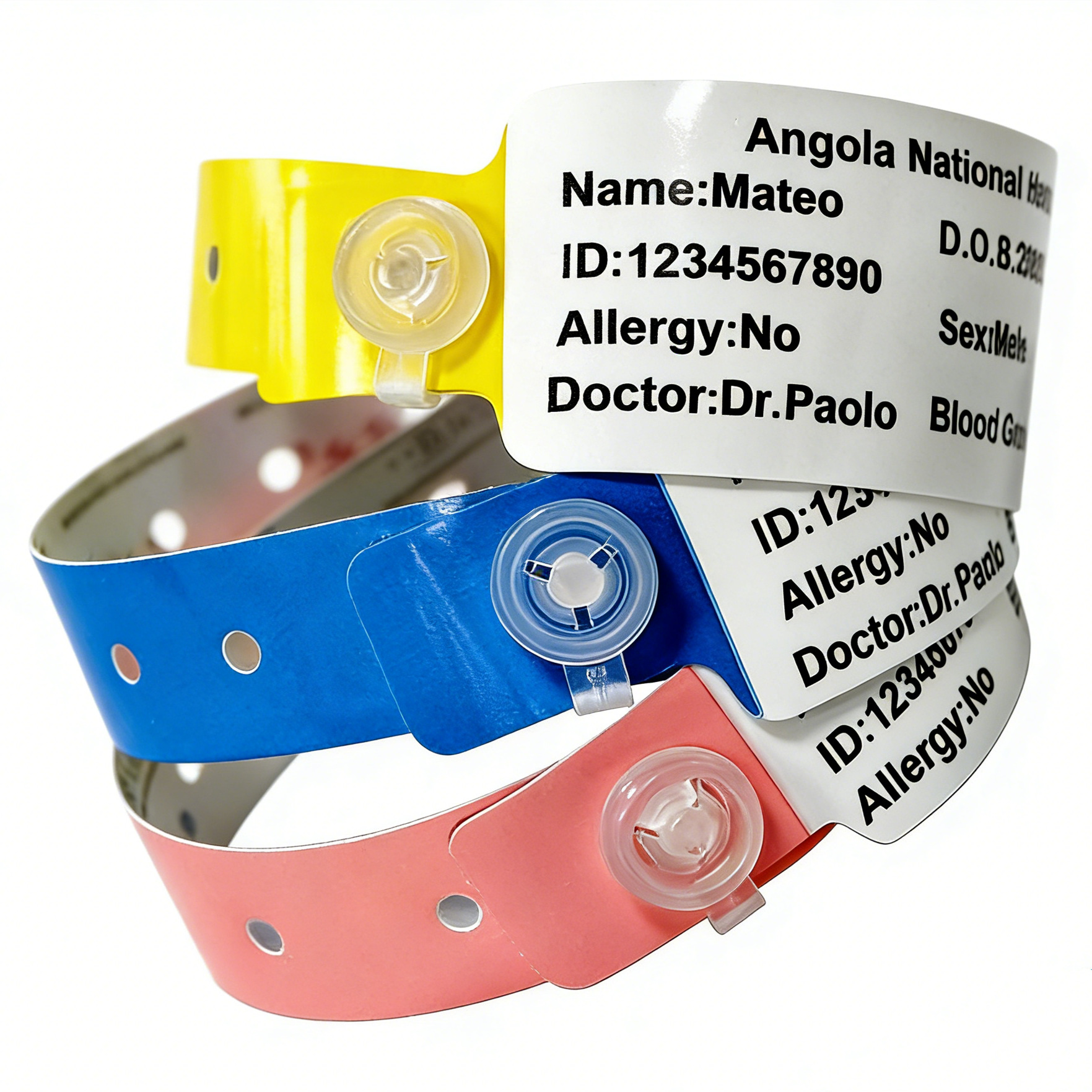
Accurate printed identification on wristbands prevents misidentification-driven adverse events.
The implications for readmission are indirect but profound. A patient discharged with an incomplete or inaccurate medication list due to identity confusion is at elevated risk for adverse drug events. A patient whose allergy information is not properly linked to their record may receive a medication that triggers a reaction requiring readmission. The wristband, when used correctly and consistently, anchors the patient to their correct identity throughout the care episode and into the transition home.
For elderly patients—the population most vulnerable to readmission—the stakes are particularly high. A 2025 study published in Scientific Reports found that cognitive impairment nearly doubled the odds of 30-day readmission (adjusted odds ratio 1.81), and each previous hospitalization increased odds by 28 percent. Patients with cognitive impairment may struggle to remember their discharge instructions, their medication schedules, or whom to call with concerns. A wristband bearing contact information or a medical alert bracelet with a digital health record represents a tangible, always-present prompt that does not rely on memory or a piece of paper that can be lost.
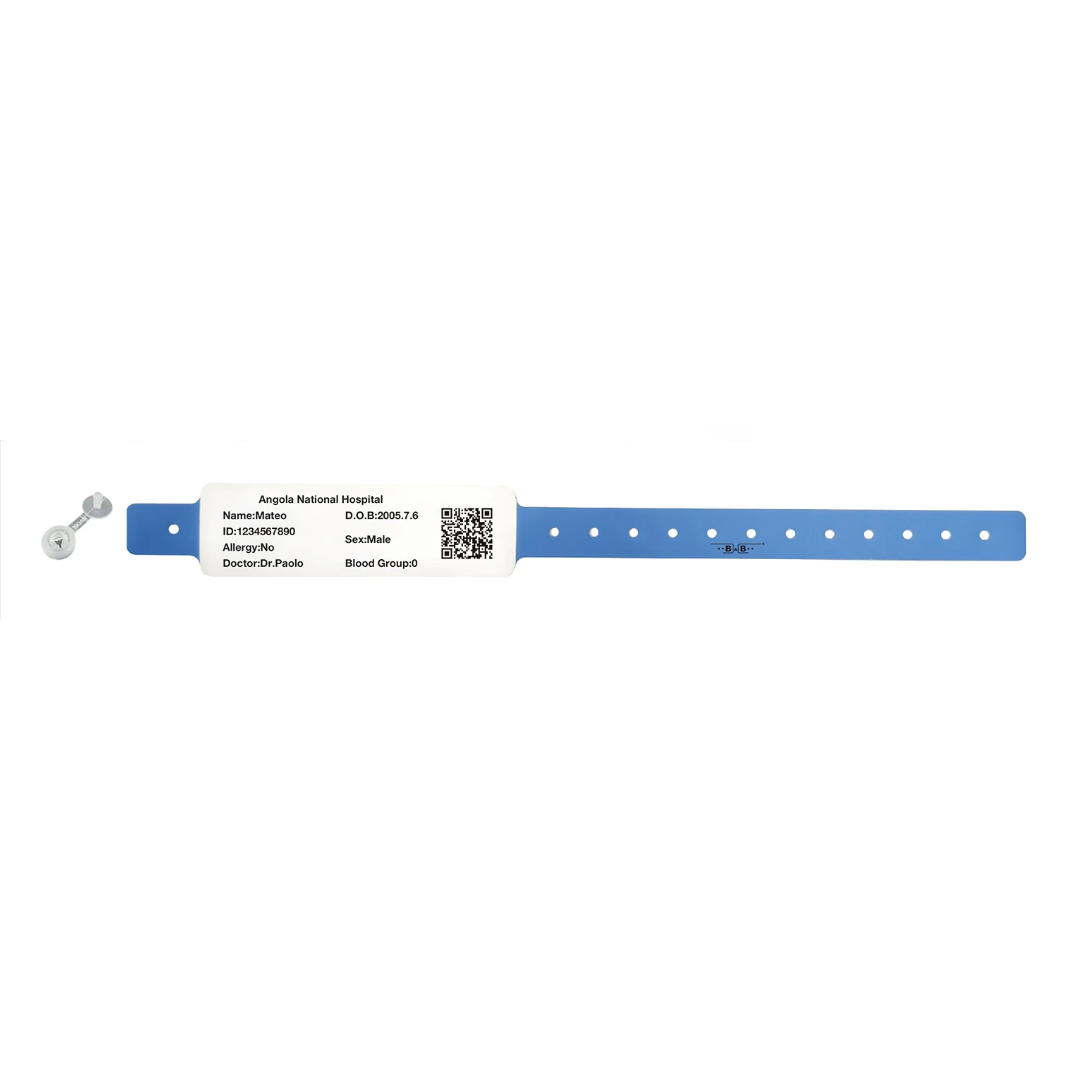
Barcode and QR-enabled wristbands link patients to complete electronic records.
Electronic Wearables and Medication Safety in Long-Term Care
The convergence of wristbands with electronic health records is opening new frontiers for medication safety—a key driver of readmissions. Research underway in long-term care settings is exploring the Tap2Tag Medical Alert Bracelet, which contains a personal health record that can be loaded onto a smartphone browser when tapped. The bracelet effectively speaks for individuals who cannot identify themselves, communicating their name, medication allergies, and other critical data to care staff. For older adults with dementia—a population in which medication errors are common and self-identification is often impossible—this technology addresses a direct safety gap.
Remote monitoring systems in Portugal are integrating wristbands with smart medication dispensers that verify intake and generate real-time alerts for missed doses. The platform detects critical situations such as missed medication, abnormal inactivity, and orthostatic hypotension—events that can lead to falls, hospitalization, and readmission. These systems use HL7 FHIR for data interoperability, positioning wristband-generated data within the broader clinical record rather than as an isolated signal.
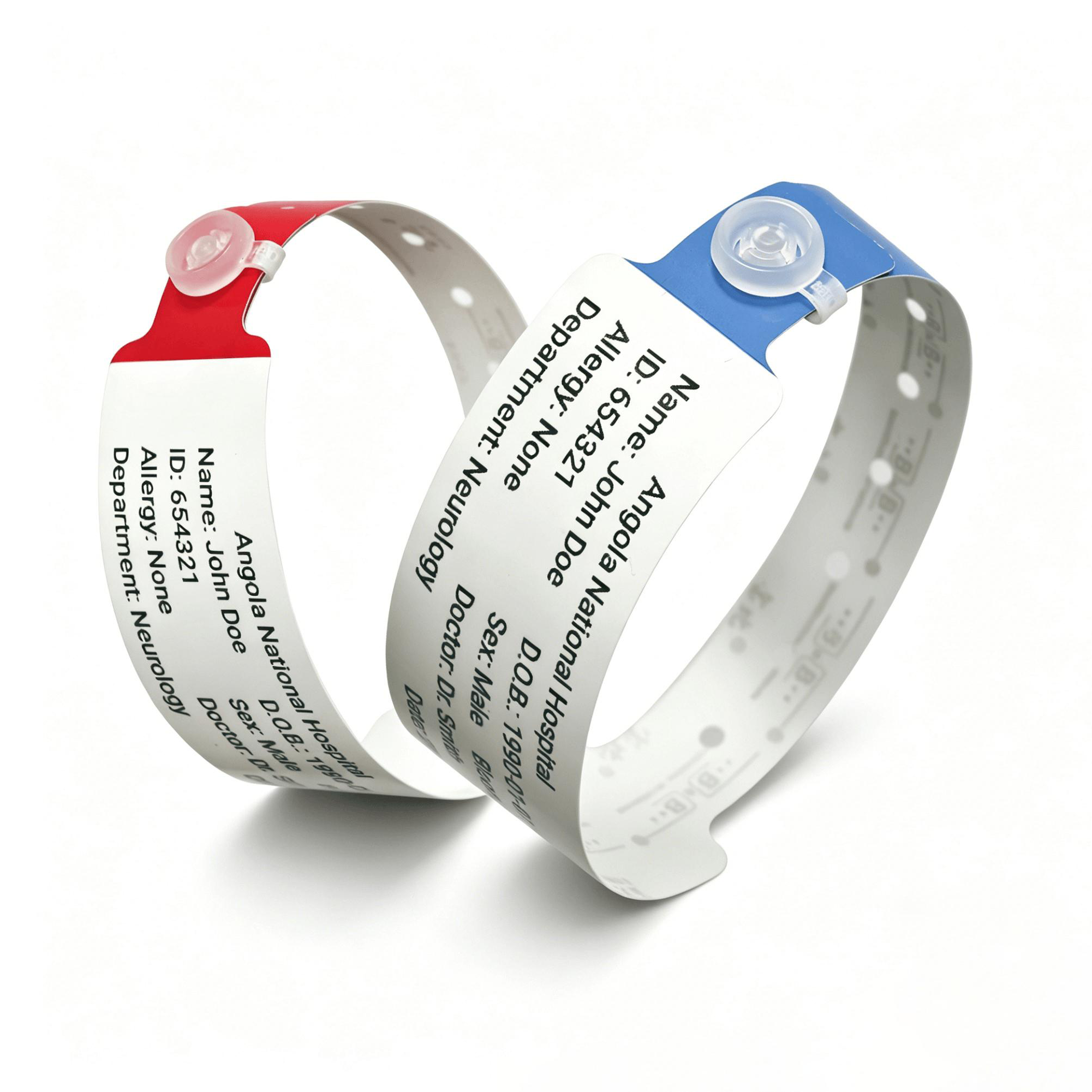
Wristbands that convey identity and clinical data support safer medication workflows.
The through-line in all these applications is communication: wristbands that convey information to the patient (when to call, whom to contact) and to the clinician (who this patient is, what they need, what is happening physiologically). Readmission is often a failure of communication—between hospital and home, between inpatient and outpatient teams, between what the patient was told and what the patient understood. A wristband is a communication device, and its clinical utility is bounded only by the thoughtfulness with which it is designed and deployed.
The Limitations and Realities of Wristband Interventions
Intellectual honesty requires acknowledging what the data does not show. The Arthroplasty Today study, while demonstrating a significant reduction in 90-day readmissions, did not find a statistically significant reduction in emergency department visits. The authors noted that the wristband number was utilized—the call volume confirms that patients engaged with the intervention—but this utilization did not translate into fewer ED trips within three years. This suggests that the wristband may influence the outcome of an episode (whether it becomes a readmission) without fundamentally altering the care-seeking behavior of patients.
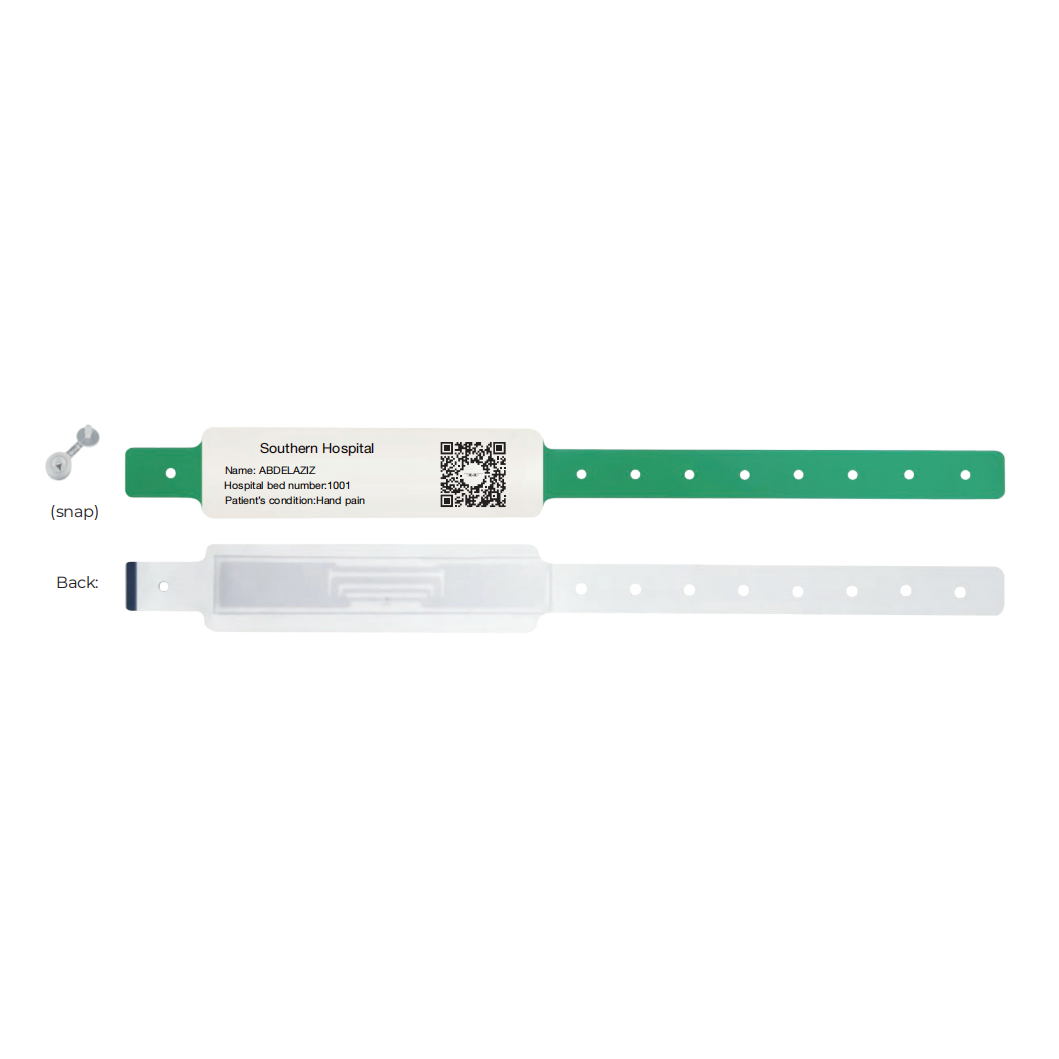
Durable, comfortable wristband design determines whether patients keep wearing the device.
The wearable sensor study in palliative care faced recruitment and data reliability challenges that led to premature termination. Wrist-worn devices yielded valid data only 61.5 percent of the time, and oxygen saturation data was particularly poor at 45.1 percent. For wristband technology to fulfill its promise as a monitoring tool, device reliability and patient adherence must improve substantially. A wristband that must be removed for bathing, that irritates the skin, or that produces inconsistent data is a wristband that will not be worn.
There is also the risk of alert fatigue and workflow disruption. If a wristband program generates a high volume of calls that must be triaged by already-stretched clinical staff, the sustainability of the intervention may be questionable. The Arthroplasty Today study managed calls through a proprietary call-forwarding application with secure messaging and reminders, a level of infrastructure that may not be replicable in all settings. The wristband itself is inexpensive; the system around it is not.
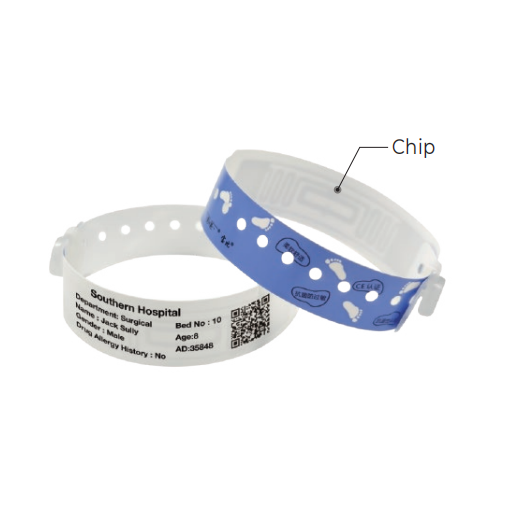
Chip-enabled wristbands extend identification into connected monitoring systems.
Implications for Practice and Policy
The convergence of an intensifying HRRP penalty regime, a growing evidence base for wristband-based interventions, and a national conversation about patient matching suggests that the wristband is due for a strategic re-evaluation. Several principles emerge from the data:
First, the wristband is most powerful when it has a job beyond identification. The standard inpatient wristband conveys name, date of birth, and perhaps allergy or fall-risk status. The wristbands showing promise in readmission reduction are those that add a call-to-action—a phone number, a reminder, a behavioral prompt. The intervention is not the wristband itself but the communication loop it enables.
Second, the wristband is a platform, not a product. The same physical form factor can support identification, medication alerts, vital sign monitoring, and post-discharge contact. Hospitals should consider wristband strategy not as a purchasing decision but as an infrastructure decision—what data flows through this channel, and how does it connect to the clinical record and the care team?
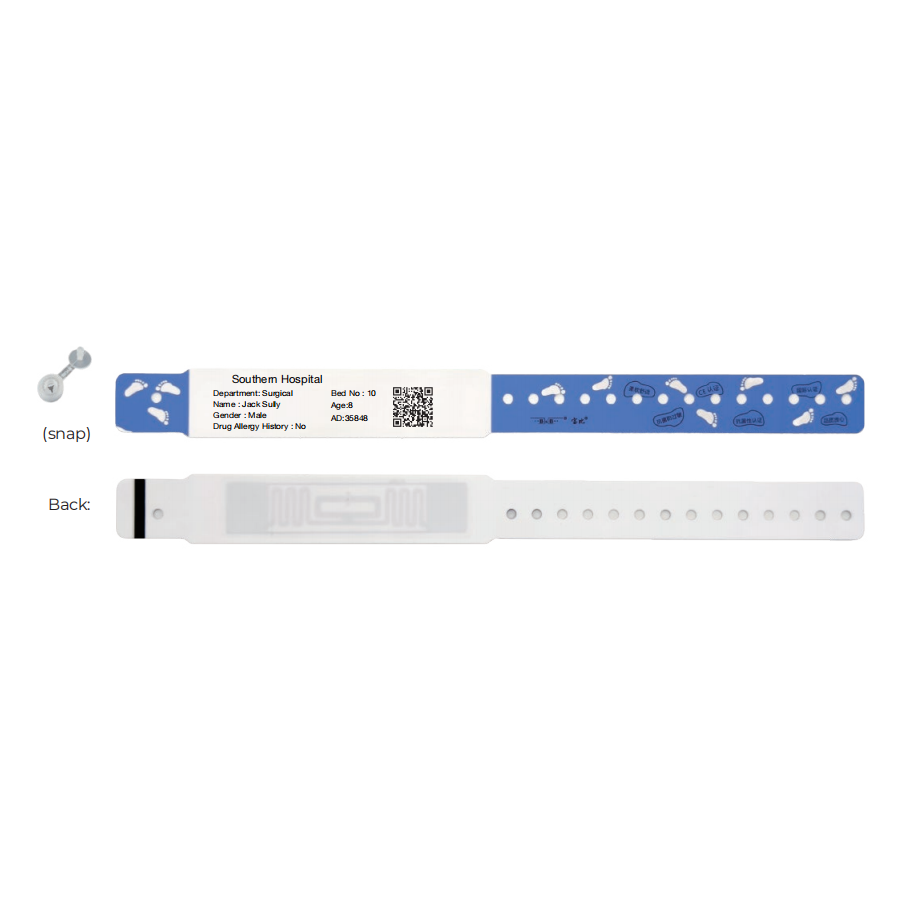
A wristband strategy is an infrastructure decision, not a one-time purchase.
Third, the evidence base is suggestive but not definitive. The 90-day readmission reduction in the arthroplasty study is the strongest signal to date, but it is a single-site study in a specific surgical population. Multi-site trials in medical populations with higher baseline readmission risk are needed. The field would benefit from standardized metrics—not just readmission rates, but call volume, call resolution, ED diversion rates, and patient-reported experiences with the wristband.
Fourth, patient identification remains the unsexy foundation. The MATCH IT Act is a recognition that the U.S. healthcare system cannot reliably match patients to their records. One in five patients may be incompletely matched, costing billions and harming patients. The wristband is a low-tech, high-reliability solution to a problem that technology alone has not solved. Any readmission reduction strategy that does not begin with accurate identification is built on sand.
Conclusion
Can patient wristbands reduce hospital readmissions? The honest answer is: it depends on the wristband, the system around it, and the population it serves. The data does not support a blanket claim that wristbands are a readmission panacea. But the data does support the conclusion that a wristband with a clear clinical purpose—whether that is connecting a post-surgical patient to an on-call provider, alerting a caregiver to a missed medication, or continuously tracking vital signs in a heart failure patient—can influence outcomes.
The readmission problem is not a technology problem. It is a communication problem—between clinicians and patients, between hospital and home, between what is known and what is acted upon. The wristband is not a solution in itself. It is a reminder, a prompt, a link. But sometimes, in the chaotic and fragile period after discharge, a small, persistent, always-present reminder is exactly what a patient needs to stay well.
As penalties tighten and the evidence accumulates, the wristband deserves a seat at the table—not as a gadget, but as a clinical tool. The question is not whether it can work. The question is whether we will design it, deploy it, and study it with the rigor that its potential demands.
Continue Reading
Have Questions About Wristbands?
Our team is ready to help you find the perfect wristband solution for your needs. Contact us directly on WhatsApp for quick responses.
Contact on WhatsApp