
Direct Thermal vs. Thermal Transfer Printing for Wristbands: Which Lasts Longer?
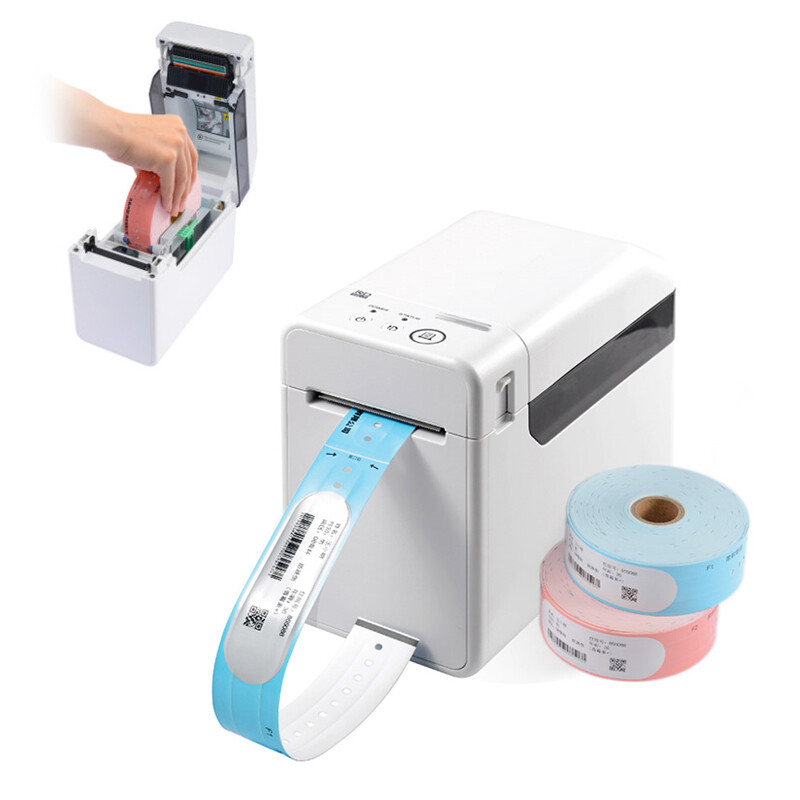
When a hospital issues a patient identification wristband, that band becomes the single most important link between the patient and every clinical decision made about their care. Medication administration, blood transfusions, specimen collection, surgical site verification—all depend on the accuracy of the information printed on that band. If the barcode becomes unscannable or the text illegible, the entire safety chain breaks down.
For IT and procurement professionals tasked with selecting wristband printing technology, the choice between direct thermal wristband printing and thermal transfer wristband printing is not merely a matter of hardware preference. It is a decision that affects patient safety outcomes, nursing workflow efficiency, operational costs, and compliance with identification accuracy standards.
This guide examines the two dominant thermal printing technologies across four critical dimensions: printing principle, durability, chemical resistance, and cost per print. The goal is to provide a clear technical framework for making an informed selection that matches your facility's clinical requirements.
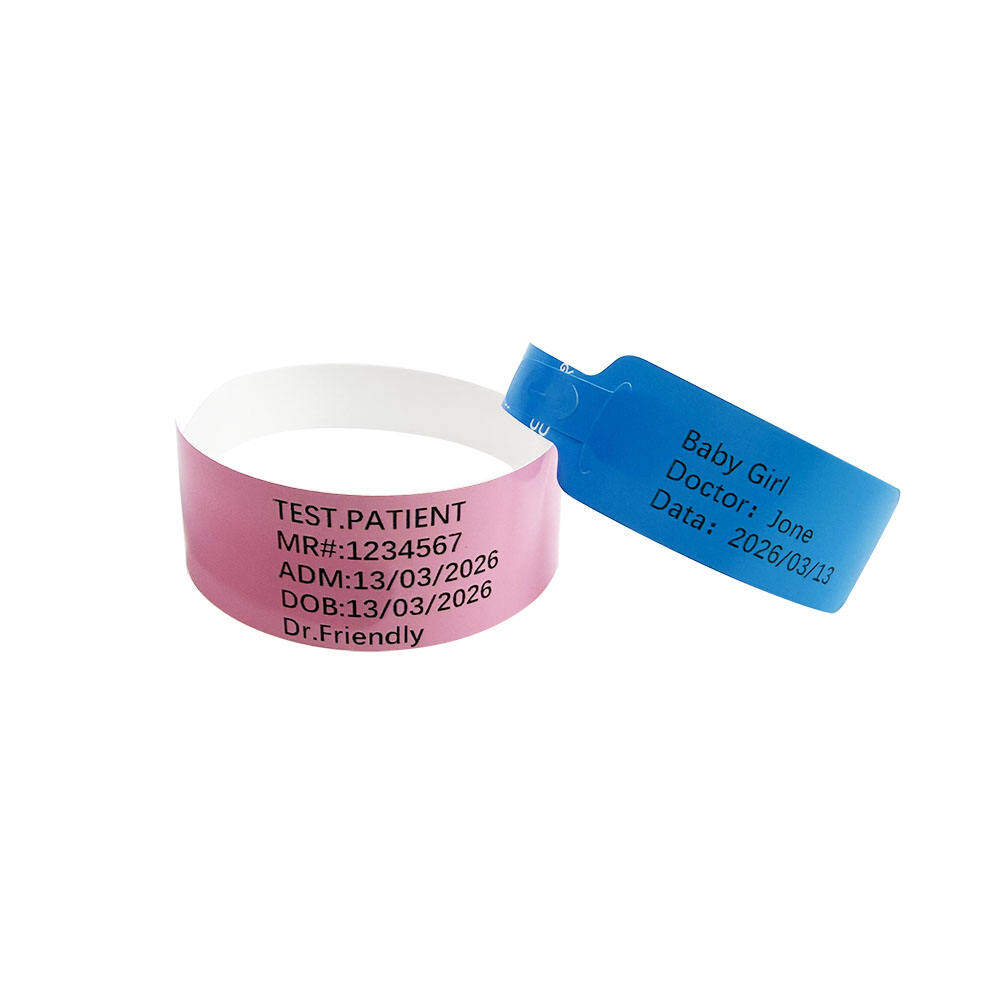
Understanding the Fundamental Difference: How Each Technology Works
Direct Thermal Printing: Chemistry Meets Heat
Direct thermal printing operates on a principle of chemical activation. The wristband material itself is coated with a heat-sensitive layer containing a thermochromic compound. When the print head heats a specific element, the coating undergoes a dye-acid reaction that permanently darkens that spot, creating the printed image.
No ribbon, ink, or toner is consumed in this process. The print head contacts the treated surface directly, and the image is formed within the wristband material itself. This simplicity is the technology's greatest strength—and, in certain applications, its most significant limitation.
Direct thermal wristbands are typically constructed from polypropylene or similar synthetic facestock with the thermal coating applied to the surface. The absence of a ribbon simplifies the printing mechanism, reduces moving parts, and eliminates an entire category of consumables from the supply chain.
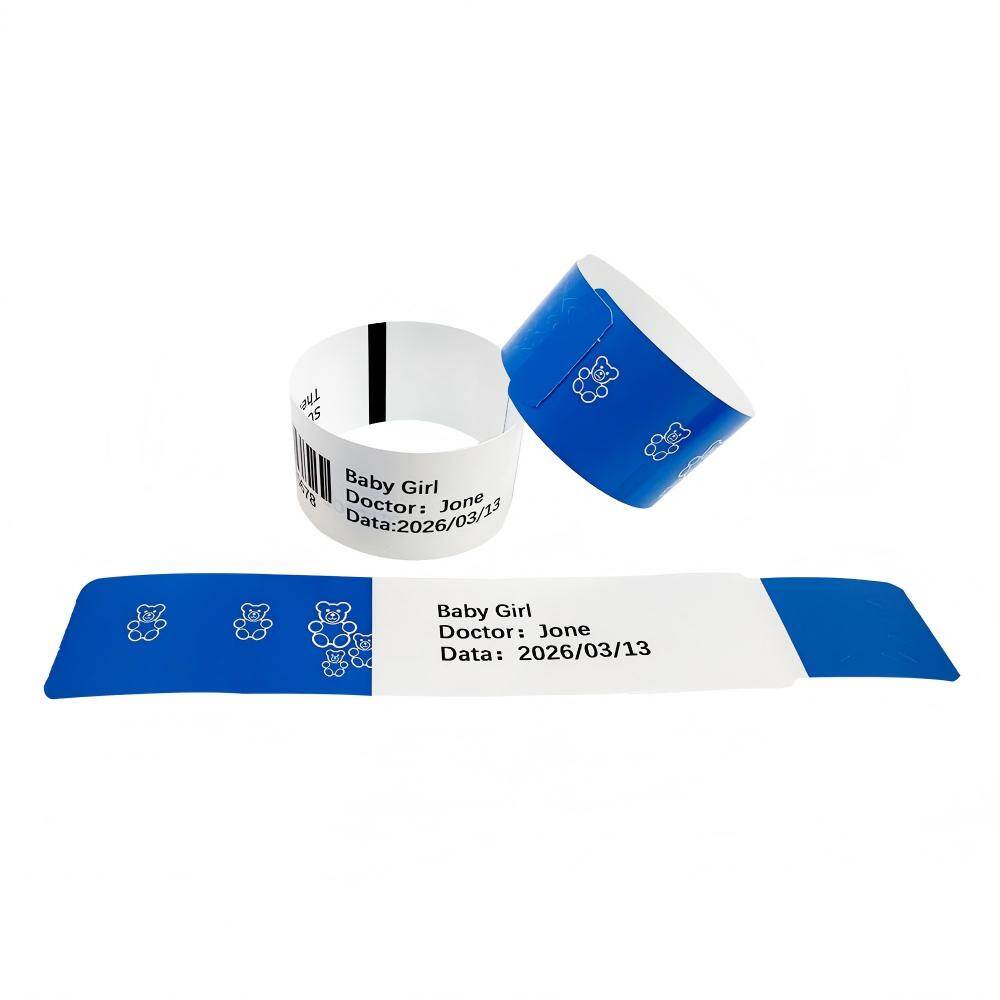
Thermal Transfer Printing: Ribbon Meets Substrate
Thermal transfer printing interposes a third element between the print head and the wristband: a ribbon. This thin polyester film is coated with a wax, resin, or wax-resin blend. When the print head heats a specific element, the ribbon coating melts and bonds to the underlying wristband material.
The image material—the melted ribbon coating—becomes embedded in or adhered to the wristband surface. The ribbon advances after each print cycle, presenting fresh coating for the next image. This process consumes ribbon, which represents both the technology's primary advantage (durability) and its primary cost disadvantage.
Thermal transfer wristbands are frequently manufactured from synthetic materials such as polyester, which provide an optimal surface for ribbon adhesion and contribute to the overall durability of the finished print.
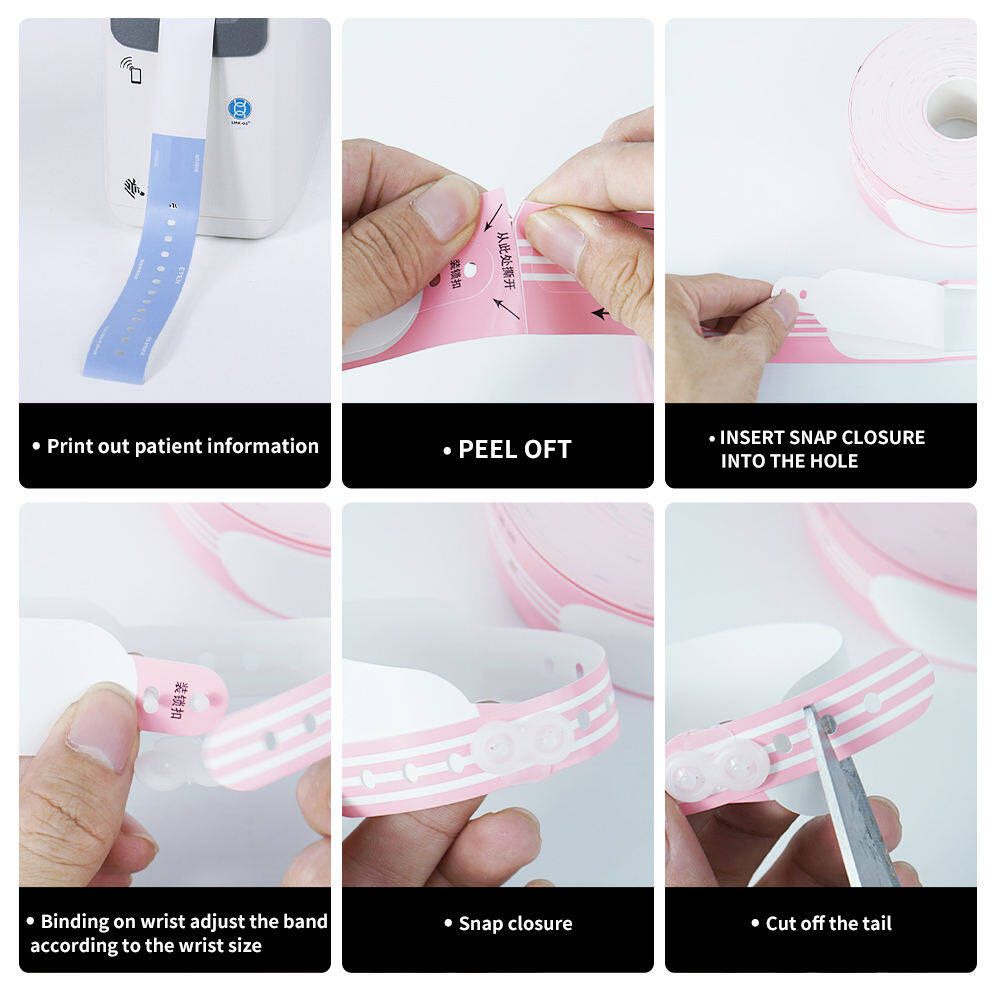
Durability: When Does the Print Need to Survive?
Direct Thermal: Engineered for Clinical Lifespans
The durability profile of direct thermal wristband products has improved substantially over the past two decades. Modern direct thermal wristbands are engineered specifically for healthcare environments, where the print must remain scannable for the duration of a patient's stay.
Industry specifications provide important benchmarks. Zebra's Z-Band Direct wristbands are rated as scannable for up to 14 days under normal clinical conditions. This lifespan aligns well with the average length of stay for many medical and surgical admissions, and exceeds the typical duration for outpatient, emergency department, and short-stay observation patients.
However, the critical caveat is that direct thermal prints are susceptible to environmental degradation. Heat, light, and certain chemicals can cause the thermal coating to darken or fade, potentially compromising barcode readability. This sensitivity is not a defect in the technology but an inherent property of the chemical reaction that produces the image. Manufacturers have developed coatings that mitigate these effects, but the fundamental vulnerability remains.
For clinical applications where the wristband will be worn for a known, finite period—typically measured in days rather than weeks or months—direct thermal technology provides adequate durability with substantial operational advantages.
Thermal Transfer: Built for Extended Exposure
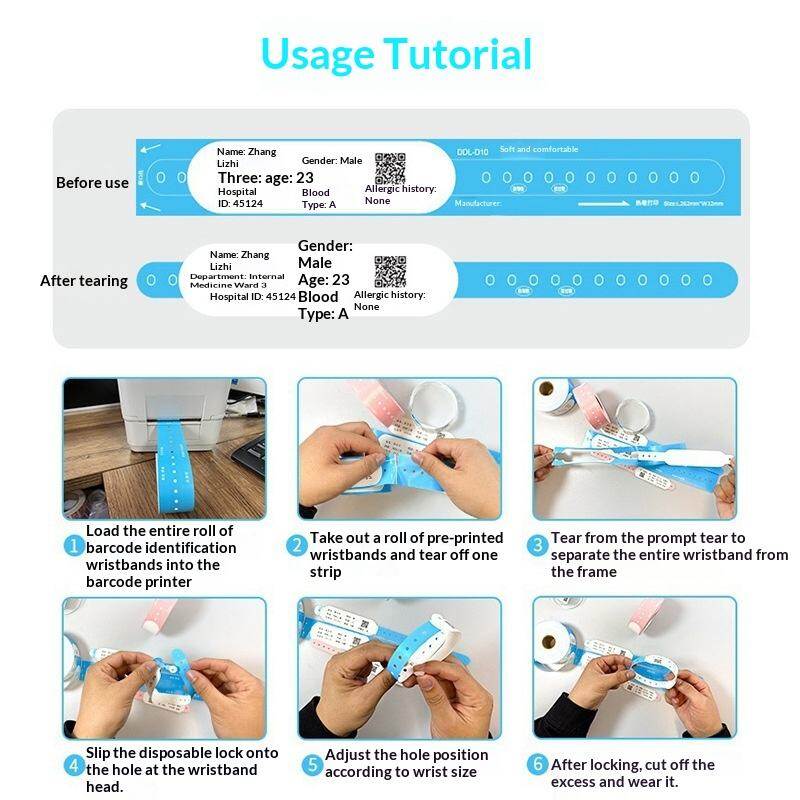
Thermal transfer wristband prints offer demonstrably superior durability because the image material is bonded to the wristband surface rather than formed within a chemically treated layer. This bonded image resists heat, moisture, ultraviolet light, solvents, and abrasion far better than direct thermal prints.
The practical implications for healthcare are significant. A thermal transfer wristband printed with a resin ribbon on polyester stock can maintain barcode readability for weeks or months, depending on the specific materials and environmental conditions. For patient populations requiring extended identification—long-term care residents, rehabilitation patients, oncology patients undergoing prolonged treatment protocols—this extended durability is a genuine clinical advantage.
The ribbon also serves a secondary function: it acts as a protective barrier between the print head and the wristband material, extending print head service life to roughly two to four times that of an equivalent direct thermal print head operating without a ribbon. This hardware longevity consideration is often overlooked in total cost calculations but can be substantial for high-volume printing environments.
Chemical Resistance: The Clinical Environment Test
What Wristbands Encounter in Real Clinical Practice
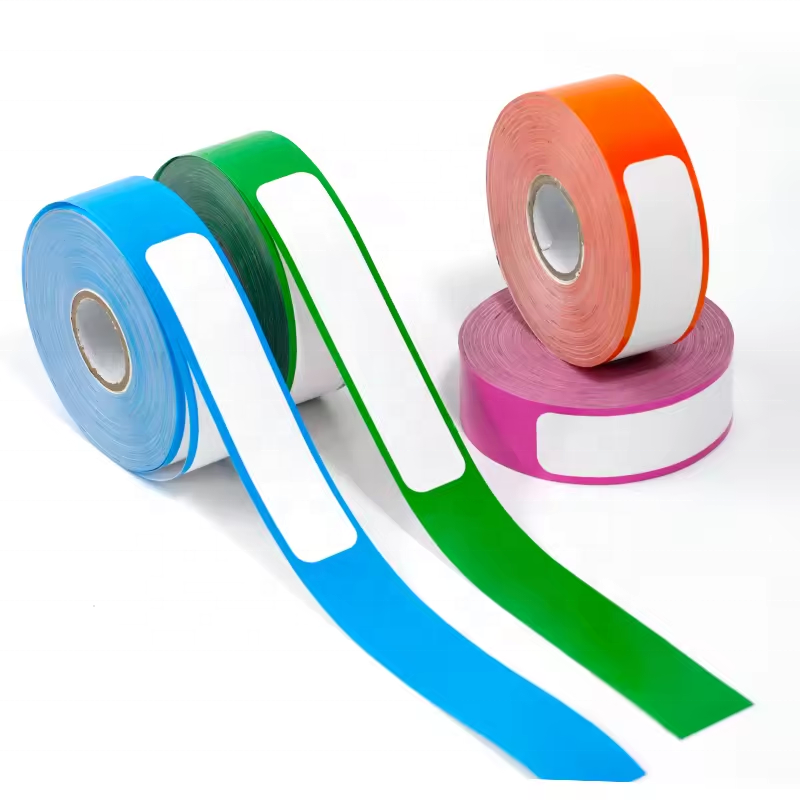
Patient wristbands are exposed to a remarkable array of chemical challenges during a typical hospital stay. Hand sanitizers, alcohol wipes, Betadine, chlorhexidine, blood, body fluids, IV solutions, and cleaning agents all contact the wristband surface—often repeatedly. The ability of the printed information to survive these exposures determines whether the band remains functional or becomes a liability.
Direct Thermal: Good Enough for Most, Not All
Modern direct thermal wristbands demonstrate respectable chemical resistance against the substances most commonly encountered in clinical settings. Zebra's Z-Band Direct specification indicates the print withstands total immersion in 104°F water for up to six hours, and passes testing with 91% isopropyl alcohol, Betadine, and various mild cleaners.
The Z-Band Direct Lite specification provides more granular data: recommended resistance to blood, body fluid, salt water, water, window cleaner, alcohol, and IPA. However, the same specification lists ammonia and bleach as "test in your application" rather than recommended, and explicitly does not recommend exposure to gasoline, grease, acetone, MEK, TCE, or xylene.
For the vast majority of clinical encounters—routine vital signs checks, medication administration, blood draws, and hygienic care—direct thermal wristbands provide sufficient chemical resistance. The limitations become relevant primarily in specialized settings or with patients whose care involves frequent exposure to aggressive chemicals.
Thermal Transfer: Broad-Spectrum Resistance
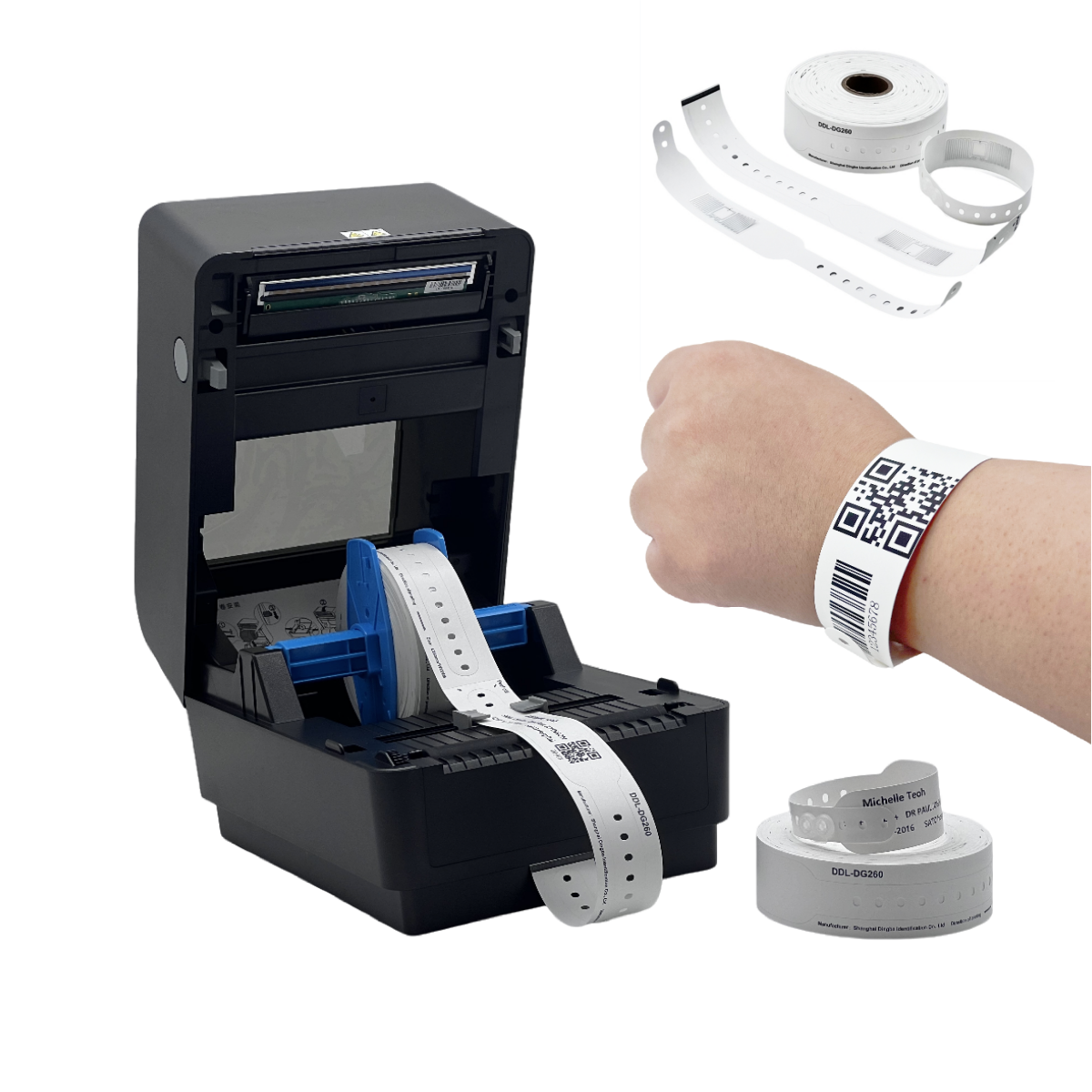
Thermal transfer wristband prints, particularly those using resin ribbon formulations on synthetic substrates, offer substantially broader chemical resistance. The bonded image resists solvents, alcohols, and cleaning agents that might degrade direct thermal prints.
This advantage is most relevant in specific clinical contexts: operating rooms where the wristband may contact surgical prep solutions, intensive care units where frequent suctioning and wound care expose the band to bodily fluids and cleaning agents, and oncology or infusion centers where the band may be exposed to cytotoxic drugs and their solvents.
For most general medical-surgical units, the difference in chemical resistance between direct thermal and thermal transfer may be clinically inconsequential. For specialized units and high-acuity patients, thermal transfer provides a margin of safety that direct thermal cannot match.
Cost Per Print: The True Economics
Direct Thermal: Lower Consumable Cost, Higher Frequency
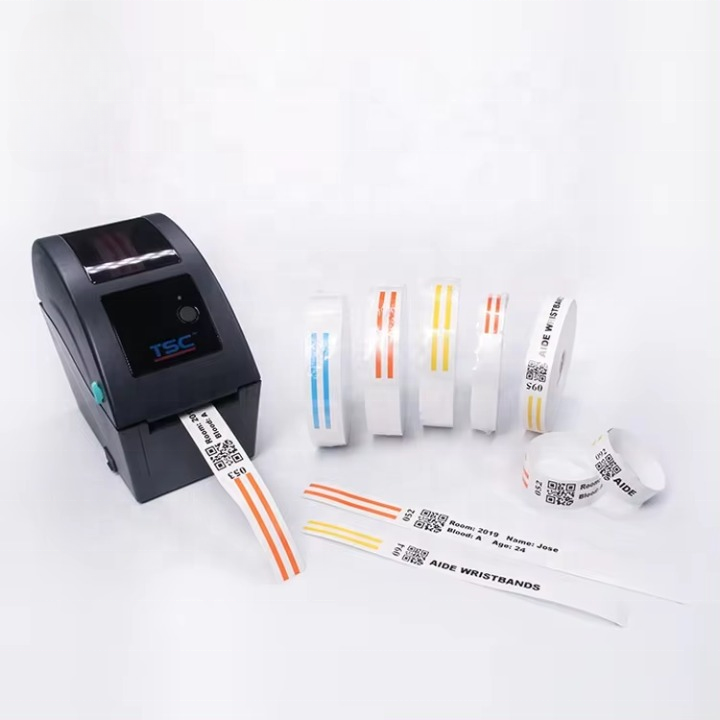
The direct thermal wristband cost structure is straightforward: the wristband itself is the only consumable. There is no ribbon to purchase, store, load, or replace. This simplicity translates directly to lower per-print cost and reduced supply chain complexity.
Current market pricing provides a useful benchmark. Direct thermal wristband rolls are commonly priced at approximately $0.07 per band in standard quantities, with volume discounts reducing this to around $0.06 per band for larger orders. These figures exclude the cost of the printer hardware and any waste from misprints or roll changes.
The absence of ribbon also simplifies operations. There is no ribbon inventory to manage, no ribbon loading errors to troubleshoot, and no ribbon disposal to address. For facilities prioritizing operational simplicity and predictable consumable costs, direct thermal is the more manageable technology.
Thermal Transfer: Higher Unit Cost, Different Value Equation
Thermal transfer wristband printing requires two consumables: the wristband material and the ribbon. This doubles the supply chain complexity and, in most cases, increases the per-print cost. Ribbon costs vary by formulation—wax ribbons are less expensive than resin, and wax-resin blends occupy the middle ground—but the ribbon line item adds meaningfully to the total cost per wristband.
However, the cost comparison requires nuance. When thermal transfer is used on synthetic substrates for extended-wear applications, the wristband itself is typically a more durable product than standard direct thermal stock. The higher unit cost reflects a different performance specification, not simply a more expensive printing process.
Additionally, the extended print head life associated with thermal transfer (ribbon acting as a protective barrier) reduces hardware maintenance and replacement costs over time. For high-volume printing operations, this hardware savings partially offsets the ribbon expense.
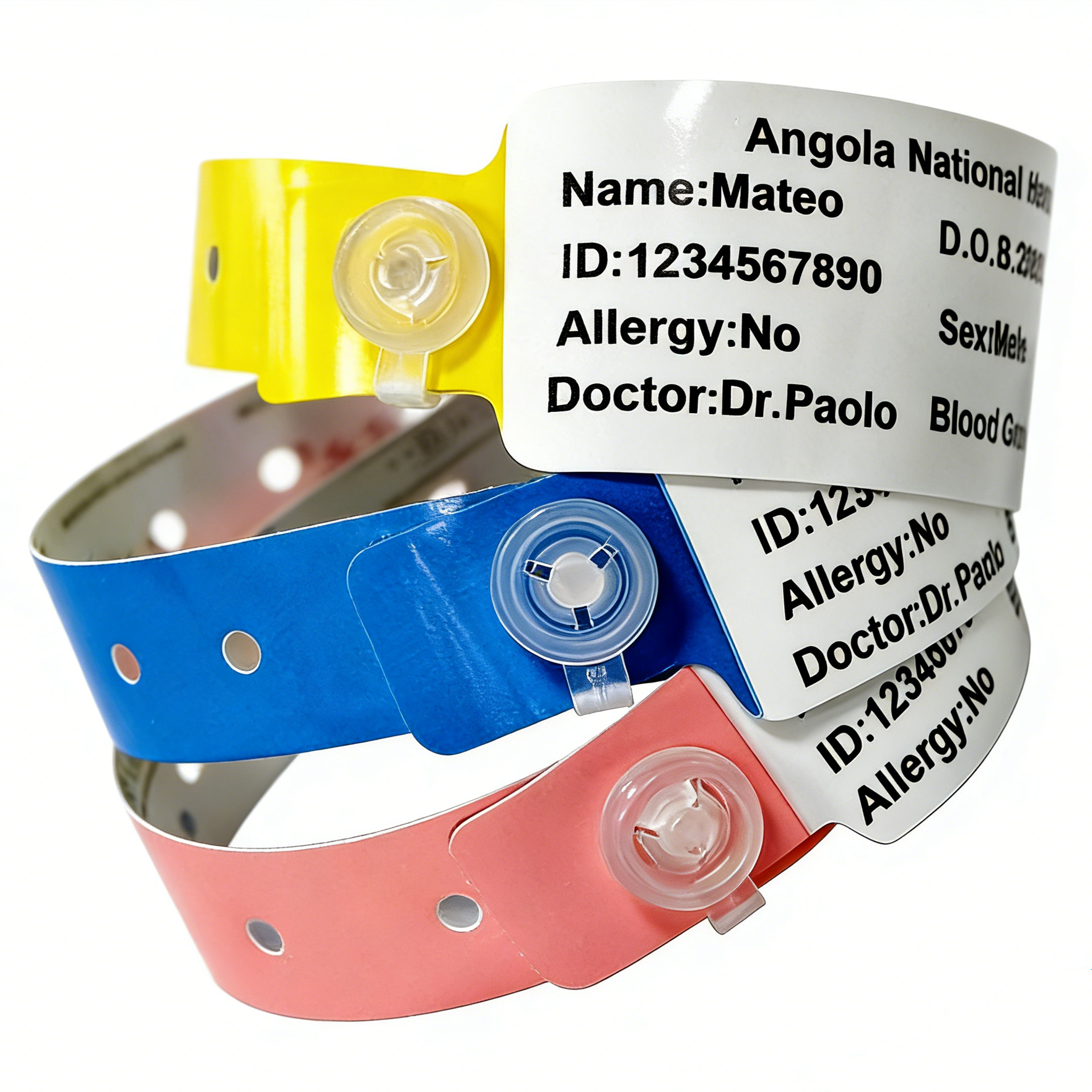
The Waste Factor: Reprints and Readability Failures
A cost consideration that rarely appears in specification sheets is the cost of reprinting. When a wristband becomes unscannable due to print degradation, a nurse must stop the current workflow, return to a printing station, regenerate the band, and reapply it to the patient. This consumes staff time, disrupts care delivery, and may introduce identification errors if the reprint process is mishandled.
Direct thermal wristbands are more susceptible to print degradation from environmental exposure, particularly in patients with extended stays or exposure to aggressive chemicals. Thermal transfer wristbands, with their bonded image, are less likely to require reprinting due to readability failure.
The true cost per successful patient identification includes not just the consumable, but the labor and safety risk associated with reprinting. For facilities with high reprint rates due to premature print failure, the thermal transfer cost premium may be justified by reduced workflow disruption.
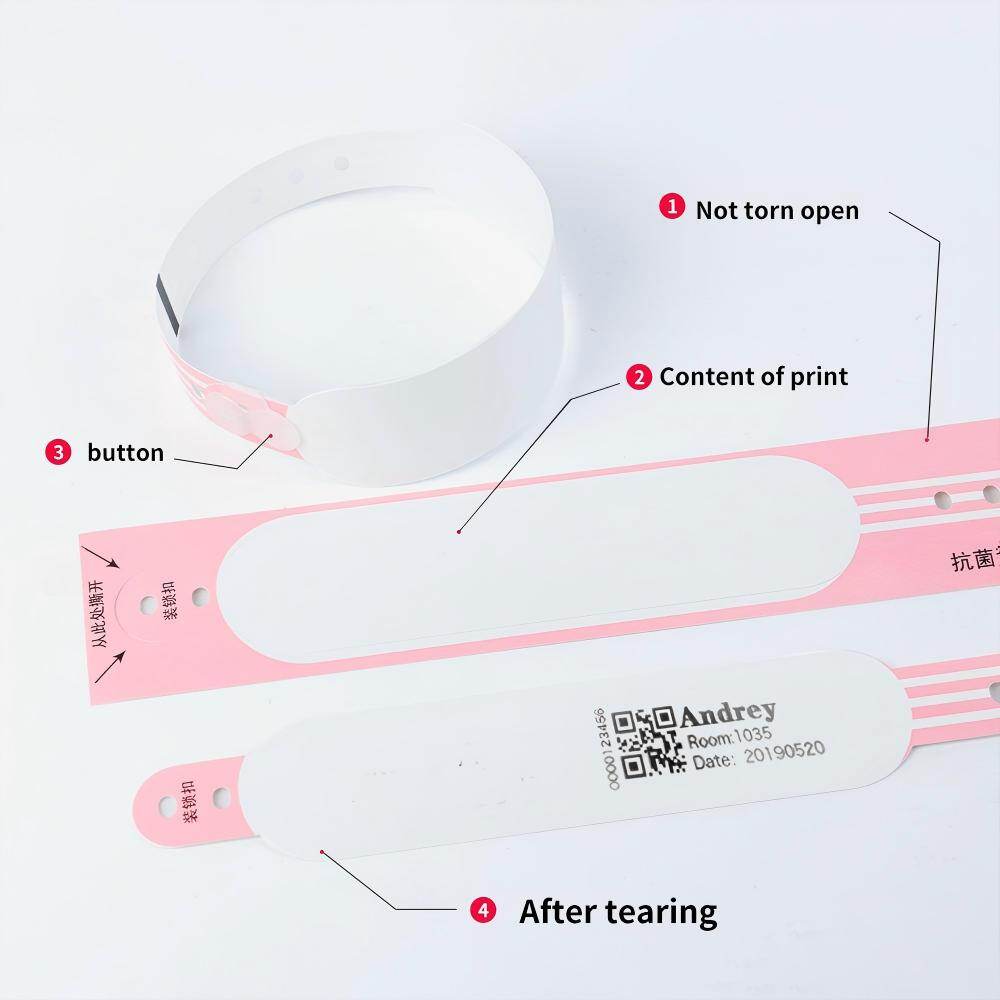
Making the Selection: A Decision Framework
When Direct Thermal Is the Right Choice
Direct thermal wristband printing is the appropriate technology for:
- Short-stay patient populations: Emergency departments, outpatient surgery centers, and observation units where average length of stay is measured in hours or a few days.
- High-volume, cost-sensitive environments: Facilities that prioritize operational simplicity and predictable per-print costs.
- Standard clinical exposure: General medical-surgical units where wristband contact with aggressive chemicals is infrequent.
- Facilities with existing direct thermal infrastructure: Organizations that have standardized on direct thermal printers for other applications and wish to minimize hardware diversity.
When Thermal Transfer Is the Right Choice
Thermal transfer wristband printing is indicated for:
- Extended-stay populations: Long-term care, rehabilitation, oncology, and other settings where wristbands may be worn for weeks.
- High-acuity or specialized units: Operating rooms, intensive care units, and areas where wristbands routinely contact aggressive chemicals, surgical prep solutions, or cytotoxic agents.
- Facilities with high reprint rates: Organizations experiencing frequent wristband replacements due to print degradation or unreadable barcodes.
- Applications requiring maximum durability: Any scenario where wristband failure would create significant patient safety or workflow risk.
The Hybrid Approach: Dual-Mode Printers
A growing number of wristband printers support both direct thermal and thermal transfer modes, allowing facilities to match the printing technology to the specific patient or unit requirements. This flexibility enables a tiered approach: direct thermal for routine short-stay admissions, thermal transfer for high-acuity or extended-stay patients.
For IT and procurement teams, dual-mode printers offer a path to standardization without sacrificing clinical appropriateness. The same hardware platform serves all patient populations, with the consumable selection (direct thermal wristband or thermal transfer wristband plus ribbon) determined by the clinical context.
Recommendations for IT and Procurement Teams
- Map your patient population. Understand the distribution of patient stays by unit and by expected duration. If the majority of wristbands are worn for fewer than seven days, direct thermal technology will meet most needs. If extended stays are common, thermal transfer warrants serious consideration.
- Evaluate chemical exposure patterns. Review the chemicals routinely contacting wristbands in your highest-acuity units. If aggressive agents are common, thermal transfer provides superior protection.
- Calculate total cost, not just consumable cost. Include printer hardware, print head replacement frequency, staff time for reprints, and supply chain management overhead. Direct thermal has lower consumable costs; thermal transfer may have lower total costs in high-reprint environments.
- Consider dual-mode flexibility. If your printer infrastructure allows, dual-mode capability provides the best of both technologies without requiring separate hardware investments.
- Validate in your environment. Specification sheets provide guidance, but clinical reality varies. Test both technologies in representative units before making a facility-wide commitment.
Conclusion
The choice between direct thermal wristband and thermal transfer wristband printing is not a question of which technology is universally superior, but which technology is appropriate for the specific clinical context. Direct thermal printing offers operational simplicity, lower consumable costs, and adequate durability for the majority of short-stay patient populations. Thermal transfer printing provides superior durability, broader chemical resistance, and extended readability for patients and environments where wristband failure carries elevated risk.
For IT and procurement professionals, the decision framework should be grounded in the facility's patient mix, clinical environment, and safety priorities. The wristband is not merely a label—it is a critical patient safety device. The printing technology that produces it deserves the same careful evaluation as any other clinical system that touches patient care.
Continue Reading
Have Questions About Wristbands?
Our team is ready to help you find the perfect wristband solution for your needs. Contact us directly on WhatsApp for quick responses.
Contact on WhatsApp