
Bariatric Patient Wristbands: Sizing, Comfort, and Identification Accuracy
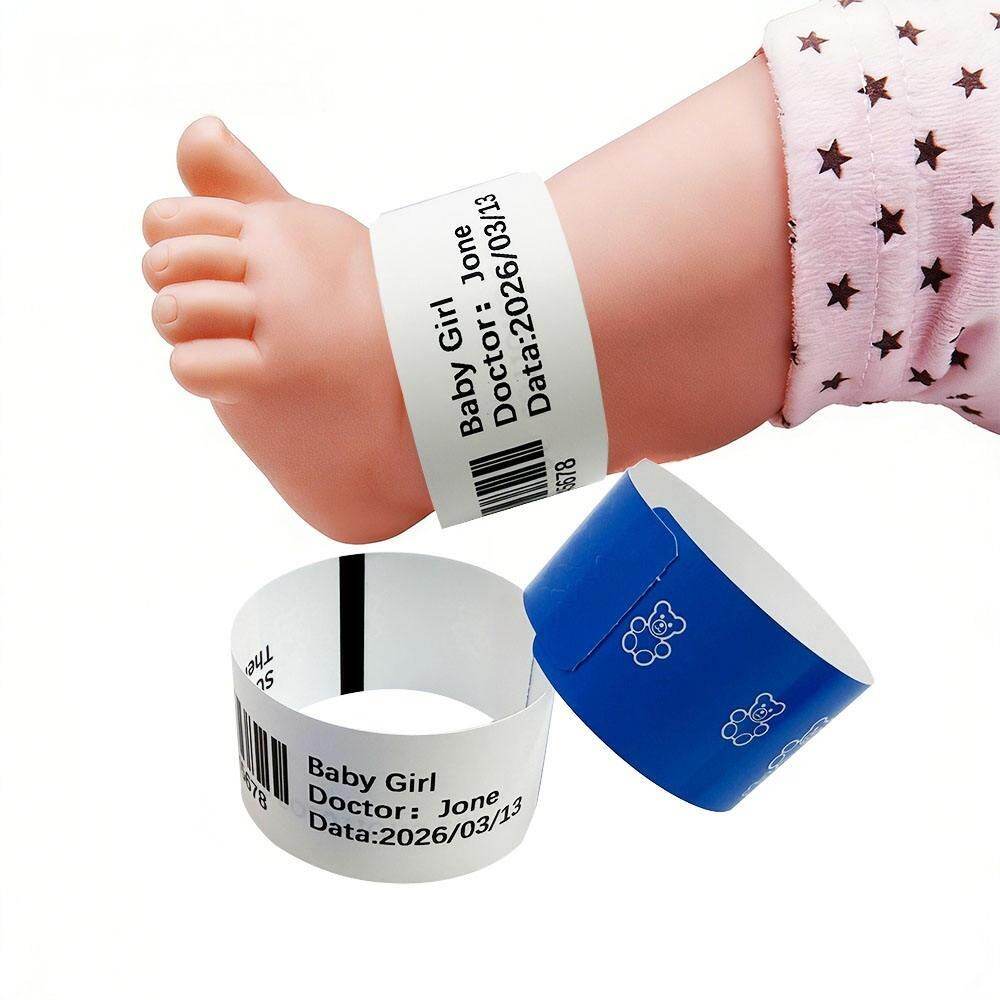
Patient identification is the cornerstone of safe healthcare delivery. Before any medication is administered, any blood sample drawn, or any procedure performed, the first question must always be: Is this the right patient? For most hospitalized individuals, the answer is verified through a simple, unremarkable tool—the patient identification wristband. Yet for bariatric patients, this basic safety mechanism frequently becomes a source of frustration, discomfort, and, most critically, identification failure.
The problem is deceptively straightforward. Standard patient wristbands are designed for the general adult population, with a typical maximum length that accommodates an average wrist circumference. Bariatric patients—those with a body mass index of 40 or higher, or 35 or higher with obesity-related comorbidities—often have wrist circumferences that exceed these standard dimensions by a significant margin. The consequences of this mismatch are not merely cosmetic. When a wristband does not fit properly, it is more likely to be removed by the patient due to discomfort, to become damaged or illegible from stretching, or to be applied in a manner that compromises both comfort and function.
The stakes of wristband failure are remarkably high. Research spanning decades consistently demonstrates that missing or incorrect wristbands are not rare occurrences. A landmark College of American Pathologists study examining over 2.4 million wristband checks across 712 hospitals found a median total error rate of 2.2%, with absence of the wristband accounting for nearly half of all errors. A subsequent multi-year monitoring study revealed that missing wristbands represented 71.6% of wristband errors. These figures represent real opportunities for wrong-patient errors—medications given to the wrong person, blood products transfused incorrectly, procedures performed on the wrong individual.
For bariatric patients, the risk of wristband absence or non-compliance is amplified by the simple physics of fit. A wristband that is too tight causes skin irritation, restricts circulation, and creates pressure points. A wristband that is too loose slides off the wrist, becomes caught on bedding or equipment, or is removed by the patient for comfort. Neither scenario supports reliable identification. The bariatric patient wristband is not merely a sizing issue; it is a patient safety issue.
The Anatomy of an Identification Failure
To understand why wristband sizing matters so profoundly for bariatric patients, it is useful to trace the specific pathways through which identification can fail. These failures rarely occur in isolation. Instead, they cascade through a series of small breakdowns, each increasing the probability of a wrong-patient event.
The Fit-Perception-Removal Cycle. When a wristband is applied to a bariatric patient using a standard adult size, the band is often stretched to its maximum capacity. This stretching produces several predictable outcomes. First, the band's printed information—patient name, medical record number, date of birth, barcode—becomes distorted as the material elongates. Characters may become compressed or unreadable. Second, the stretched material creates a constant sensation of tightness, leading patients to loosen or remove the band. Third, the band's closure mechanism, typically a single-use adhesive or snap, may fail under the tension required to keep it in place. The patient is left with an uncomfortable, illegible, or entirely absent identification band.
Multiple Wristbands and Information Conflicts. When staff recognize that a single wristband is inadequate, a common workaround is to apply a second band, creating a layered or doubled configuration. This approach introduces its own risks. Multiple wristbands with different information were identified as a significant error category in the CAP Q-Probes studies, accounting for 8.3% to 12.1% of errors depending on the hospital size examined. When a patient wears two bands, the potential exists for one band to carry outdated information—perhaps placed during a previous admission—while the other reflects current data. Clinical staff checking identification may read the wrong band, or may become confused about which band is authoritative. The very attempt to solve the sizing problem can create a new identification hazard.
Missing Wristbands and the Workaround Culture. Perhaps the most dangerous outcome of bariatric wristband failure is the normalization of missing identification. When a bariatric patient's wristband repeatedly fails to stay in place or causes sufficient discomfort that the patient removes it, staff may develop informal workarounds. They may visually recognize the patient and assume identity verification is unnecessary. They may rely on chart location or bed assignment rather than the wristband. These shortcuts violate the fundamental principle of patient identification—that verification should be based on the patient's actual identifying information, not on context or familiarity. A near-miss case documented in the Annals of Internal Medicine illustrates the danger: a patient wearing two wristbands—one correct, one belonging to another patient—nearly received a potentially fatal insulin dose based on the wrong patient's laboratory results.
Legibility Degradation. Even when a bariatric wristband remains in place, the quality of its printed information may deteriorate. Standard wristband materials are designed to withstand normal wear for a typical hospital stay. When stretched beyond design parameters, the thermal or laser printing on the band may crack, fade, or smear. Barcode scanners may fail to read the compromised code, forcing manual entry and introducing another opportunity for error. The wristband that remains physically present but becomes functionally illegible provides little safety benefit over one that is entirely absent.
The Case for Size-Inclusive Identification Solutions
The solution to bariatric wristband failure begins with acknowledging that a single-size or limited-size approach cannot serve all patients. Just as clinical equipment ranging from blood pressure cuffs to hospital gowns to operating tables has been redesigned to accommodate larger patients, patient identification tools must follow the same trajectory. The concept of the large patient wristband is not an accommodation or an afterthought—it is a necessary component of any comprehensive patient safety program.
Extended-Length Wristbands. The most direct solution is the availability of wristbands in extended lengths. These products are designed with additional material to accommodate wrist circumferences well beyond the standard range. Importantly, extended-length bands should maintain the same printing quality, scanability, and closure integrity as their standard-length counterparts. A common failure mode in improvised solutions is the use of extender tabs or connectors that create a weak point in the band, increasing the likelihood of unintended removal. Purpose-built extended wristbands eliminate this weak point.
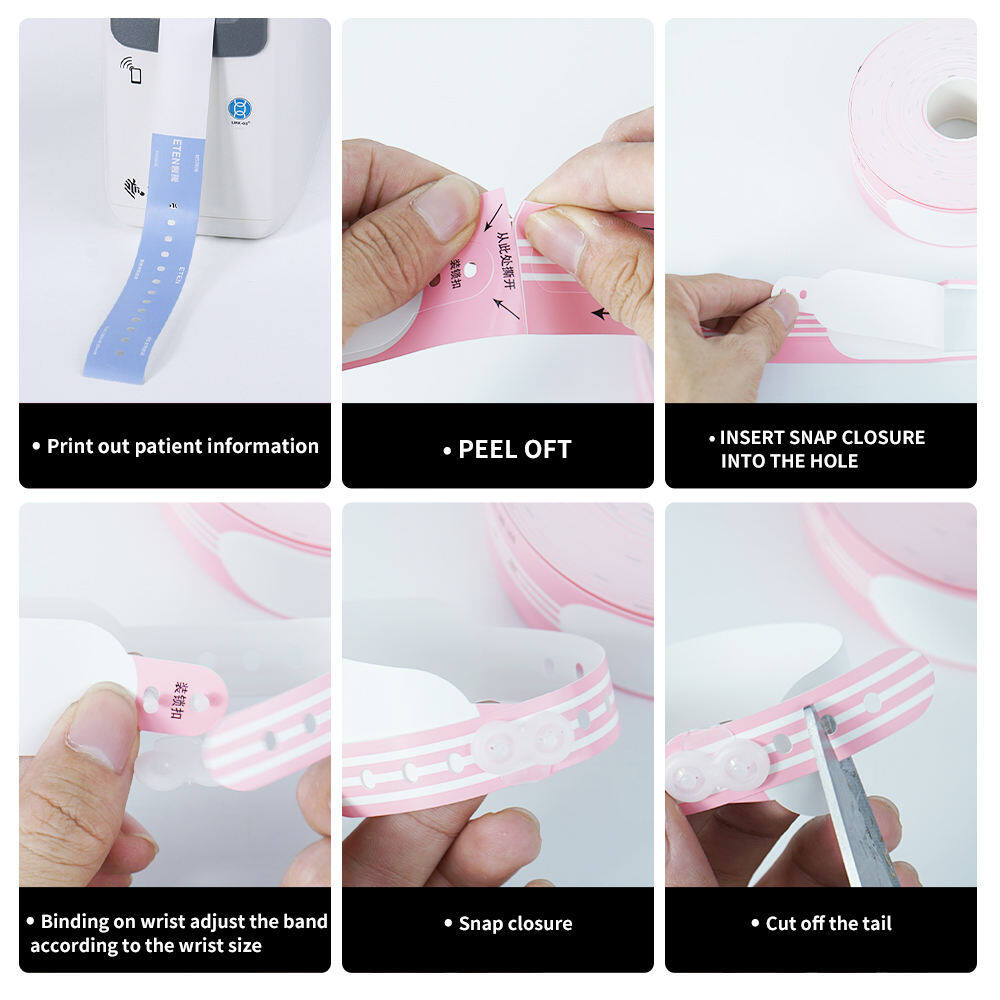
Anatomic Alternatives: Leg Bands and Ankle Bands. When wrist placement is not feasible or not preferred, alternative anatomic sites can provide reliable identification. Leg bands and ankle bands offer several advantages for bariatric patients. The ankle and lower leg may be more accessible and comfortable for band placement, particularly for patients with limited wrist mobility or those who experience wrist discomfort from medical devices, IV lines, or monitoring equipment. Ankle bands are also less likely to be caught on bed rails or removed by patients during sleep. However, ankle bands must be sized appropriately and secured to prevent slippage, and clinical staff must be trained to check these alternative sites as part of routine identification verification.
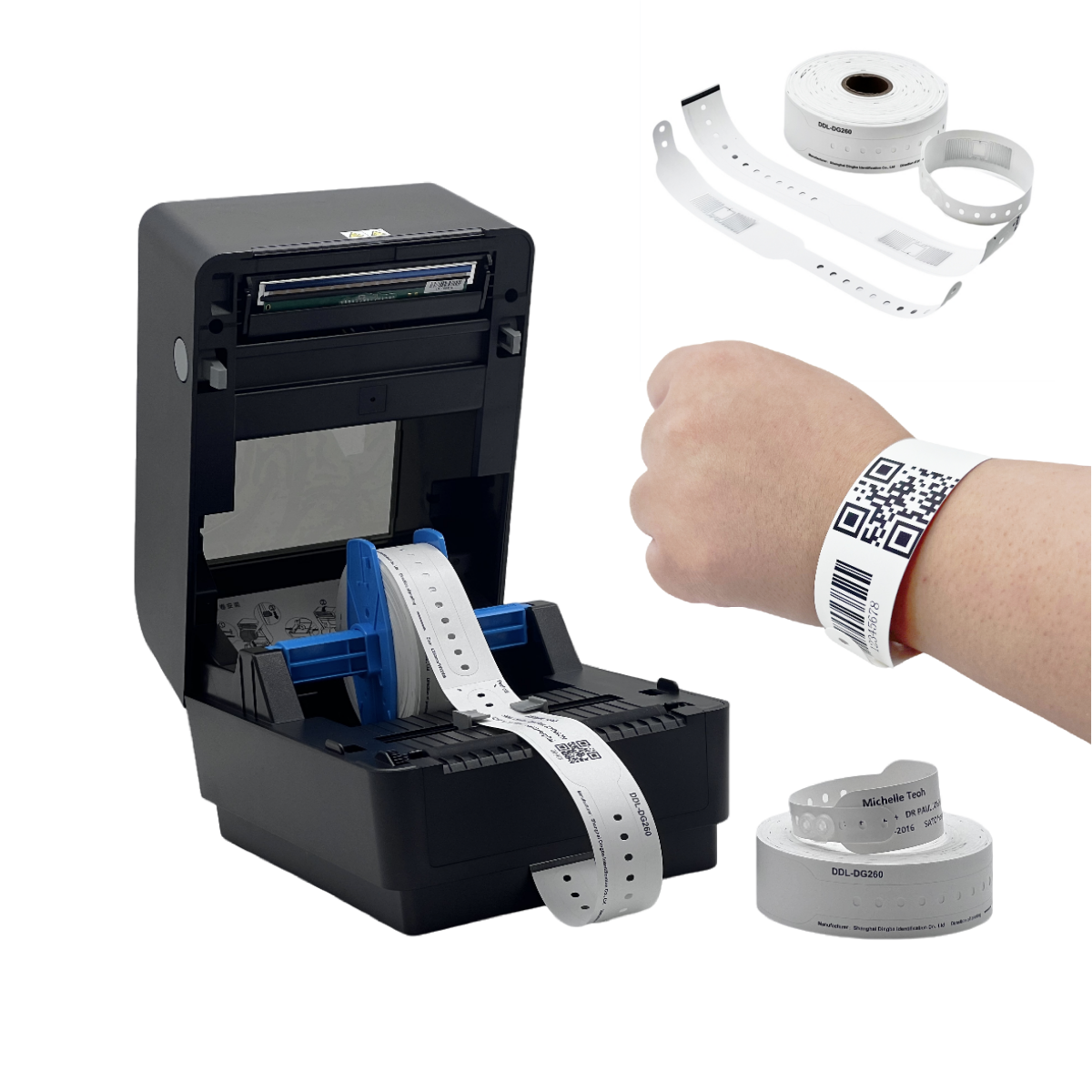
Dedicated Bariatric Wristband Products. The market has responded to the need for size-inclusive identification with dedicated bariatric wristband products. These bands are engineered specifically for larger patients, with attention to material softness and flexibility to enhance comfort, wider printing areas to accommodate barcodes and text at larger, more legible sizes, and secure closure mechanisms that do not require excessive tension. When evaluating bariatric wristbands, key criteria include the maximum circumference accommodated, the readability of printed information after application, the security of the closure, and the band's resistance to moisture, stretching, and everyday wear.
Comfort as a Clinical Consideration
The relationship between comfort and identification accuracy is often overlooked in clinical discussions of patient safety. Yet the two are inseparable. A wristband that causes discomfort will be removed, loosened, or manipulated by the patient. Each of these actions increases the likelihood of identification failure. For bariatric patients, who may already experience skin sensitivity, edema, or limited mobility, the comfort of the identification band is not a minor concern—it is a determinant of whether the band will remain in place and functional.
Material Selection. Bariatric wristbands should be constructed from soft, flexible materials that conform to the wrist without creating pressure points. Hypoallergenic materials reduce the risk of contact dermatitis, which can lead to removal. Materials that resist moisture and perspiration maintain both comfort and print integrity during extended wear.
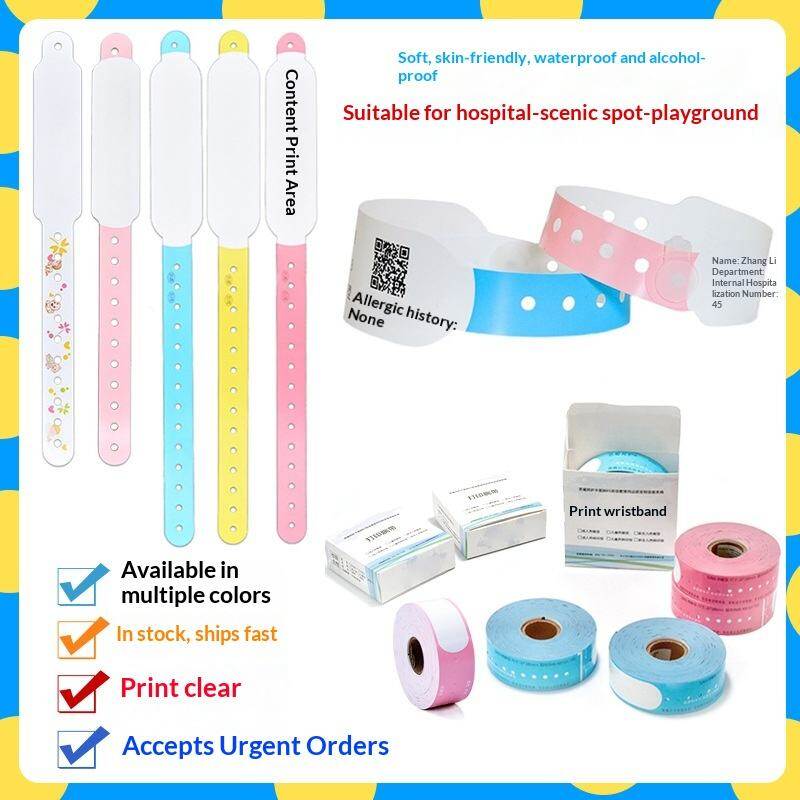
Edge Design and Fit Adjustability. Sharp edges or rigid bands can cause abrasion, particularly in patients with limited mobility or those who rest their arms against bed rails or wheelchair components. Rounded edges and flexible materials minimize this risk. Fit adjustability is equally important. A band that can be secured at the appropriate snugness—neither tight enough to restrict nor loose enough to slip—is more likely to remain in place. Some bariatric wristband designs incorporate adjustable closures that allow for a customized fit across a wide range of wrist sizes.
The Psychological Dimension of Comfort. Beyond physical comfort, the experience of wearing an identification band that fits properly and looks appropriate contributes to patient dignity and cooperation. A wristband that is obviously too small, that strains at its closure, or that requires awkward adjustments sends a message to the patient that the system was not designed with them in mind. This perception can reduce patient willingness to keep the band in place and to participate actively in their own identification verification.
Identification Accuracy in Bariatric Care: Evidence and Standards
The professional standards governing patient identification are clear and increasingly stringent. The updated Patient Identification SAFER Guide, published in 2026, strengthens recommendations for displaying patient photographs, using electronic identification including barcoding and radiofrequency identification on wristbands, and employing biometric identification at registration and point of care. These recommendations reflect a growing recognition that wristband-based identification, while foundational, is not infallible and must be supported by redundant verification processes.

For bariatric patients specifically, these standards have practical implications. First, the wristband must be present, legible, and accurate—which requires appropriate sizing and comfort. Second, barcode or RFID scanning must work reliably, which requires that the printed or encoded information remains intact and readable. Third, clinical staff must actually check the wristband before every patient interaction, a behavior that is more likely to occur when the wristband is properly placed and readily visible.
The evidence on wristband error reduction supports the effectiveness of systematic monitoring. The CAP Q-Tracks study demonstrated that continuous monitoring of wristband errors reduced error rates from 7.40% to 3.05% over two years. A Dutch surgical patient safety program achieved even more dramatic improvements, with documented wristband presence improving from 81.8% to 99.6% and full protocol compliance for identity checks improving from 9.7% to 58.7%. These results suggest that when healthcare organizations prioritize wristband accuracy as a measurable quality metric, significant improvements are achievable. Extending this same rigor to bariatric wristband sizing and comfort represents a logical next step.
International standards are moving in this direction as well. China's recently announced national standard on patient identification management, effective February 2026, emphasizes the wristband as a foundational identification tool, requires daily wristband checks for accuracy and proper wear, and mandates identity re-verification during patient transfers between departments. While this standard does not specifically address bariatric sizing, its emphasis on daily checks and proper wear creates a framework within which sizing issues become visible and actionable.
Practical Implementation for Healthcare Organizations
Effectively addressing bariatric wristband challenges requires a multi-level approach that spans procurement, clinical practice, and quality monitoring.
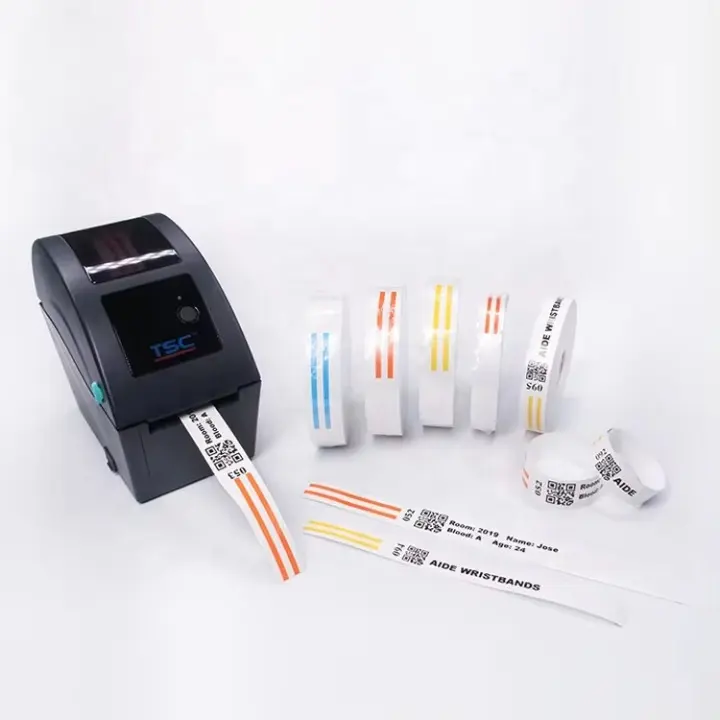
Stocking Strategy. Healthcare organizations should maintain a par level of extended-length and bariatric-specific wristbands alongside standard sizes. The cost of carrying these additional SKUs is negligible compared to the cost of a wrong-patient event. Consider stocking multiple sizes, including a "large adult" and a dedicated "bariatric" size, to accommodate the full range of patient needs.
Nursing Education and Assessment. Nurses and other clinical staff who apply wristbands should be trained to assess wrist circumference and select the appropriate band size rather than defaulting to the most readily available option. This assessment should be integrated into the admission process. Staff should also recognize the signs of an improperly fitted band—redness, indentations, patient complaints of tightness—and proactively replace the band with a more appropriate size.
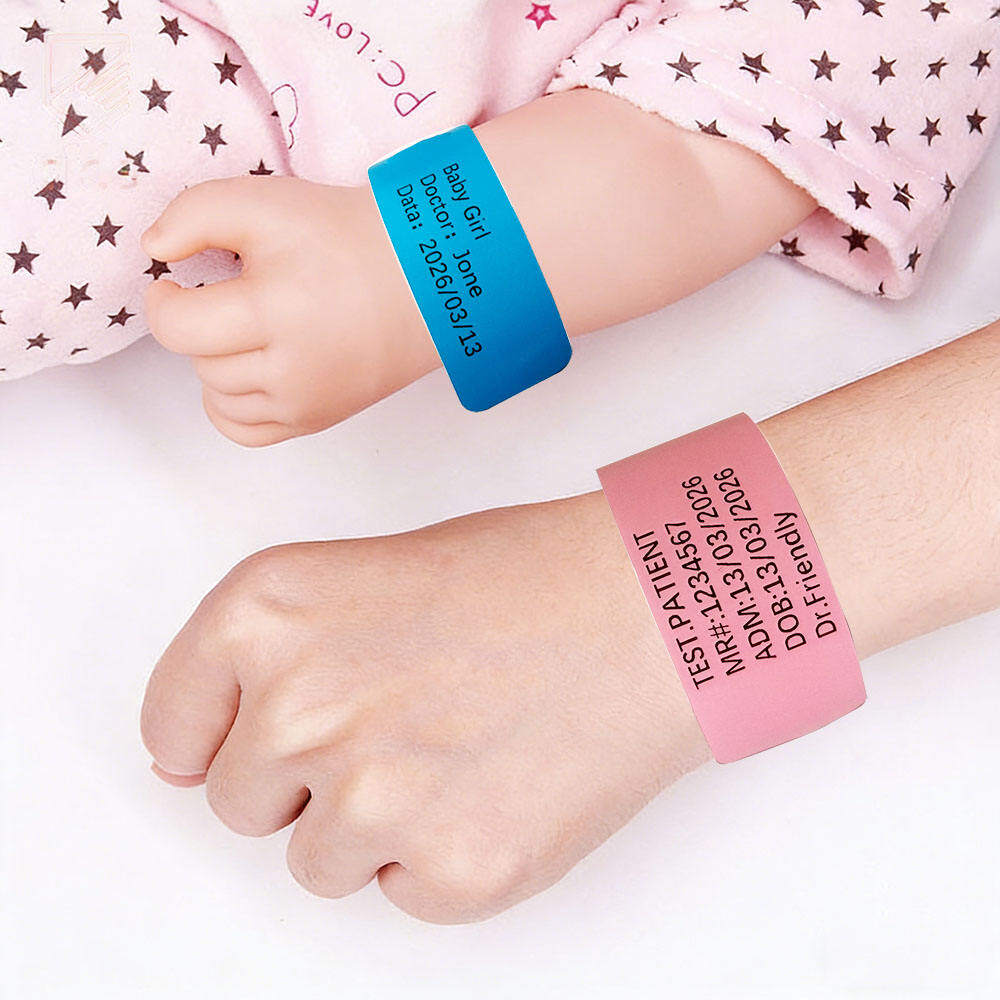
Alternative Site Protocols. For patients who cannot tolerate wrist placement or whose wrist size exceeds even extended-length bands, clear protocols should exist for alternative site placement. Leg bands and ankle bands should be stocked and staff should be trained in their proper application and verification. The identification site should be documented in the patient record to ensure all care team members know where to check.
Quality Monitoring. Wristband accuracy should be monitored as a key performance indicator, with data disaggregated to identify whether bariatric patients experience higher error rates. If disparities are identified, targeted interventions can be implemented. Direct observation audits, in which staff check wristband presence and accuracy during routine care activities, provide a practical method for ongoing monitoring.
Patient Education. Bariatric patients should be educated about the importance of their identification wristband and encouraged to report any discomfort or sizing issues to their care team. Framing the wristband as a safety tool that requires their cooperation—rather than a bureaucratic requirement—can improve compliance and reduce removal.
Looking Forward: Technology and the Bariatric Patient
Emerging identification technologies offer long-term promise for addressing some of the limitations of physical wristbands. Radiofrequency identification (RFID) wristbands enable contactless scanning, reducing the need for staff to physically manipulate the band and potentially improving compliance. Biometric identification methods, including ECG-based and fingerprint-based approaches, could eventually eliminate the need for a physical band altogether. However, each of these technologies has its own limitations. Fingerprint recognition, for example, is not universally feasible due to conditions such as adermatoglyphia, chronic hand eczema, and other dermatological conditions that affect ridge patterns. Biometric approaches also raise significant privacy considerations.
For the foreseeable future, the physical wristband will remain the primary vehicle for patient identification in most healthcare settings. The goal, therefore, is not to replace the wristband but to ensure that it works for every patient. For bariatric patients, this means access to bands that fit, materials that comfort, and information that remains legible and scannable throughout the hospital stay.
The bariatric patient wristband is more than a piece of material. It is the physical manifestation of the healthcare system's commitment to treating every patient with the same standard of safety and dignity. When a wristband fails to fit, that commitment is visibly compromised. When a wristband is uncomfortable or illegible, the safety system it represents is weakened. The solutions—extended sizes, alternative sites, dedicated bariatric products, and thoughtful clinical practice—are available. The task is to ensure they are used.
Continue Reading
Have Questions About Wristbands?
Our team is ready to help you find the perfect wristband solution for your needs. Contact us directly on WhatsApp for quick responses.
Contact on WhatsApp