
Wristbands for Patients with Dementia: Design Considerations for Wandering Prevention
Understanding the Challenge: Wandering in Cognitive Impairment
Wandering is one of the most concerning behaviors associated with dementia and other forms of cognitive impairment. It affects a significant proportion of individuals living with Alzheimer's disease and related dementias, and it carries substantial risks: exposure to traffic, hypothermia, dehydration, falls, and the psychological trauma of becoming lost and disoriented. For caregivers—both professional and familial—the constant vigilance required to prevent wandering is exhausting, and no amount of supervision can guarantee that a moment of distraction will not coincide with a patient's decision to leave a safe environment.
The response to this challenge has produced a range of technological and procedural solutions. Among the most widely adopted is the dementia wristband: a wearable device that can serve multiple functions, from simple visual identification to sophisticated real-time location tracking. The wandering patient wristband occupies a unique position in care practice because it operates at the intersection of safety, dignity, and personal autonomy. It is simultaneously a protective tool and a potential instrument of surveillance. How it is designed, how it is implemented, and how its ethical boundaries are negotiated determine whether it enhances care or undermines it.
This article examines the design considerations that shape effective dementia wristbands, with particular attention to three core functions: wandering prevention, patient identification, and emergency contact information delivery. It also addresses the ethical and privacy questions that arise when wearable technology is used with a population whose ability to consent is often compromised. The goal is to provide healthcare professionals, care home administrators, and family caregivers with a practical framework for selecting and deploying wristband solutions that serve patients well.
The Spectrum of Wristband Technologies
Dementia wristbands are not a single product category. They span a wide technological spectrum, from passive visual identifiers to active electronic tracking systems. Understanding this spectrum is essential to matching the right solution to the right patient and care environment.
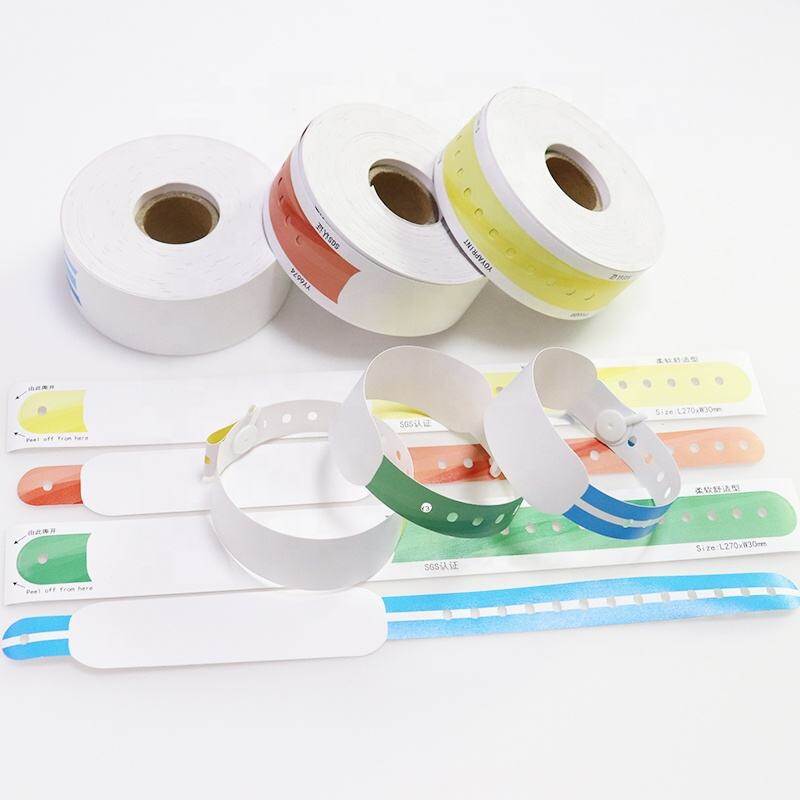
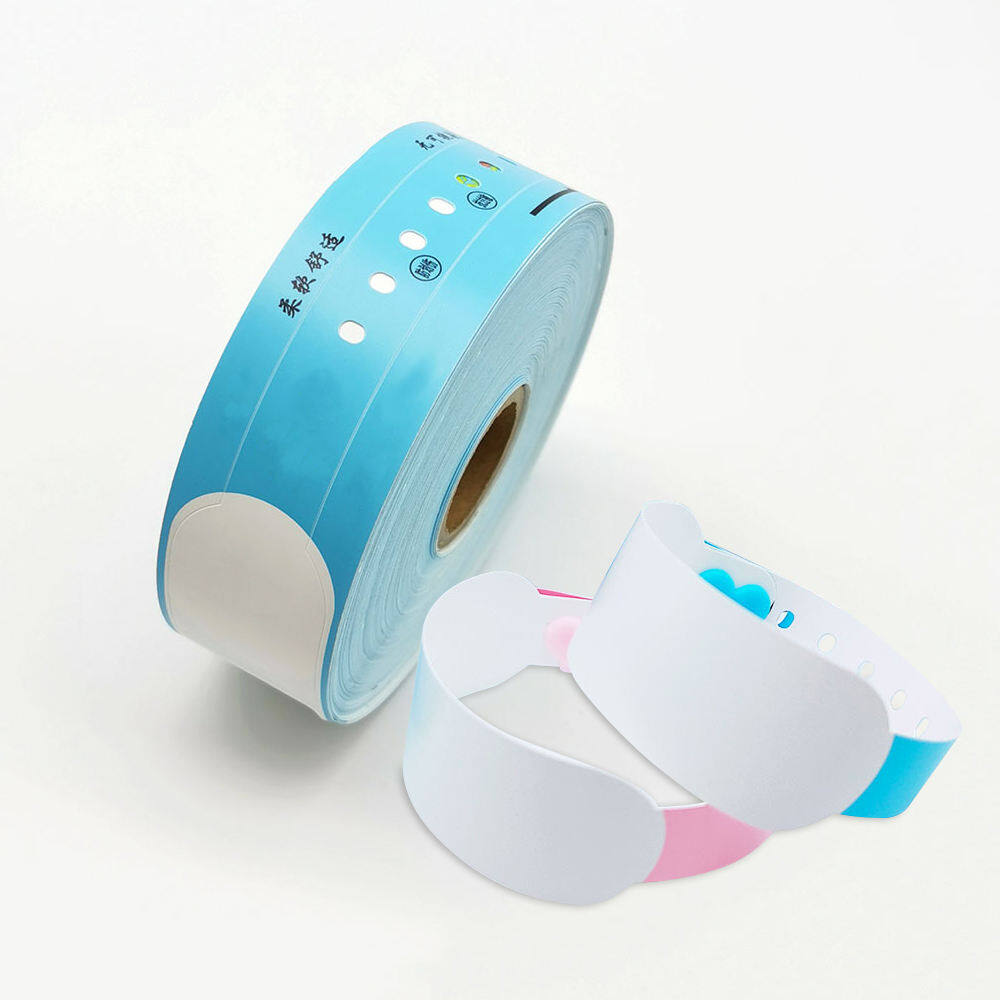
Passive visual identifiers. At the simplest end are color-coded or printed wristbands that carry no electronic components. These bands serve purely as visual flags: a blue band, for example, might signal to staff that a patient has dementia and may require additional support or supervision. Such bands do not prevent wandering directly, but they facilitate early recognition of a patient's needs and enable staff to intervene appropriately. Their advantages are simplicity, low cost, and zero privacy implications beyond the visible disclosure of a diagnosis. Their limitation is that they provide no location information and no ability to alert anyone if the wearer leaves a safe area.
NFC-enabled identification wristbands. A middle-ground option uses Near Field Communication (NFC) technology embedded in the wristband. These bands contain a passive chip that stores emergency contact information and, in some implementations, medical details. When a first responder, a member of the public, or a care worker scans the band with an NFC-enabled smartphone, the stored information appears on the phone screen. The Cambridgeshire Dementia Safeguarding Scheme exemplifies this model: it issues wristbands that allow anyone who finds a lost individual to access next-of-kin contact details by tapping their phone against the band. Crucially, these bands do not continuously transmit location data, do not require batteries, and do not track movement. They activate only when deliberately scanned, which makes them a privacy-preserving option for community-dwelling individuals at risk of becoming lost.
Active RFID and real-time location systems. At the most technologically sophisticated end are active RFID tags and Real-Time Location System (RTLS) bracelets. These devices use radio frequency communication to enable continuous or near-continuous monitoring of a wearer's location within a facility. The WanderGuard BLUE Tag, for example, signals a controller when it approaches a monitored exit, triggering an alarm and potentially locking the door. The Elpas High-Risk Security Bracelet combines active RFID with tamper detection and real-time positioning, allowing care staff to track location and movements throughout a facility. The XTAG Patient Tag operates on a dedicated UHF network, creating smart safety boundaries around wards and exits, with tamper-evident bands that trigger alerts if cut or removed.
Each of these technology tiers serves different needs and raises different design considerations. The remainder of this article examines the key dimensions along which these solutions must be evaluated.
Design Consideration One: Wandering Prevention Efficacy
The most fundamental question for any wandering patient wristband is whether it actually prevents wandering. The evidence base is mixed, and the answer depends heavily on the technology type and the care environment.
Facility-based RTLS: strong theoretical case, uneven evidence. RTLS systems are designed to detect when a tagged individual approaches a monitored exit, allowing staff to intervene before the person leaves the facility. The logic is compelling: a bracelet that triggers an alert at the doorway gives staff the opportunity to redirect the patient, potentially preventing an elopement. In practice, however, the effectiveness of these systems depends on factors that are not always present: adequate staffing to respond to alerts in a timely manner, appropriate configuration of alert thresholds to avoid alarm fatigue, and integration with door hardware that can physically delay exit if necessary.
Research on RTLS in long-term care settings has found that while these systems are promoted as improving safety, their real-world benefits are less clear. Staff in one study reported that it was often simpler to locate residents in person than to monitor the RTLS dashboard continuously, and that they lacked the time and resources to respond to alerts in real time. This finding suggests that RTLS wandering prevention is not a substitute for adequate staffing and attentive care; it is a supplement that works only when the human response system is already in place.
Community-based NFC: reunion rather than prevention. For individuals living in their own homes or in assisted living settings without perimeter security, the wandering risk is different. There is no monitored exit to secure, and the person may leave the home without anyone noticing. In this context, the wristband's role shifts from prevention to reunion: it enables a lost individual to be identified and returned to safety quickly. The NFC wristband model, combined with the Herbert Protocol (a UK initiative that encourages families to compile key information about a person with dementia for police use in search operations), provides a practical layered approach. The wristband serves as the immediate identification tool; the Herbert Protocol provides the background information that guides a search if the person goes missing.
The limits of any wristband. It is important to be candid about what wristbands cannot do. A wristband cannot prevent a determined individual from leaving if they are not intercepted. It cannot function if the wearer removes it. It cannot replace the vigilance of caregivers or the safety features of the built environment. The most effective wandering prevention strategies combine multiple layers: wristband technology, door alarms and secured exits in facilities, GPS or community alert systems for individuals at higher risk, and, most importantly, care practices that address the underlying reasons for wandering—boredom, anxiety, restlessness, or the need for purposeful activity.
Design Consideration Two: Identification and Emergency Contact Information
Beyond preventing wandering, dementia wristbands serve a critical identification function. When an individual with cognitive impairment becomes lost or is found in a confused state, the wristband may be the only reliable source of information about who they are and whom to contact.
The problem of the unidentified patient. In emergency medicine, unidentified patients present significant challenges. Without a name, medical record number, or contact information, clinicians cannot access medical history, cannot verify allergies or medications, and cannot notify family. For patients with dementia, the problem is compounded because they may be unable to communicate their own identity. A wristband that carries this information transforms an unidentified patient into an identifiable one, enabling appropriate care and facilitating reunion with caregivers.
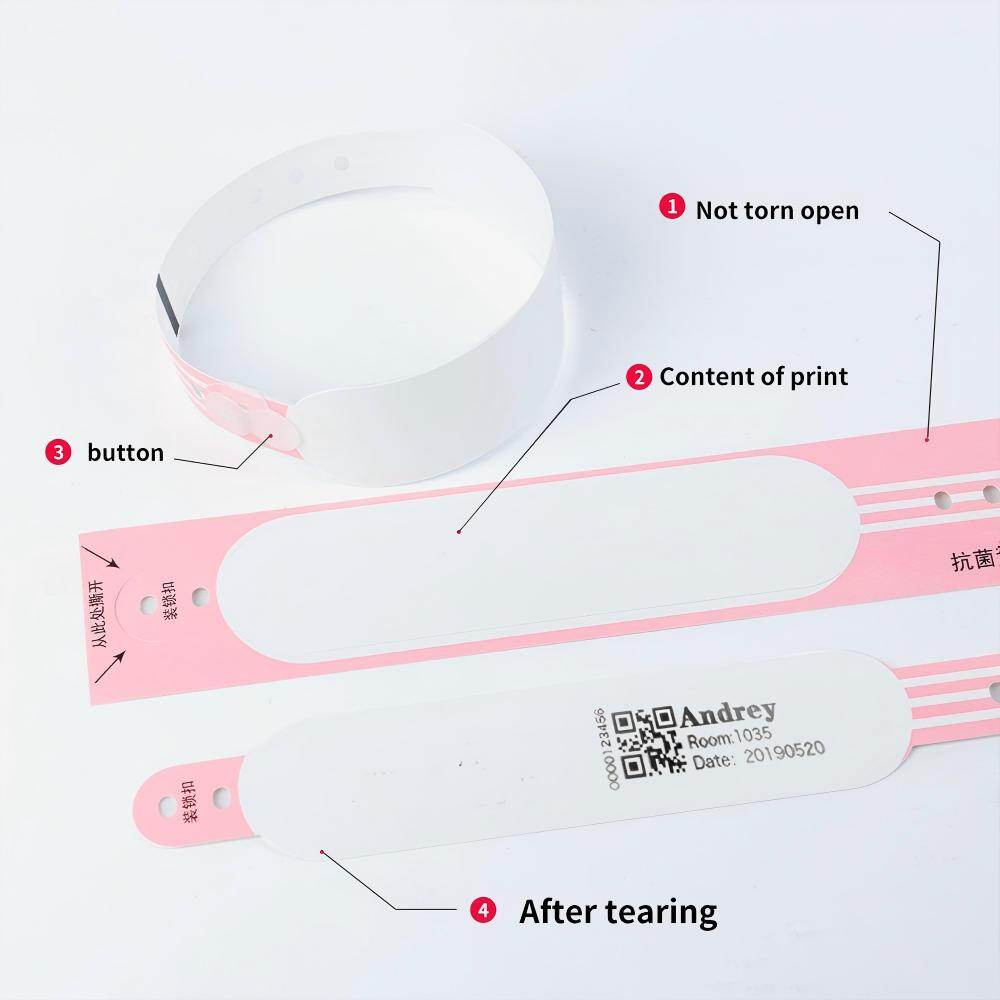
What information should be carried. The information load of a dementia wristband should be calibrated to the wristband's technology and the context in which it will be used. For NFC-enabled community wristbands, the essential information includes: the wearer's first name, a nominated emergency contact's name and phone number, and possibly a brief note indicating that the wearer has dementia and may be disoriented. For facility-based wristbands, the information may include the resident's full name, unit and room number, and care directives relevant to wandering risk. For medical ID bracelets that incorporate QR codes or NFC, additional medical information—diagnoses, medications, allergies, physician contact—can be stored and accessed in an emergency.
The key design principle is precision over volume. Information that is difficult to read, requires a special app, or contains too much detail may slow down a first responder rather than help them. The most effective wristbands present a small set of clearly prioritized information in a format that is immediately accessible.
Legibility and durability. Whether the information is printed directly on the band or stored electronically, it must survive the conditions of daily wear. Printed text must remain legible after exposure to moisture, friction, and cleaning agents. Electronic components must be sealed against water and dust. The WanderGuard BLUE Tag carries an IP67 rating, meaning it is waterproof and dust-tight. NFC chips are typically embedded in waterproof materials that can be worn during bathing and other daily activities. Durability is not a minor consideration: a wristband that fails after a few weeks is worse than no wristband at all, because it creates a false sense of security.
Design Consideration Three: Comfort, Wearability, and Dignity
For any wristband to serve its purpose, the wearer must actually wear it. This seems obvious, but it is a design challenge that many products fail. People with dementia may remove items that are uncomfortable, unfamiliar, or stigmatizing. A wristband that is heavy, irritating, or aesthetically intrusive is likely to be discarded, rendering its safety functions moot.
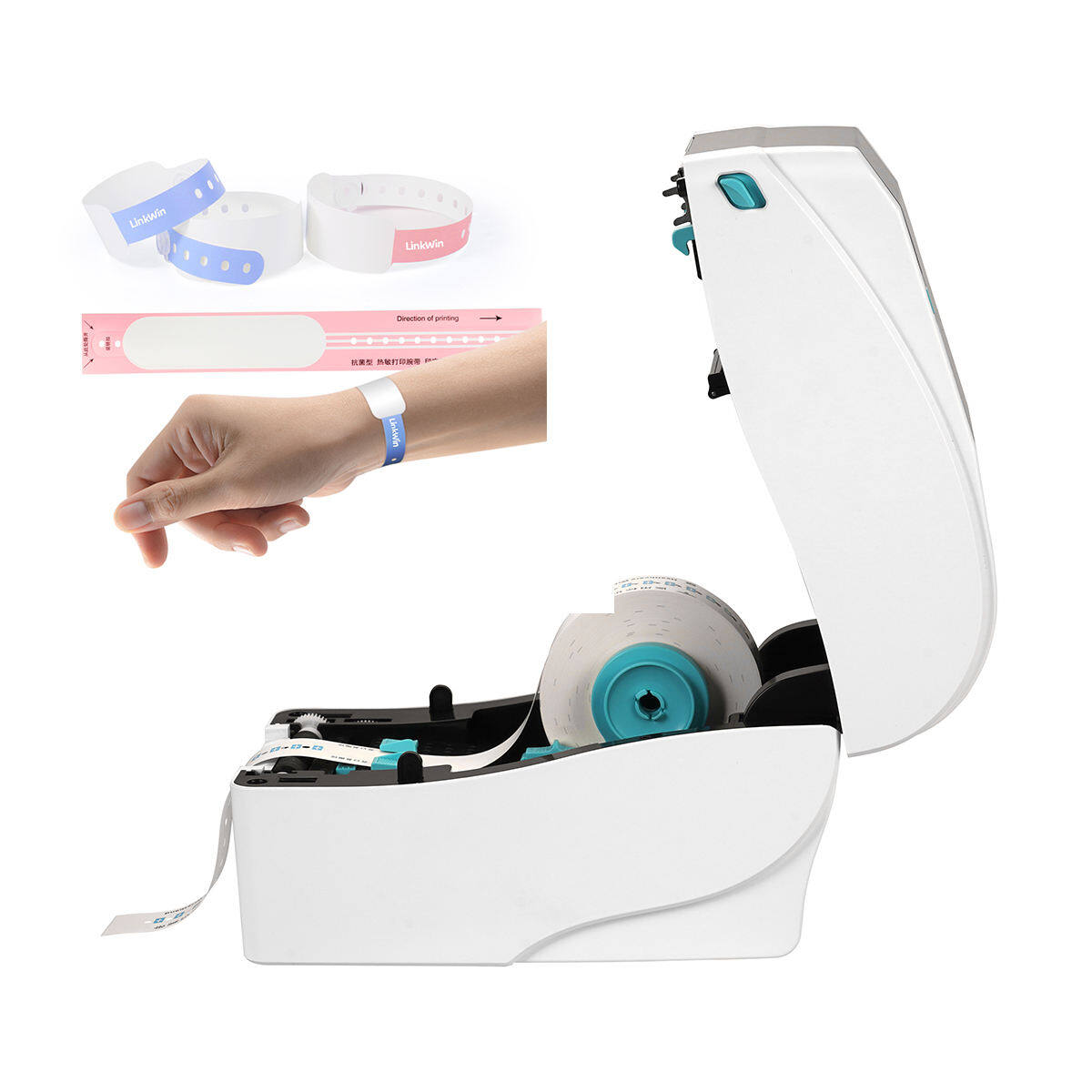
Weight and form factor. The most effective dementia wristbands are lightweight and unobtrusive. The XTAG Patient Tag, for example, is designed as a low-profile form that is non-stigmatizing and blends into daily life. The WanderGuard BLUE Tag is explicitly described as looking like a modern smartwatch, a form factor that carries no stigma and may even be perceived as familiar. In contrast, bulky devices that resemble prison ankle monitors or medical restraints are more likely to be resisted and removed.
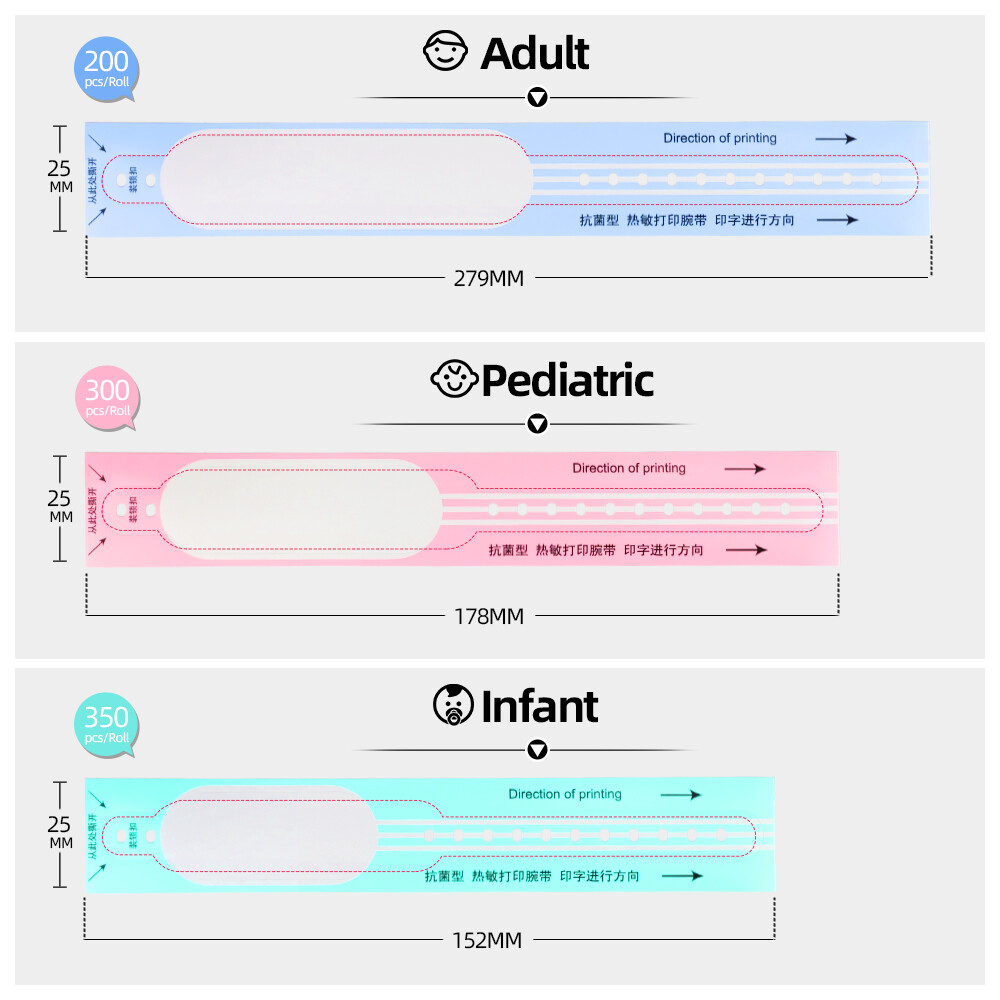
Comfort for long-term wear. Because dementia wristbands are typically worn continuously—24 hours a day, seven days a week—comfort is paramount. Materials should be hypoallergenic, breathable, and smooth-edged to prevent skin irritation. The band should be adjustable to fit a range of wrist sizes without being either too tight (causing pressure marks and restricting circulation) or too loose (allowing the band to slide off or become caught on objects). For individuals with skin sensitivity or edema, material selection and fit adjustment become even more critical.
Tamper resistance vs. wearer control. There is an inherent tension between tamper resistance and wearer autonomy. A tamper-evident band that triggers an alert when cut or removed can prevent a confused individual from discarding their identification, but it also removes their ability to remove a device they find uncomfortable or distressing. The Elpas bracelet includes tamper and removal detection as a feature, and the XTAG tag triggers an instant alert if the band is tampered with. These features are appropriate for high-risk individuals in secured facilities, but they raise ethical questions when applied to individuals in community settings who have the legal capacity to make decisions about their own care. Designers and care providers must consider whether the safety benefit of tamper resistance justifies the restriction on personal autonomy, and this consideration should be documented and revisited over time.
The Ethical and Privacy Landscape
No discussion of dementia wristbands is complete without addressing the ethical questions they raise. These questions are not abstract; they have direct implications for how wristbands are designed, implemented, and evaluated.
Consent and assent. Many individuals with dementia lack the legal capacity to provide informed consent for the use of tracking technology. In these cases, consent is typically provided by a substitute decision-maker—a family member, a legal guardian, or a designated healthcare proxy. However, ethical practice requires more than a signature on a consent form. It requires ongoing attention to the wearer's preferences and responses. If a resident shows signs of distress, repeatedly attempts to remove the wristband, or verbally objects to wearing it, these signals should be treated as meaningful communication about their wishes, not as compliance challenges to be overcome. Best practice involves continuous consent processes: periodic conversations with the resident (to the extent they can participate) and their decision-maker, with the option to revise or revoke the decision as the person's preferences evolve.
The expansion of surveillance. RTLS and other continuous tracking technologies represent a qualitatively different form of monitoring than cameras in public areas or door alarms. They extend surveillance into private spaces—bedrooms, bathrooms—and collect data about an individual's movements throughout the day and night. This data may have no direct clinical relevance, yet it captures intimate details of a person's daily life. Care organizations have an obligation to be transparent about what data is collected, how it is stored, who has access to it, and how it will be used. The principle of data minimization—collecting only what is necessary for the stated purpose—should guide system configuration.
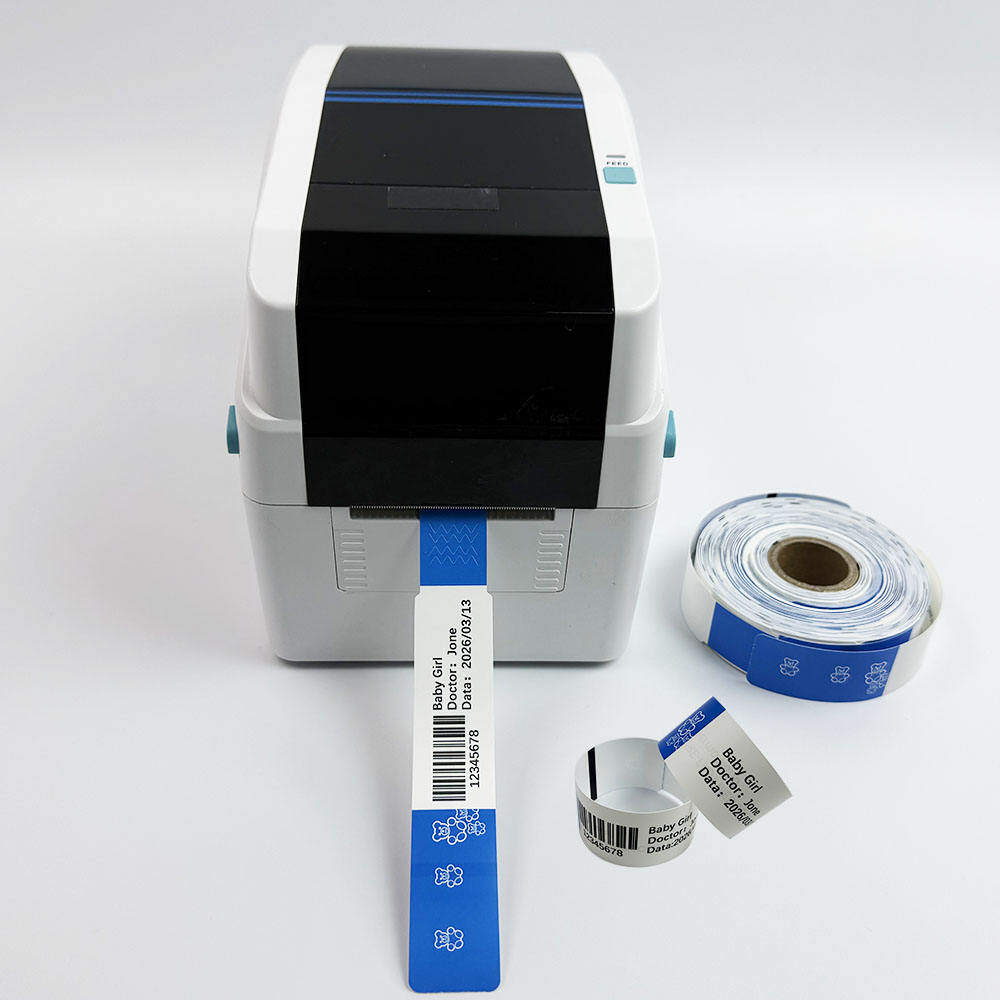
Dignity and stigma. Some family members and care professionals have expressed concerns that visible identification—whether a wristband or a bedside sign—may expose a person to stigma or discrimination. These concerns are not unfounded. Dementia carries significant social stigma, and a visible marker of diagnosis can shape how others perceive and treat the wearer. Design choices can mitigate this risk: a wristband that looks like a watch, a medical ID bracelet, or a piece of jewelry is less stigmatizing than one that resembles a hospital identification band or a tracking device. Care providers should also consider whether the wristband's benefits—rapid identification in an emergency, contact information for reunification—outweigh the potential social costs.
Balancing beneficence and autonomy. The ethical framework that should guide dementia wristband implementation is one of relational ethics: recognizing that decisions about tracking technology affect not only the individual wearer but also their family, caregivers, and the broader care community. Safety is a legitimate goal, but it should not be pursued at the expense of all other values. The question is not can we track this person but should we track this person, and if so, under what conditions and with what safeguards. This question deserves explicit, documented consideration, not a default assumption that safety always wins.
Practical Recommendations for Care Providers
Drawing on the design considerations and ethical analysis above, the following recommendations can guide care organizations and families in selecting and implementing dementia wristbands.
Match the technology to the risk profile and setting. An individual living independently in the community with mild cognitive impairment may benefit most from a simple NFC identification bracelet combined with the Herbert Protocol. A resident of a secure memory care unit with a history of elopement attempts may require an RTLS system with door integration and tamper detection. There is no one-size-fits-all solution; the choice should be informed by an individualized risk assessment.
Prioritize comfort and non-stigmatizing design. The best wristband is the one the wearer will actually wear. Choose lightweight, comfortable materials. Opt for designs that look like familiar objects (watches, medical ID bracelets) rather than institutional devices. Test the fit and comfort with the wearer before committing to a long-term solution.
Be transparent about capabilities and limitations. Before implementing a tracking system, ensure that residents (to the extent possible), families, and staff understand what the technology can and cannot do. NFC wristbands, for example, do not track location and provide no wandering prevention; they only enable identification after the person has been found. RTLS systems can alert staff to exit attempts, but they depend on staff availability to respond. Misunderstandings about capabilities can lead to unrealistic expectations and inadequate safety planning.
Establish continuous consent processes. For individuals who cannot provide informed consent, involve substitute decision-makers, but do not treat their consent as a one-time event. Revisit the decision periodically. Attend to the wearer's behavioral cues—resistance, distress, removal attempts—as meaningful data about their preferences.
Develop clear policies on data governance. Specify what data is collected, where it is stored, who can access it, and how long it is retained. Use role-based access controls and audit trails to prevent unauthorized use. Be transparent with residents and families about these policies.
Evaluate outcomes, not just implementation. The ultimate measure of a wristband program is not whether residents are wearing bands, but whether the program reduces wandering incidents, improves response times when wandering occurs, and enhances—or at minimum does not diminish—quality of life. Collect data on these outcomes and use it to refine the program.
Conclusion
The dementia wristband is a deceptively simple object. A band of material worn on the wrist, carrying a name or a chip or a transmitter—it seems to offer a straightforward solution to a complex problem. But as this article has shown, the design and implementation of effective wristbands for wandering prevention require careful navigation of technical, clinical, and ethical considerations.
The most successful approaches will be those that treat the wristband not as a standalone intervention but as one component of a comprehensive care strategy. They will prioritize the comfort and dignity of the wearer, recognizing that a wristband that is removed and discarded protects no one. They will be transparent about capabilities and limitations, avoiding the trap of technological solutionism. And they will remain attentive to the ethical questions that arise when safety and autonomy, protection and privacy, come into tension.
For people living with dementia and those who care for them, the wandering wristband can be a valuable tool. But it is a tool that must be wielded thoughtfully—with humility about what technology can achieve, and with unwavering respect for the person who wears it.
Continue Reading
Have Questions About Wristbands?
Our team is ready to help you find the perfect wristband solution for your needs. Contact us directly on WhatsApp for quick responses.
Contact on WhatsApp