
Wristbands in the NICU: Tiny Wrists, Big Safety Challenges
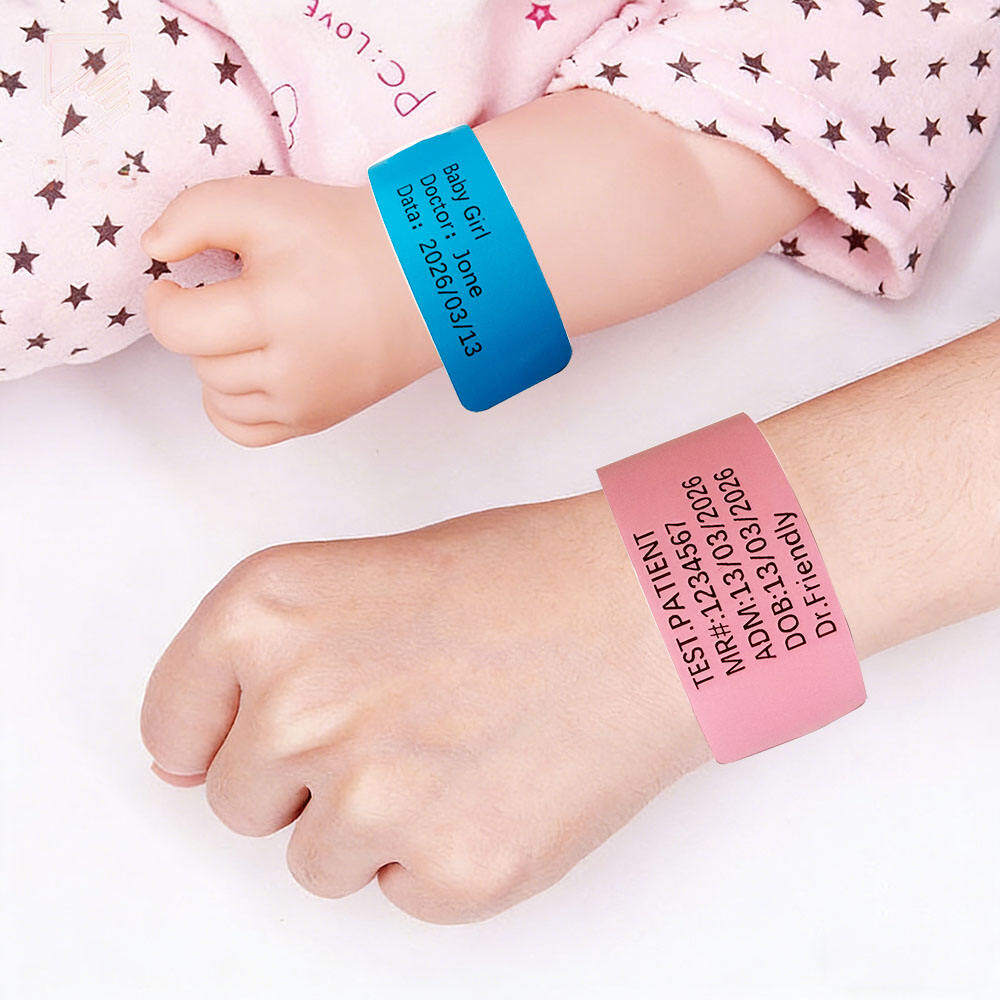
Neonatal patient identification presents challenges that adult wristband systems are simply not designed to solve. The combination of extremely small limb circumference, fragile skin, rapid physical growth, and the absence of verbal communication creates a safety environment where wristband failure is not a minor inconvenience—it is a direct threat to patient safety. The evidence shows that standard wristband designs are associated with high rates of slippage and skin irritation in neonates, and that even when bands are present, staff adherence to checking them is inconsistent. This article examines the specific requirements for NICU wristbands in terms of size, material, fastening, and skin safety, and explores practical strategies for preventing detachment and misidentification.
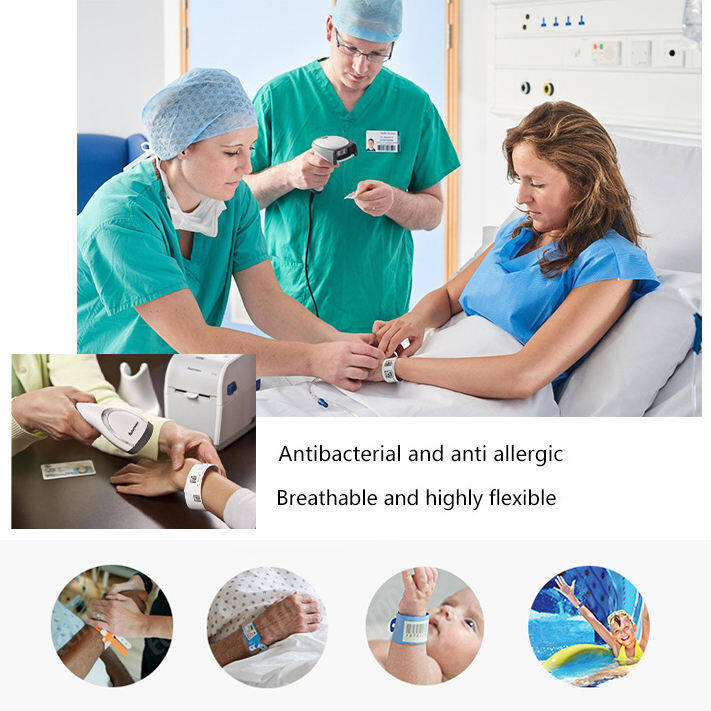
The Unique Identification Problem in the NICU
Neonates cannot state their names. They cannot verify their dates of birth. They cannot correct a nurse who calls them by the wrong name. The primary safeguard against misidentification—the patient's own voice—is unavailable. This fundamental limitation places extraordinary weight on the identification wristband as the physical anchor of patient identity in the neonatal intensive care unit.
The problem is compounded by the visual similarity of newborns. A 2022 study published in the International Journal of Nursing noted that neonates cannot communicate with the outside world and that their appearances often make differentiation difficult, creating circumstances where newborns are mistakenly exchanged or where parents develop doubts about their infant's identity. The wristband, in this context, is not merely a compliance artifact. It is the only objective, persistent link between a specific infant and their medical record.
Yet the NICU environment is hostile to standard wristband design. A premature infant weighing 800 grams has a wrist circumference that may be less than 6 centimeters. The skin is thin, translucent, and lacks the keratinized barrier of adult skin. The infant may remain in the NICU for weeks or months, during which time they will grow, undergo multiple procedures, and be handled by dozens of clinicians. The wristband must survive all of this while remaining legible, scannable, and safe for the skin beneath it.
A 2012 study evaluating the newborn identification protocol at a private hospital found an overall conformity index of 82.2%, with the lowest conformity (89.3%) in the stage concerning the number of identification wristbands. A 2021 study of nursing adherence to patient safety actions in neonatal units found that while there was evidence of adherence greater than 90% for the use of identification wristbands, there was a 79% absence rate for checking wristband identification. The wristband may be present, but it is not always checked.
Size and Fit: The Anatomy of a Neonatal Wrist
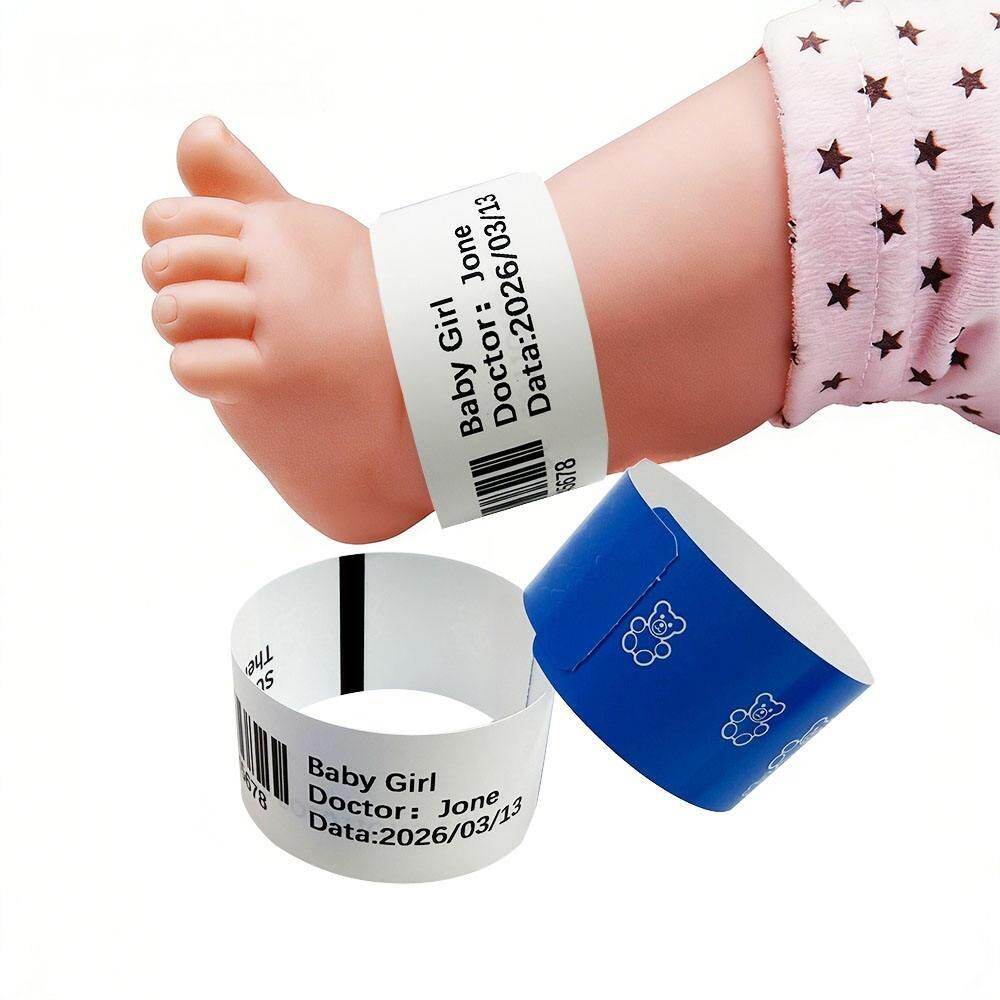
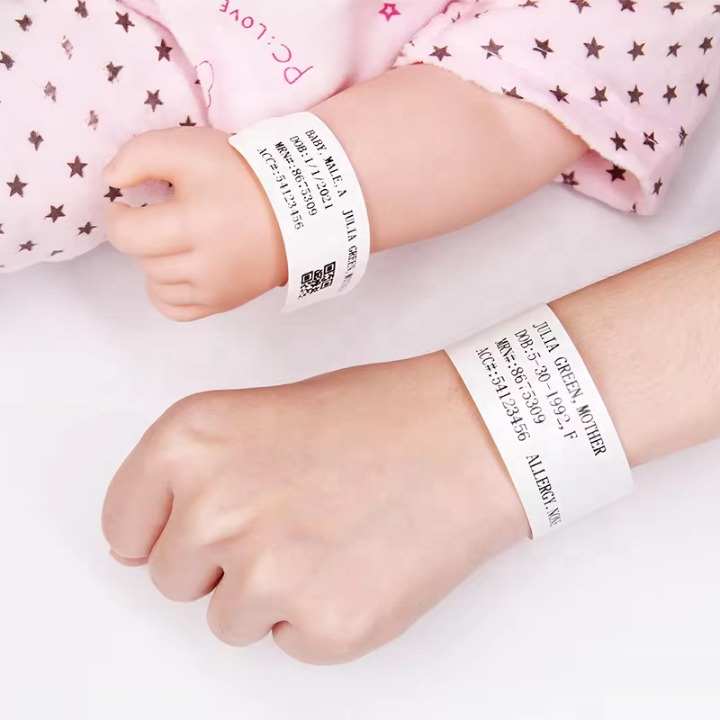
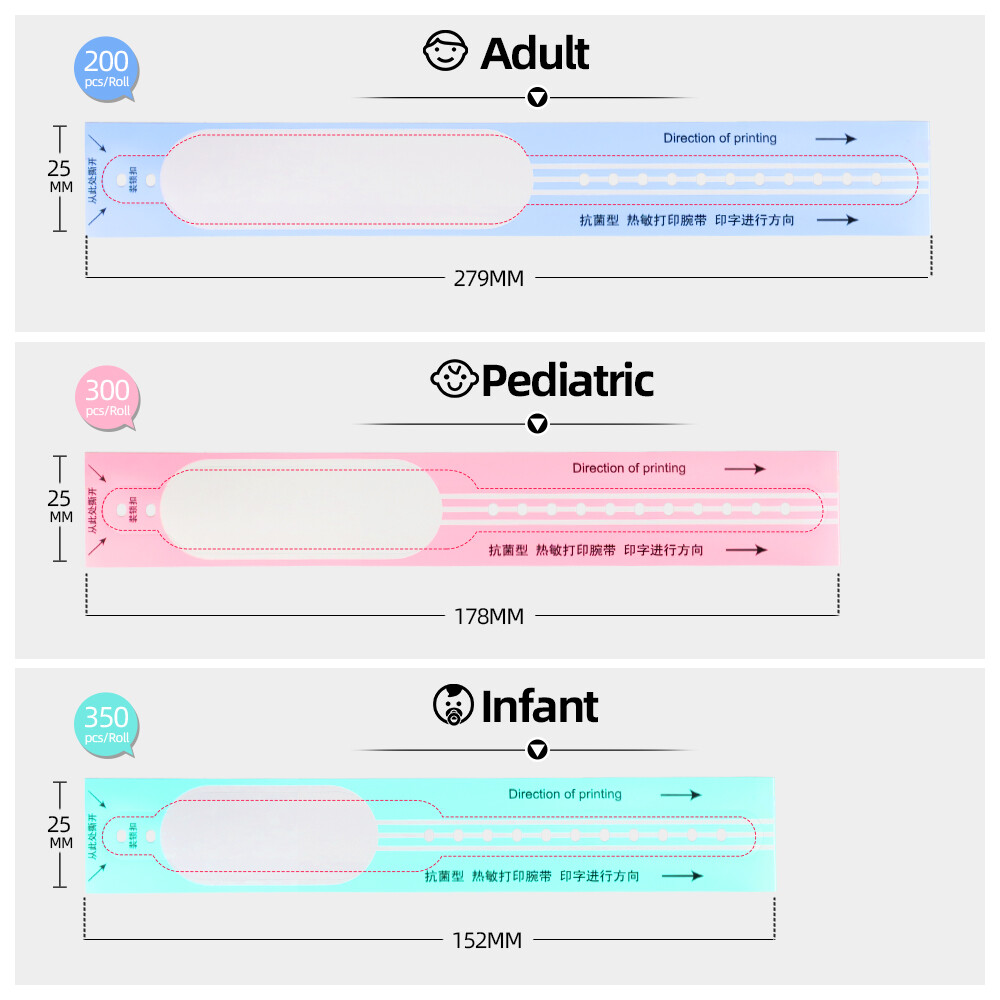
The most immediate challenge in NICU wristband design is circumference. Adult wristbands typically measure between 25 and 30 centimeters in length, with adjustable fastening systems designed for wrists ranging from approximately 14 to 22 centimeters. A neonatal wrist may be 6 to 10 centimeters in circumference—less than half the size of the smallest adult wrist.
This size differential creates specific failure modes. A wristband that is too large will rotate around the wrist, placing the identification panel against the palm or the underside of the wrist where it cannot be read. It may slide over the hand entirely. A wristband that is tightened to compensate for excessive length may create pressure points that damage fragile skin.
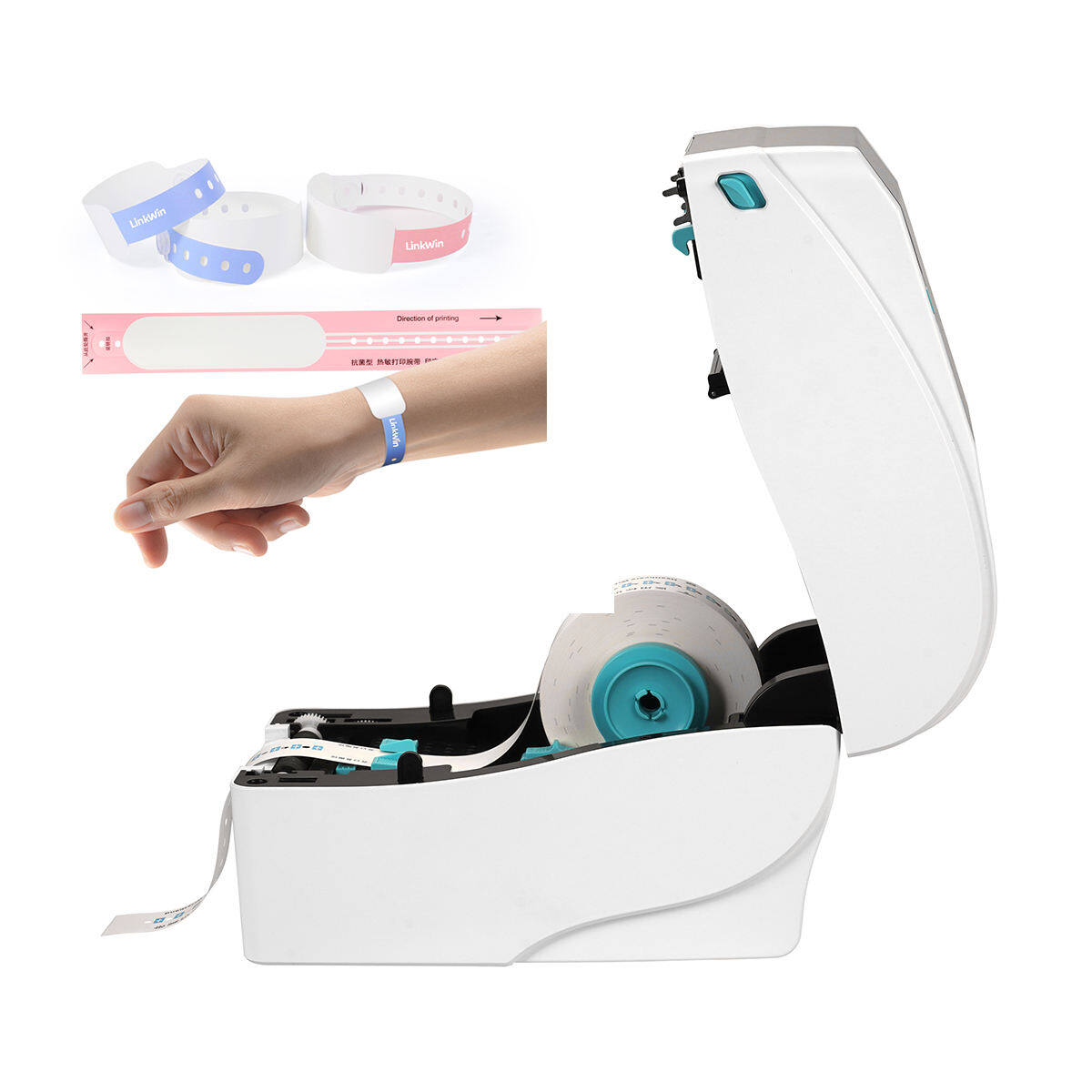
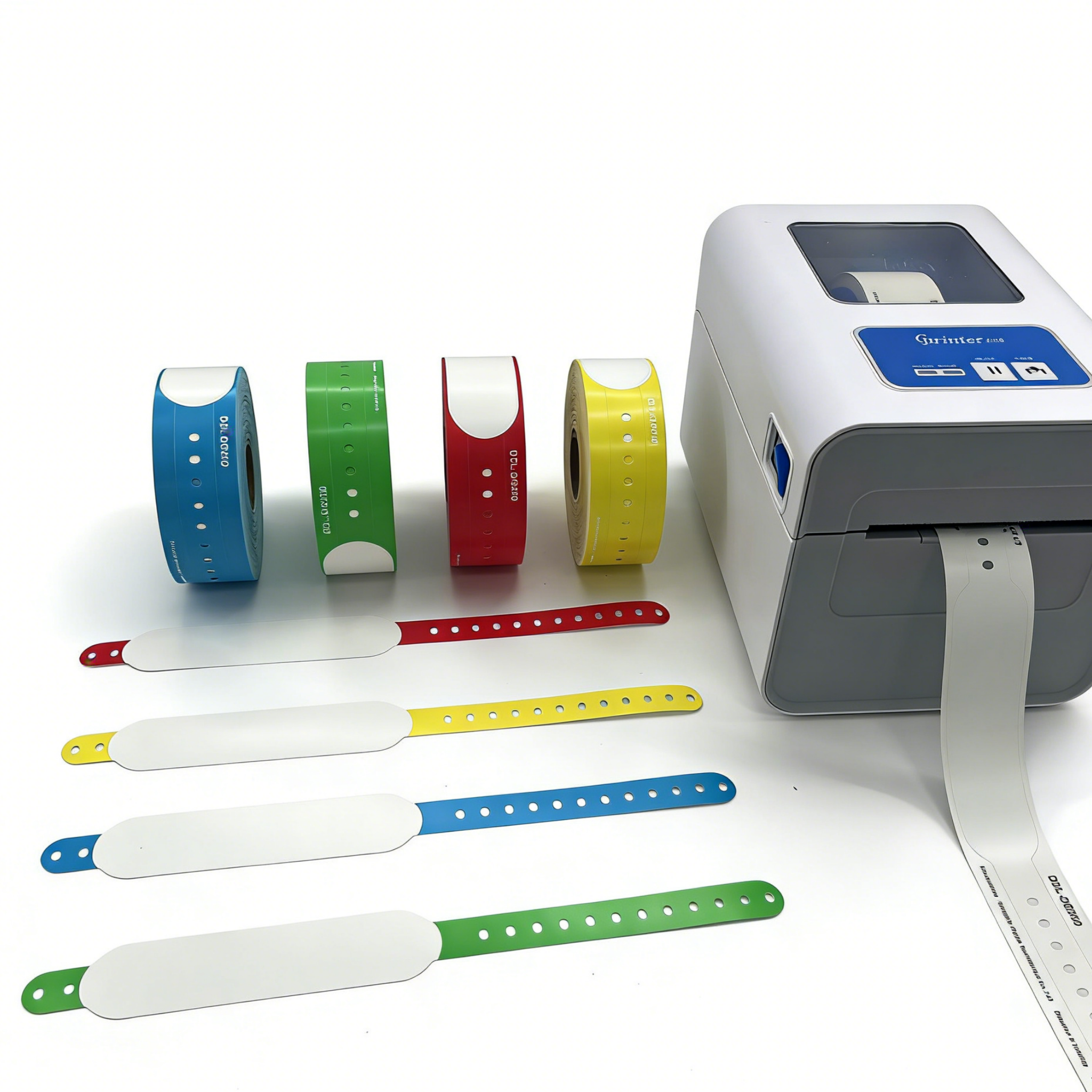
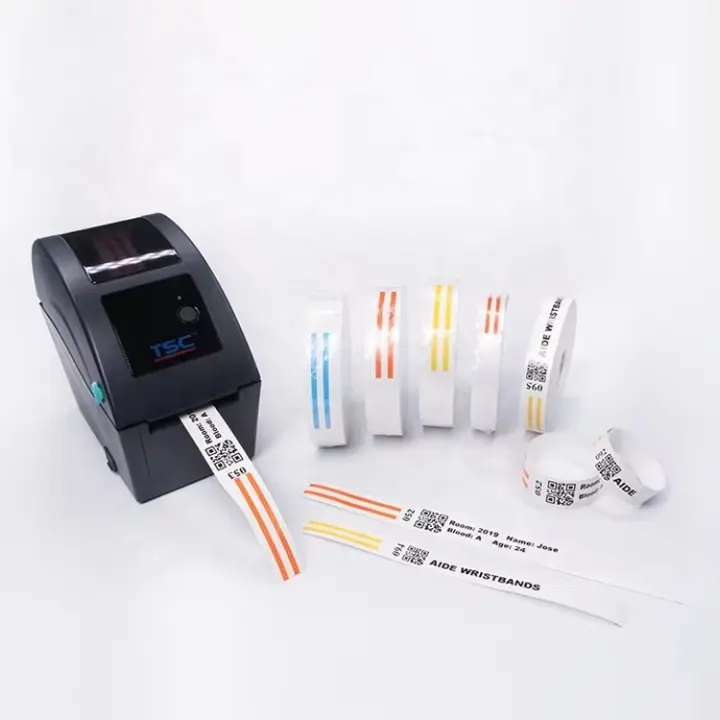
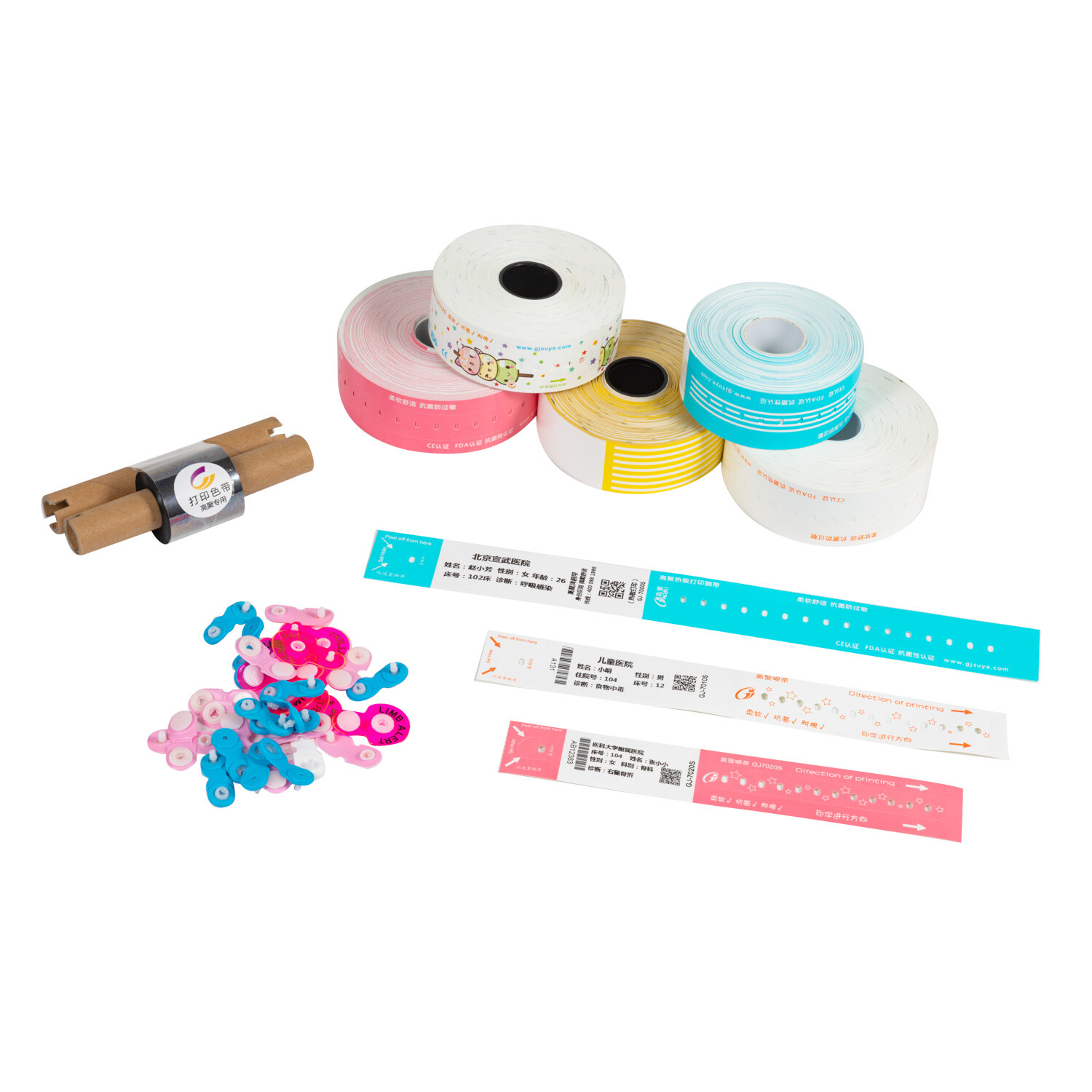
Manufacturers have responded with dedicated neonatal wristband sizes. One product specification lists a neonatal band measuring 152mm × 25mm with a wearing circumference of approximately 80mm × 23mm—nearly 30% shorter than standard neonatal sizes and described as a special small size suitable for low birth weight and premature infants. Another patent describes an identification band specifically for infants with a connector portion length of 7 to 8 centimeters and a total band length of 16 to 18 centimeters.
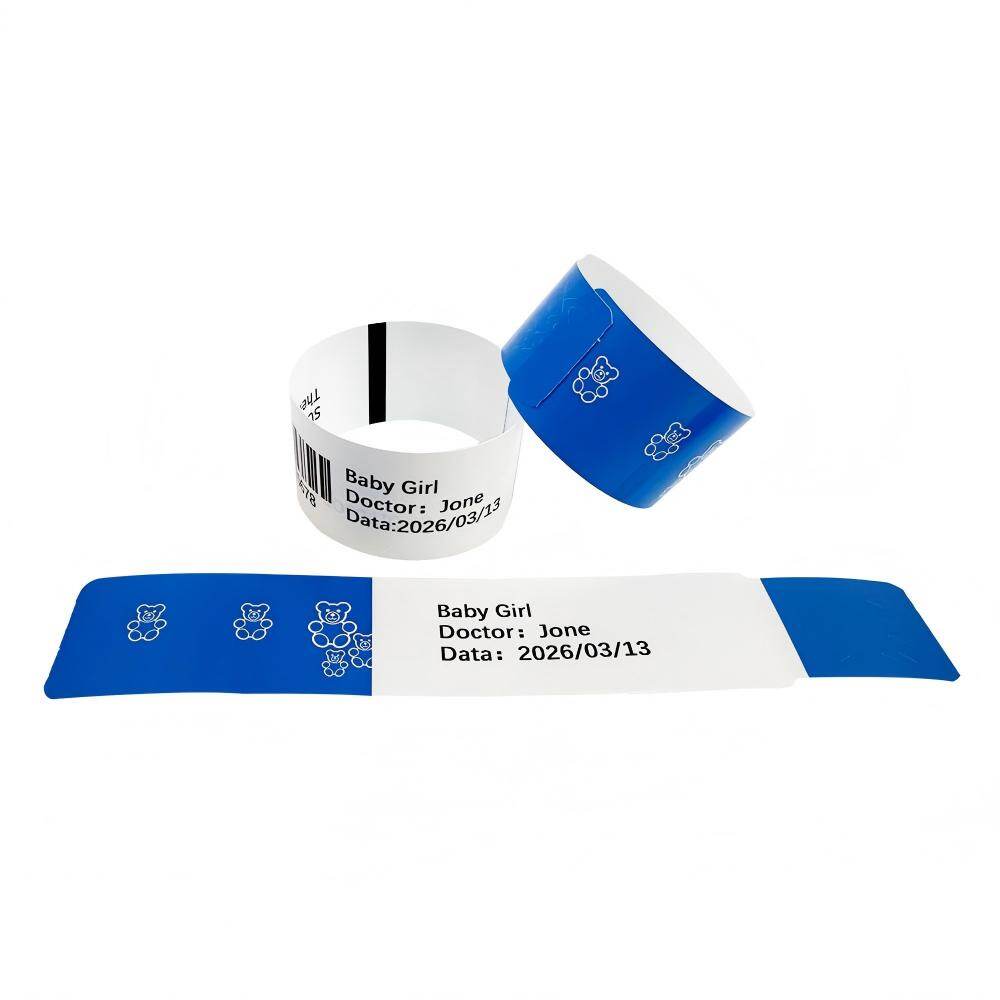
The width of the band matters as much as the length. A strap that is too narrow will cut into the skin when tightened; a strap that is too wide will not conform to the curvature of a tiny wrist. Patent literature suggests that a strap width of approximately 1 centimeter is sufficient for infant applications, providing enough strength to prevent tearing while avoiding the pressure concentration that a narrower band would create. Some neonatal designs use a wider identification panel (up to 25mm) to distribute pressure and provide adequate space for barcode printing.
The ankle offers an alternative attachment site. The ankle circumference in neonates is often slightly larger than the wrist, providing a better fit for standard neonatal bands. Many NICU protocols recommend dual-site placement—one band on the wrist and one on the ankle—to provide redundancy in case one band is dislodged. The 2012 protocol evaluation study found that the number of identification wristbands was the least conformant component of the identification protocol, suggesting that dual-site placement is not consistently practiced.
Material and Skin Safety: The Fragile Barrier
Neonatal skin is not simply smaller adult skin. The stratum corneum—the outermost protective layer—is significantly thinner in premature infants, and barrier function may not be fully developed until weeks after birth. The skin is more permeable, more susceptible to chemical irritation, and more vulnerable to mechanical damage from adhesives and pressure.
The material requirements for NICU wristbands reflect this vulnerability. Medical specification documents for neonatal identification bracelets specify materials that are flexible, smooth, waterproof, cleanable, breathable and non-allergenic: soft vinyl or non-stretch polyester, latex-free. The band must have no sharp corners, profiling or edges that can irritate or rub the skin, including any edges that are produced when cutting the band to size. Fastening mechanisms must not press into the skin.
Latex-free construction is non-negotiable. Natural rubber latex proteins can cause sensitization and allergic reactions, and neonates in the NICU are a particularly high-risk population due to repeated exposures during a critical developmental window.
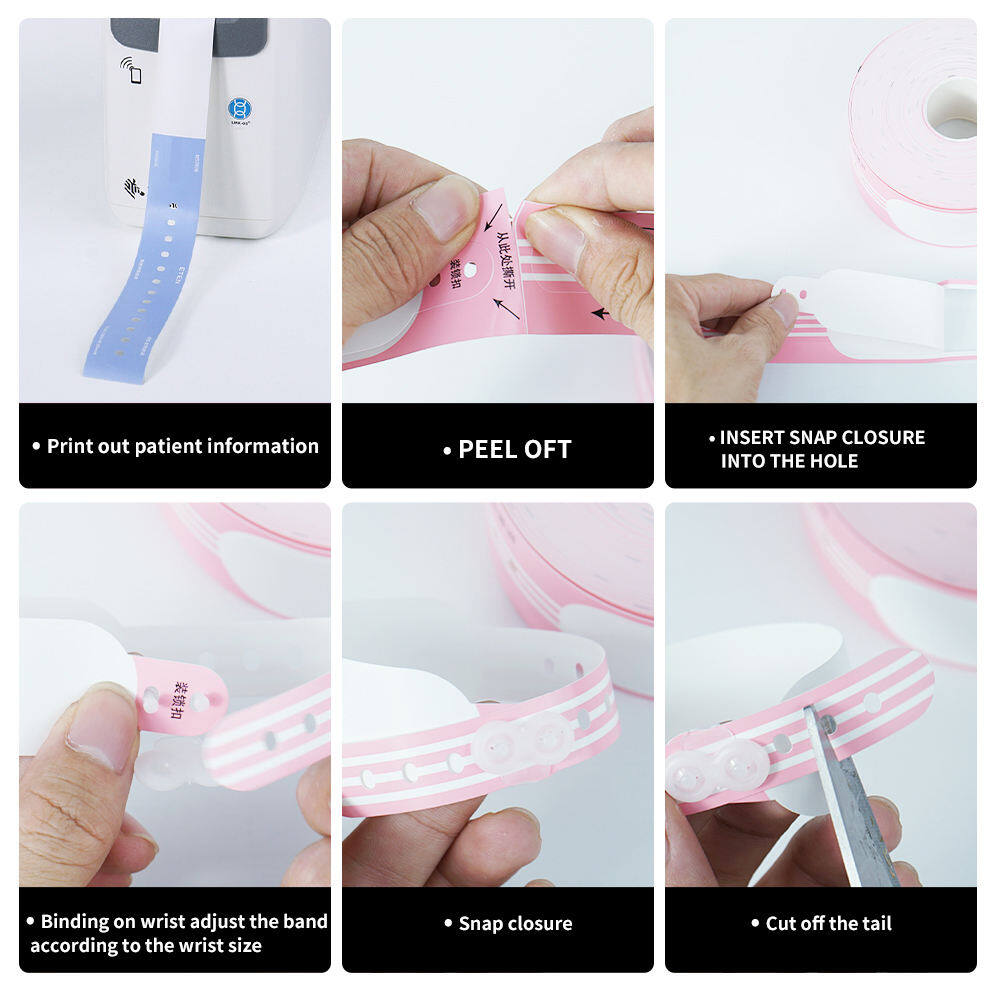
Adhesive selection is equally critical. Some neonatal wristband designs use pressure-sensitive adhesives approved for human skin contact by the FDA. The adhesive must be strong enough to secure the band but not so aggressive that removal damages the stratum corneum. A patent for a neonatal identification band describes a design where adhesive is applied to the identification portions but not to the connector band, and where the adhesive does not abut the periphery of the identification portion, leaving a 2 to 4 millimeter margin that prevents adhesive from contacting skin at the edges.
The 2017 study on hand-woven cord barcode wristbands for neonates provides clinical evidence on this point. The study compared a self-made cord wristband design with a conventional snap-closure barcode wristband. The cord design showed significantly fewer cases of detachment and local skin reactions than the conventional design. The implication is that the fastening mechanism and material interface with skin are critical determinants of both safety and reliability.
Fastening Mechanisms: Security Without Pressure
The fastening system determines whether a neonatal wristband stays in place and whether it can be removed safely. Several designs are in clinical use, each with trade-offs.
Self-locking plastic clasps are common in standard hospital wristbands. The band is threaded through a locking mechanism that cannot be reopened without cutting. This provides security against tampering but offers limited adjustability and can create pressure points if the closure is bulky. For neonates, a vinyl clasp closure without metal components is preferred, and the fastening mechanism must be designed so that it does not press into the skin.
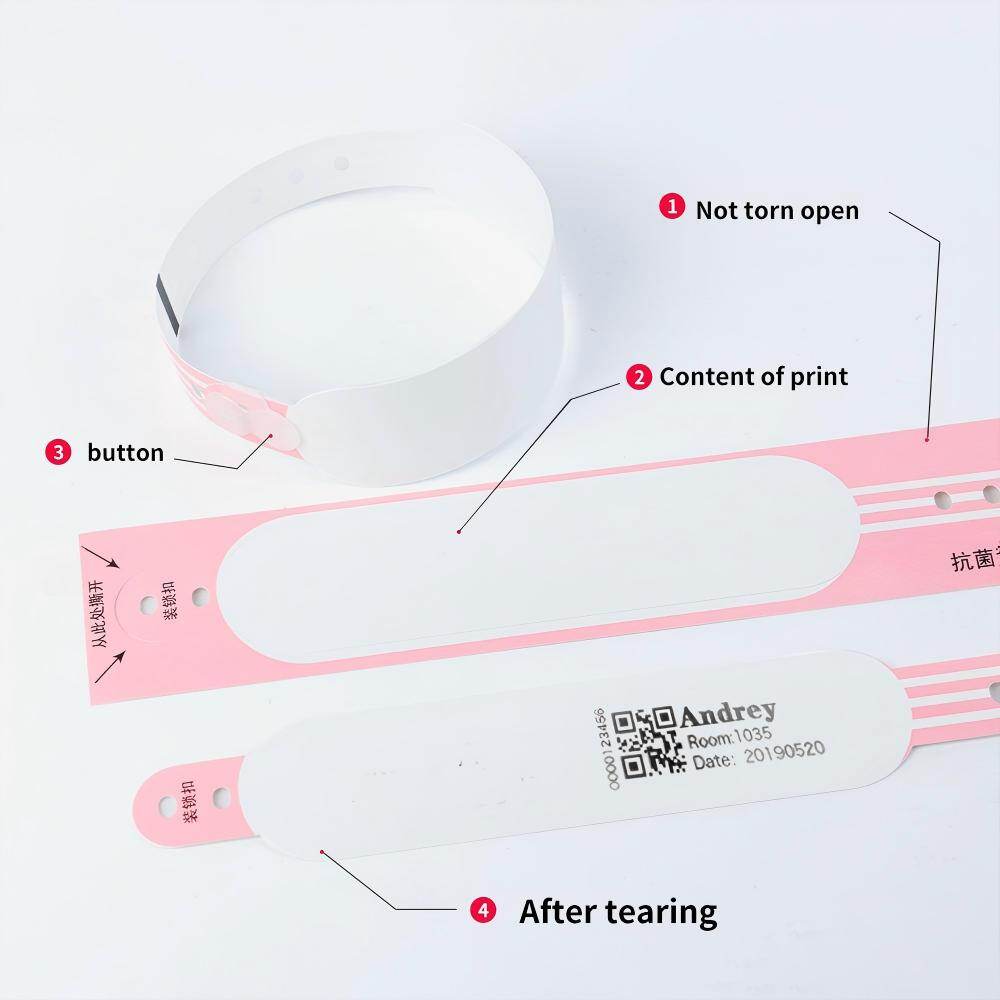
Adhesive closure systems use a pressure-sensitive adhesive to bond the band to itself. A neonatal wristband patent describes a design where two equal-sized identification portions are joined by a narrower connector band; the band is wrapped around the wrist and the adhesive sides of the identification portions are pressed together. This design distributes the adhesive interface across a wider area, reducing pressure concentration. The one-time use nature of the adhesive—it cannot be refastened once opened—provides tamper evidence and prevents accidental loosening.
Velcro or hook-and-loop fastening offers adjustability and ease of application. A cushioned wristband design incorporates a carrier with a hook-and-loop strap, allowing the band to be snugged about the wrist without being tight. The key feature is that only the cushioning material contacts the skin, with the fastening mechanism positioned away from the skin surface. This design accommodates the rapid growth of premature infants, as the band can be adjusted as the limb circumference increases.
A 2023 patent for a neonatal wristband fixation structure describes a hybrid approach: a fabric sleeve with a Velcro closure that holds the wristband itself. The sleeve allows free adjustment of tightness and prevents the pressure marks that occur when the wristband is fixed too tightly. The wristband body is threaded through stitch holes rather than being adhered directly to skin, creating a barrier between the identification band and the neonate's skin.
The choice of fastening mechanism also affects barcode scanning. A band that rotates around the wrist may present the barcode at an unreadable angle. A band that is too loose may fold or crease, obscuring the barcode. A band that is too tight may distort the barcode through stretching. The 2010 study on bar code decoding errors found that less than optimal printed bar code orientation was a confirmed source of errors. In the NICU, where the band may be only partially visible beneath blankets, tubing, or the infant's own limbs, the orientation challenge is magnified.
Preventing Detachment: Evidence from Clinical Practice
A wristband that falls off provides no identification. The 2022 study from a Chinese hospital compared a standard management model with a seamless team-based safety management model for neonatal wristband security. The results were striking: the standard model had a total detachment rate of 42%, compared with 10% in the intervention group. Nighttime detachment was particularly problematic, and too loose fitting was the leading cause of detachment in the control group (34%).
The study's intervention involved team-based coordination, standardized application protocols, and presumably more consistent monitoring of band fit and condition. The reduction in detachment was not achieved through a different wristband product but through a different process. This is an important insight for NICU managers: the wristband itself is only half the solution. The other half is the nursing workflow that ensures it is applied correctly and checked regularly.
The 2021 adherence study found a 79% absence rate for checking wristband identification during nursing care in neonatal units. Even when the band is present and intact, it is not being used as intended—as a verification tool before every procedure, every medication administration, and every specimen collection. The Born Identity quality improvement project reported that in one NICU, identification errors were erratic and often exceeded those of the hospital as a whole. The intervention that reduced errors to zero for a four-month period involved not a new wristband but a new workflow: attaching a trimmed identification band with the barcode to the infant's lead wires, so that the band stayed between the infant and the cable juncture and could be scanned without disturbing the infant.
This innovation addresses a specific NICU problem: the wristband is often physically inaccessible. The infant may be in an incubator, connected to monitors, wrapped in blankets, or positioned prone. Manipulating the infant's limb to expose the wristband disrupts sleep, increases stress, and may dislodge lines or sensors. The lead-wire attachment strategy keeps the barcode visible and scannable without requiring the nurse to touch the infant.
Preventing Misreading: Barcodes on Tiny Bands
The barcode is the machine-readable link between the NICU wristband and the electronic medical record. On a neonatal band, the barcode competes for space with human-readable text, and the printing surface may be only a few millimeters wide.
The 2010 study on patient misidentifications caused by bar code errors identified several failure modes that are particularly relevant to neonatal bands: minor bar code imperfections, failure to control for scanner resolution requirements, and suboptimal printed bar code orientation. The study found that as many as three incorrect patient identifiers could be generated from a single poorly printed barcode, and that the internal data integrity check did not detect these errors.
A barcode scanner troubleshooting guide from a patient monitoring manufacturer describes a related problem: additional characters appearing at the end of a scanned barcode, causing the patient ID to be longer than expected. The solution involved limiting the character count in the system settings to match the actual barcode content. In a NICU, where the wristband may be printed on a thermal printer with a narrow print head, such character count mismatches could be more common.
Patent literature describes a system designed to address barcode accessibility in challenging clinical environments. A wristband with a plurality of barcode symbols distributed across the band's length—each an identical copy of the others—allows the nurse to scan the patient from a suitable distance without manipulating the limb. A 2D imaging scanner can automatically reorient any symbol as needed in software and need merely capture at least one full or partial bar code symbol to identify a patient. For NICU applications, where the band may be partially obscured by blankets or the infant's position, this redundancy could reduce scanning failures.
The Born Identity project found that the lack of a bar code on the infant armband makes it impossible to scan the patient prior to procedures, leading staff to scan the chart, which may lead to patient-identification errors. The presence of a scannable barcode on the infant's band—rather than on the chart—is a fundamental requirement for safe neonatal patient identification.
Practical Recommendations for NICU Wristband Selection
For NICU managers, infection prevention teams, and materials management departments evaluating NICU wristbands, several criteria should structure the decision.
Size specificity. A neonatal wristband should be designed for neonatal anatomy, not adapted from a pediatric or adult product. Ask the manufacturer for the actual wearing circumference range and verify that the band can be secured without excessive overlap or pressure. A band that is simply a shortened adult band may not have the fastening geometry or material properties appropriate for a 6-centimeter wrist.
Material documentation. Request confirmation that the band is latex-free and that all skin-contact materials are biocompatible for prolonged use. The material should be breathable to prevent moisture accumulation under the band, and the edges should be smooth or rounded to prevent friction.
Fastening system evaluation. The fastening mechanism should allow secure application without over-tightening. It should be tamper-evident or single-use to prevent accidental loosening. It should not create pressure points, and it should be positioned away from the skin surface.
Barcode scannability. The barcode should be printed at a size and resolution that is reliably scannable with the facility's existing scanner infrastructure. If the band is printed on demand, the printer should be calibrated for the narrow print width required. If the band is pre-printed, the barcode should be verified before full-scale adoption.
Protocol integration. The wristband is only as good as the workflow that supports it. Application protocols should specify correct placement (wrist and/or ankle), correct tightness (snug but not tight, with a finger-width gap as a guide), and regular checks (at every shift change, before every procedure, and whenever the band is visible). The 2022 team-based study demonstrated that protocol and training can reduce detachment rates from 42% to 10%.
Redundancy. Dual-site placement—wrist and ankle—provides a backup if one band is dislodged. The 2012 protocol evaluation found that the number of wristbands was the least conformant component, suggesting that redundancy is not consistently practiced. For high-risk infants, particularly those in the NICU for extended periods, dual-site placement should be the standard.
Conclusion
NICU wristbands are not smaller versions of adult identification bands. They are specialized medical devices that must function under conditions of extreme size constraint, skin fragility, and prolonged wear. The evidence shows that standard wristband designs are associated with high detachment rates and skin irritation in neonates, and that even when bands are present, nursing adherence to checking them is inconsistent.
The solution is not simply a better product—though material selection, fastening design, and size specificity matter. The solution is a system: a wristband designed for neonatal anatomy, applied according to a clear protocol, checked at defined intervals, and supported by barcode technology that allows scanning without disturbing the infant. The Born Identity project demonstrated that a focused workflow intervention can reduce identification errors to zero. The 2022 team-based study showed that coordinated management can cut detachment rates by three-quarters.
For neonatal patient identification, the wristband is the foundation. But a foundation without a structure above it will not hold. The NICU that invests in appropriate wristbands and also invests in the protocols, training, and culture that ensure they are used correctly is the NICU that protects its smallest patients from the preventable harm of misidentification.
Continue Reading
Have Questions About Wristbands?
Our team is ready to help you find the perfect wristband solution for your needs. Contact us directly on WhatsApp for quick responses.
Contact on WhatsApp