
Custom Printed vs Blank Wristbands: Cost, Lead Time, and Compliance Trade-Offs
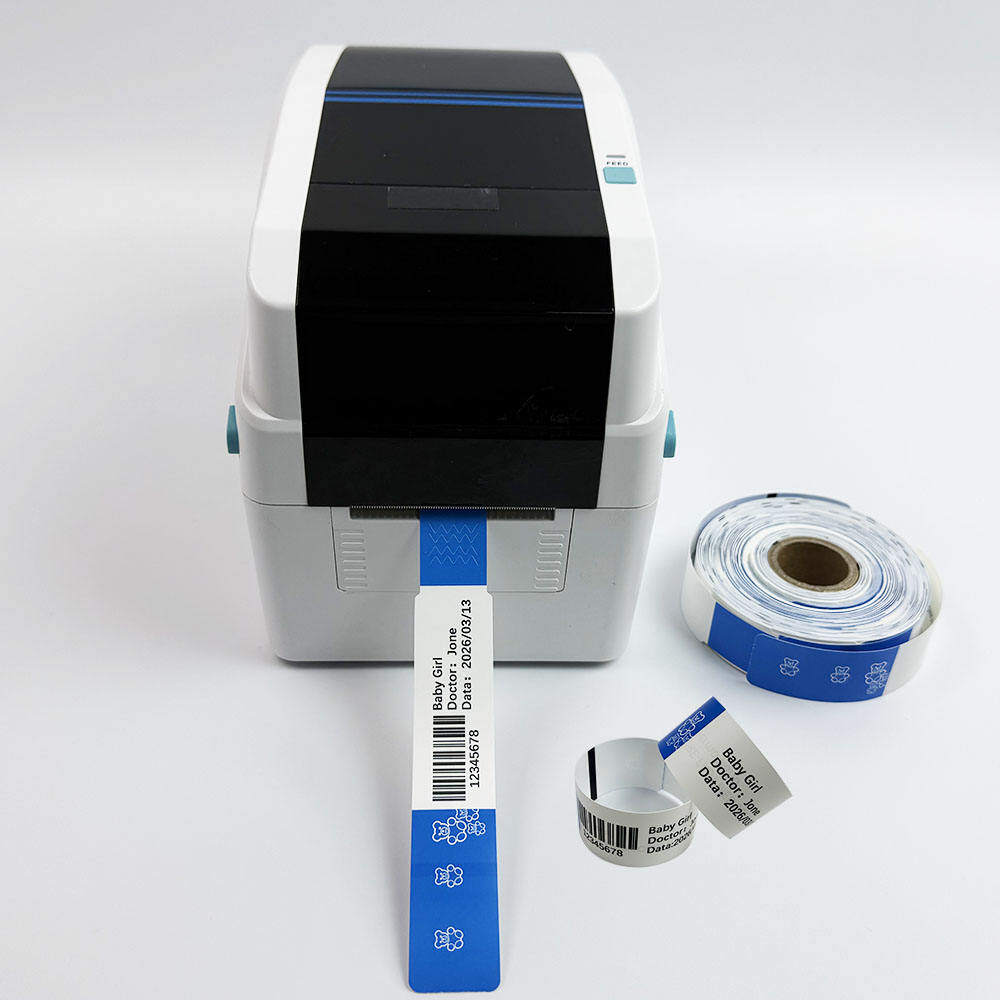
The choice between custom printed and blank wristbands is not a simple procurement decision—it is a strategic trade-off between upfront cost and operational flexibility, between brand control and clinical agility, and between minimum order quantities and just-in-time inventory management. For most acute care hospitals, blank wristbands paired with on-demand thermal printing remain the operational default, while custom printed bands serve specific niches: pre-printed alert designations, visitor identification, and branded patient experience programs. The compliance implications of each approach deserve careful attention, particularly as barcode-assisted workflows become standard of care.
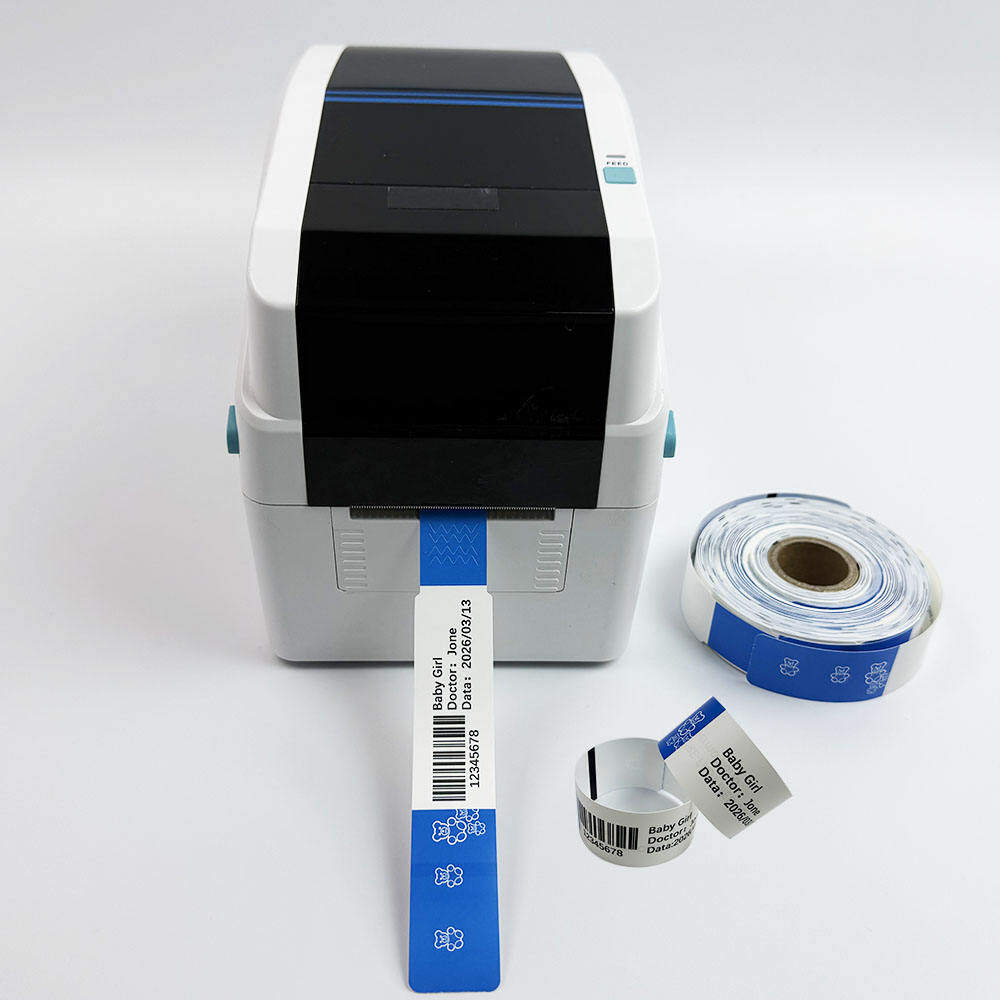
The Operational Reality of Patient Wristbands
Every hospital in the United States that uses wristbands for patient identification faces the same fundamental question: do we buy pre-printed bands with our logo, colors, and fixed information already applied, or do we buy blank bands and print patient-specific data at the point of admission? The answer determines not only the per-unit cost but also the supply chain architecture, the compliance risk profile, and the staff workflow.
The stakes are higher than they might appear. The Joint Commission does not mandate wristbands, but when they are used, the band must be attached to the patient at all times and must carry two patient-specific identifiers. A 1993 College of American Pathologists study of 712 hospitals found a median wristband error rate of 2.2%, with 10% of hospitals exceeding 10.9%. A subsequent Q-Tracks study across 217 institutions found that continuous monitoring reduced error rates from 7.40% to 3.05% over two years. The wristband is not a trivial accessory—it is a safety-critical device whose failure modes include missing bands, illegible data, and wrong-patient information.
The choice between custom printed wristbands and blank wristbands affects how those failure modes are managed.
The Blank Wristband Model: On-Demand Printing
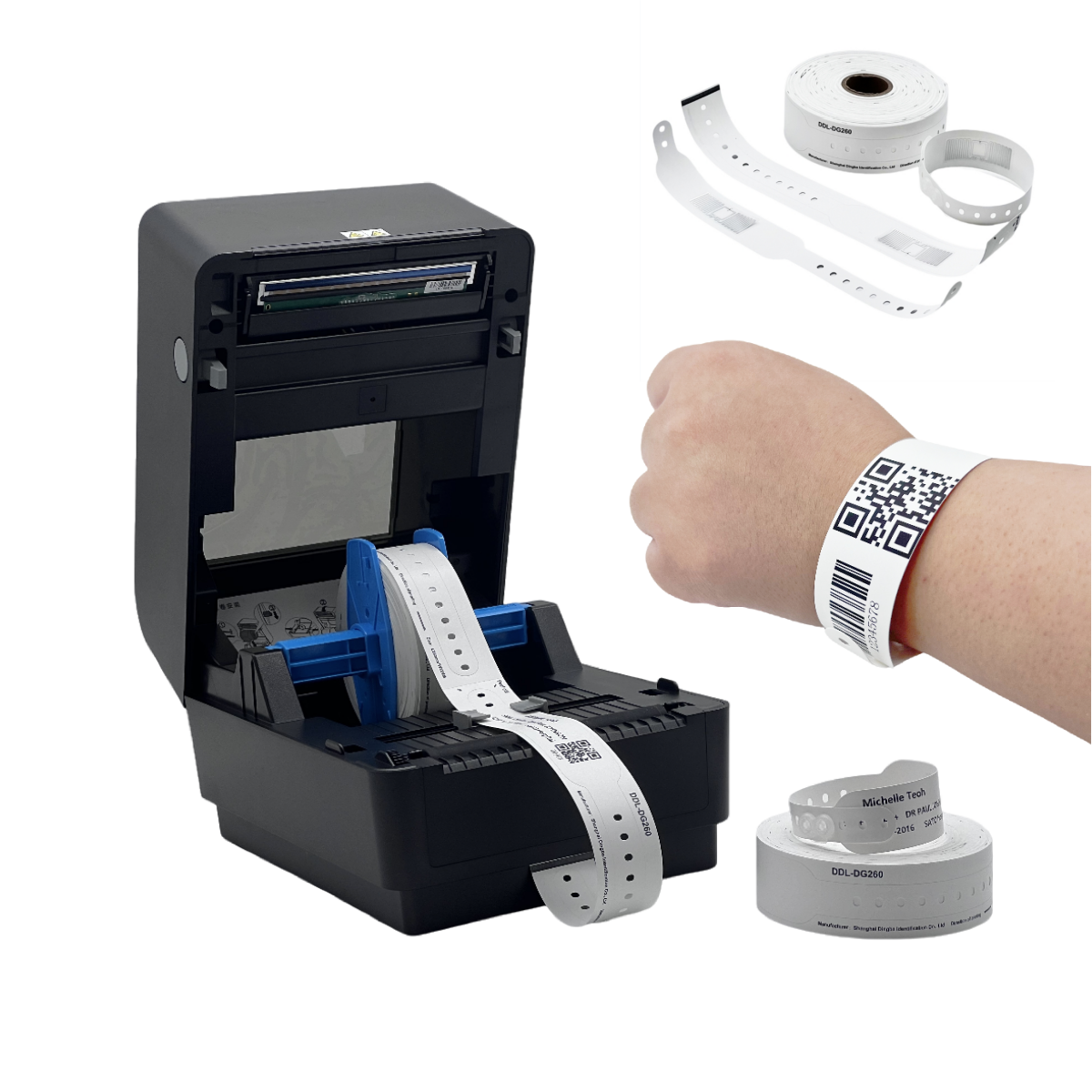
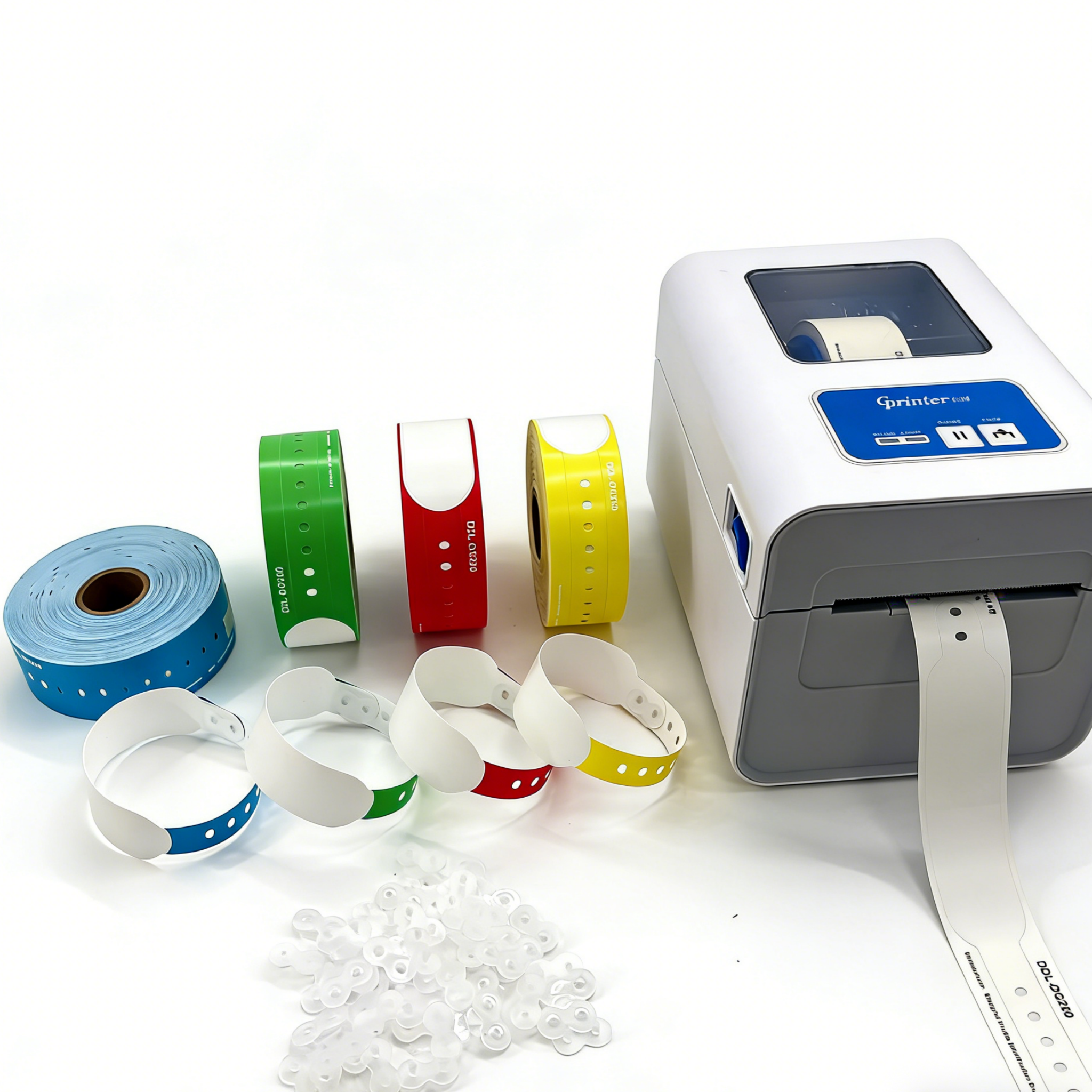
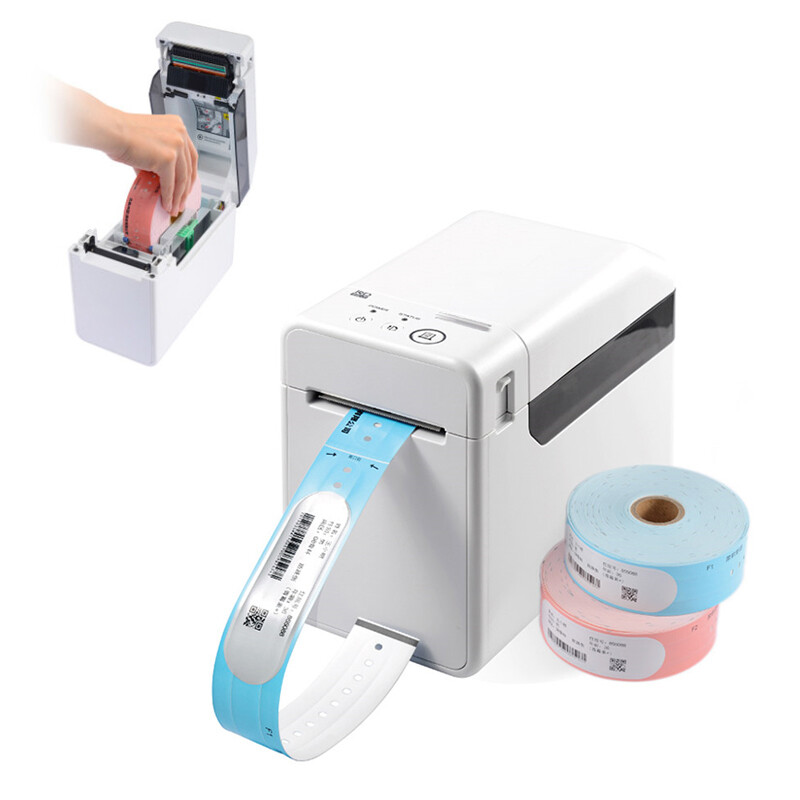
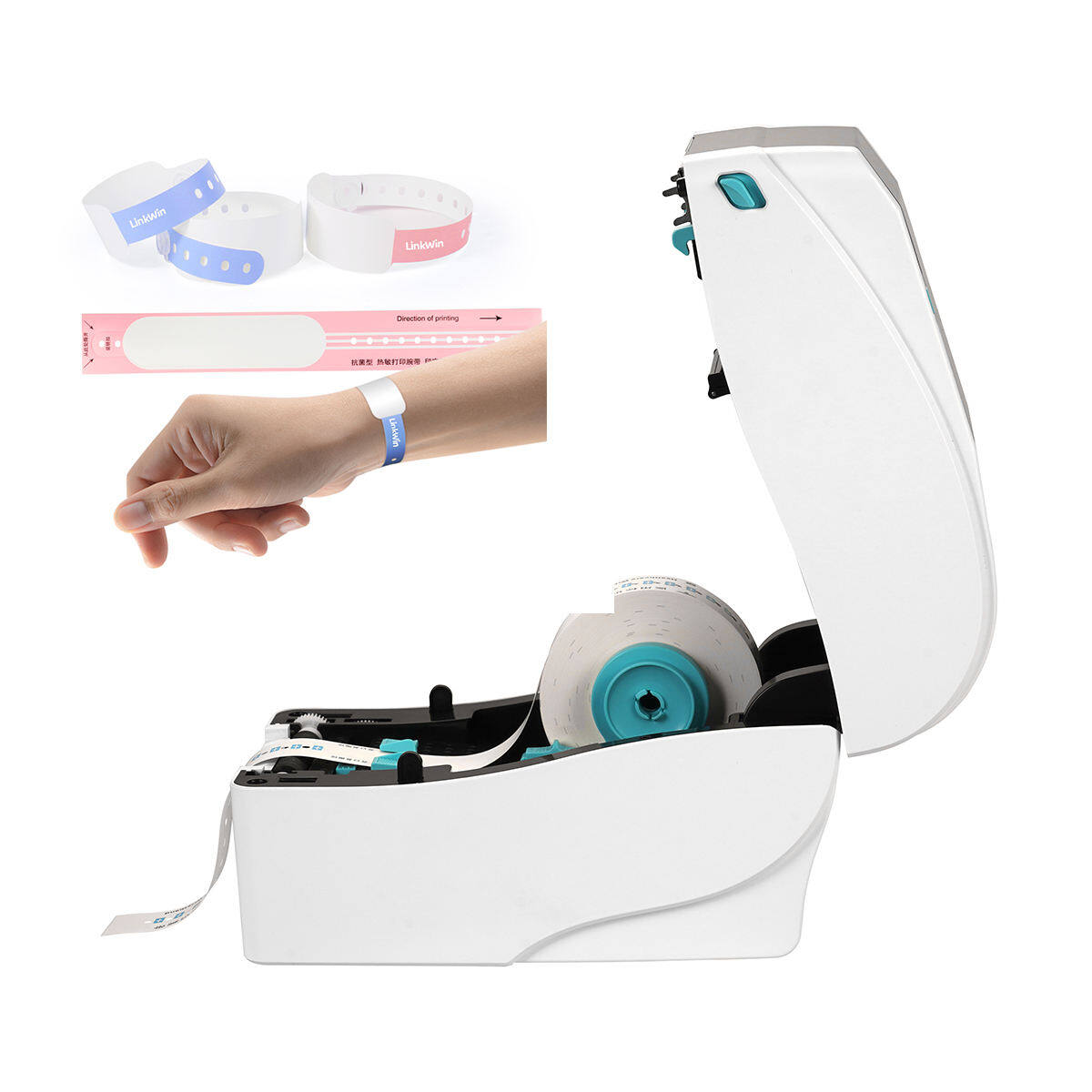
The dominant paradigm in U.S. hospitals is the blank thermal wristband printed at the bedside or admission desk using a direct thermal wristband printer. The workflow is straightforward: the admissions clerk or nurse scans the patient's medical record number, the EHR populates the demographic fields, and the wristband printer produces a band with name, date of birth, MRN, barcode, and often a room number and admission date in under ten seconds.
This model offers several structural advantages. First, there is no minimum order quantity for patient-specific information—the "customization" happens at the point of care, one band at a time. Second, the inventory management burden is simplified: the facility stocks a single SKU of blank bands in adult, pediatric, and infant sizes, rather than hundreds of pre-printed variants. Third, the lead time is effectively zero; the band is produced when the patient is admitted.
The blank model also aligns with barcode-assisted medication administration workflows. The Joint Commission explicitly recognizes bar coding and RFID as acceptable technologies for encoding patient identifiers, provided that two or more person-specific identifiers are included. A thermal wristband printed on demand can encode the patient identifier in whatever symbology the facility's scanner requires—Code 128, DataMatrix, or QR code—without advance procurement.
The 2018 observational study on workarounds in barcode-assisted medication administration found that 28% of workarounds involved not scanning patients because they did not wear a wristband. This finding cuts both ways: it confirms that missing bands are a persistent failure mode, but it also underscores the importance of a wristband that can be replaced immediately when lost or damaged. A blank wristband inventory enables that immediacy. A custom printed wristband inventory does not.

The Custom Printed Model: Pre-Printed Identity
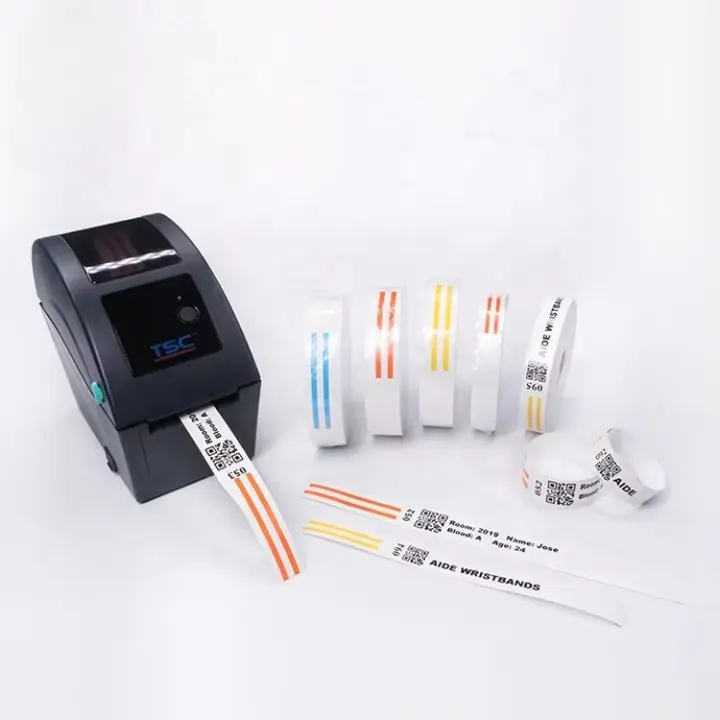
Custom printed wristbands occupy a different operational space. In this model, the facility orders bands with fixed information pre-applied by the manufacturer: the hospital logo, the facility name, standardized alert designations (red for allergy, yellow for fall risk, purple for DNR), and often pre-printed fields or spaces for variable data to be added by hand or printer.
The American Hospital Association's 2008 advisory recommended three standardized color-coded wristbands for alert purposes: red for allergies, yellow for fall risk, and purple for DNR. The FDA subsequently reinforced this guidance, directing manufacturers to reserve purple wristbands exclusively for DNR status. A custom printed wristband in these standardized colors can communicate the alert before any variable data is applied, which may be useful in emergency situations where staff need to identify risk at a glance.
Custom printed wristbands also serve brand identity purposes. A hospital wristband bearing the facility's logo and color scheme contributes to a professional patient experience, particularly in outpatient and ambulatory settings where the band may be worn for hours rather than days. Some facilities use custom printed bands for visitor identification, clinical trial participants, and specialty service lines where branding reinforces program identity.
The trade-offs are equally clear. Custom printed wristbands require a minimum order quantity—often 1,000 units or more—which translates into capital tied up in inventory, storage space, and waste when a band size or color is discontinued. Lead time for custom printed bands may range from 2 business days for express digital printing to several weeks for offset production. For a facility that changes EHR vendors, rebrands after a merger, or updates alert protocols, those lead times represent a compliance risk: the old bands may still be in stock when the new protocol takes effect.
The Compliance Dimension: What Regulations Actually Require
The regulatory landscape for patient wristbands is deceptively light. The FDA regulates patient identification bracelets as Class I devices, the lowest risk category, exempt from premarket notification in most cases. The Joint Commission does not require wristbands at all; it requires two patient identifiers before any procedure, and the wristband is simply one source where those identifiers may be found.
This means the compliance burden falls primarily on the facility's own policies and procedures rather than on a specific federal mandate. The Joint Commission does specify that when armbands are used, they must be attached at all times—placing the band on a bedside table is explicitly non-compliant. The FDA has issued guidance on purple wristbands for DNR status, but this is a letter to industry, not a binding rule.
The practical compliance implications of the custom printed versus blank choice are therefore institutional rather than regulatory. A facility that uses blank wristbands must ensure that its wristband printers are calibrated, that thermal printheads are maintained, and that staff are trained to verify barcode scanability after printing. The 2010 study on barcode decoding errors found that minor barcode imperfections and printer resolution failures could generate incorrect patient identifiers—errors that the internal data integrity check did not detect. A blank wristband model places the burden of print quality on the facility.
A facility that uses custom printed wristbands for patient identification must contend with a different risk: obsolescence. If the pre-printed bands carry a facility logo or alert designation that changes, unused stock becomes non-compliant waste. If the custom bands include pre-printed barcodes with fixed data, they cannot be repurposed for a different patient population. The flexibility of the blank model is its compliance advantage; the fixed nature of the custom model is its compliance liability.
Cost Analysis: Per-Unit Price Versus Total Cost of Ownership
A direct per-unit cost comparison between custom printed and blank wristbands is misleading without context. Blank thermal wristbands typically cost less per unit than custom printed bands because the manufacturer does not perform any printing or personalization. A box of 500 blank adult wristbands might list at $100 or less, while a custom printed order with logo, color, and fixed text may carry a per-unit premium.
But the total cost of ownership calculation must include several factors that the unit price obscures.
Inventory carrying cost. Blank wristbands are a commodity. A facility can stock three sizes (adult, pediatric, infant) in one or two material types and cover nearly every patient. Custom printed wristbands multiply the SKU count: each color, each size, each fixed data field combination is a separate item. The storage space, cycle counting labor, and obsolescence risk all increase with SKU proliferation.
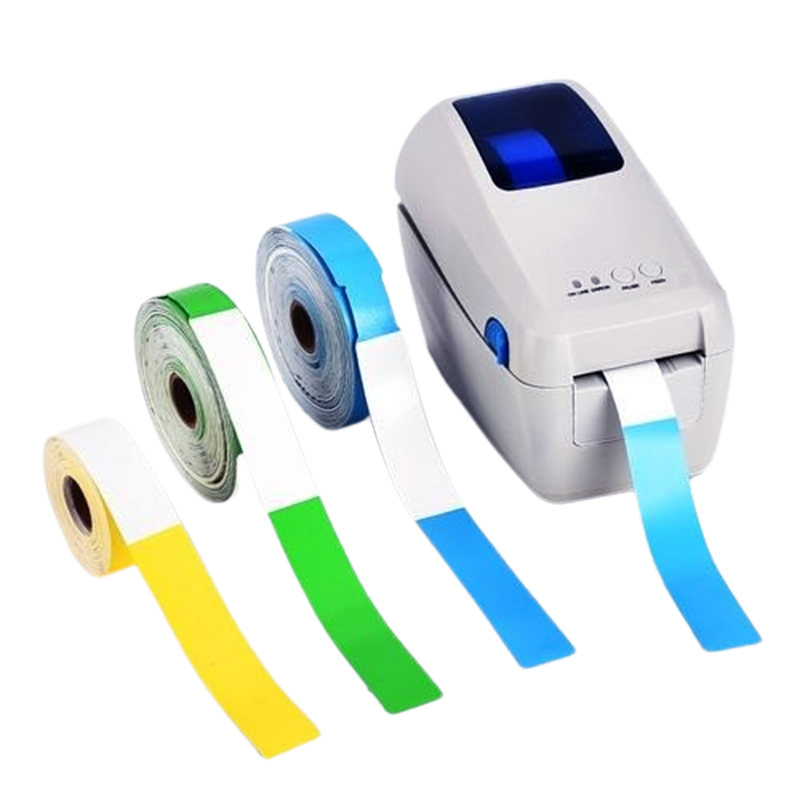
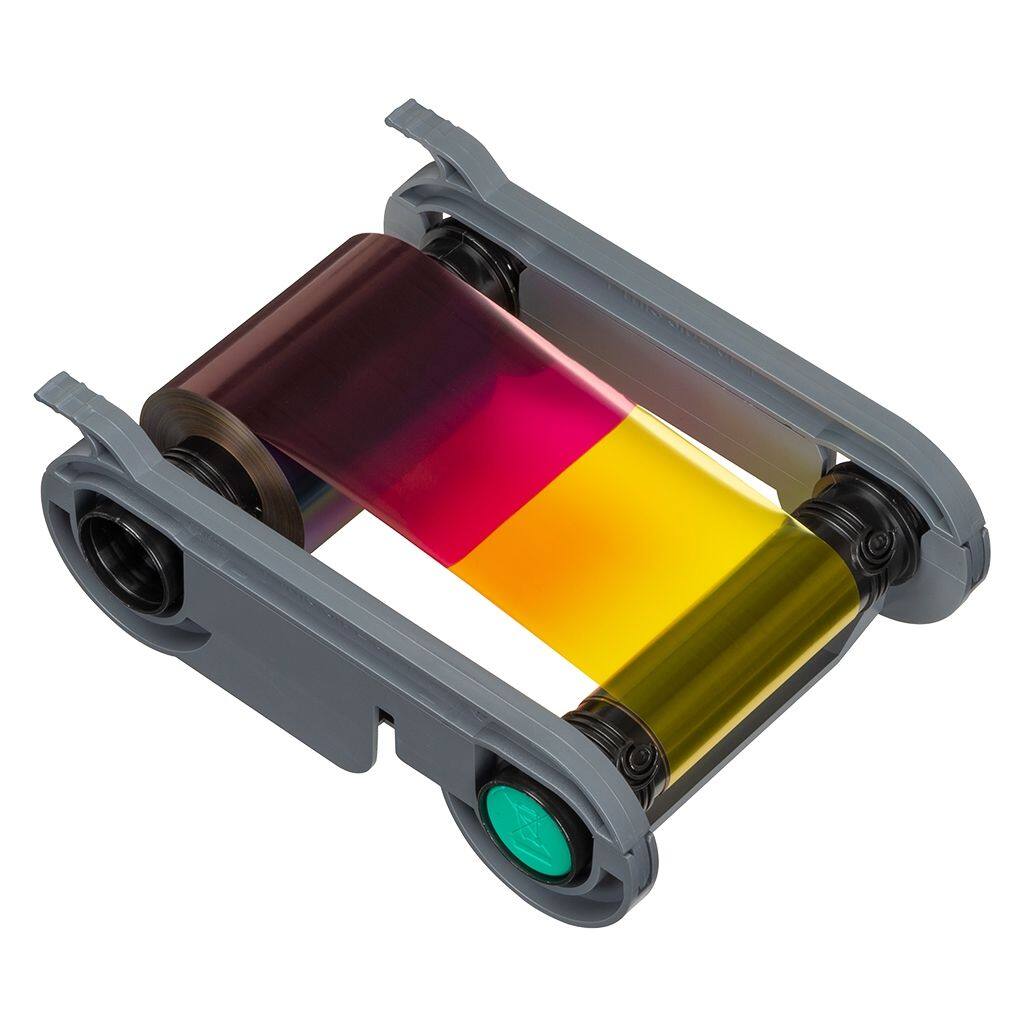
Printing consumables. The blank wristband model depends on thermal printer ribbons (for thermal transfer), direct thermal media, and printhead maintenance. These costs are real but predictable. The custom printed model shifts some of that burden to the manufacturer but does not eliminate it: variable data still needs to be added, whether by hand, by imprinter, or by thermal printer.
Labor. A blank wristband workflow requires admissions staff or nurses to initiate printing, verify print quality, and replace bands when they become illegible or lost. A custom printed workflow may reduce the printing step for fixed information but does not eliminate the need for patient-specific data to be applied. The labor differential is marginal unless the custom printed bands are used without any variable data—a rare scenario in acute care.
Waste and rework. A blank wristband that prints poorly is discarded and reprinted. A custom printed wristband that is damaged or lost must be replaced from a finite, pre-ordered stock. If the lead time for reorder is two weeks and the stock runs out, the facility faces a compliance gap: patients without wristbands, or with hand-written temporary bands that may not meet Joint Commission legibility expectations.
Lead Time and Supply Chain Resilience
Lead time is the dimension where the blank versus custom trade-off becomes most operationally consequential.
Blank wristbands can be ordered in bulk from medical supply distributors with stock inventory and delivered in days, not weeks. Many suppliers offer blank thermal wristbands in adult, pediatric, and infant sizes with latex-free, phthalate-free, and water-resistant materials. A facility that maintains a par level of two to four weeks of blank stock can weather normal demand fluctuations without crisis.
Custom printed wristbands introduce a manufacturing lead time that the facility cannot compress. A custom order with logo, fixed fields, and color-matched bands may require proofing, plate setup (for offset), or digital file preparation before production begins. Standard lead times range from 2 business days for quick-turn digital printing to 10–15 business days for custom manufacturing. A facility that underestimates demand or experiences an unexpected census surge may find itself short of custom printed bands with no rapid replenishment option.
The COVID-19 pandemic exposed the fragility of single-source supply chains for medical consumables. A facility that depends on custom printed wristbands from a single manufacturer, with a multi-week lead time, has less resilience than one that can source blank thermal wristbands from multiple distributors. This is not an argument against custom printed bands categorically—it is an argument for maintaining blank band capability as a backup or surge resource.
The Brand Value Proposition: When Custom Printing Earns Its Premium
Custom printed wristbands are not inherently superior or inferior to blank bands. The question is whether the specific value they deliver justifies the cost and lead time premiums in a given use case.
Patient experience. A wristband with a hospital logo and brand colors is a small but visible touchpoint in the patient journey. For pediatric hospitals, birthing centers, and outpatient surgery centers, a custom printed band contributes to a welcoming, professional environment. Some facilities offer newborn wristbands with decorative designs, memory bands for bereavement situations, or celebration bands for oncology patients completing treatment. These are legitimate brand and patient experience applications where the per-unit premium is justified by the emotional or marketing value.
Alert designation. A pre-printed red wristband that signals allergy before any variable data is applied can be valuable in emergency departments and trauma settings. The AHA standardization of red, yellow, and purple creates a visual language that staff can interpret without reading text. A custom printed band in these colors, with the alert pre-printed, delivers that signal immediately. A blank band in the same color requires the admissions staff to select the correct blank from inventory—a step that can fail under time pressure.
Visitor and non-patient identification. Custom printed wristbands for visitors, vendors, and contractors serve a different function than patient bands. The brand and access level are the primary information, not patient-specific data. In these applications, custom printing is the natural choice because the bands are not printed at a patient bedside but distributed at security desks and entrances.
Clinical trials. Research coordinators often use custom printed wristbands to identify study participants, with protocol numbers and randomization codes pre-printed. The regulatory requirements for clinical trial identification may differ from standard patient wristband compliance, making custom printing a practical necessity.
Decision Framework for Procurement Teams
For hospital procurement teams, materials management, and infection prevention committees evaluating wristband purchasing decisions, the following framework may be useful.
Default to blank for patient identification. The operational flexibility, inventory simplicity, and supply chain resilience of blank thermal wristbands make them the appropriate default for acute care patient identification. The lead time is near zero, the SKU count is manageable, and the barcode can be encoded to whatever specification the EHR and scanner infrastructure requires.
Use custom printing for fixed-information applications. Alert wristbands in standardized AHA colors, visitor bands, clinical trial participant bands, and branded patient experience programs are appropriate uses of custom printing. In these cases, the fixed information is the point—the brand, the alert, the access level—and the lead time can be managed through forecasting and buffer stock.
Maintain dual capability. A facility that uses custom printed bands for any purpose should retain the capability to print blank thermal wristbands as a backup or surge resource. The printer infrastructure, the blank band inventory, and the staff training for on-demand printing are compliance insurance against supply chain disruption, census surge, or protocol change.
Verify barcode quality regardless of source. Whether the wristband is custom printed or blank, the barcode must scan correctly. The 2010 study on barcode errors found that print quality, scanner resolution, and symbology choice all contribute to misidentification risk. A custom printed band with a pre-printed barcode is not immune to these failure modes. A blank band printed on a poorly maintained thermal printer is at higher risk. Verification at the point of patient identification—the nurse or phlebotomist visually confirming the name and MRN against the EHR—remains the last line of defense.
Conclusion
The choice between custom printed wristbands and blank wristbands in a hospital setting is not a binary. The two models serve different operational needs, and most facilities will use both for different applications. Blank thermal wristbands printed on demand are the workhorse of acute care patient identification, offering flexibility, low lead time, and supply chain resilience. Custom printed wristbands serve alert designation, brand experience, visitor management, and research applications where fixed information delivers value that justifies the cost and minimum order quantity.
For procurement teams, the critical insight is that the unit price is the least important number in the decision. Inventory carrying cost, lead time risk, compliance obsolescence, and supply chain resilience determine the true total cost of ownership. A facility that saves 10 cents per wristband on a custom printed order but experiences a two-week stockout during a census surge has made a poor decision. A facility that pays a premium for blank bands but maintains 24-hour replenishment and printer redundancy has invested in patient safety and operational continuity.
The wristband is a small device with an outsized role in patient identification, medication safety, and compliance. The procurement decision deserves the same rigor as any other safety-critical supply choice.
Continue Reading
Have Questions About Wristbands?
Our team is ready to help you find the perfect wristband solution for your needs. Contact us directly on WhatsApp for quick responses.
Contact on WhatsApp