
Patient Wristband Challenges: A Guide for Manufacturers to Address Common Clinical Issues
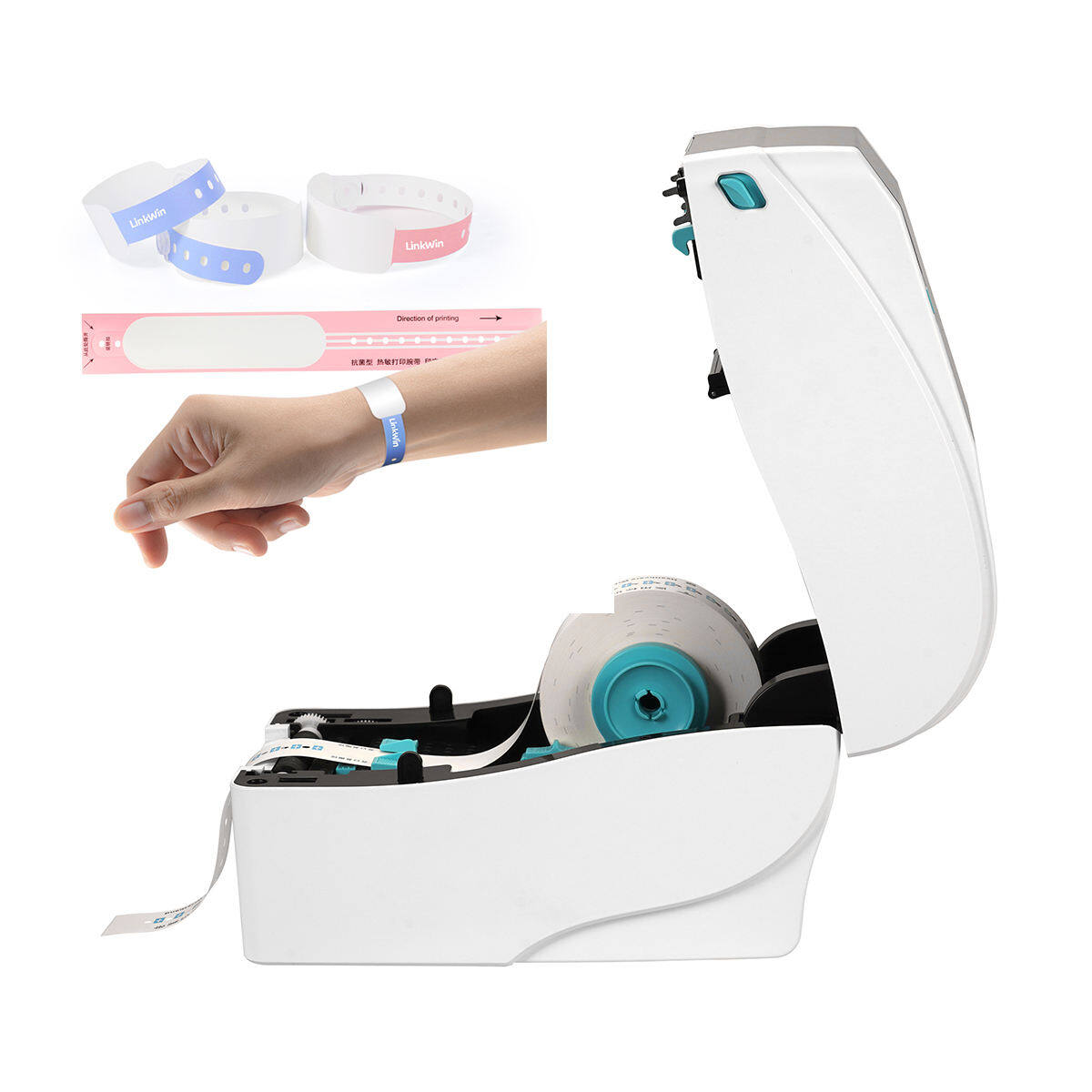
Patient Wristband Challenges: A Guide for Manufacturers to Address Common Clinical Issues
Patient identification wristbands are a cornerstone of healthcare safety, serving as the primary means of verifying patient identity across hospitals, clinics, and long-term care facilities. Despite their critical role in preventing medical errors and ensuring accurate patient identification, these seemingly simple devices present significant challenges in clinical practice. For wristband manufacturers, understanding these real-world issues is essential to developing products that truly meet the needs of healthcare providers and patients alike.
Understanding the Critical Role of Patient Wristbands in Healthcare Safety
Patient wristbands are far more than simple identification tags. They are integral components of comprehensive patient safety systems that support everything from medication administration to surgical procedures. The Joint Commission identifies patient misidentification as one of the leading root causes of sentinel events in healthcare settings, making reliable patient identification wristbands a non-negotiable element of hospital safety protocols.
In modern healthcare environments, medical wristbands serve multiple functions simultaneously:
- Patient Identification: Providing immediate visual confirmation of patient identity at the point of care
- Barcode Scanning Integration: Enabling electronic verification through barcode or RFID technology linked to electronic health records
- Clinical Alerts: Displaying critical information such as allergies, fall risk, or isolation precautions through color-coding or additional labels
- Treatment Tracking: Supporting workflow documentation from admission through discharge
The stakes are extraordinarily high. A single failure in patient identification can lead to wrong-patient procedures, medication errors, or delayed treatment. This reality places immense pressure on wristband manufacturers to deliver products that perform flawlessly under demanding clinical conditions.
Common Clinical Challenges with Hospital Wristbands
Healthcare providers encounter numerous challenges with patient wristbands throughout the care continuum. Understanding these issues from the clinical perspective helps manufacturers design solutions that address root causes rather than symptoms.
Durability and Material Integrity Issues
One of the most frequently reported problems involves wristband durability during extended patient stays. Hospital wristbands must withstand exposure to water, soap, sanitizers, lotions, and bodily fluids while maintaining structural integrity and legibility for days or even weeks.
Common durability failures include:
- Delamination: Layers separating after repeated exposure to moisture or cleaning agents
- Edge Curling: Wristband edges lifting and catching on bedding or clothing, causing discomfort and potential removal
- Adhesive Failure: Closure mechanisms losing effectiveness, particularly in humid environments or with active patients
- Material Degradation: Plastic becoming brittle or discolored after exposure to UV light or chemical cleaners
For wristband manufacturers, addressing durability requires careful material selection and rigorous testing protocols that simulate real clinical conditions rather than ideal laboratory environments.
Skin Sensitivity and Patient Comfort Concerns
Patient comfort directly impacts compliance with wristband protocols. When wristbands cause irritation, itching, or allergic reactions, patients may attempt to remove them, defeating their safety purpose entirely. Skin sensitivity issues are particularly prevalent among pediatric patients, elderly patients with fragile skin, and individuals with known contact dermatitis.
Key considerations for antimicrobial wristband and hypoallergenic design include:
- Material Biocompatibility: Ensuring all materials meet ISO 10993 standards for skin contact
- Breathability: Designing wristbands that allow air circulation to prevent moisture buildup
- Weight and Bulk: Minimizing wristband mass to reduce pressure points and discomfort during sleep
- Smooth Edges: Eliminating sharp or rough edges that can irritate sensitive skin
- Hypoallergenic Adhesives: Using medical-grade adhesives tested for extended skin contact
Manufacturers should consider offering specialized product lines for sensitive populations, including neonatal wristbands designed specifically for premature infants whose skin barrier function is not fully developed.
Print Quality and Legibility Problems
Thermal printing remains the dominant technology for producing patient wristbands at the point of care. However, thermal print quality can vary significantly based on printer calibration, media compatibility, and environmental conditions. Poor print quality creates serious risks when barcode scanning fails or text becomes illegible.
Common print-related challenges include:
- Faded Text: Insufficient heat transfer resulting in low-contrast printing that degrades quickly
- Barcode Readability: Poor contrast or smudging that prevents successful barcode scanning
- Smudge Resistance: Ink transferring to skin, clothing, or bedding when touched shortly after printing
- Environmental Sensitivity: Print quality varying with ambient temperature and humidity levels
Wristband manufacturers must ensure their products are optimized for specific thermal printer models commonly used in healthcare settings. Compatibility testing should extend beyond basic functionality to verify consistent performance across the full range of expected clinical conditions.
Technical Specifications and Size Considerations for Medical Wristbands
Proper sizing is fundamental to both patient comfort and wristband effectiveness. A wristband that is too tight causes discomfort and potential circulatory issues, while one that is too loose may slip off or rotate, obscuring printed information.
| Patient Population | Recommended Length Range | Width Considerations | Special Requirements |
|---|---|---|---|
| Neonatal (Preterm) | 100-130mm | 10-12mm | Ultra-soft materials, minimal adhesive |
| Neonatal (Full-term) | 120-150mm | 12-15mm | Gentle closure, breathable design |
| Pediatric | 150-190mm | 15-18mm | Tamper-evident closure, durable print |
| Adult Standard | 220-280mm | 18-25mm | Adjustable closure, standard materials |
| Adult Large/Bariatric | 280-350mm | 25-30mm | Extended length, reinforced closure |
Manufacturers should provide clear sizing guidelines and consider offering sample kits that allow healthcare facilities to test fit across their patient population before committing to bulk orders. The ability to accommodate diverse body types without compromising security or comfort is a key differentiator in the competitive medical wristband market.
Barcode Scanning and Technology Integration Challenges
Modern healthcare relies heavily on barcode scanning for patient identification verification at the point of care. Wristband barcodes must be consistently scannable throughout the patient stay, regardless of wear, moisture exposure, or handling.
Critical factors affecting barcode scanning reliability include:
- Print Resolution: Sufficient DPI to produce crisp, well-defined barcode elements
- Contrast Ratio: Adequate difference between barcode and background for optical readers
- Surface Reflectivity: Minimizing glare that can interfere with scanner optics
- Curvature Tolerance: Maintaining readability when wristband conforms to wrist contour
- Damage Resistance: Preserving barcode integrity despite abrasion, folding, or fluid exposure
Manufacturers should conduct extensive compatibility testing with major healthcare barcode scanner brands and models. Publishing verified compatibility lists helps healthcare IT teams make informed procurement decisions and reduces implementation friction.
Addressing Workflow and Operational Efficiency
Beyond the physical product itself, wristband manufacturers can add significant value by considering how their products integrate into clinical workflows. Time spent applying, adjusting, or replacing wristbands represents direct labor cost and opportunity cost for nursing staff.
Workflow optimization opportunities include:
- Easy Application: Designs that enable quick, one-handed application by nursing staff
- Intuitive Closure: Mechanisms that are simple to secure correctly without extensive training
- Printer Compatibility: Seamless integration with existing thermal printing infrastructure
- Roll Configuration: Optimized roll sizes and core dimensions that minimize printer loading time and waste
- Clear Orientation: Visual cues indicating proper wristband orientation during application
Manufacturers who invest in understanding end-to-end clinical workflows can identify improvement opportunities that competitors focused solely on product specifications may overlook.
Regulatory Compliance and Quality Standards
Patient identification wristbands are subject to various regulatory requirements and industry standards depending on the target market. Manufacturers must maintain comprehensive quality management systems and documentation to demonstrate compliance.
Key regulatory considerations include:
- FDA Classification: Understanding whether wristbands qualify as Class I medical devices requiring registration
- ISO 10993 Biocompatibility: Testing all patient-contacting materials for cytotoxicity, sensitization, and irritation
- Latex-Free Certification: Documenting absence of natural rubber latex for allergy-sensitive environments
- REACH/RoHS Compliance: Ensuring materials meet chemical safety requirements for European markets
- UDI Requirements: Implementing Unique Device Identification where applicable
Maintaining current certifications and proactively adapting to evolving regulatory landscapes demonstrates commitment to quality and builds trust with healthcare procurement teams.
Best Practices for Wristband Manufacturers
Based on analysis of clinical feedback and industry best practices, successful wristband manufacturers share several common approaches:
Invest in Real-World Testing
Laboratory testing provides baseline performance data but cannot replicate the complexity of actual clinical use. Partner with healthcare facilities to conduct field trials that expose products to genuine usage patterns, environmental variations, and diverse patient populations. Feedback from frontline nurses and patients often reveals issues that controlled testing misses.
Prioritize Cross-Functional Collaboration
Effective wristband design requires input from materials science, industrial design, clinical practice, and regulatory affairs. Siloed development processes produce technically sound products that fail to address practical user needs. Establish cross-functional teams early in the development cycle and maintain collaboration through production ramp-up.
Develop Comprehensive Support Resources
Product success depends on proper implementation. Provide detailed technical documentation, printer compatibility guides, troubleshooting resources, and training materials. Responsive technical support builds customer loyalty and generates valuable feedback for continuous improvement.
Embrace Continuous Improvement
Healthcare environments evolve constantly, and wristband requirements change accordingly. Establish systematic processes for collecting and analyzing customer feedback, monitoring field performance, and implementing incremental improvements. Products that remain static inevitably fall behind emerging clinical needs and competitive offerings.
Conclusion: Partnering for Better Patient Safety Outcomes
Patient wristband challenges represent opportunities for manufacturers to create meaningful value in healthcare safety. By deeply understanding clinical realities, investing in rigorous testing, and maintaining close partnerships with healthcare providers, wristband manufacturers can develop products that reliably support accurate patient identification across diverse care settings.
The ultimate measure of success is not product specifications or sales volume, but the contribution to reducing patient identification errors and improving healthcare outcomes. Manufacturers who embrace this mission-driven approach position themselves as trusted partners in the ongoing effort to make healthcare safer for every patient.
For healthcare facilities evaluating wristband suppliers, prioritize manufacturers who demonstrate genuine understanding of clinical challenges, maintain robust quality systems, and show commitment to continuous improvement based on real-world feedback. The right manufacturing partner makes a measurable difference in patient safety and operational efficiency.
Continue Reading
Have Questions About Wristbands?
Our team is ready to help you find the perfect wristband solution for your needs. Contact us directly on WhatsApp for quick responses.
Contact on WhatsApp